The good death | Marcello Lemos
Solo exhibition, April 1 – 30, 2026
click on the photo to see it in a light box.
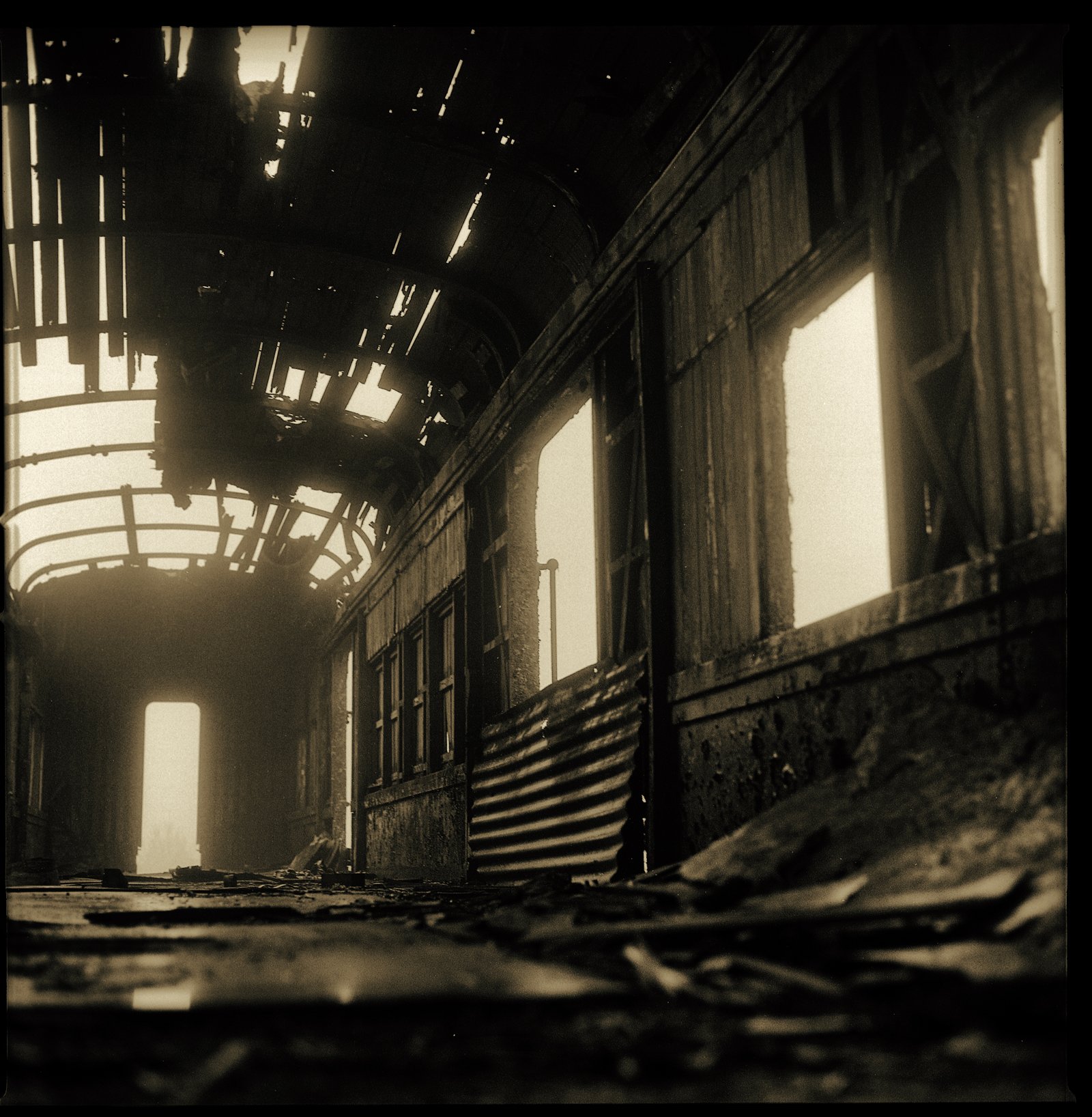
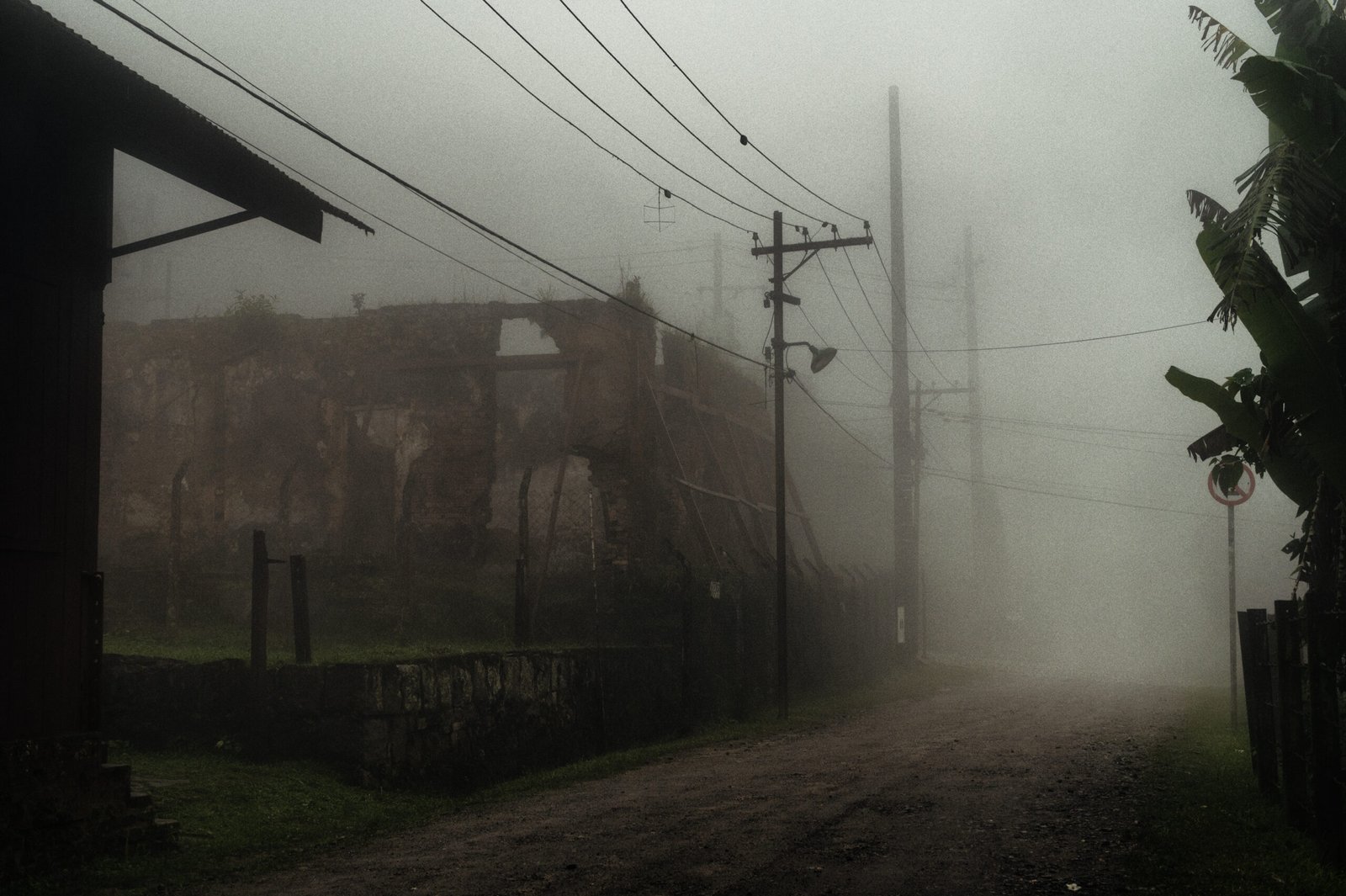
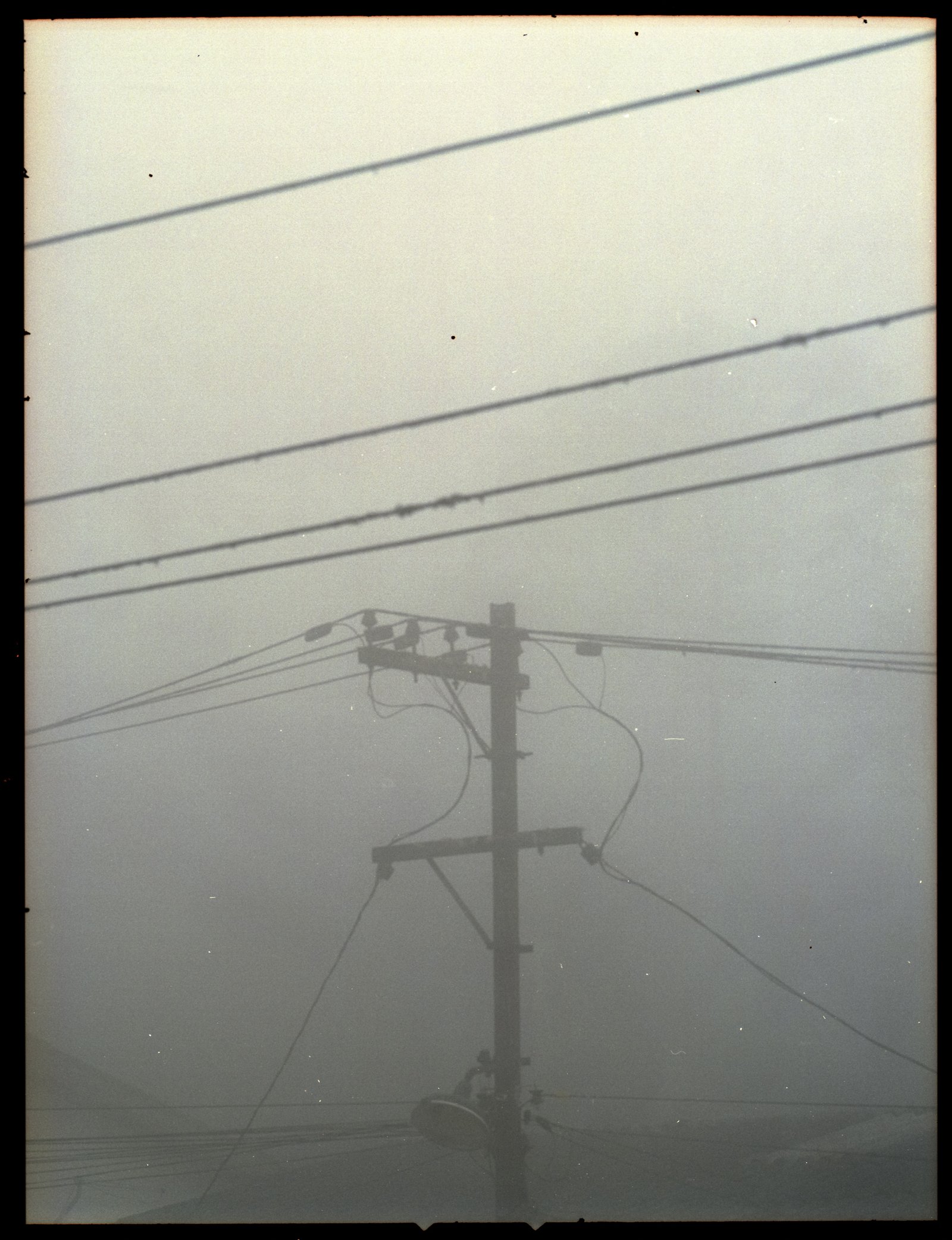
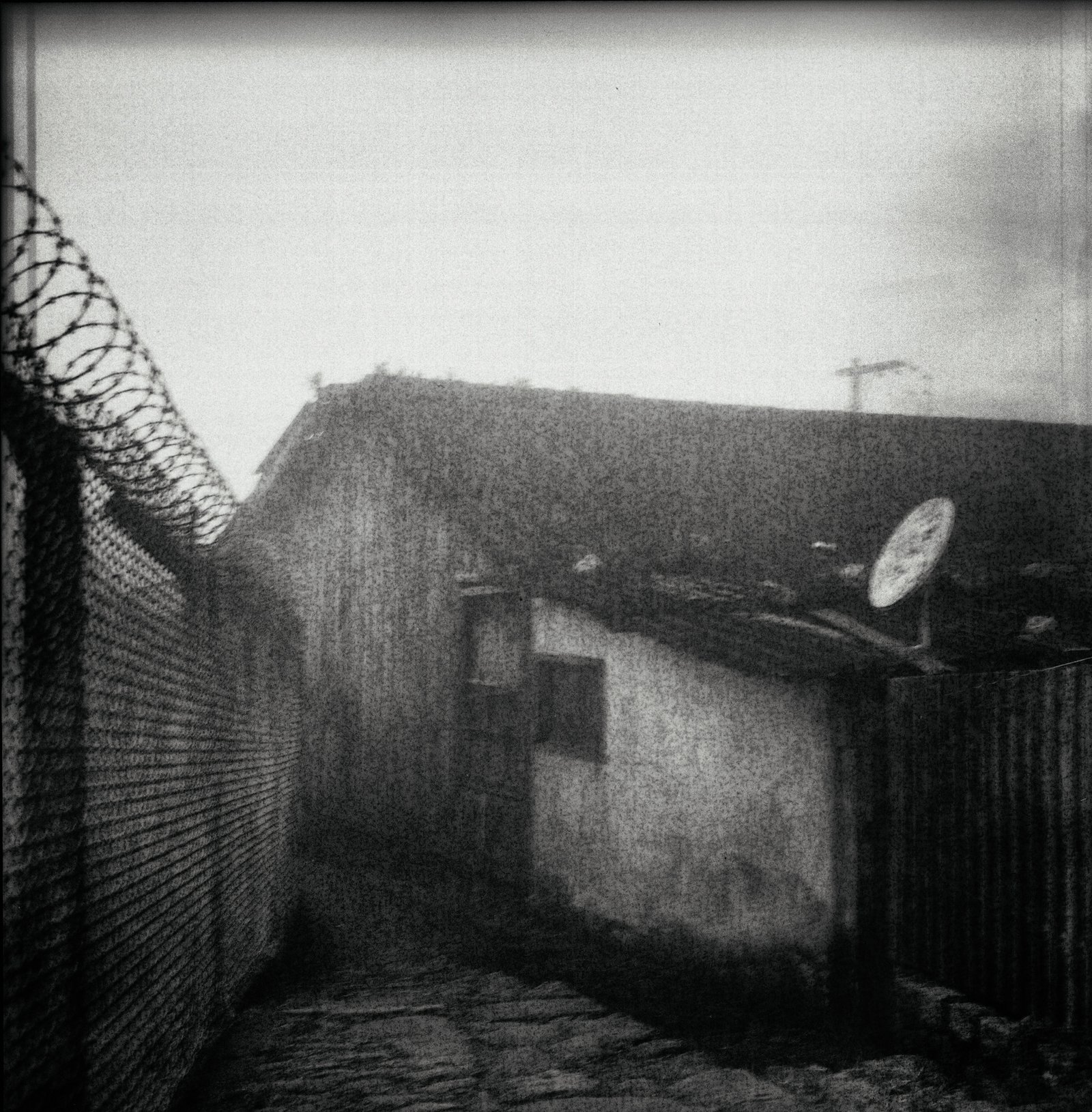
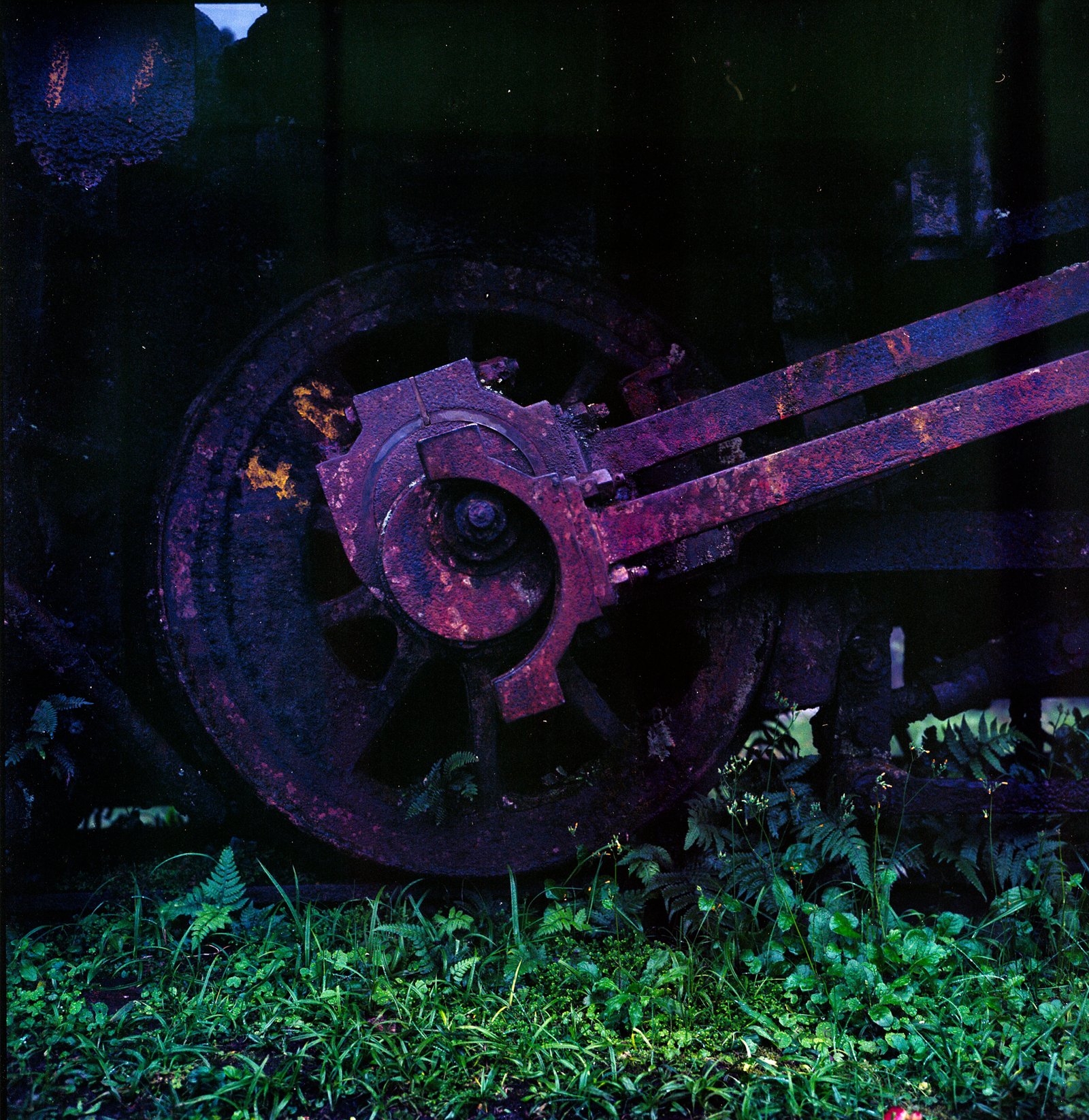
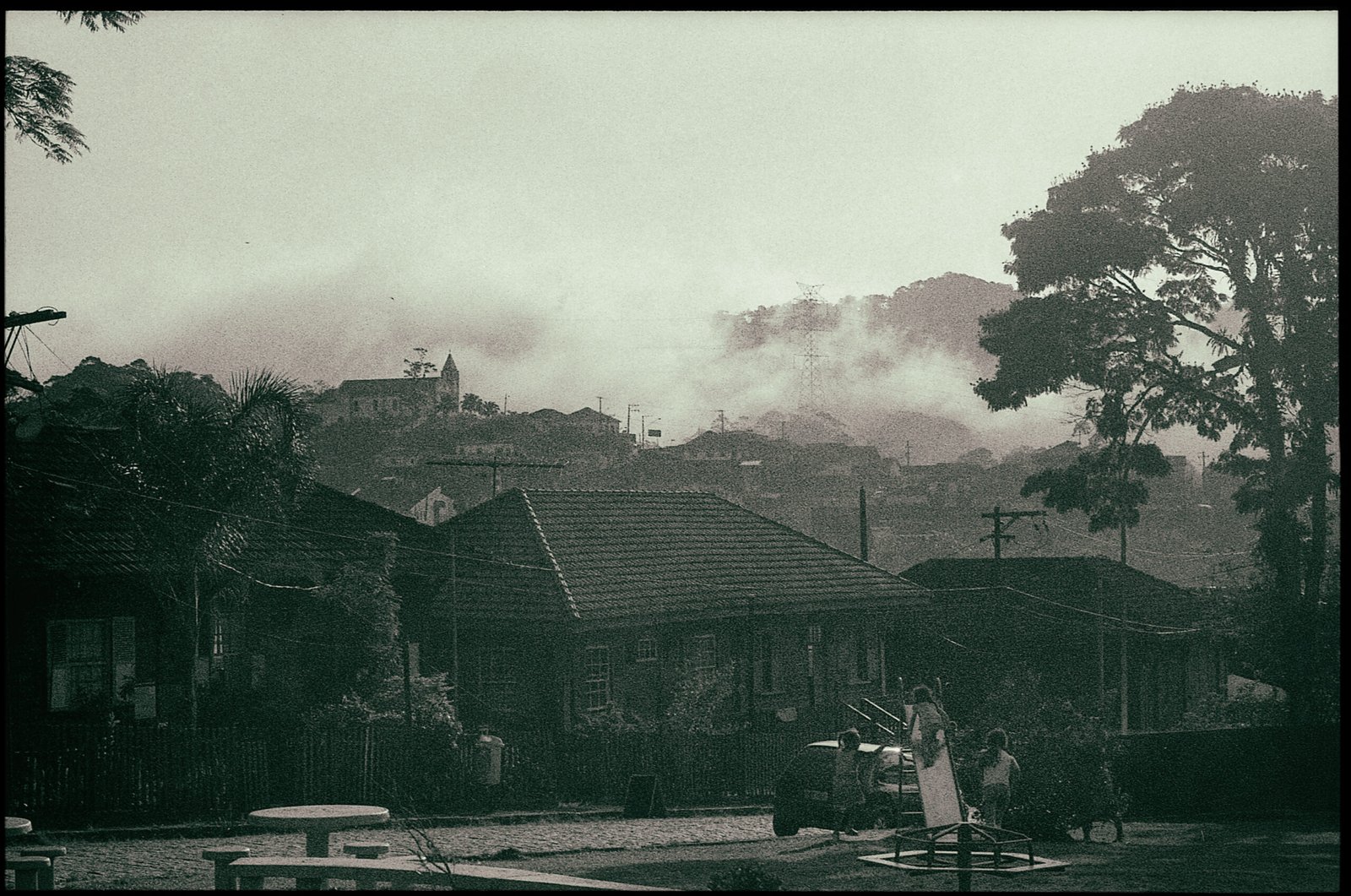
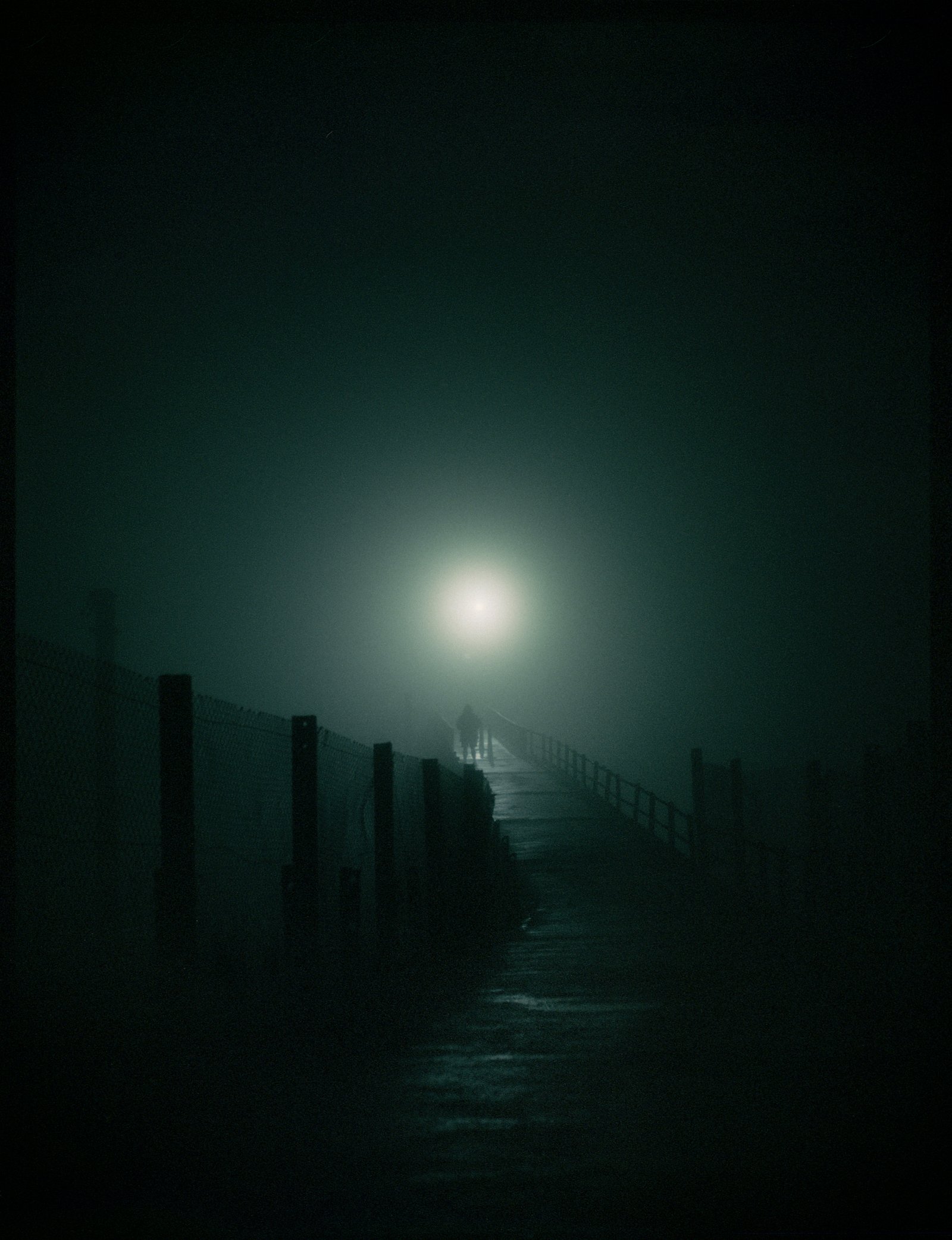
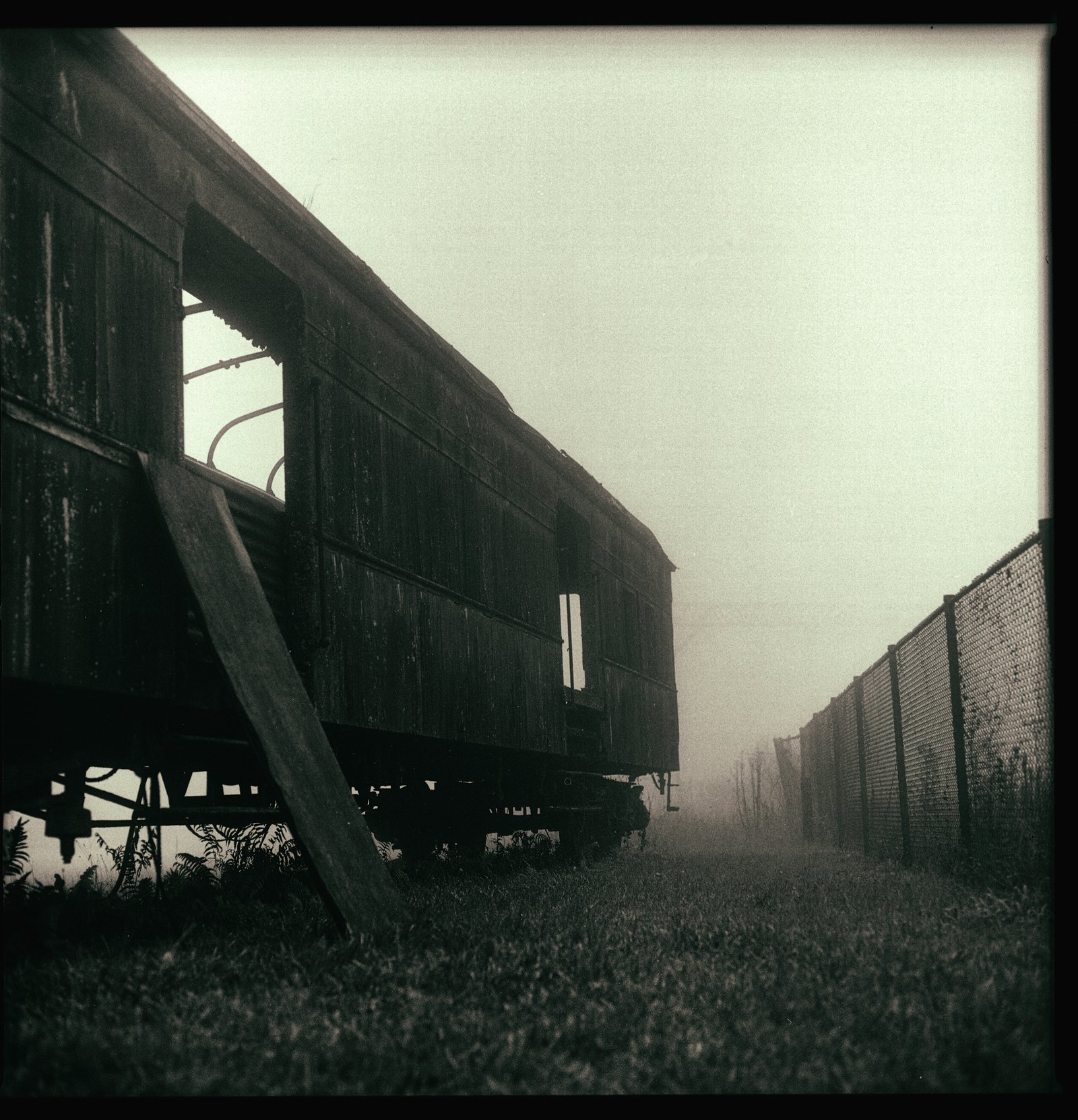
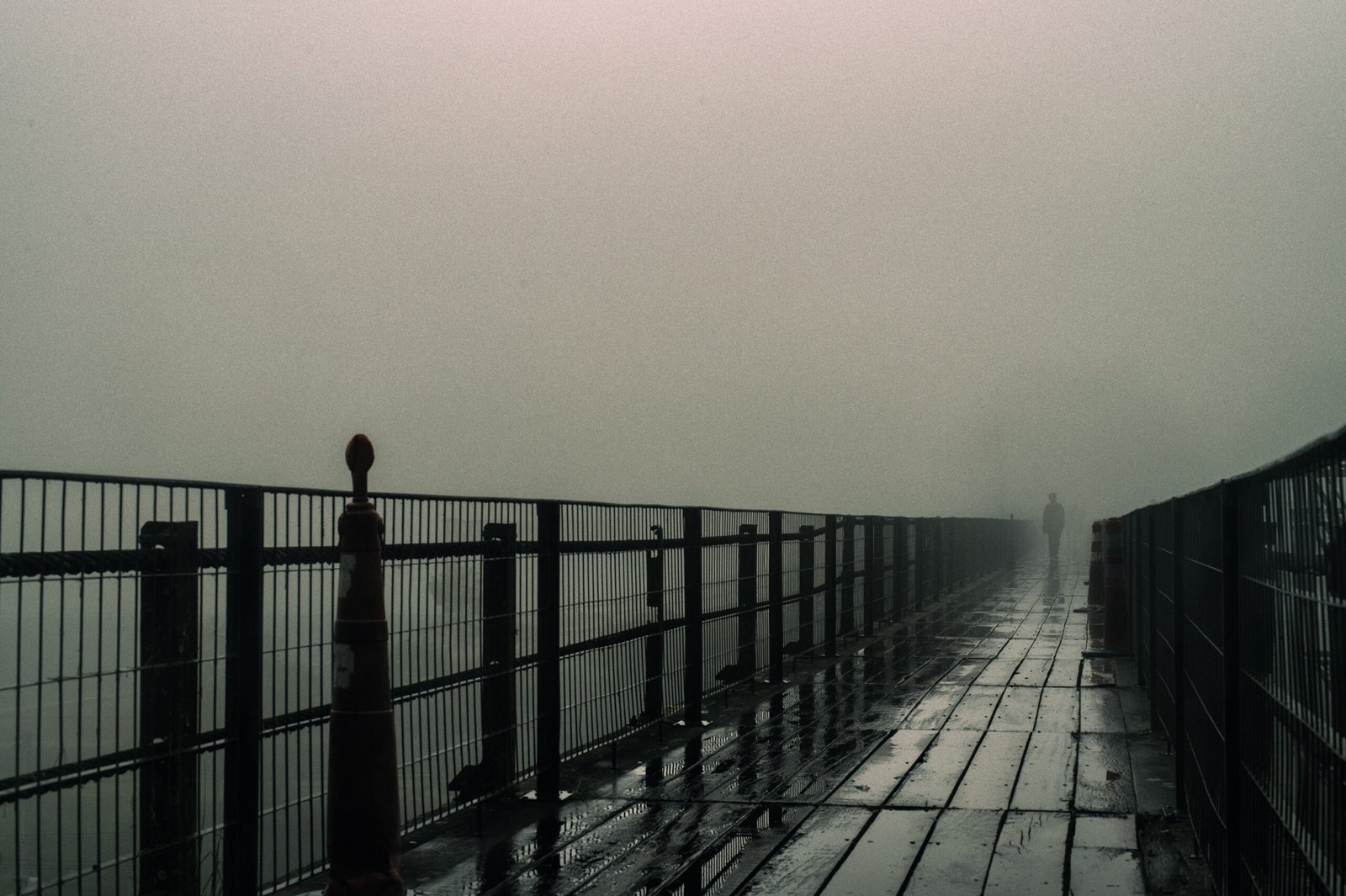
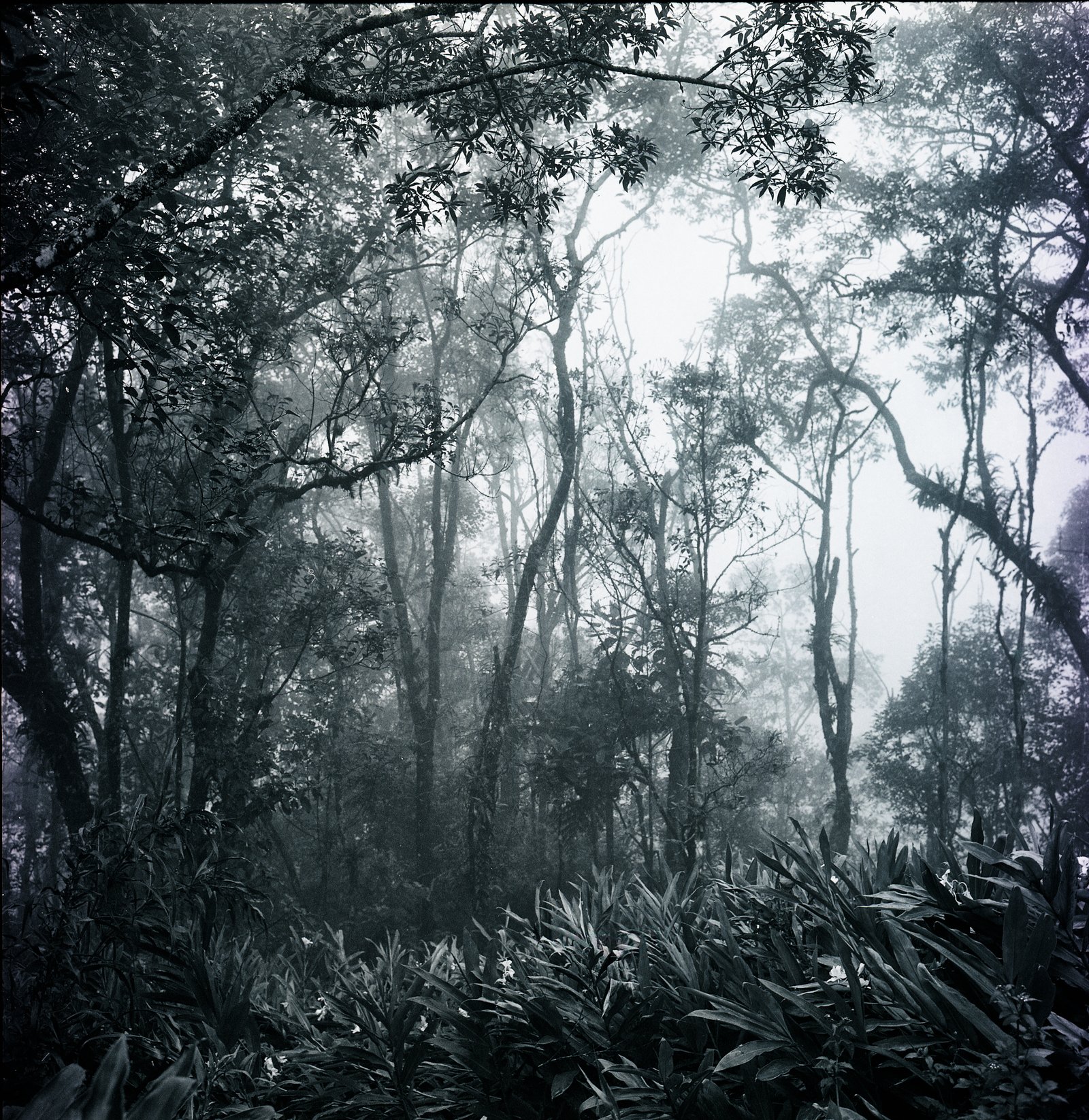
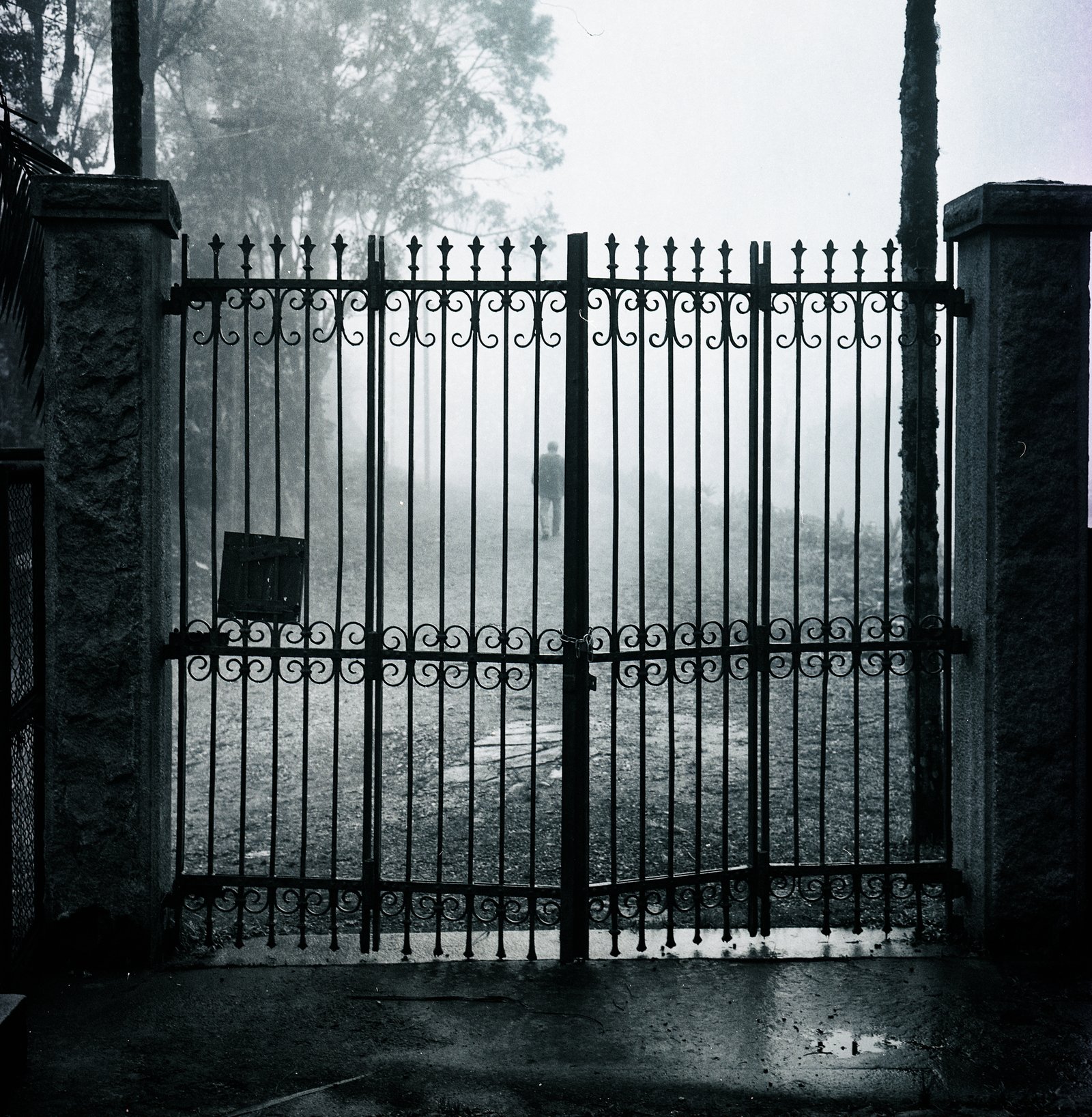
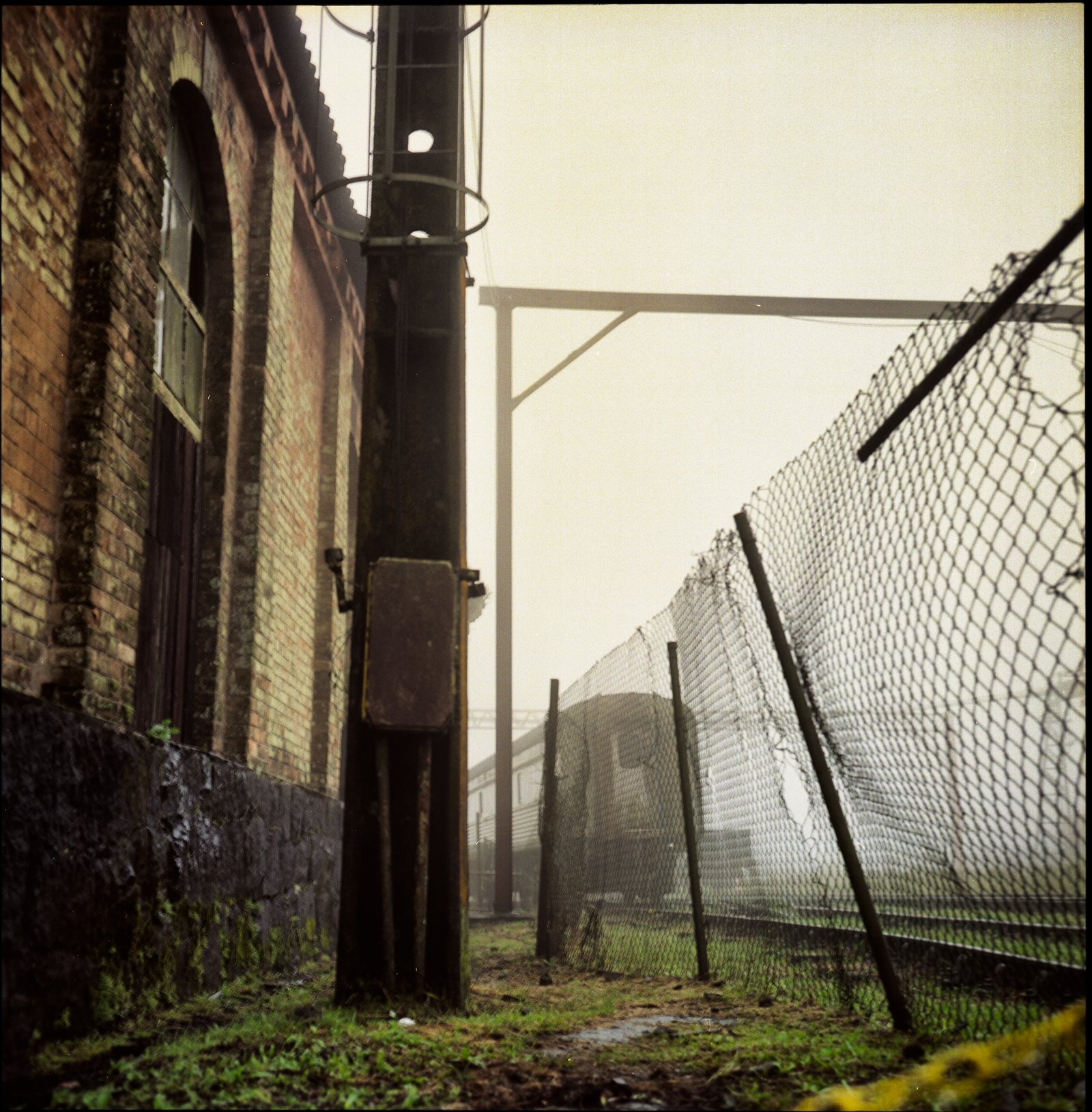
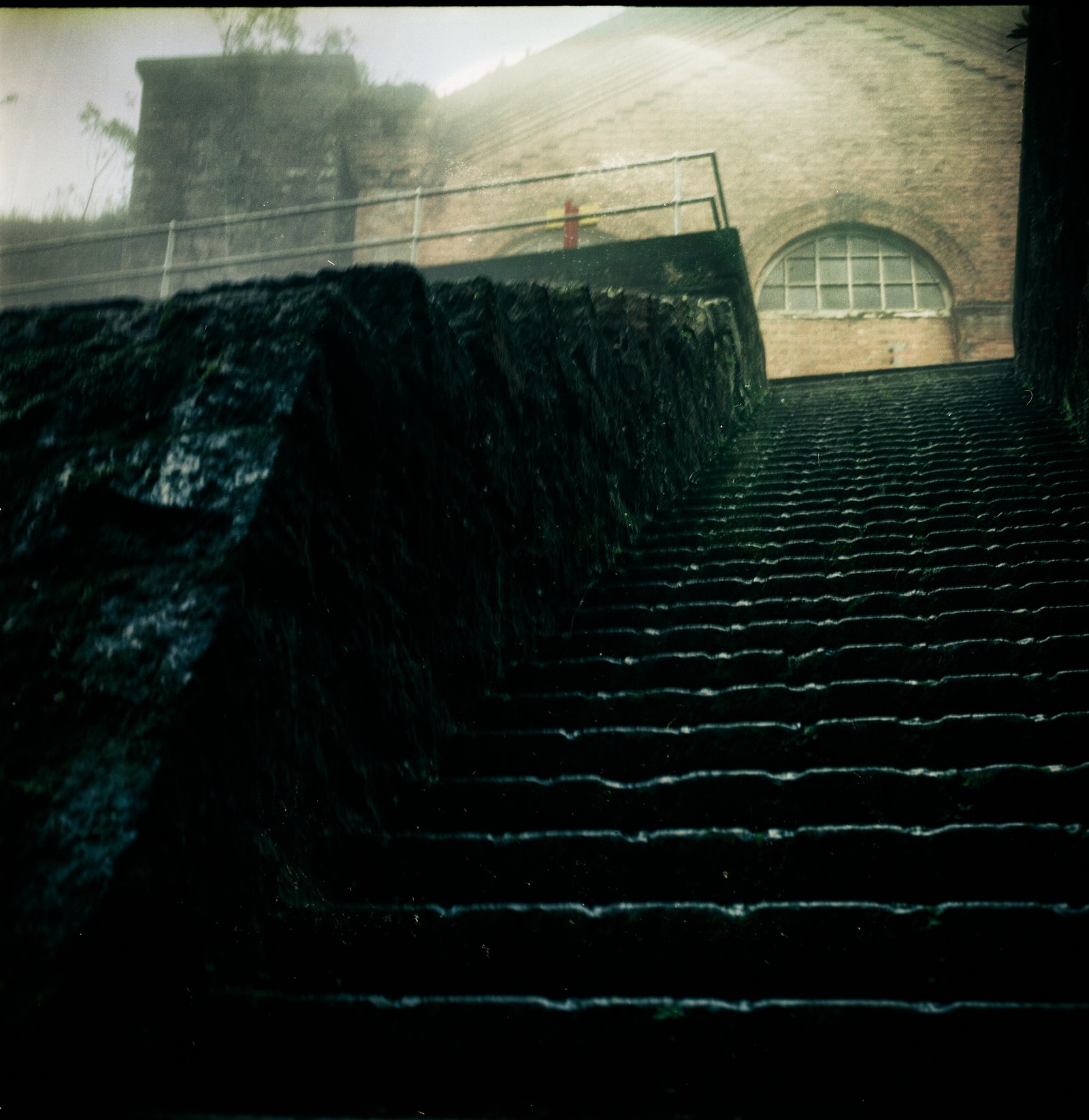
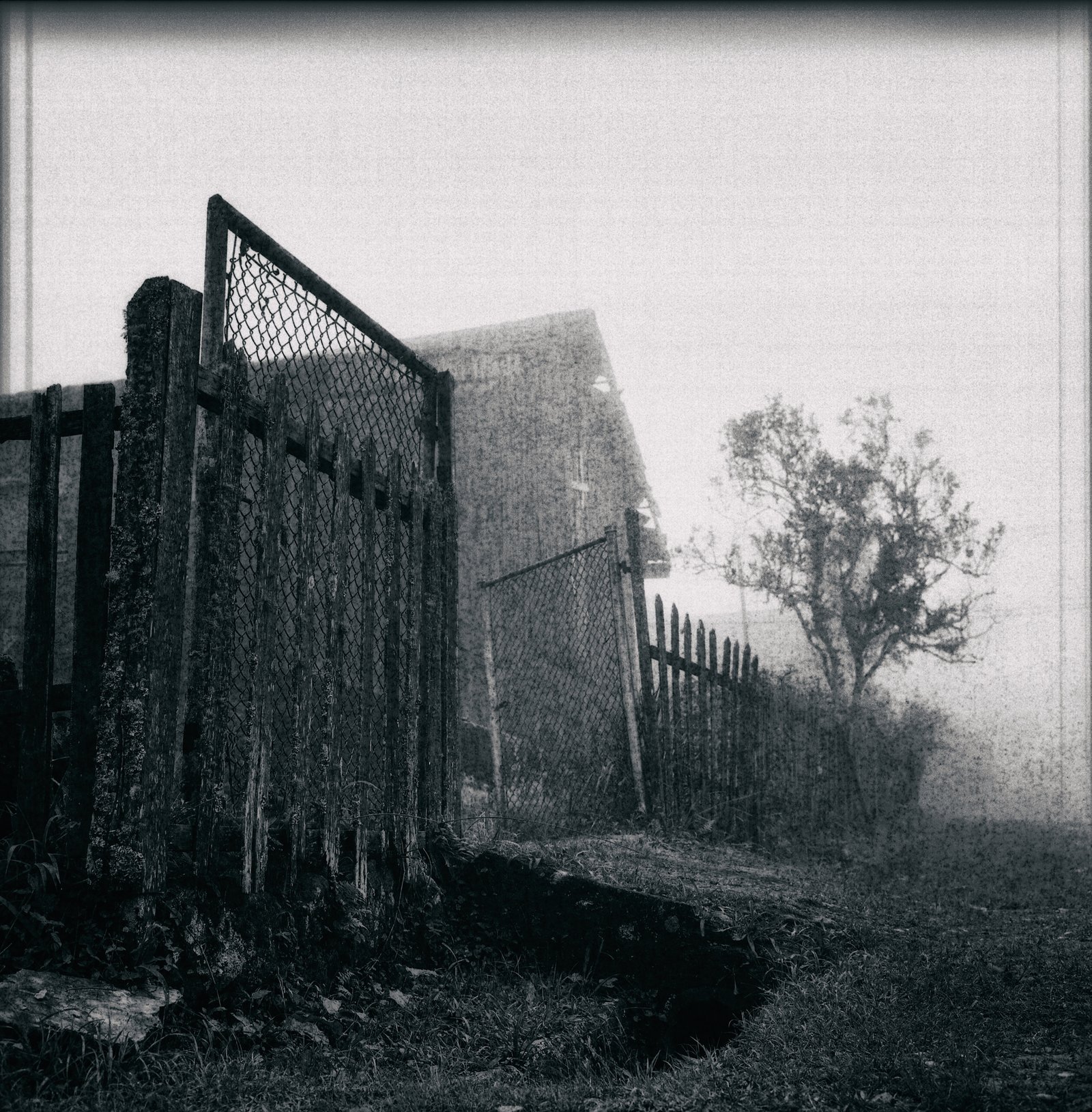
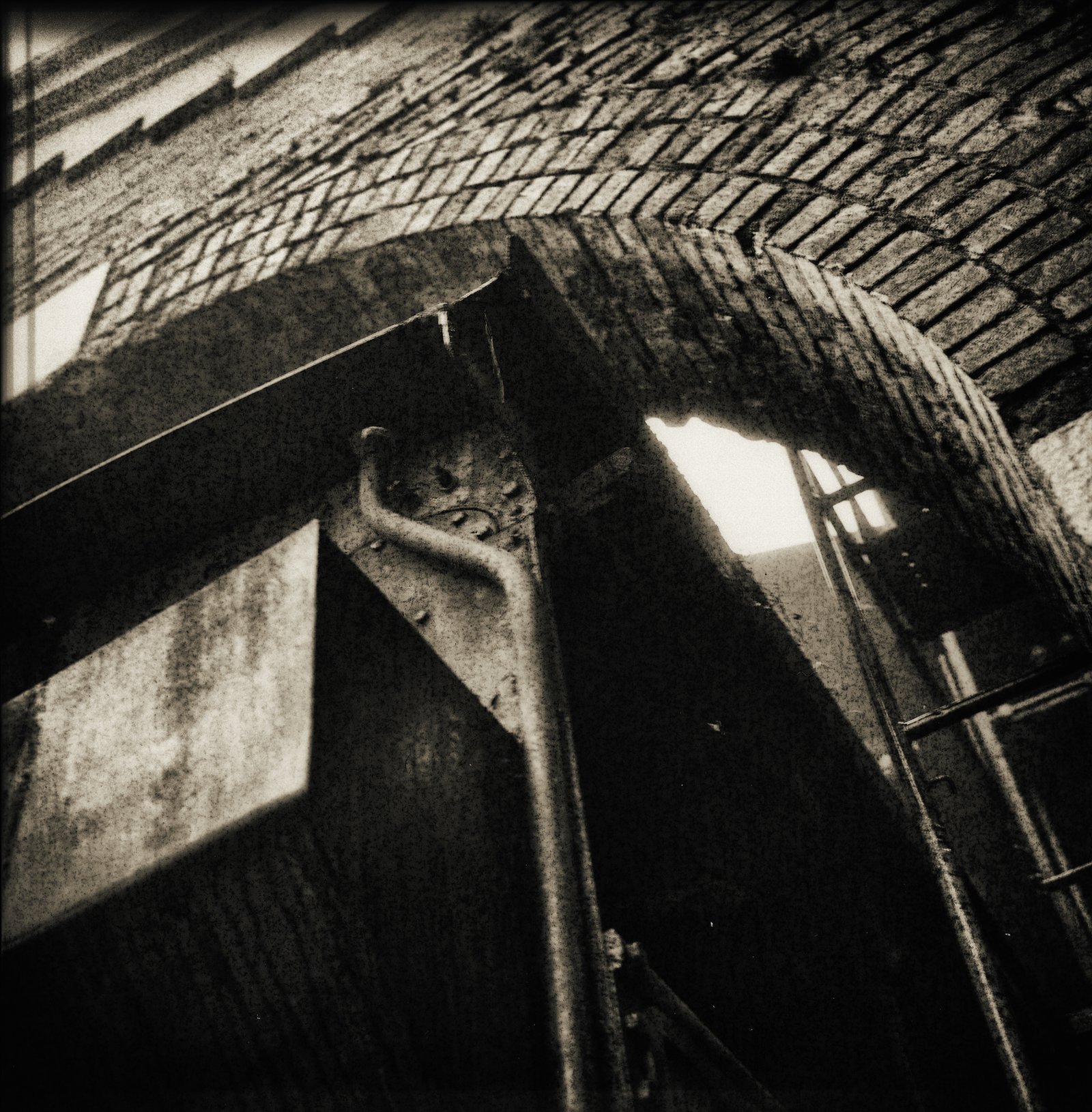
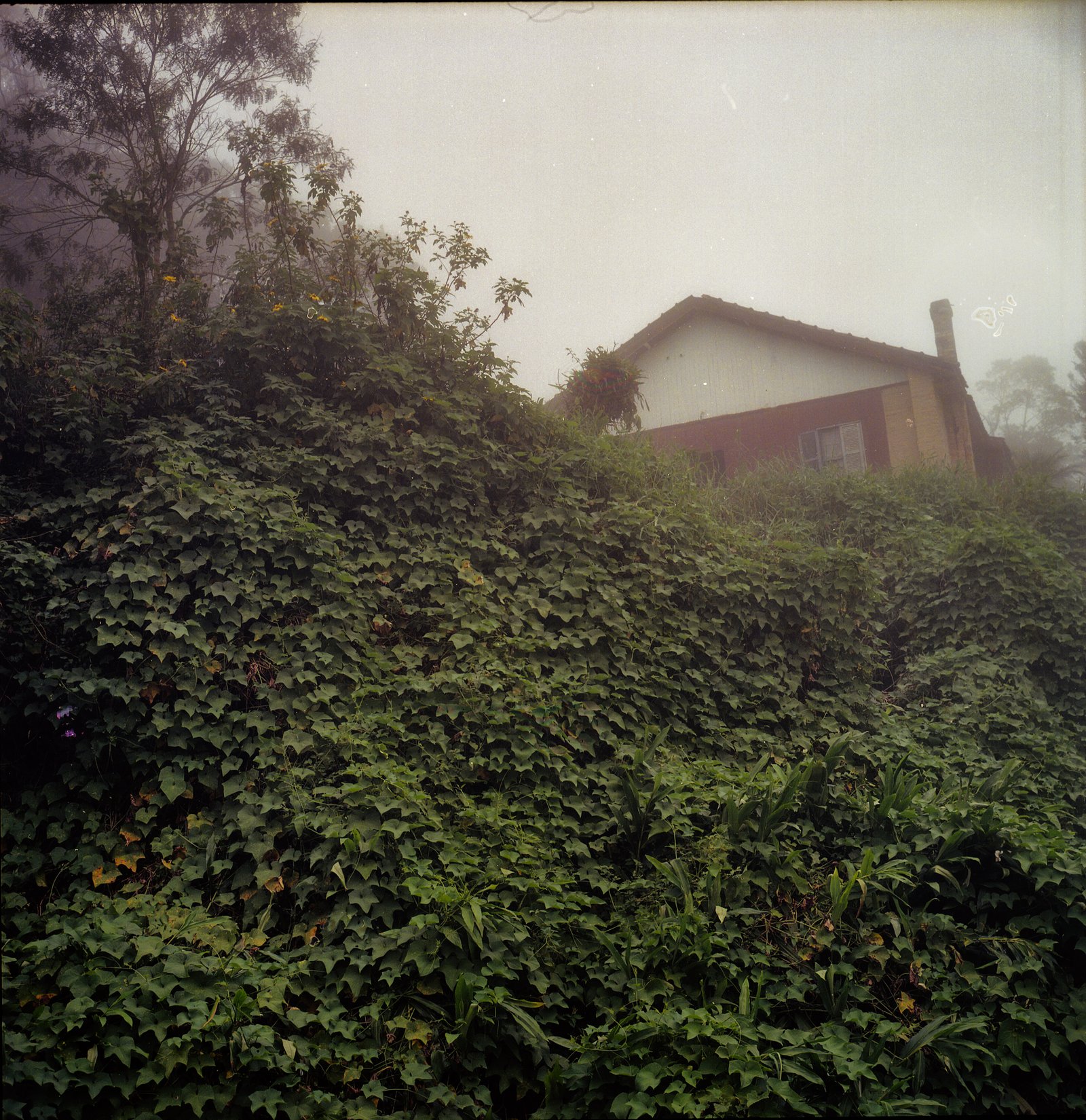
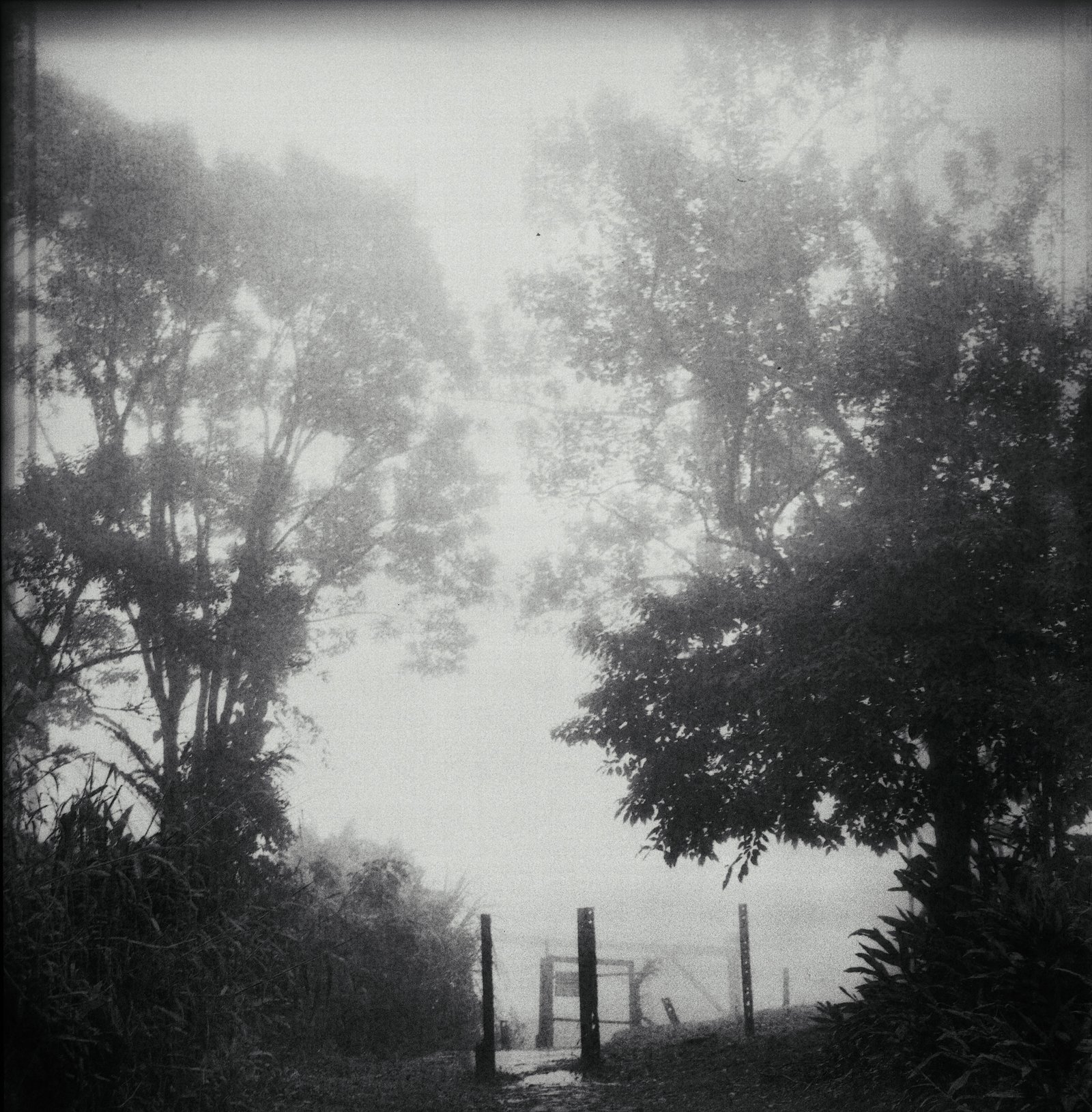
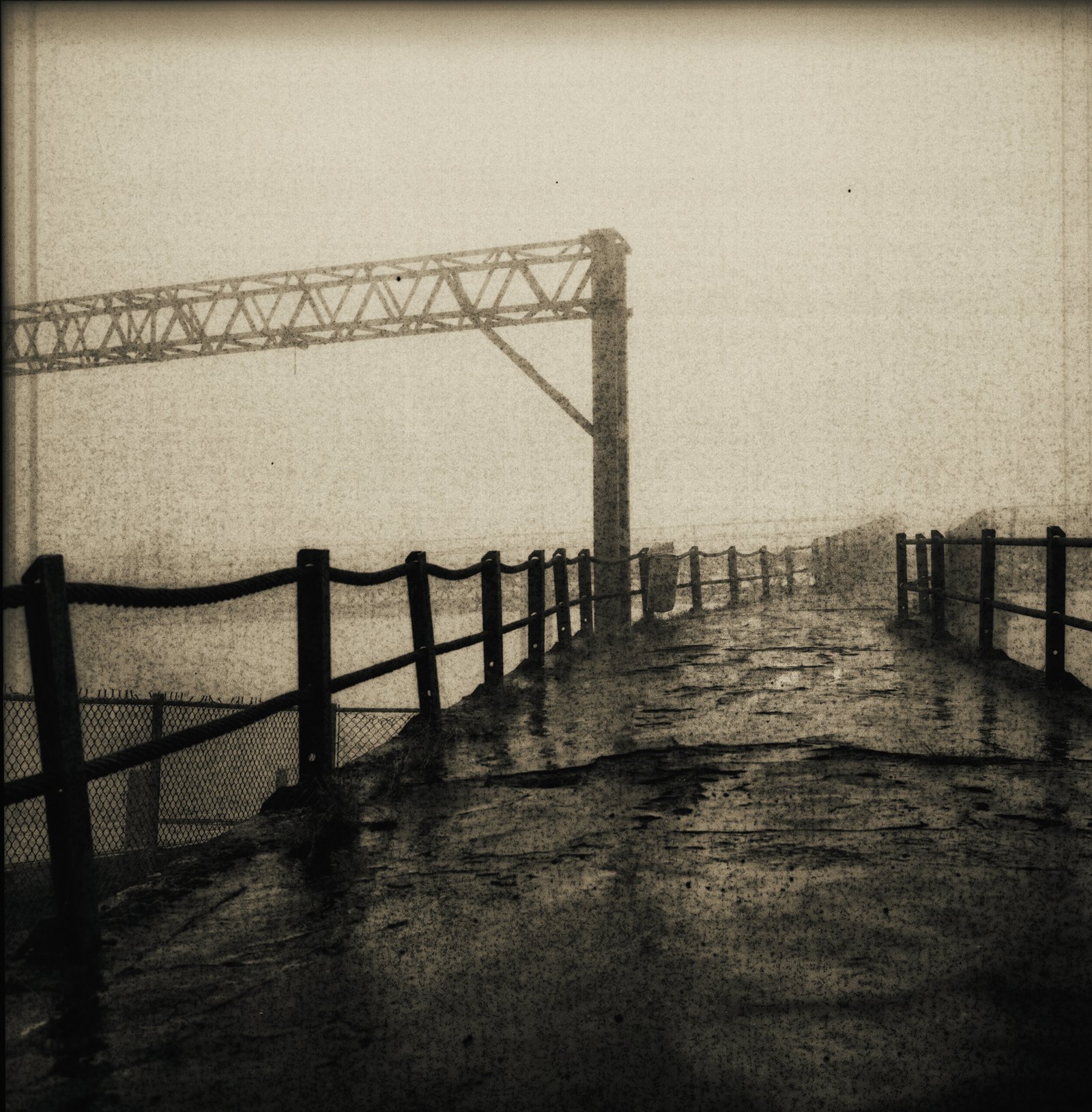
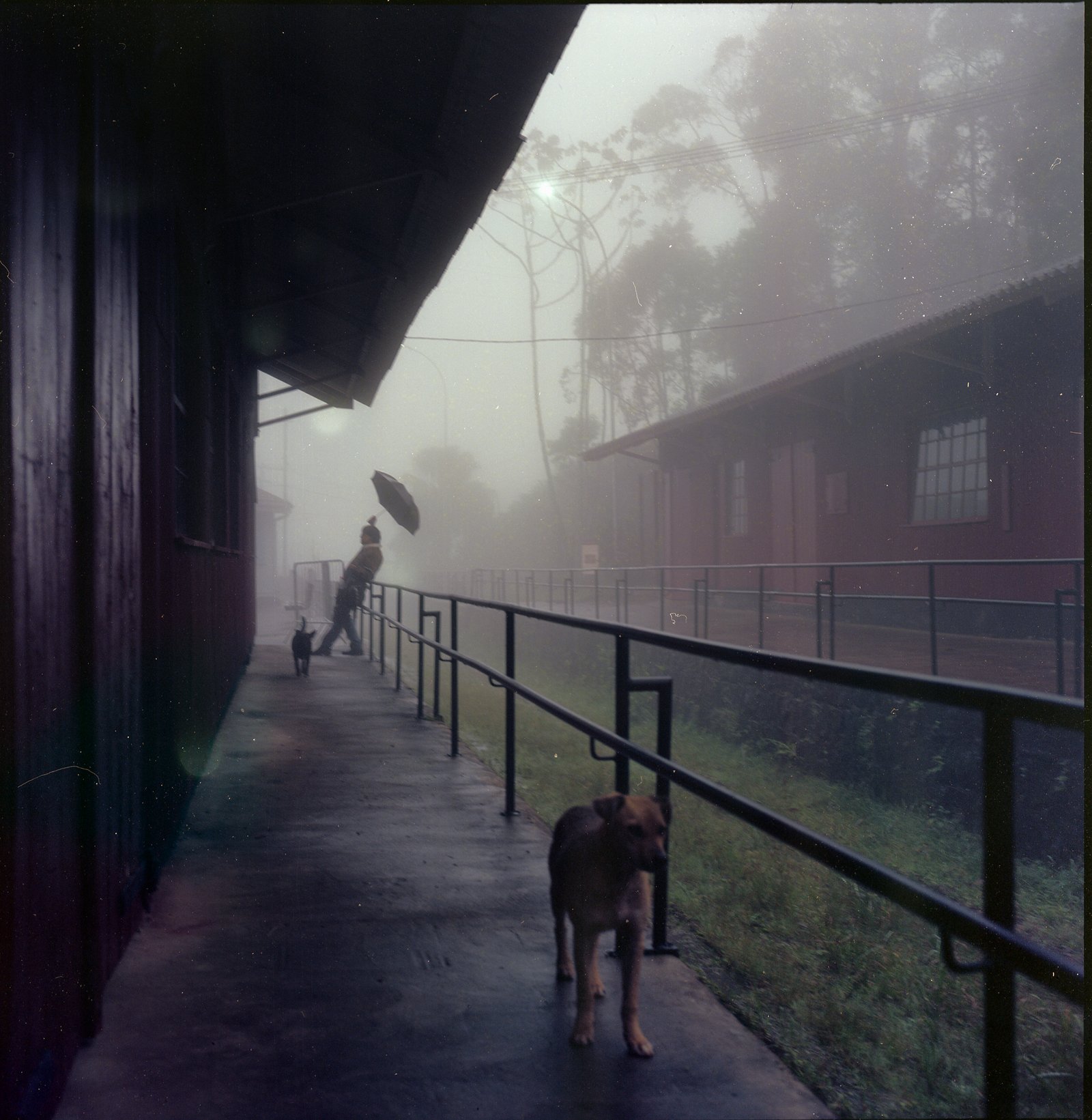
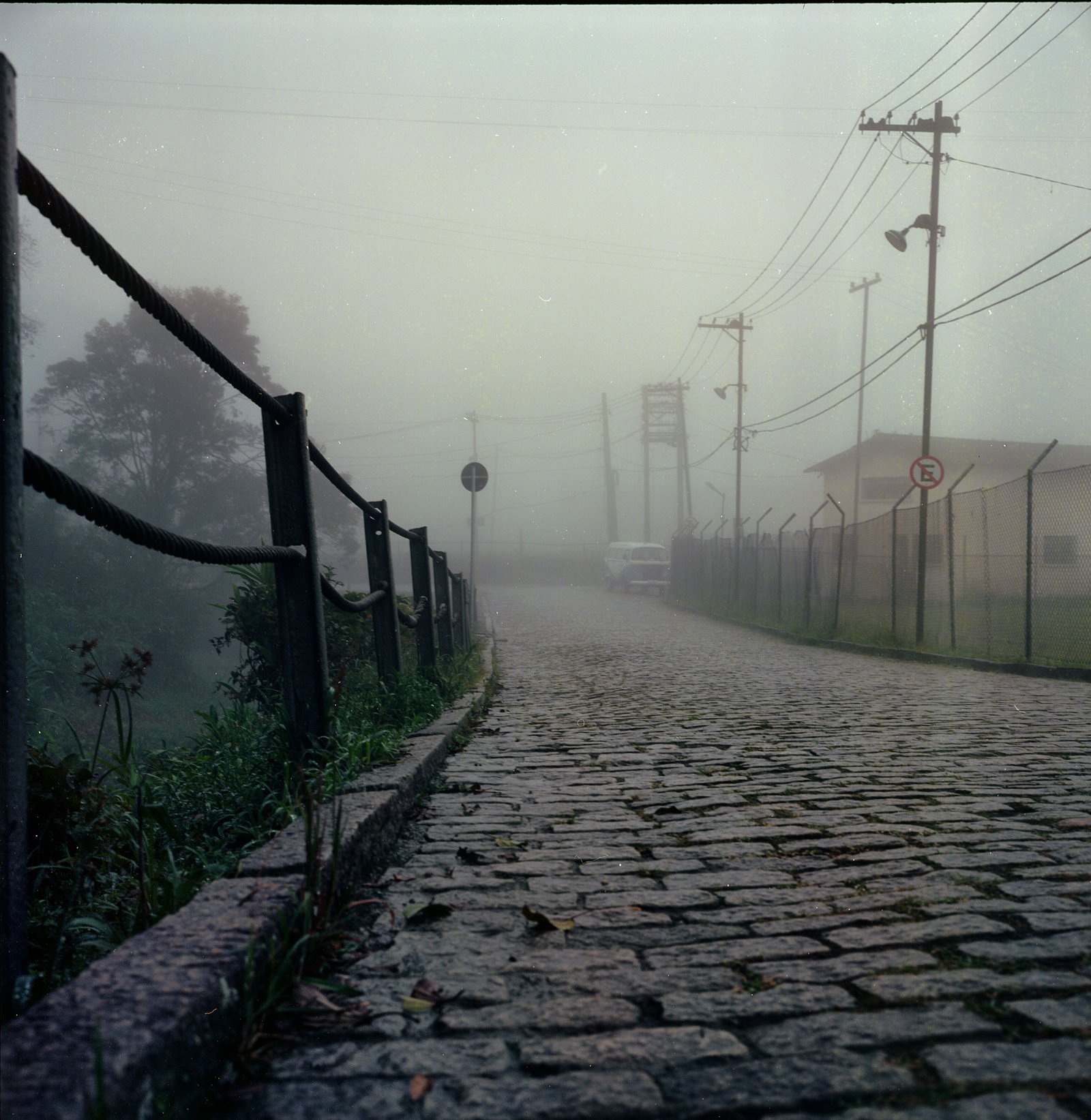
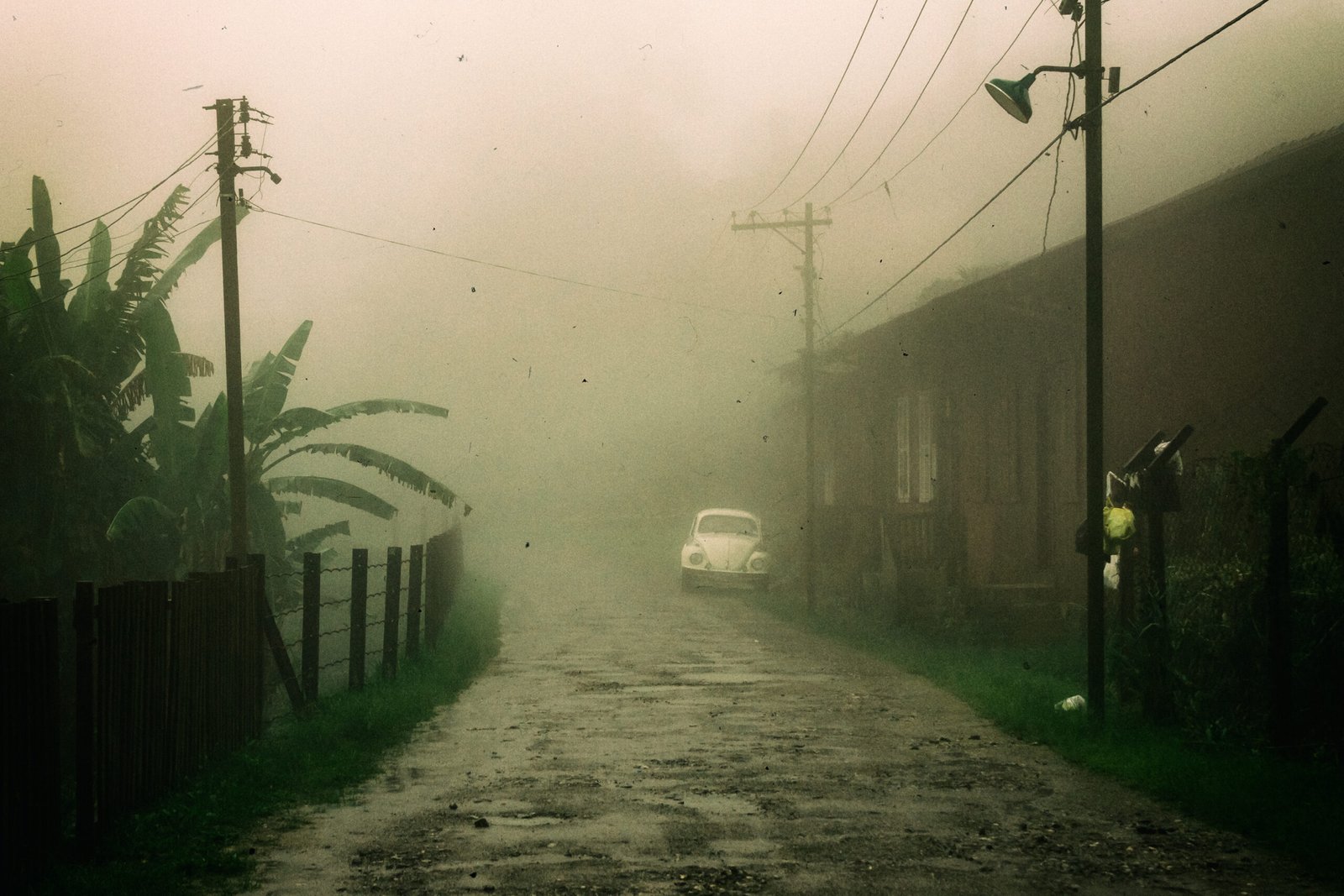
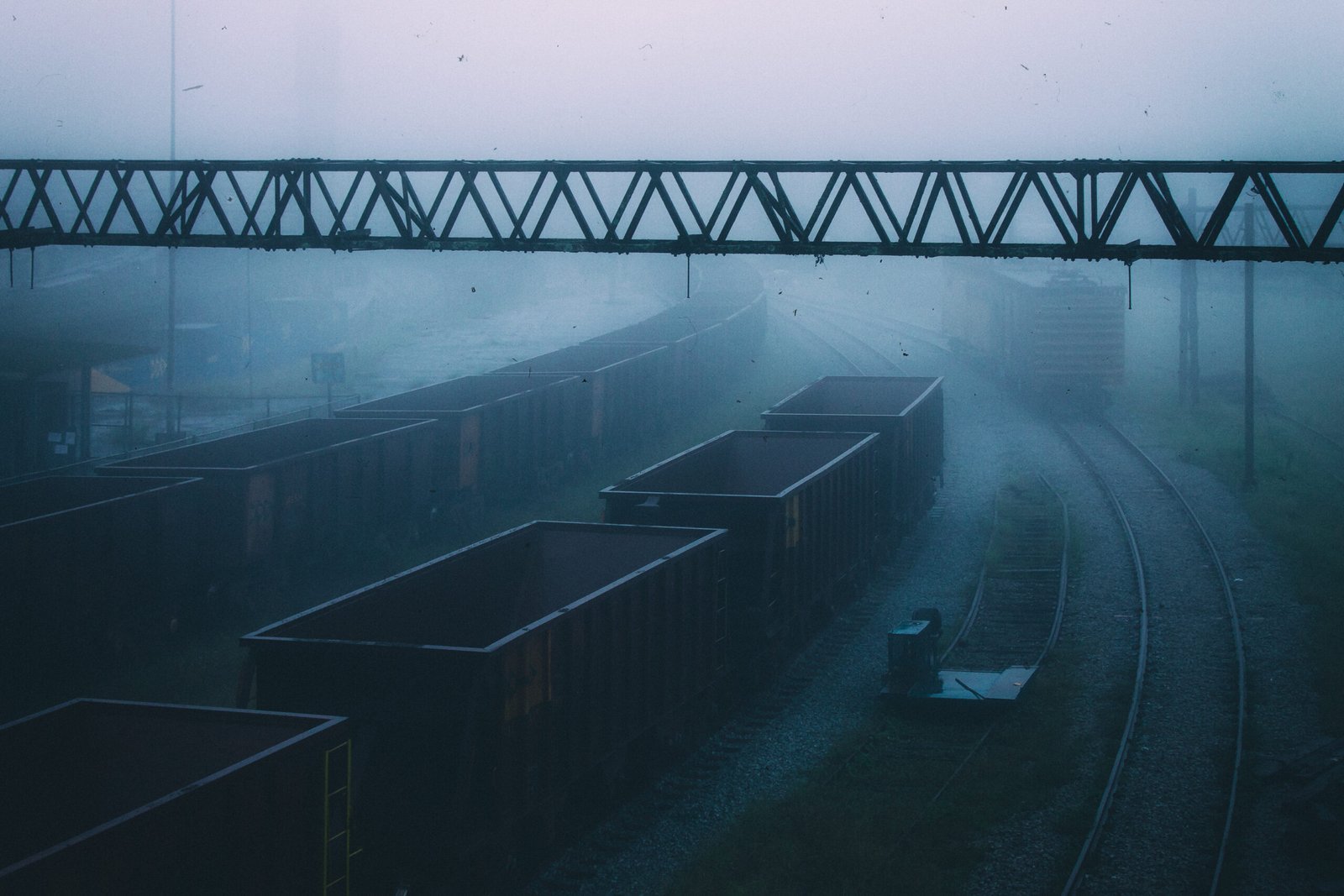
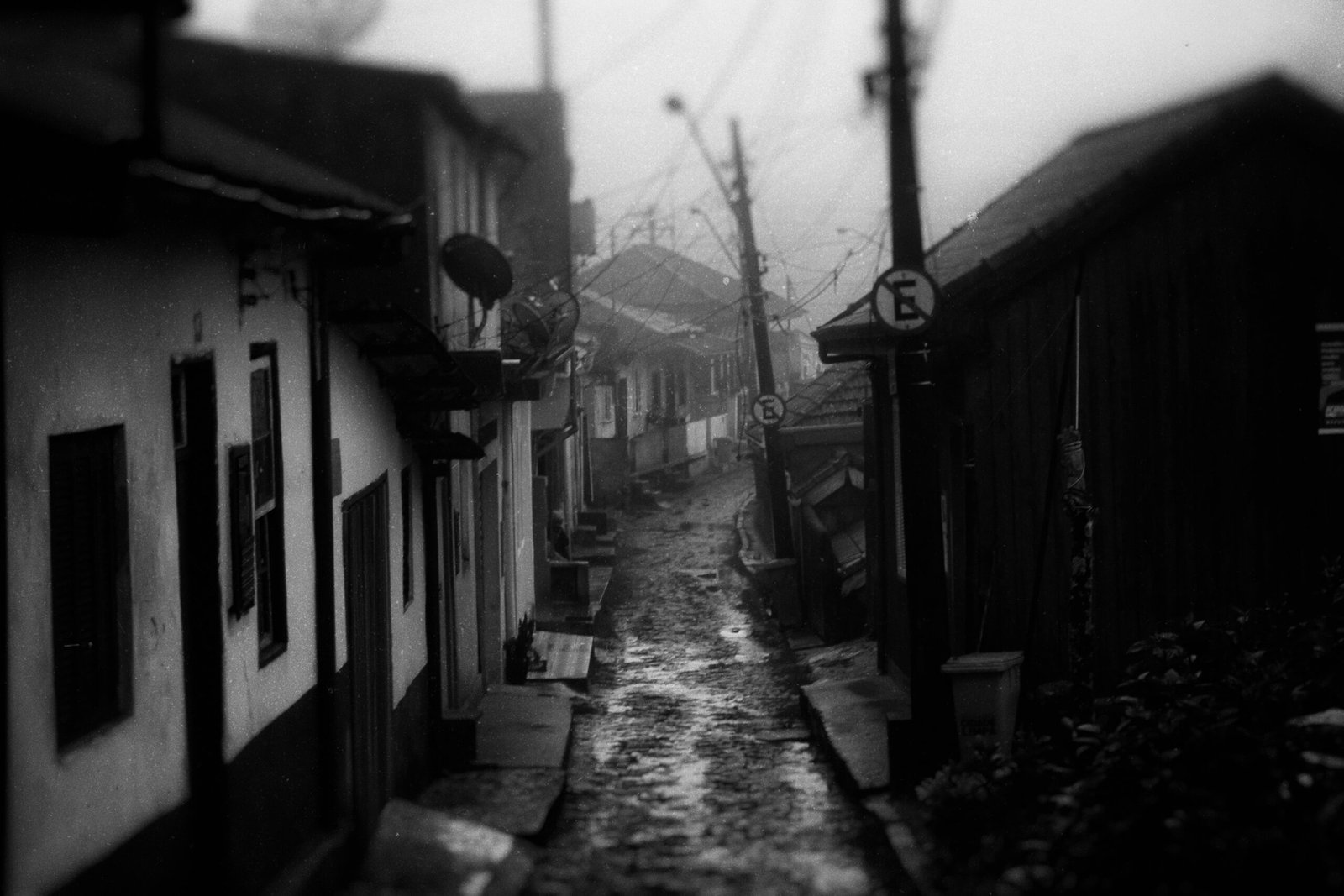
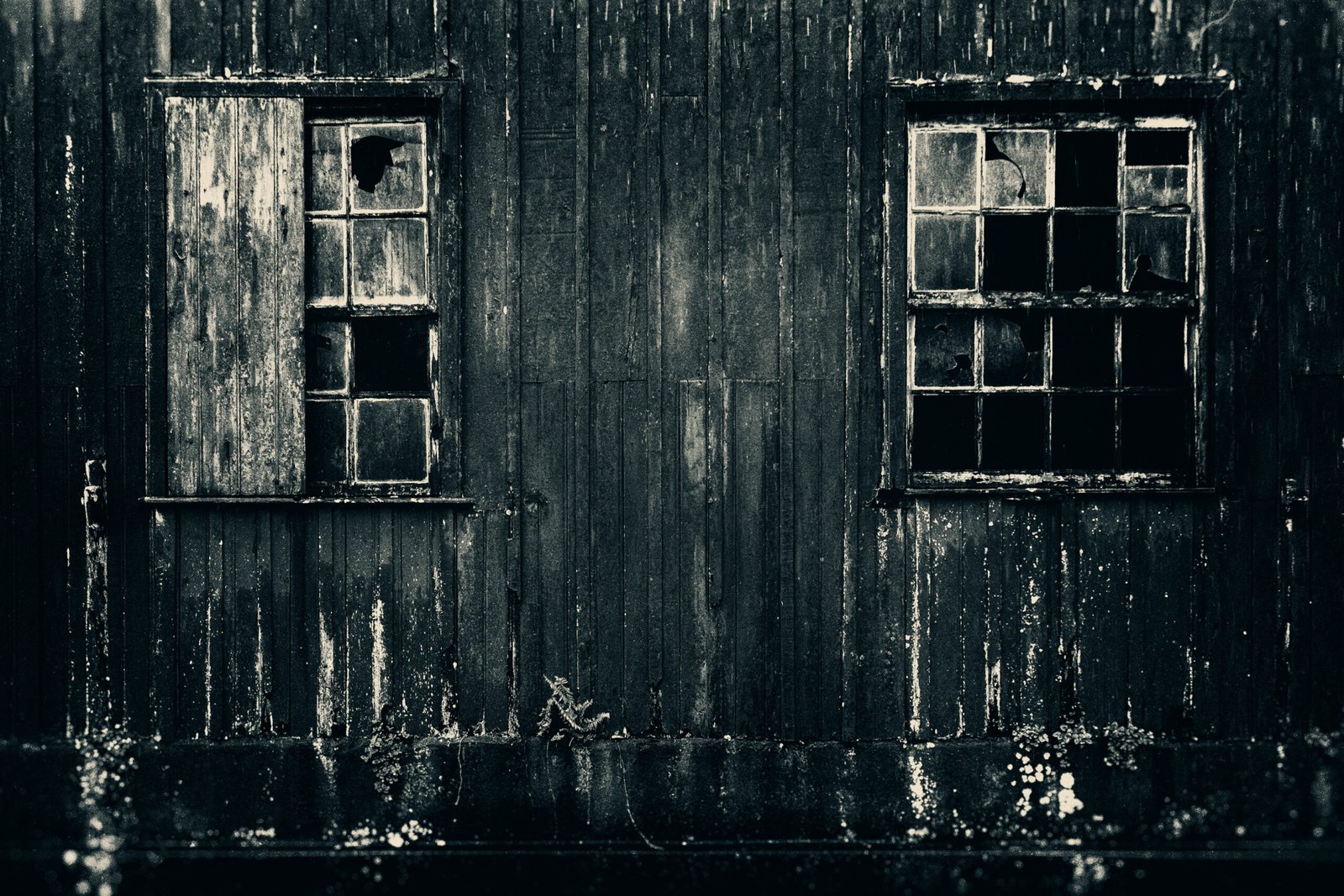
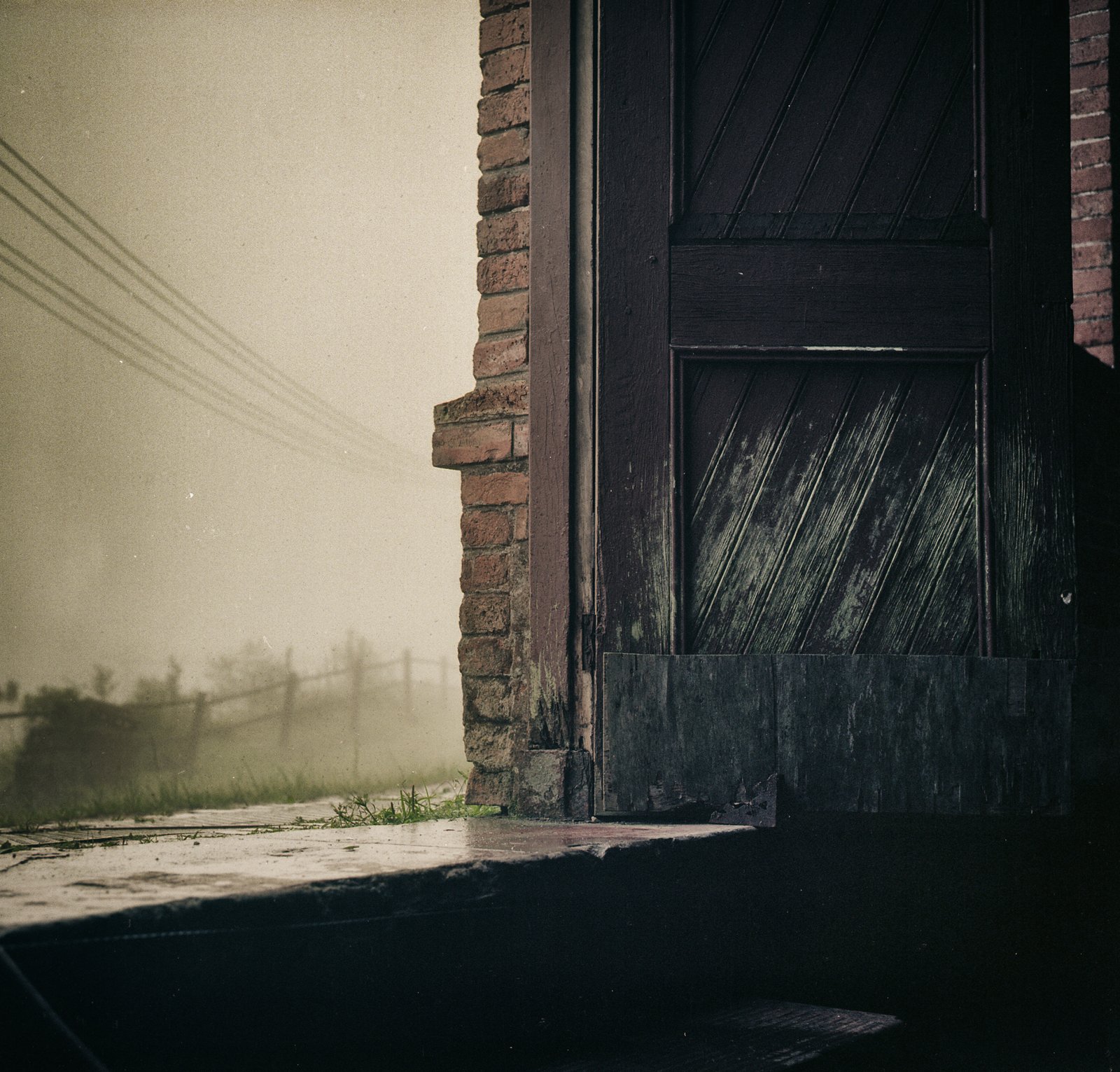
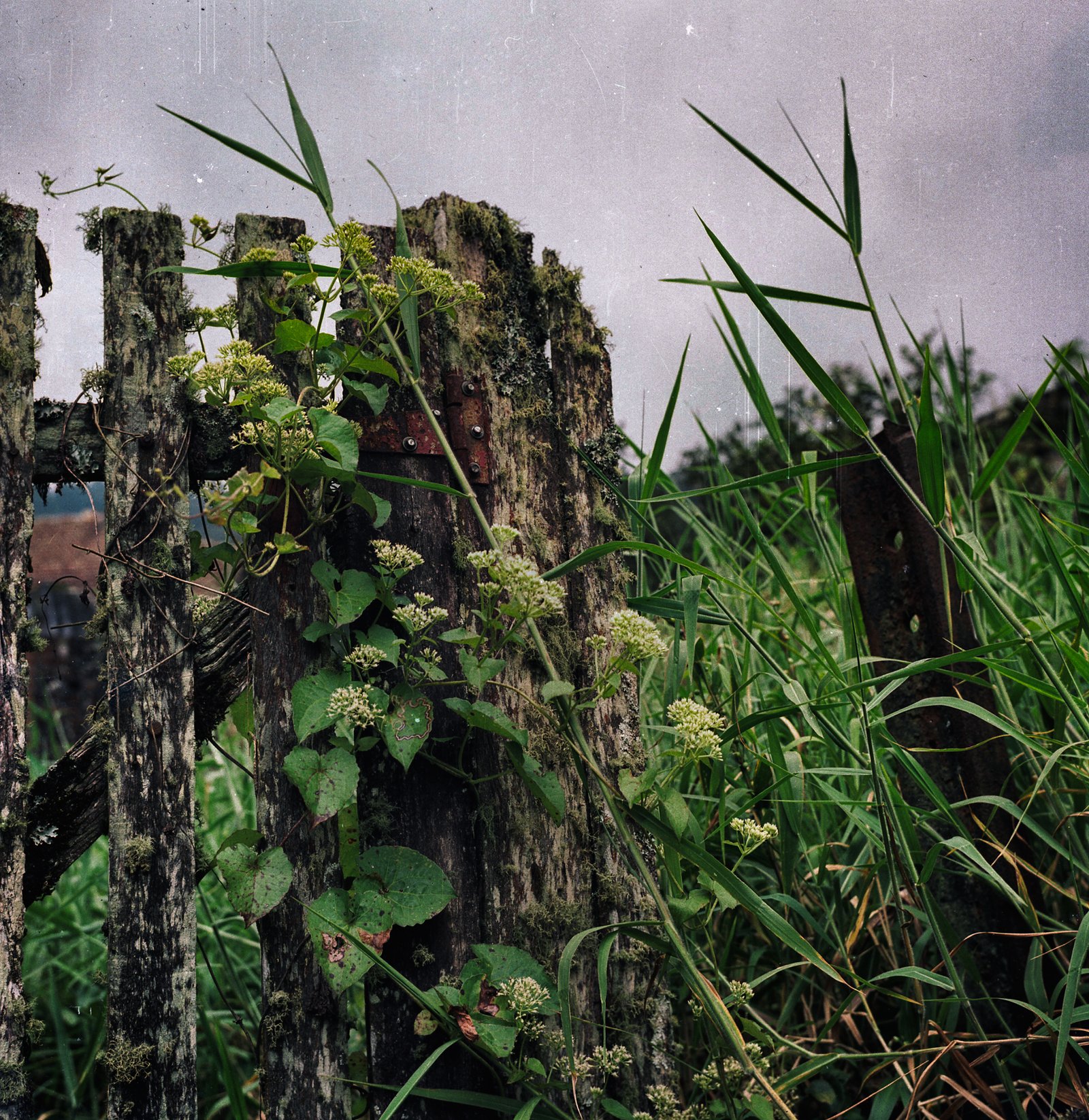
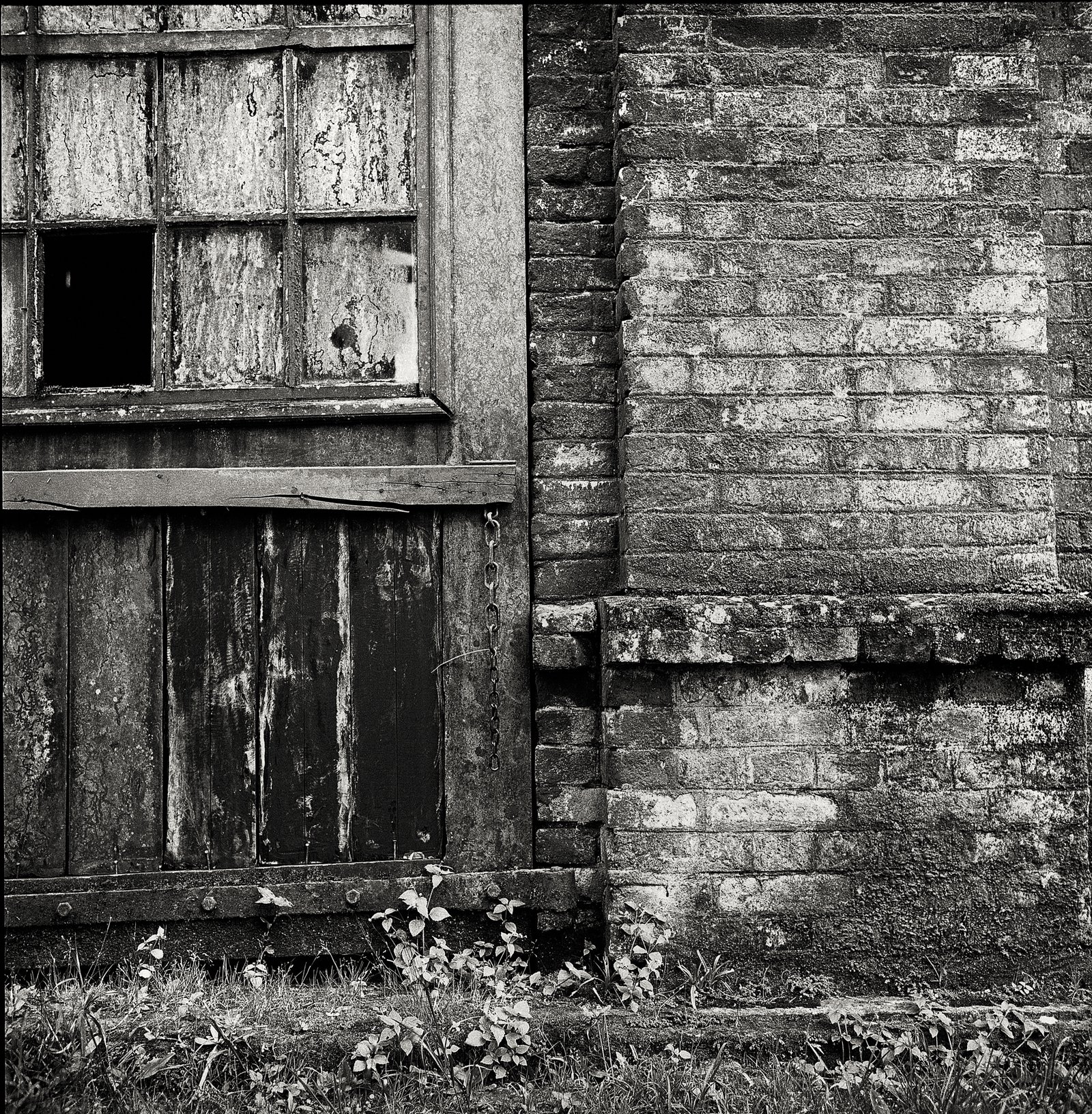
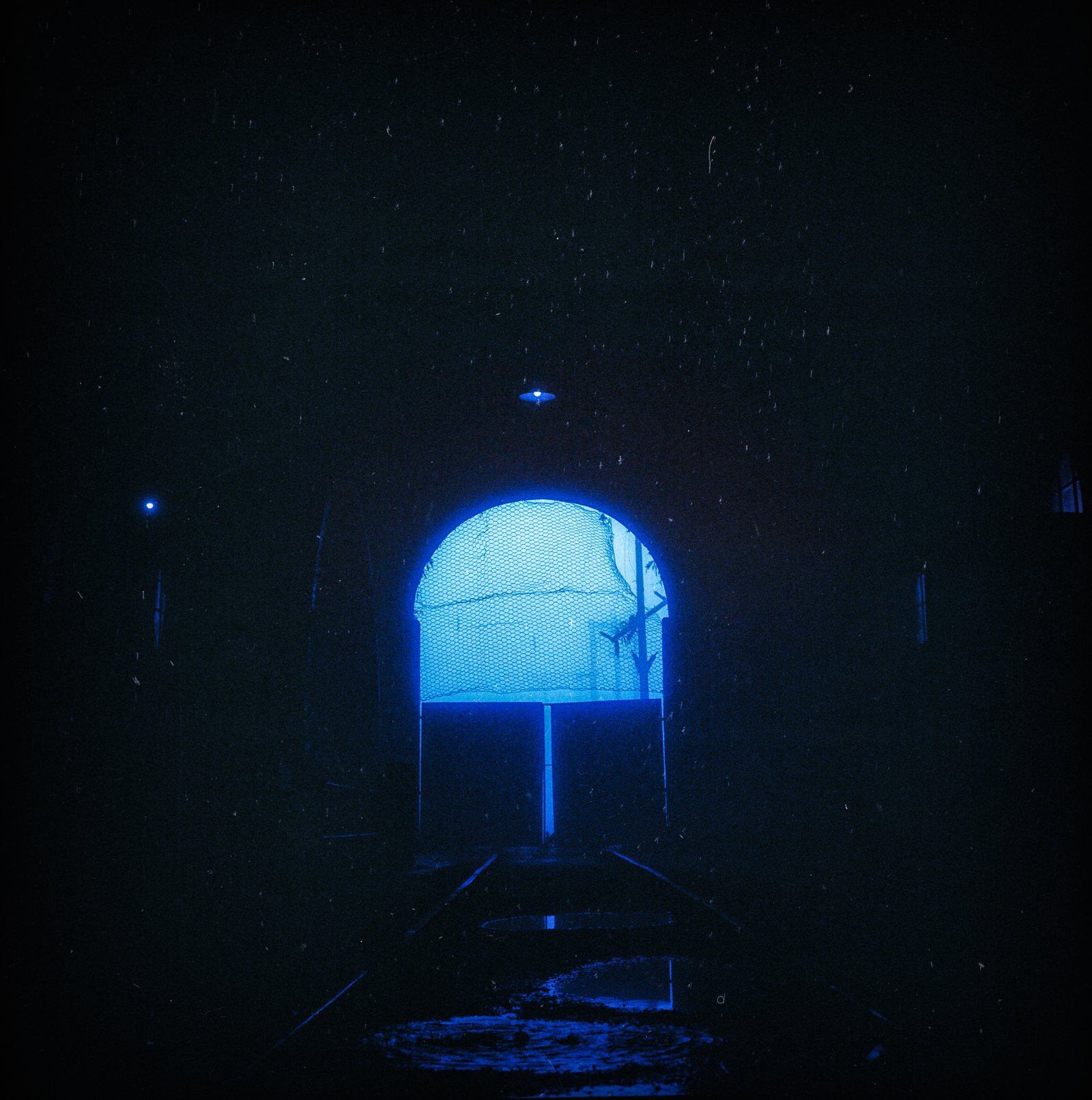
Paranapiacaba lies at the top of the Serra do Mar mountain range. There begin the cliffs that lead down to the plain, the sea, the city of Santos and its port. A key point in the railroad network that was built to export coffee produced by São Paulo state, Paranapiacaba had its golden age in the first half of the 20th century. Then came abandonment. With the country opting for road transportation, Paranapiacaba was no longer a passageway for anything, it was no longer a destination and fell into oblivion. Not even cutting it down was worth anything and it practically died standing.
Today, its English-style wooden houses, platforms, tracks, bridges, abandoned locomotives and imposing clock tower have been rediscovered as something fashionable. It is used for some cultural events and more attempts are being made to develop tourism.
Marcello Lemos graduated as an architect in 2020 and couldn’t have chosen any other topic for his Final Project than Paranapiacaba. It was a long-standing relationship, as he had visited the railway town when he was 12 on a school trip. From then on, he started looking for books about the history of the place, about the São Paulo Railway and as a teenager he made the town his favorite place to walk. The Final Project was therefore an option that combined his affection for the place, a desire to preserve it from destruction by time and the skills of an architect in directing the use of human spaces.
This beginning is like the plot of a multitude of projects to restore places that at some point lost their raison d’être and were left behind. But this desire to save the past brings with it a contradiction that emerges in the photos in this exhibition.
As an obligatory part of contextualizing the project, Marcello tried to select photos he already had, from his countless previous visits, and produced others that together should be able to expose the current state of the Paranapiacaba railway village. For his final project, it would be the “before” in photos, followed by the “after” with floor plans, elevations and realistic renderings of the views and details of the revitalization project.
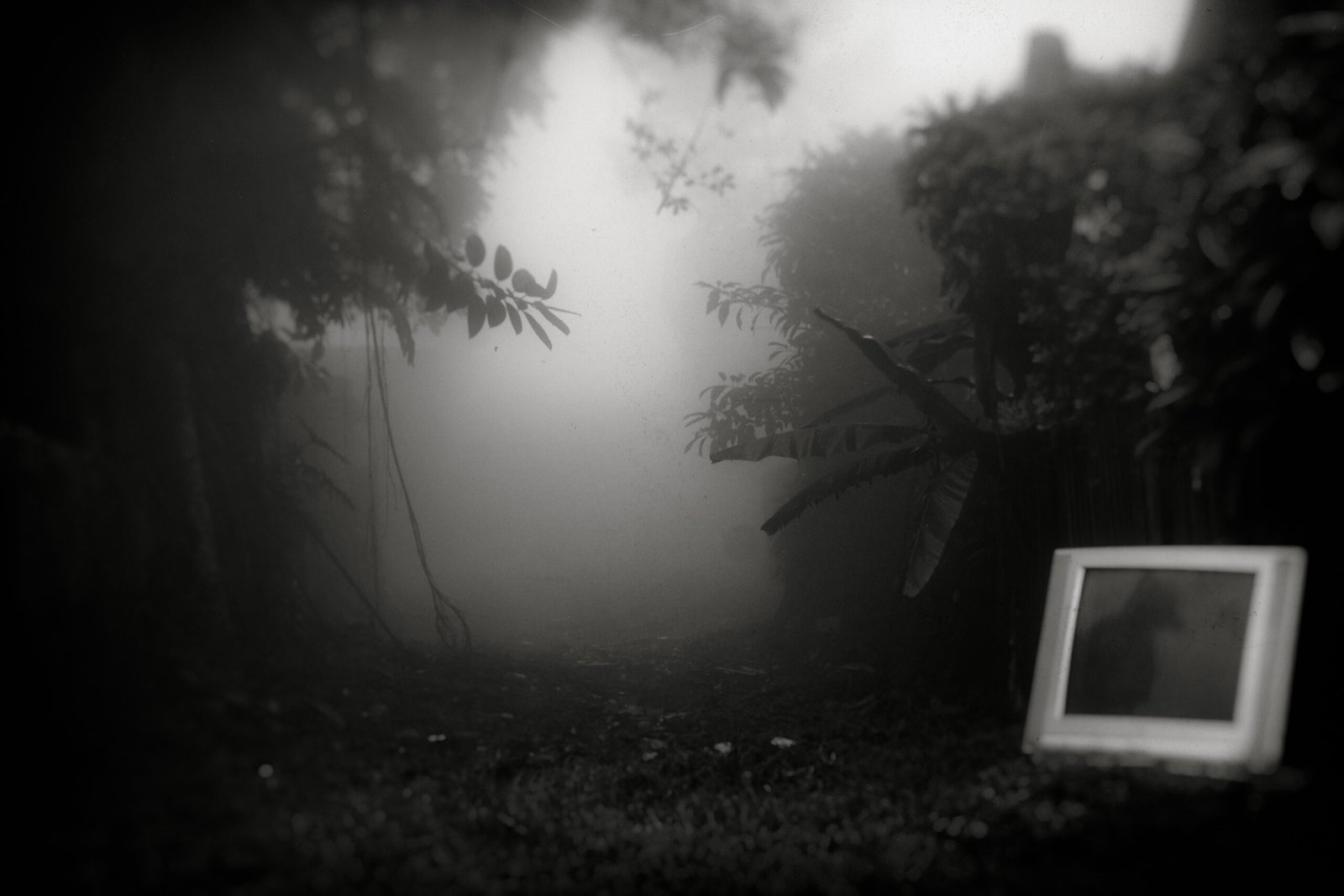
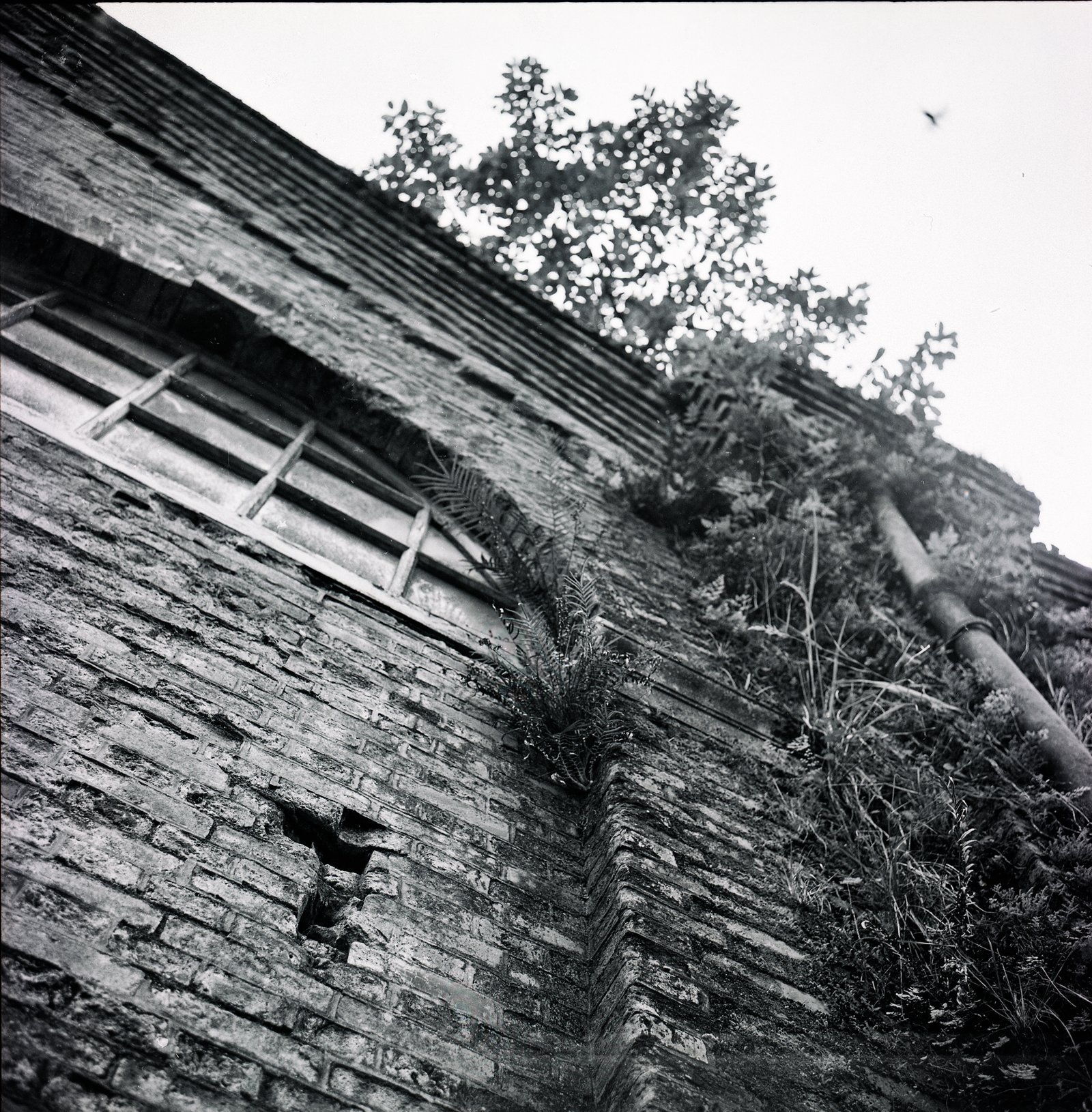
These photos were supposed to be didactic in the sense that they would give a clinical, informative view of the layout and situation of the buildings and equipment in the village. But it was there that the artist’s dense emotional relationship with the place shifted the focus away from the documentation that would have been the architect’s task. The photos in the exhibition are more about the monumental silence with which suffocating vegetation and the mist that falls almost every afternoon have been devouring everything, year after year. Depending on them alone, the day will come when there will be nothing left of what was once Paranapiacaba.
Marcello Lemos turned his walk through the ruins and precariousness of the village into a mute defense of the right to the solitary agony of forgotten spaces. It’s like asking for neither his nor any other recovery project to be carried out. Clearing away the undergrowth, restoring doors, walls and windows and painting them in vibrant colors, paving the floors, redoing the lighting, fencing off the machinery scattered around the place to prevent any accidents with selfies and finally filling the village with signs to guide the flow of tourists, is perhaps the village’s destiny. Maybe it’s the best thing for the population. But for the memory of the place, perhaps this is a crueler death than the one brought on by the voracious weather high up in the mountains.
The exhibition invites us to think about this contradiction. In the images, the town still appears haunted by oblivion, but precisely because of this: alive in its own way. Marcello recounted in images this intense experience with a Paranapiacaba still struggling with time, but still proud of its past and still extremely beautiful, even in its old age. Revitalization is necessary, but it will be the end of all the ghosts that still live amid the silence and fog.
Wagner Lungov