Joanópolis | Décio Badari
Solo Exhibition: March 1 – 31, 2026
click on the photo to see it in a light box.
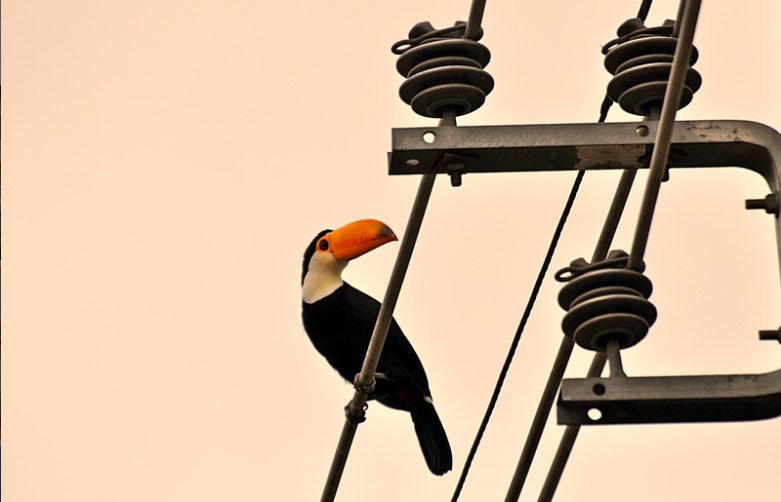
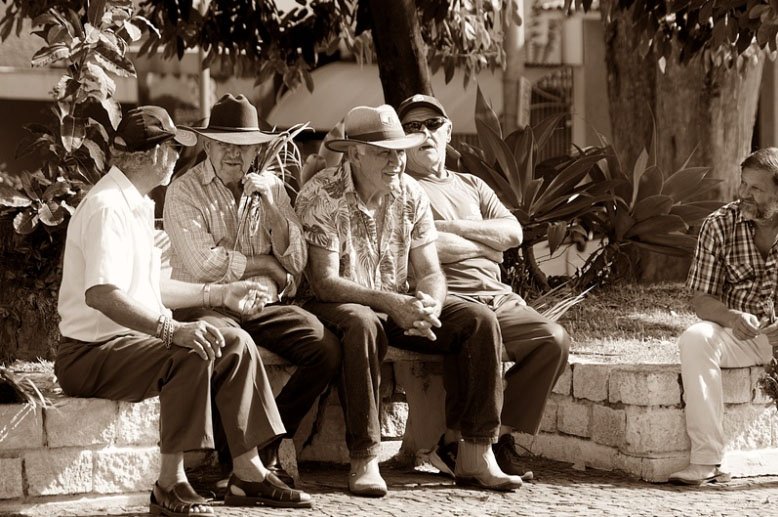
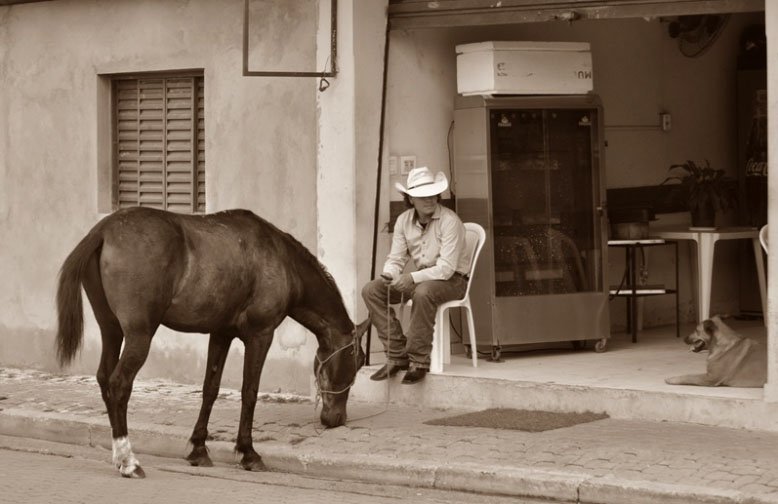
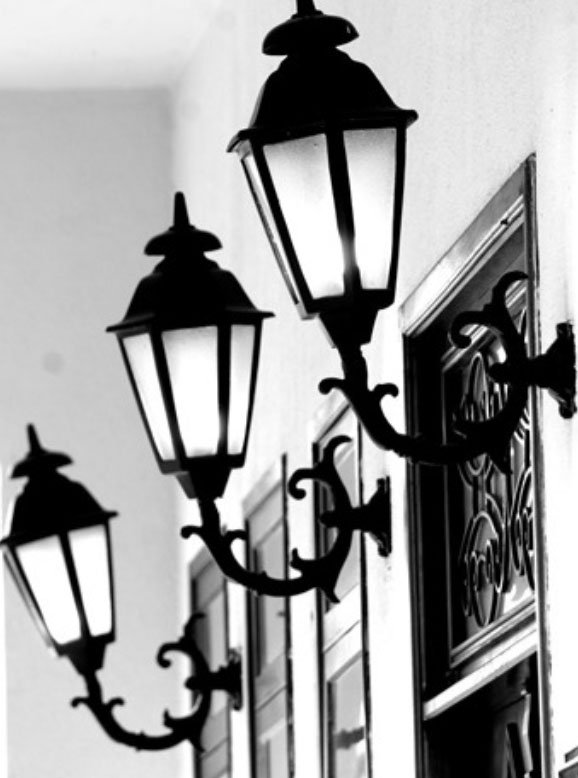
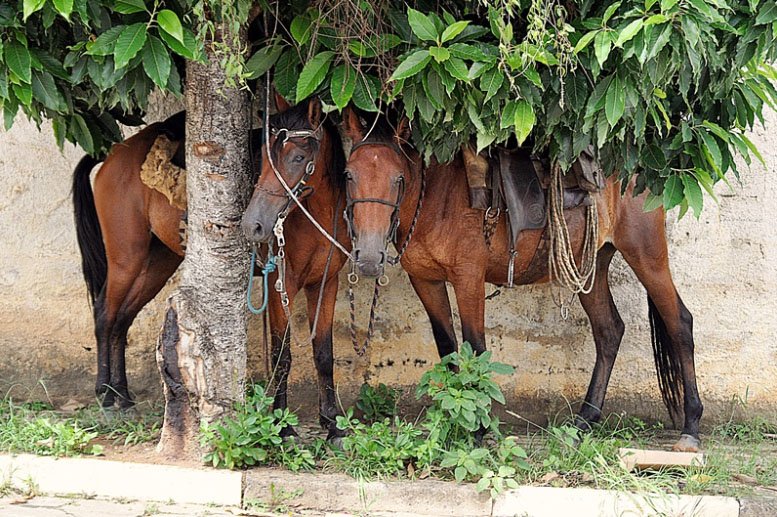
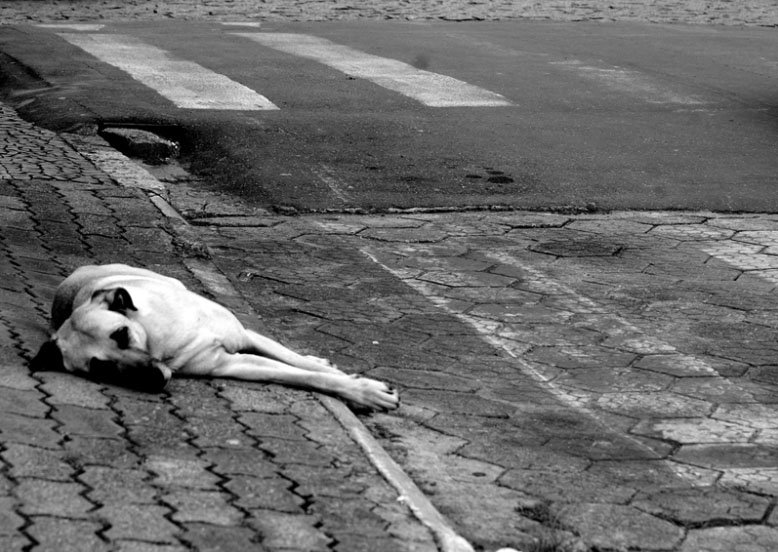

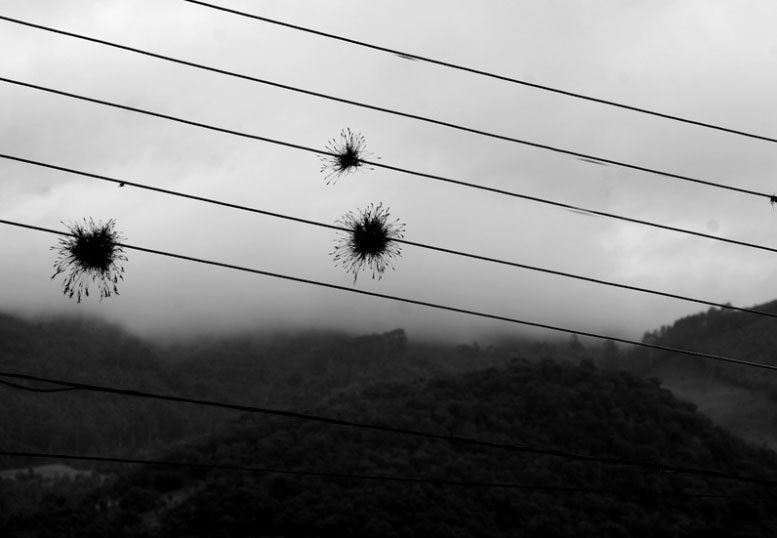
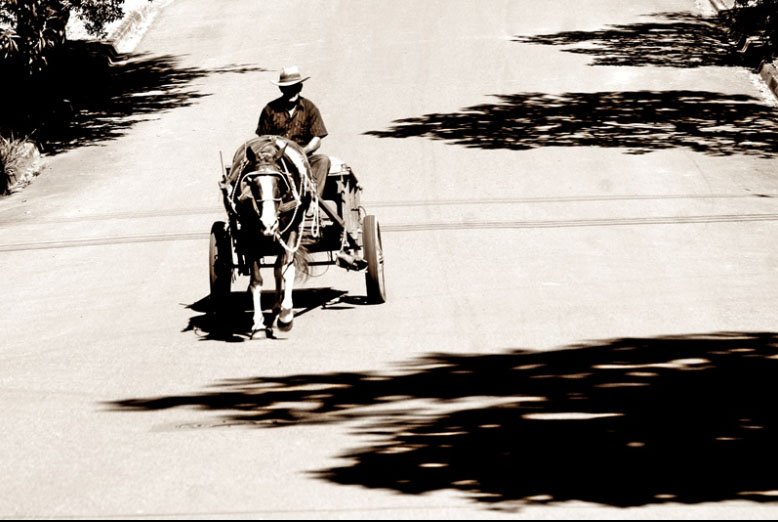
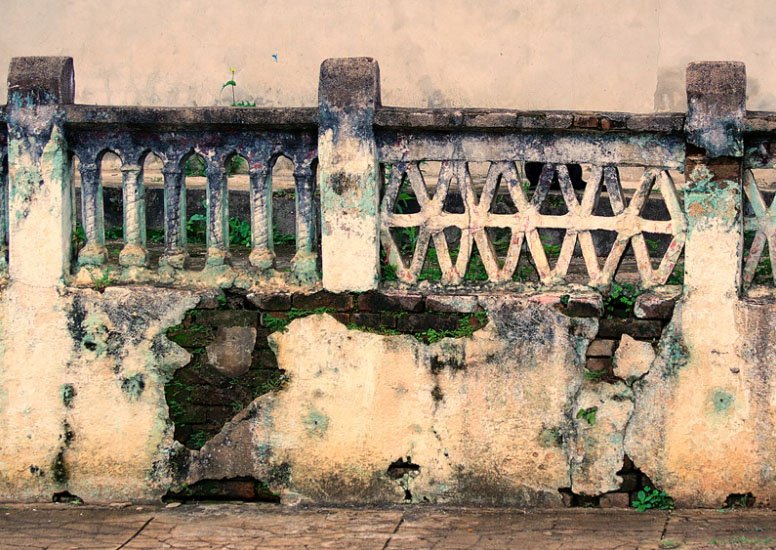
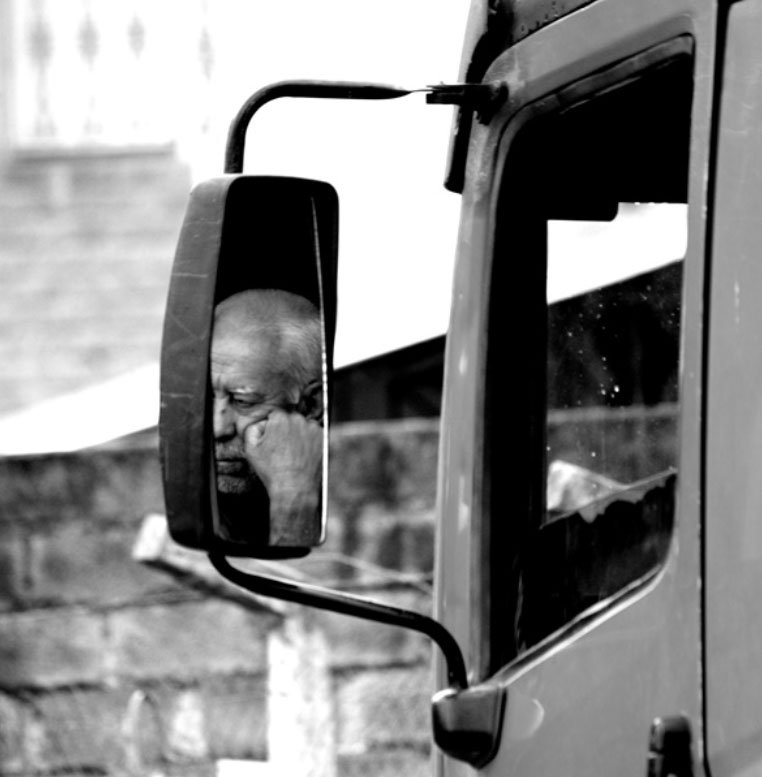
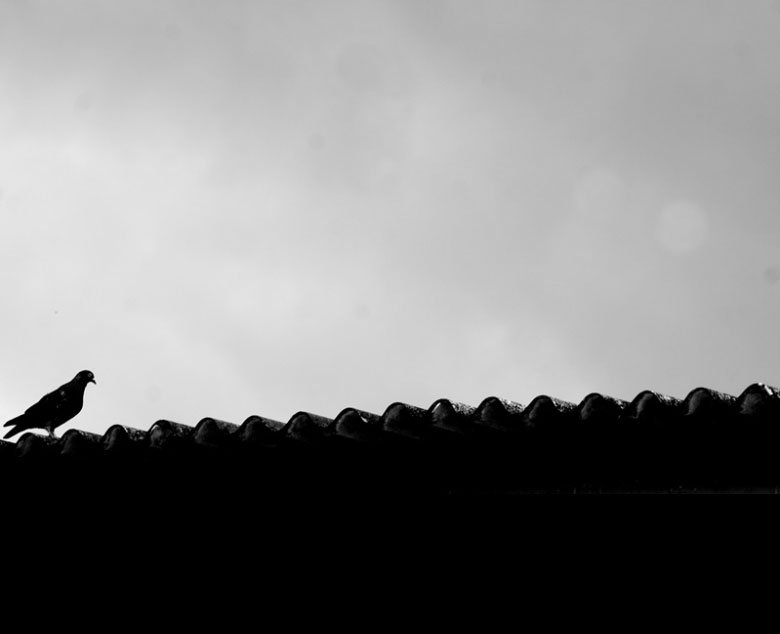


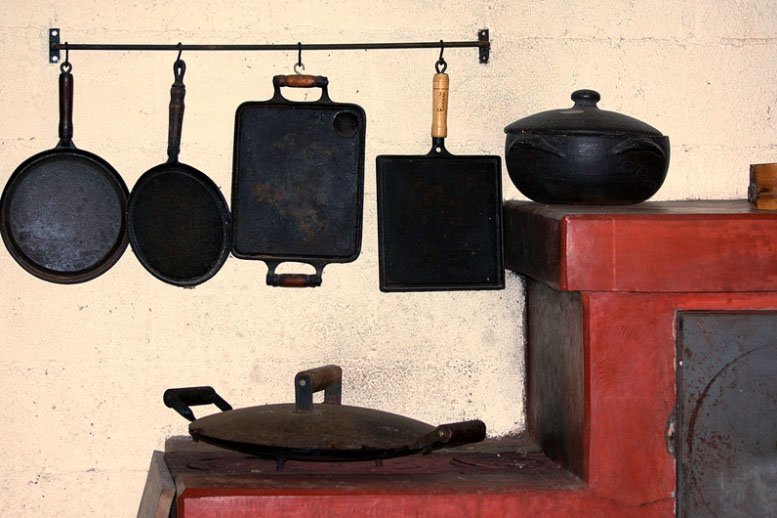

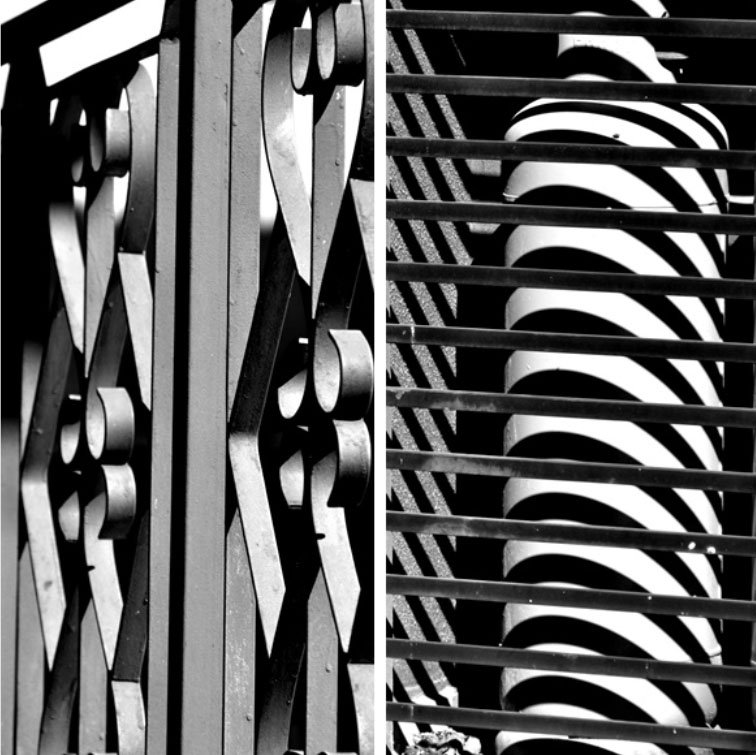
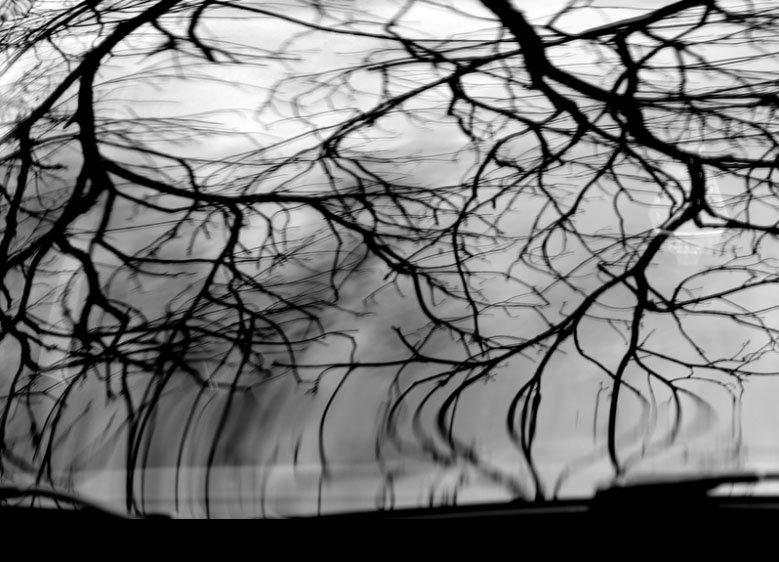
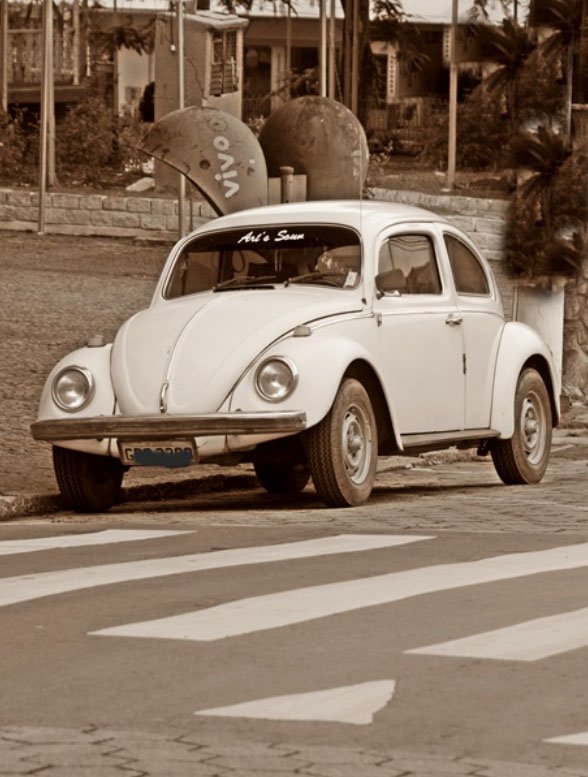
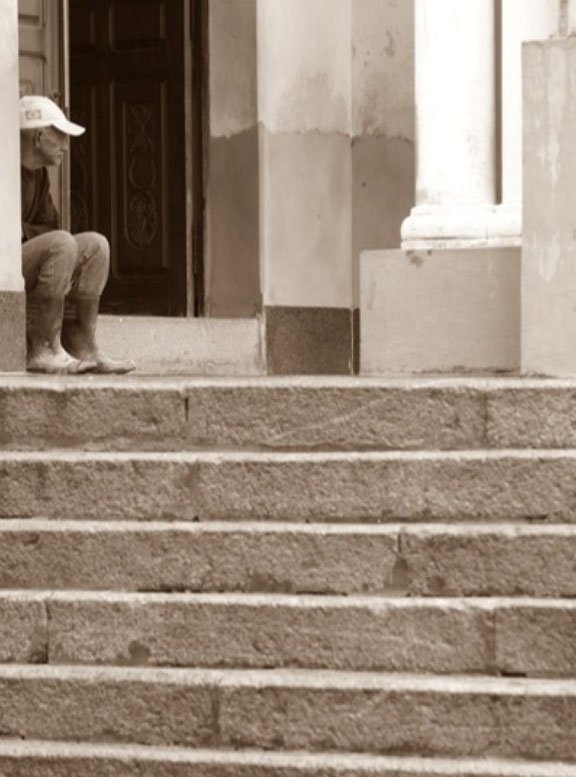
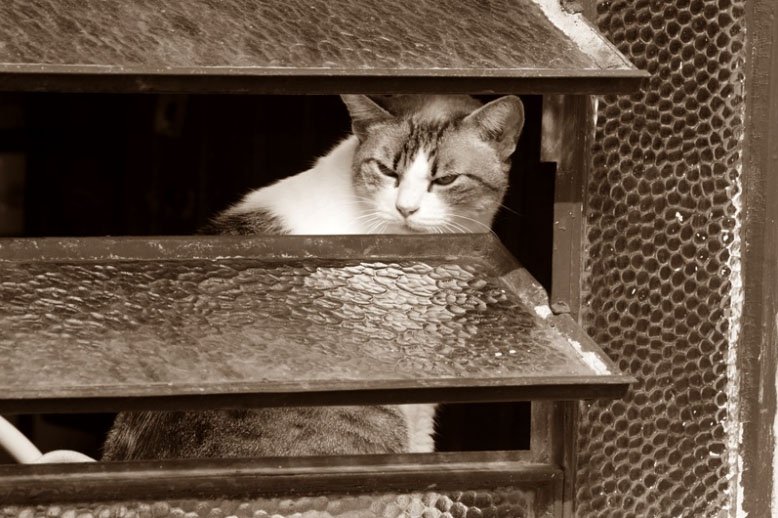
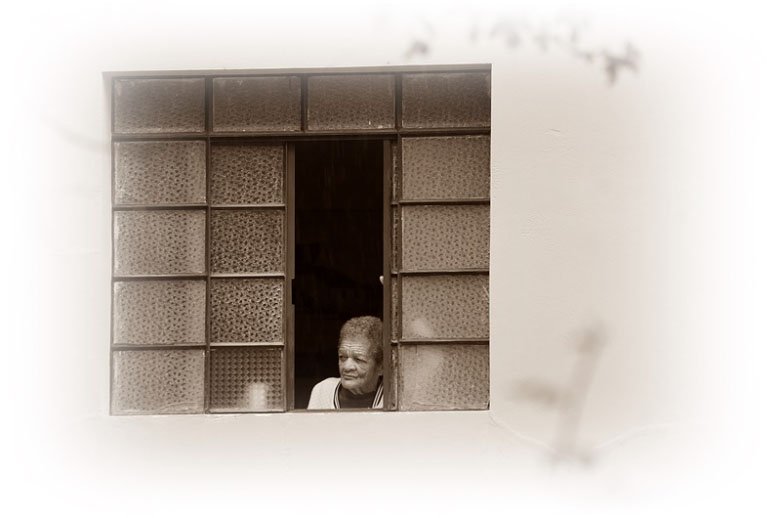
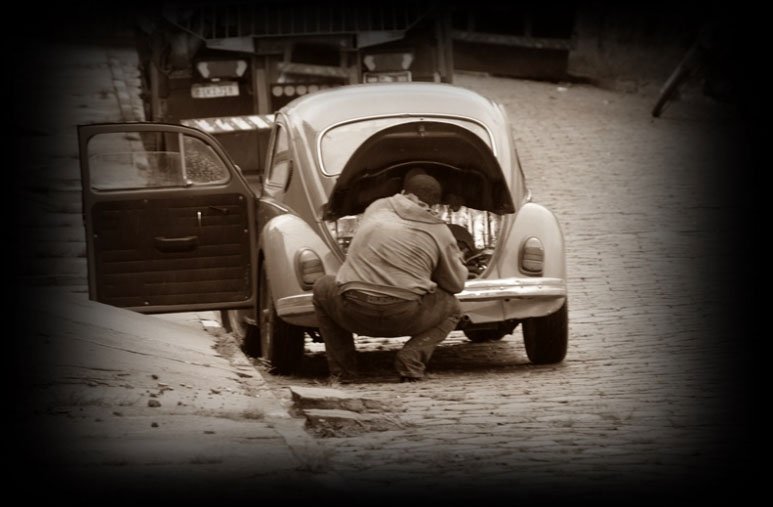
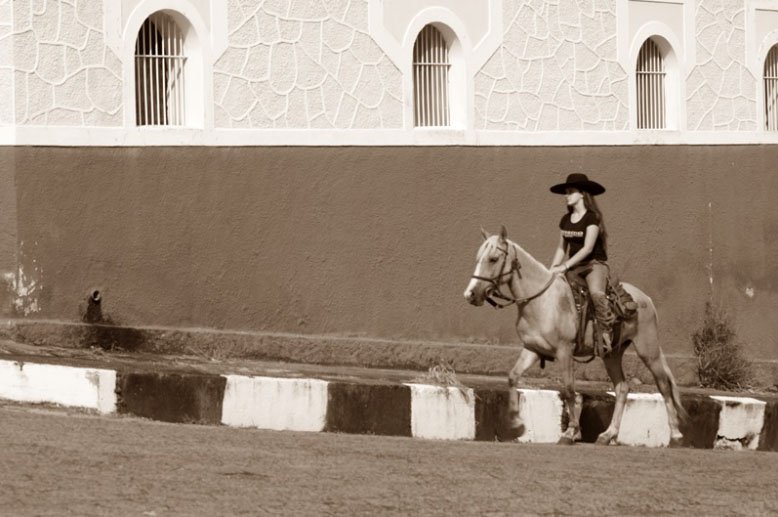


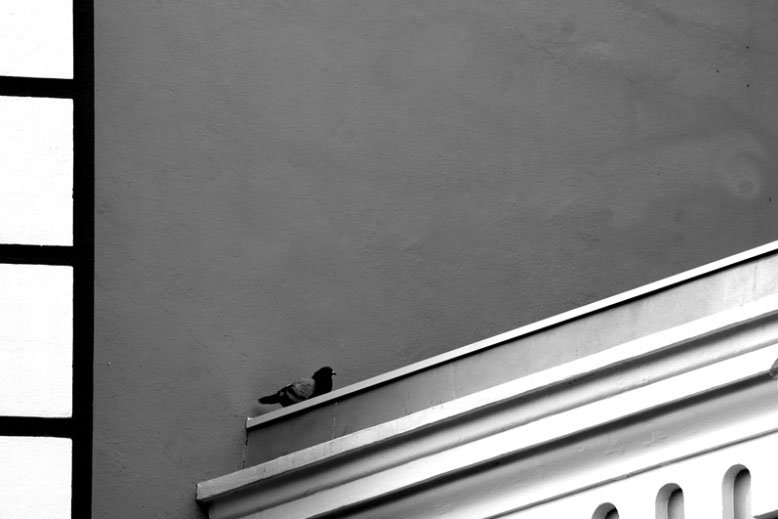
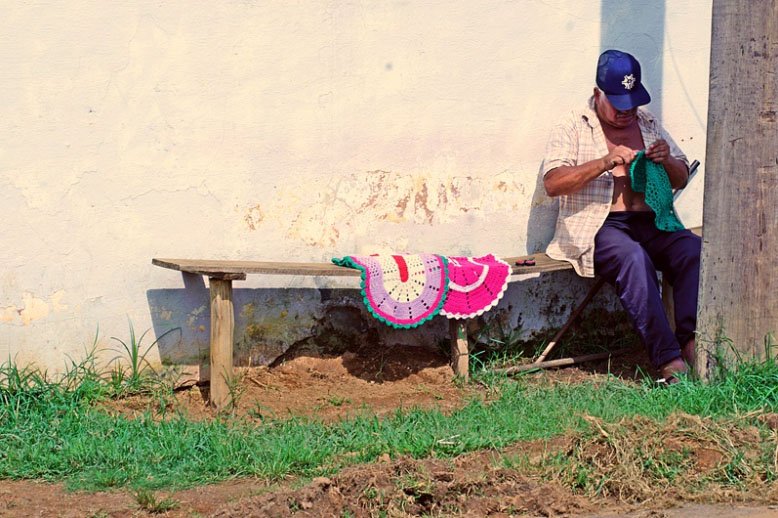

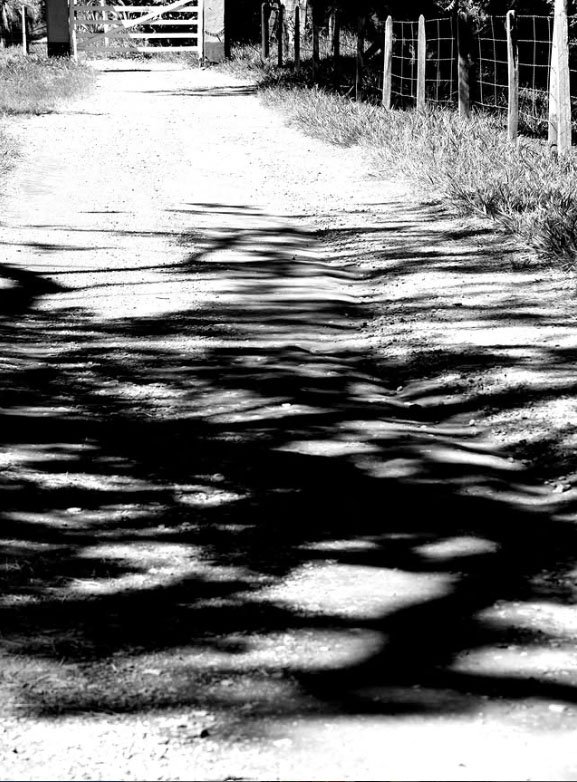
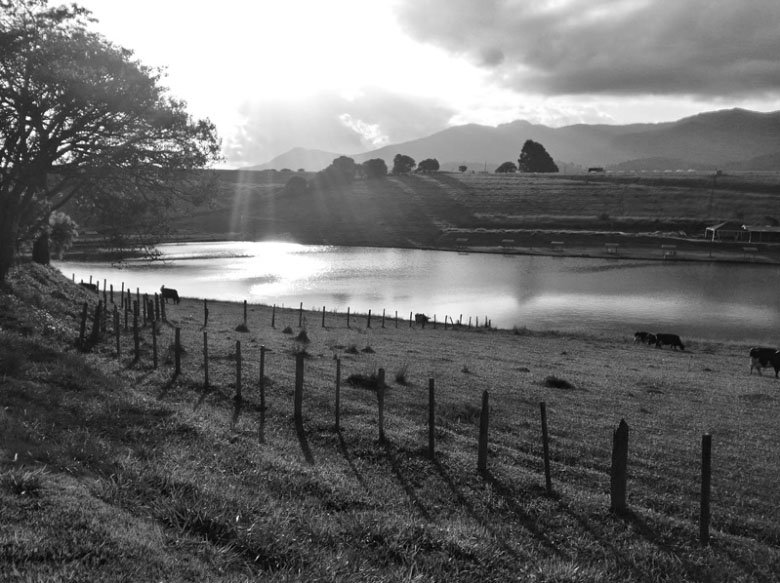
Décio Badari defines himself on his Instagram as a “dedicated amateur photographer and image hunter”. In the 19th century, the term “amateur” was used to describe someone’s relationship with an activity, and meant a deep involvement with that activity. With this understanding, an amateur photographer was someone who studied the secrets of how to capture light in images and did it just for the pleasure of doing it well. The term amateur meant, first and foremost, one who loves, as the very formation of the word already denotes. For photographers, this love led to a dedication to recording the world in photographs.
Later, at the beginning of the 20th century, the term underwent a transformation that opposed it to the professional and became almost pejorative, as it carried a sense of lack of commitment and even knowledge.
In an article published in November 1899 in Scribner’s Magazine, none other than Alfred Stieglitz sounded the alarm about the great mistake this polarization meant. He pointed out that alongside professionals and “button pushers”, countless amateurs had played a key role since the dawn of photography. He had in mind great names who innovated in aesthetics, technique and broadened the horizons of photography.
Décio Badari’s photography represents a fourth way for me: it is photography at its purest. It has no pretensions to making history, as Stieglitz and his friends had and did, it is far from the indifferent, almost apathetic, “button pushers” and it also has nothing to do with money, as is the case with professionals.
All that counts is the photographer with his camera and the life that goes on around him. Photography is the possibility of building a parallel treasure with images of everything that delights and thrills him in his daily life. It’s a relationship of exchange: the scenes that pass by offer themselves to Badari and he, always attentive, shows his deference and gratitude by recording them with technique and care, because he knows that this is the only way he can keep the poetry that unites them in his images.
Wagner Lungov