Vito B | Voigtlander
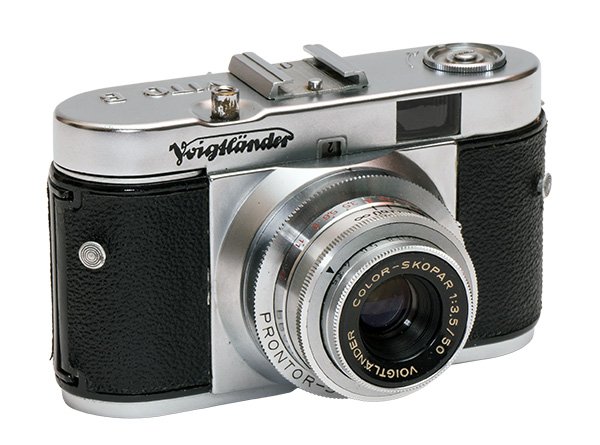
This camera was produced from 1954 until 1960 and was very popular. Like many others of its time, it was a bet by the manufacturers that people weren’t so keen on a camera to keep in their pockets. Between the wars, there were many of the folding type, like the Ikontas, or with a collapsible lens, like the Leicas, to reduce the thickness, or depth, of the camera as much as possible. It was a style, a category, almost a tradition that went back to the first cameras for roll film, like the Kodak nº1A. They tried to be “pocketable”, if only in a large coat pocket.
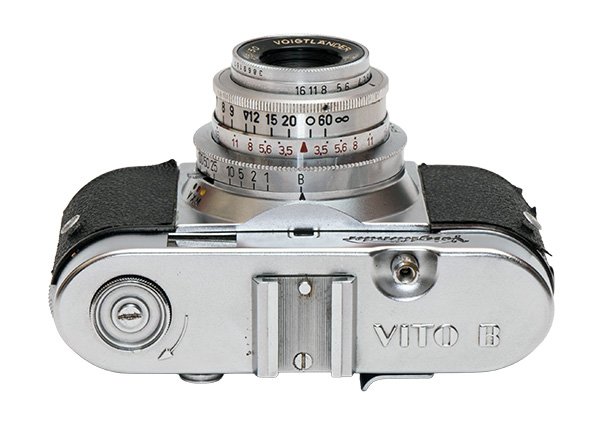
The Vito B uses a fixed lens that practically doubles the thickness of the body.
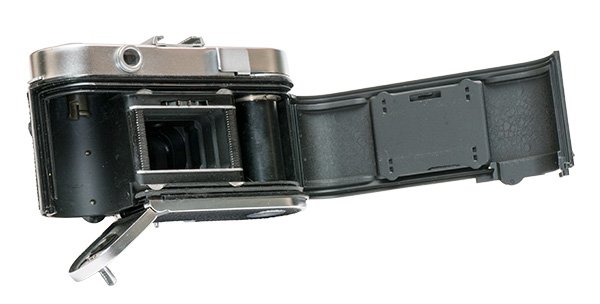
As if to compensate, it is very compact in other dimensions. So much so that in order to insert the film, you have to open not only the rear door, but also another one on the base of the camera, as you can see in the photo above.
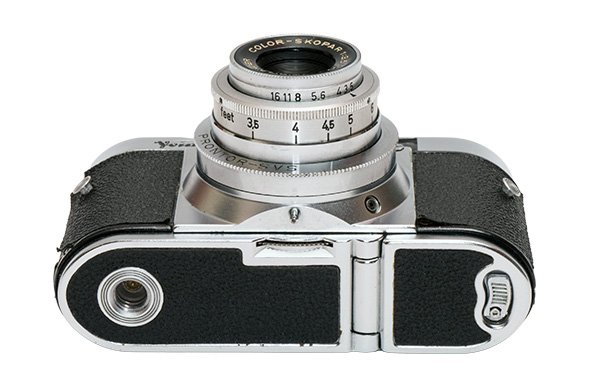
The standard of construction is excellent. Very rigid and with a very resistant finish. It’s very common to find a Vito B with no rust and working perfectly.
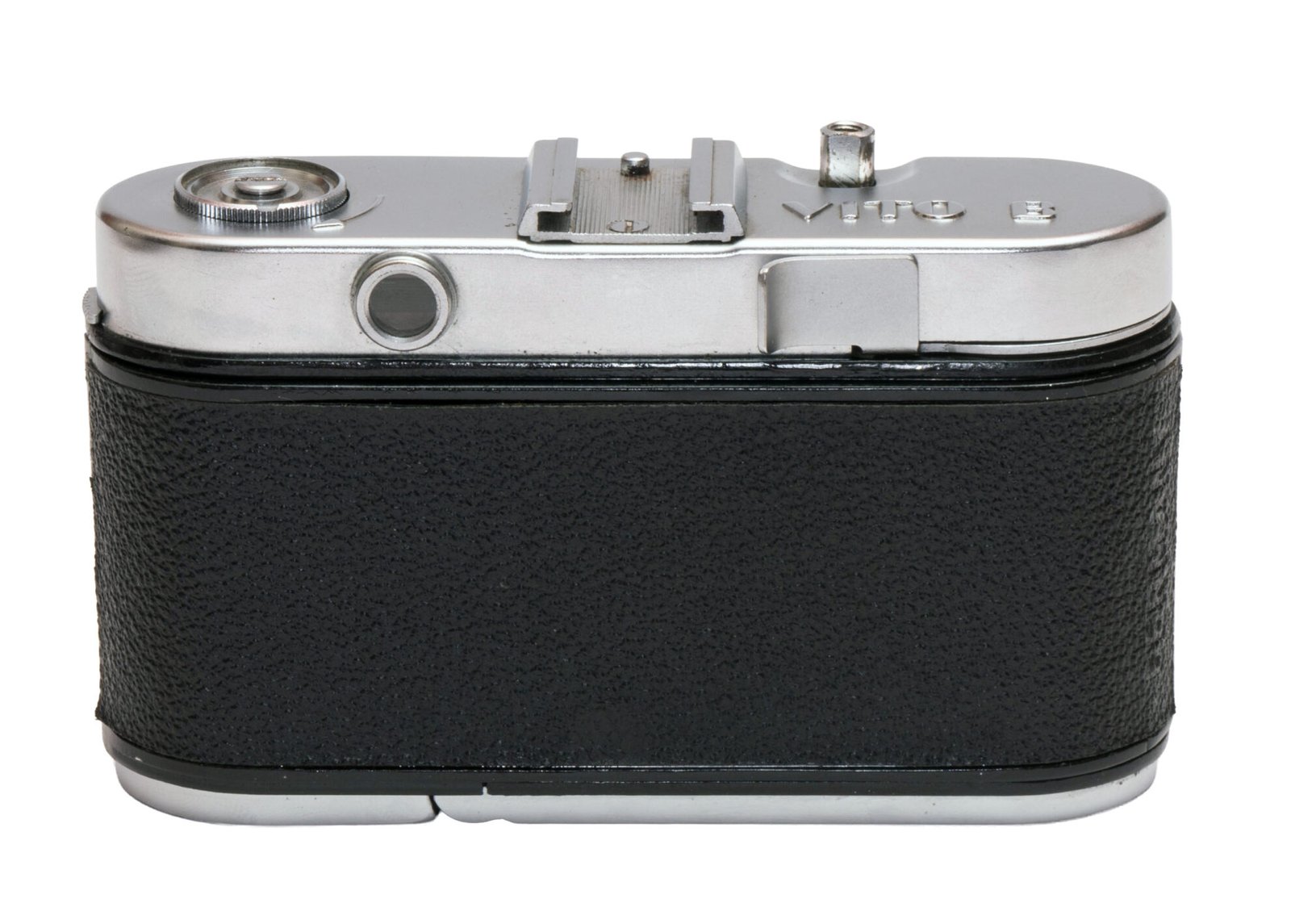
Who was this camera intended for? It’s an interesting question, because everything on it is manual. Focusing is done by evaluating the distance and adjusted on a ring on the lens barrel. The speeds are, 1 to 1/300 s plus B, on a reliable Prontor shutter. It also allowed synchronized flash in electronic, X, or M-type bulb.
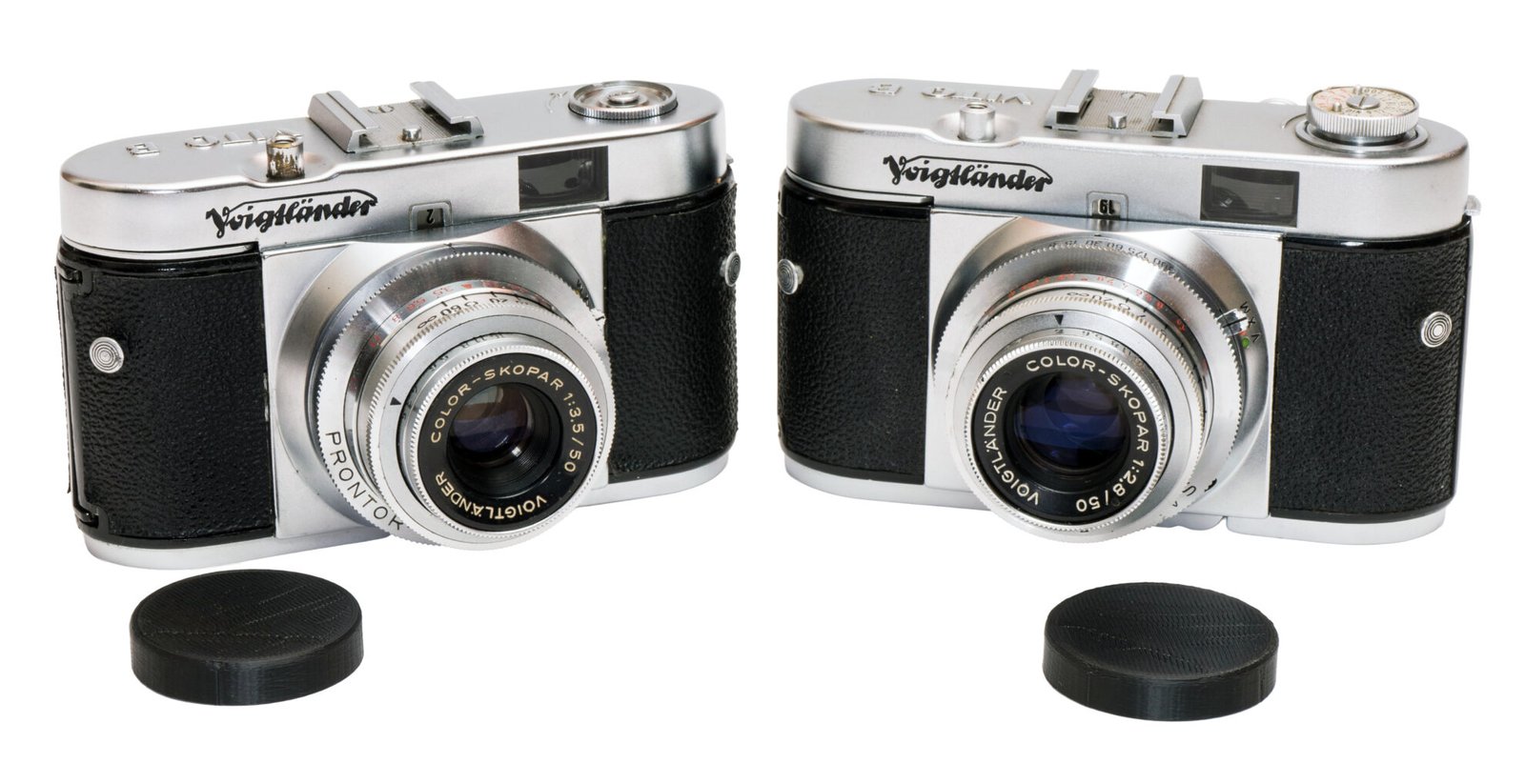
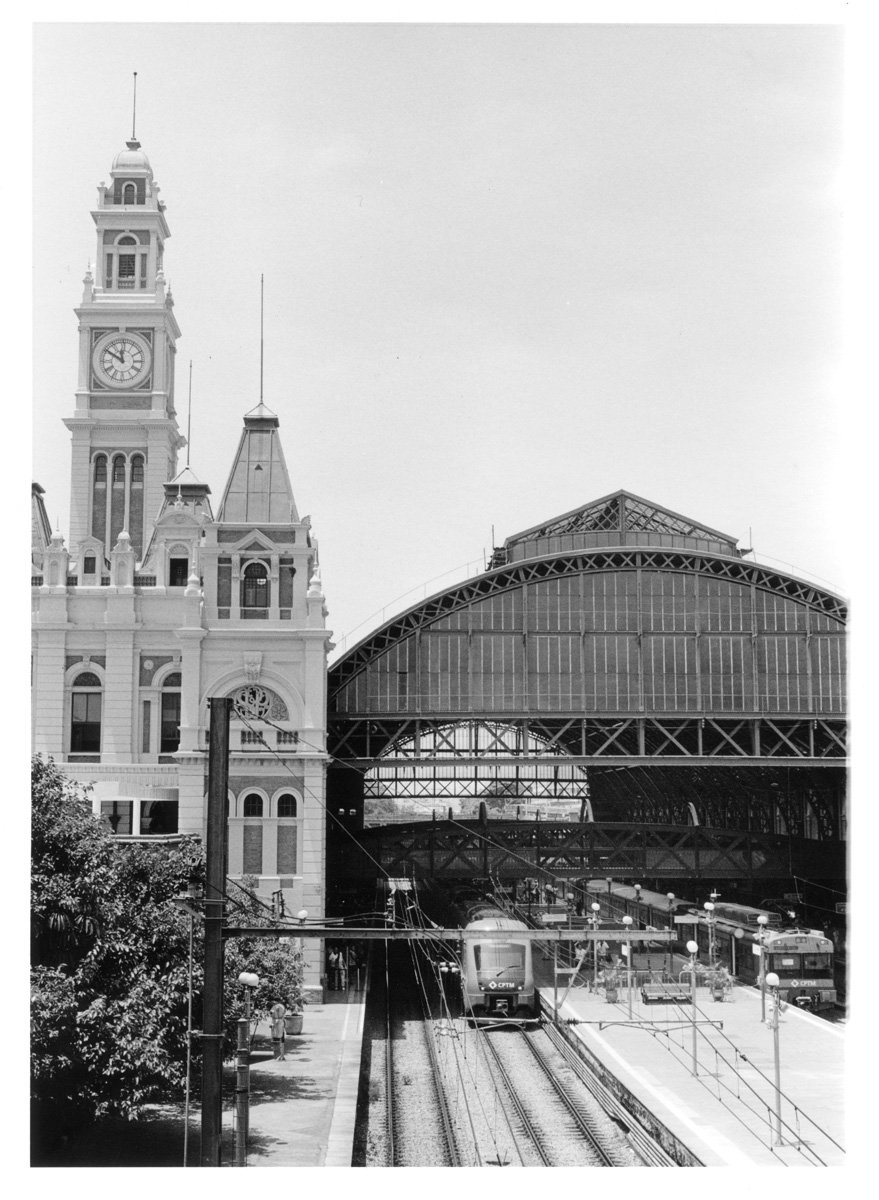
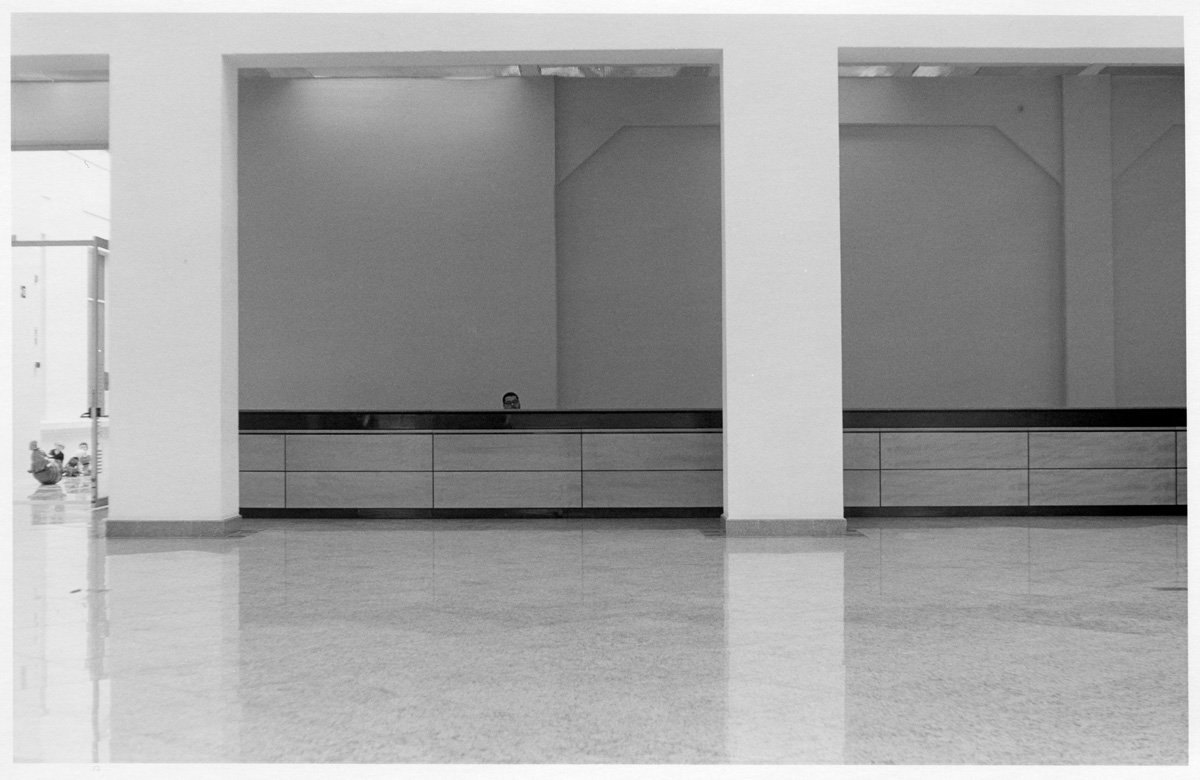
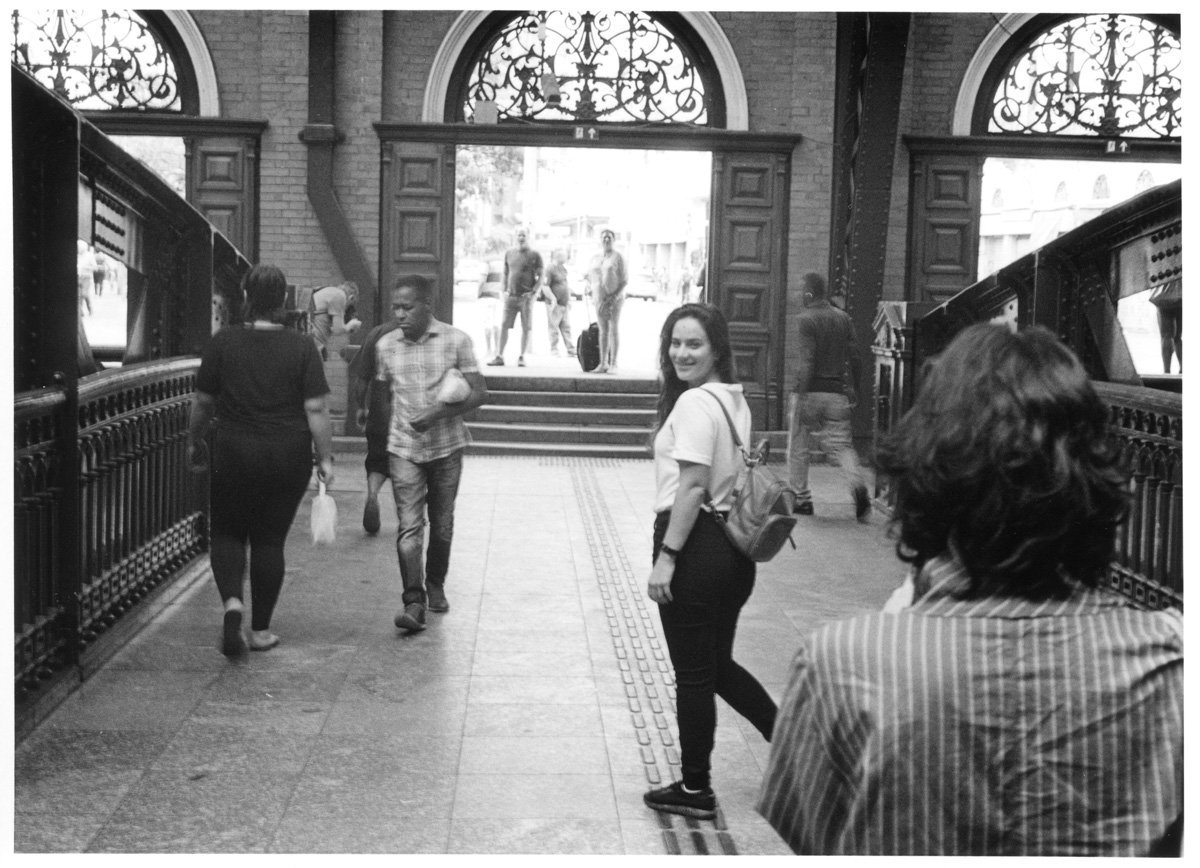
The lens was a super sharp Color Skopar, the same design as Zeiss’s Tessar, but according to the calculations of the very traditional Voigtlander. With maximum apertures of f/3.5 or, more rarely, f/2.8 to f/16 (photos above).
As you can see from the specifications, this was not a camera for a simple “button pusher”. It required careful photography because it is a very flexible camera. In terms of speed/focus and aperture, it was like a Leica Ic, without having the glamor of a Leica and, to be true, not as much constructive precision.
The Vito B was and still is a great option for the “smart” photographer who wants a high-quality rangefinder without having to pay too much for it.
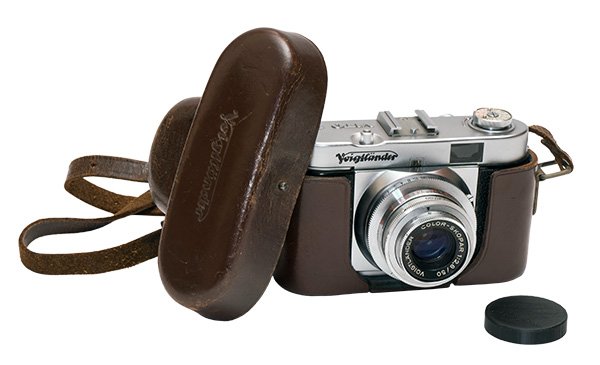
As for whether or not it would fit in your pocket, that’s not such a big deal as it came with a nice leather case to carry it around in.
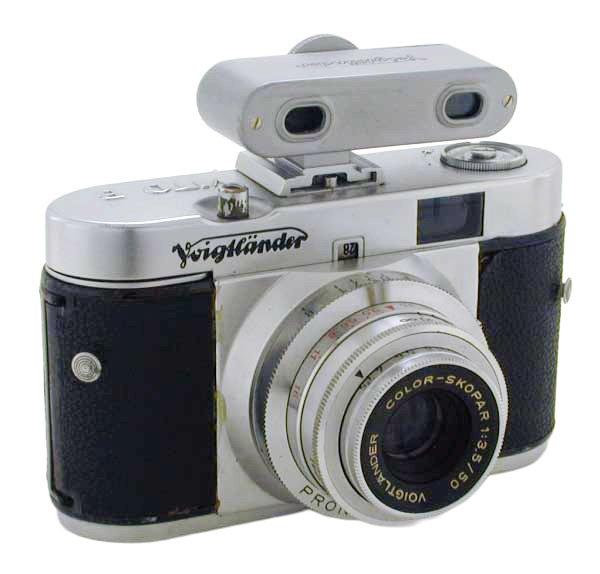
For photographers who were more keen on precision, Voigtlander also manufactured an external proximeter, or rangefinder, with the distance scale marking the same number as the lens, making focusing much easier.
Check out Vito B on the photography timeline and see was happening back then
Below are some photos taken with the Vito B f/3.5