Photographic processes
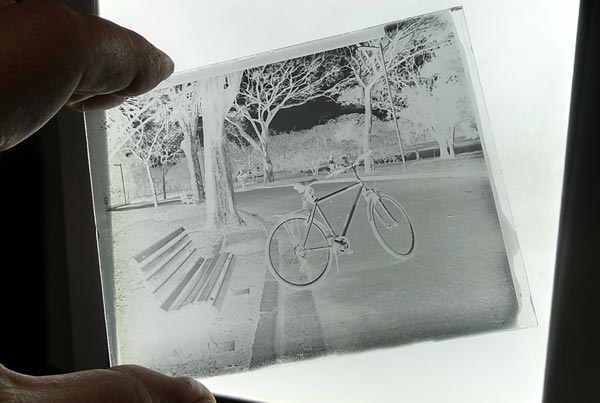
In this circuit you will go through the main photographic processes in the history of analog photography. Silver will be our key chemical element, and we will follow in its footsteps. There have been other processes based on other elements or light-sensitive substances, but this tour will focus on the use of silver in photography. The processes are divided into:
1- Direct Positive: when what goes into the camera, usually a glass or metal plate, is already the final photograph.
2- Negative/Positive: when what goes into the camera (paper, glass or film) produces a negative that then needs to be made positive (which is nothing more than the negative of the negative) to generate the final photograph.
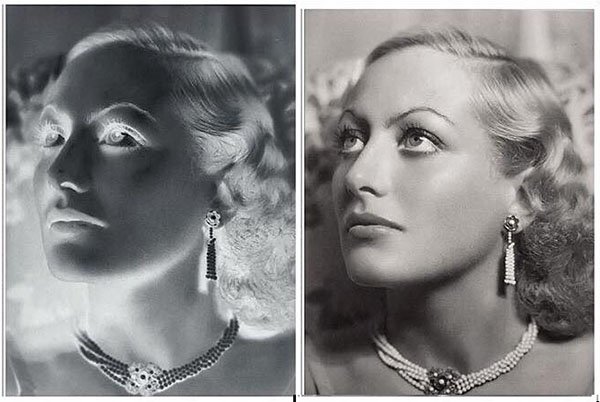
In case you didn’t know, a negative is an image that inverts the values of shadow and light. What is light appears dark and vice versa.
Another important distinction is the type of exposure on the sensitive medium:
1- Contact exposure: this is when a negative or even an object (usually flat) is placed in direct contact with the sensitive surface. A light will sensitize the uncovered parts causing them to darken, immediately or after development, and record an image. Contact printing processes can be very sensitive because they can use a lot of light. In the extreme case, it can even be sunlight.
2- Projection exposure: this is when a lens generates an image on the sensitive surface and the differences in light and dark record an image. Projection printing processes need to be very sensitive to light because the image generated by a lens is relatively weak.
These two distinctions are fundamental to understanding each photographic process in terms of its possibilities and characteristics.
Obviously, photography as a recording of the image from the camera obscura is only possible with processes that allow projection printing. Contact printing is generally used to obtain the negative of the negative, i.e. the positive.
High light sensitivity in analog photography didn’t come immediately. Instead, it was achieved over decades and with a lot of effort. The first processes were those that could only be carried out with a lot of light. That’s why they were of the contact exposure type. The intensity of the darkroom image was not enough to record an image with the first recipies of photography.
There’s a certain irony here, because we can say that they discovered the process that would make the positive from the negative, before they even knowing how to make the negative. But that’s just another way of saying that contact printing, later used to make the final copies, the positives, was discovered before finding the means to record an image by projection, which would be the negative image of the camera obscura.
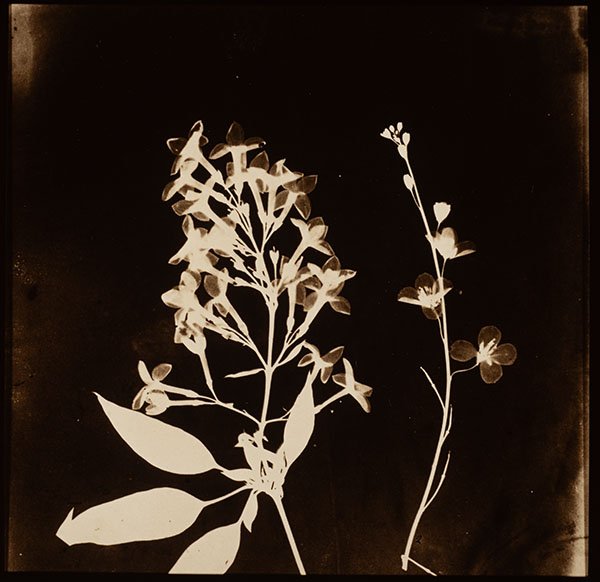
‘That’s why the first room on our tour will be Henry Fox Talbot’s salted paper. It’s a contact exposure process with which he recorded silhouettes on negative. It would later become the second stage of the negative/positiveprocess, which he called calotype and later talbotype.
At the end of each room you’ll find a sign like this one, use the buttons to navigate the photographic processes theme circuit