Kodak Retina IIa | Kodak AG
Kodak’s long series of Retinas began in 1934 with the Retina 117 model. It was the camera with which Kodak launched 135 film, which is perforated 35mm film for cinema, but already packaged in ready-to-use reels. This Retina IIa, model 016, was manufactured between 1951 and 1954. It is considered the pinnacle of the series for being a sophisticated camera, but just right. It was followed by the IIIc, which offered a lens with interchangeable front elements to vary the focal length (35, 50 and 80 mm). But such a feature doesn’t harmonize well with a folding camera concept, it sacrifices the performance of the optics, makes the camera heavier and it can’t even be closed down except with the 50mm lens.
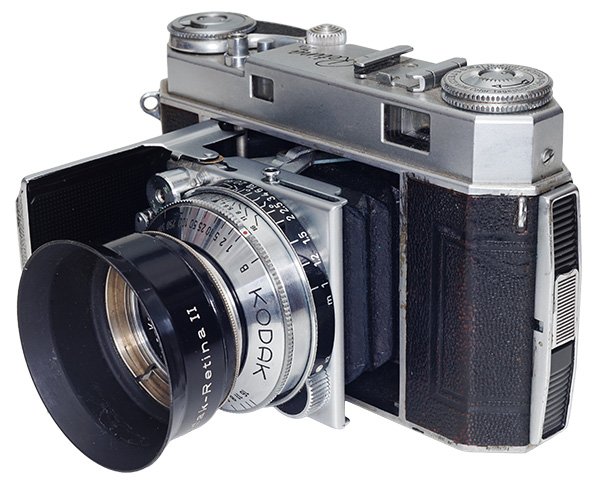
The Retina IIa is an excellent camera with its fixed lens. It doesn’t even need a case, as it can be closed, protecting the lens and its adjustment rings from shock and dust. It offers a clear and precise rangefinder. Speeds from 1 to 1/500 seconds with Synchro Compur shutter and more bulb or B.
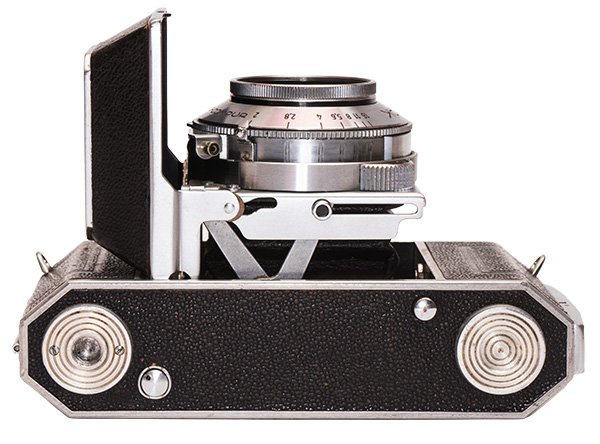
Like all folding systems, it is very space-saving when closed. Its construction is robust and well finished. It’s very rare to find a Retina with serious oxidation problems even after so many years.
Although Kodak and its creator George Eastman are models of American entrepreneurship, Retinas were produced by Kodak AG in Stuttgart, Germany (formerly Nagel Camerawerk). Dr. August Nagel was a genius of miniaturization. The IIa represents the pinnacle of his philosophy: a camera that could fit in your coat pocket, but produced professional quality negatives that rivaled the Leica IIIf of the same era.
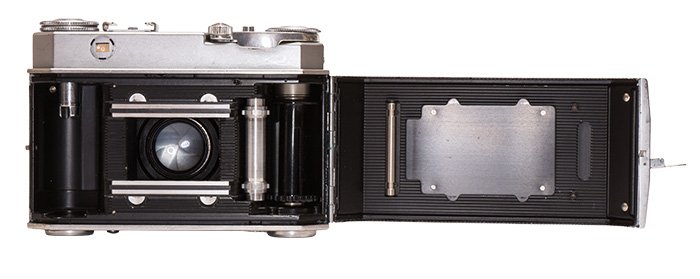
It uses 35 mm film in 24 x 36 mm full frame. The advance is made by a lever on the top right of the camera and it is a single stroke type. It advances the film and cocks the shutter. This lever was an innovation for Retinas, as all their predecessors used a rotary knob. It was for this type of fast advance that it received the suffix “a”.
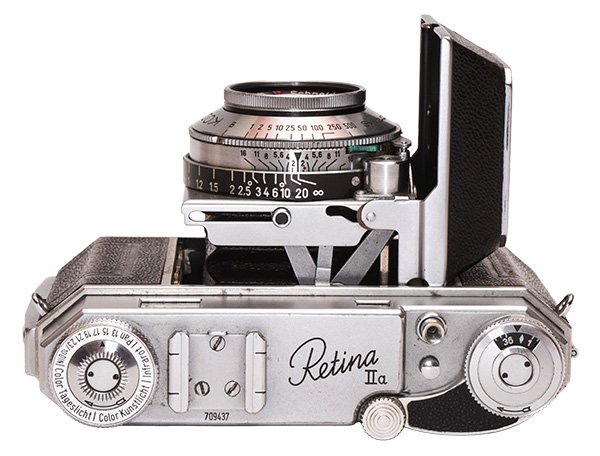
The pose counter had to be manually adjusted and counted down. Like most cameras of its time, the flash was not synchronized by the shoe and instead had to be plugged into the shutter.
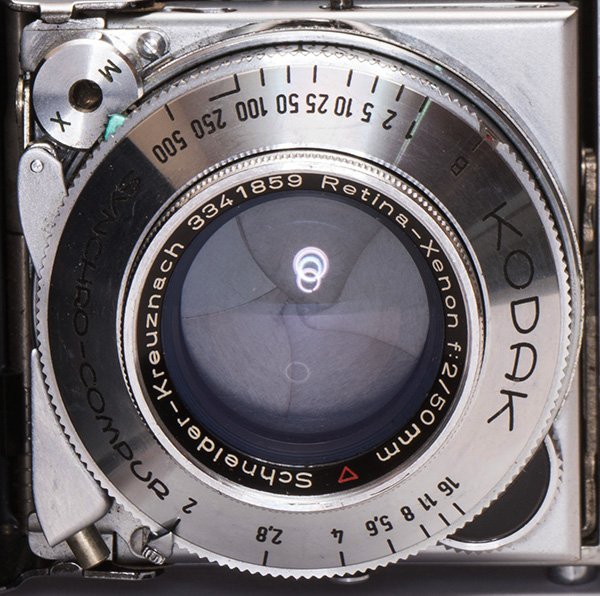
Optics are a very strong point in the Retina IIa. Normally equipped with the Schneider-Kreuznach Xenon 50 mm f/2, it can also be found with Rodenstock’s Heligon, but the Schneider Xenon is the “exclusive” lens associated with the Retina’s luxury reputation.
The Xenon lens is the soul of the camera. It has a 6-element, 4-group design, a variation on the classic Double-Gauss formula (like Zeiss’ Planar). As for performance: At f/2, it has a beautiful, soft “glow” (spherical aberration) that is perfect for portraits. When closed down to f/5.6 or f/8, it becomes extremely sharp with high contrast, thanks to the magnesium fluoride coatings that were a great novelty in post-war lenses. This anti-reflective treatment, which is of the single coating type, is marked on the lens by a red triangle and gives it a slight bluish tint.
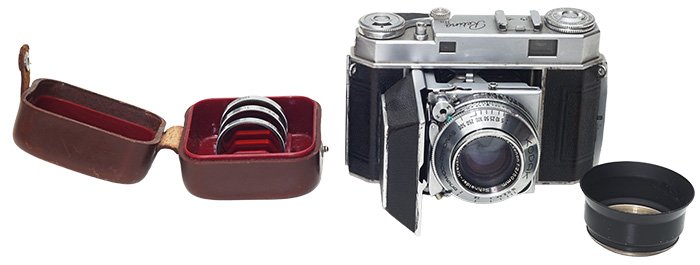
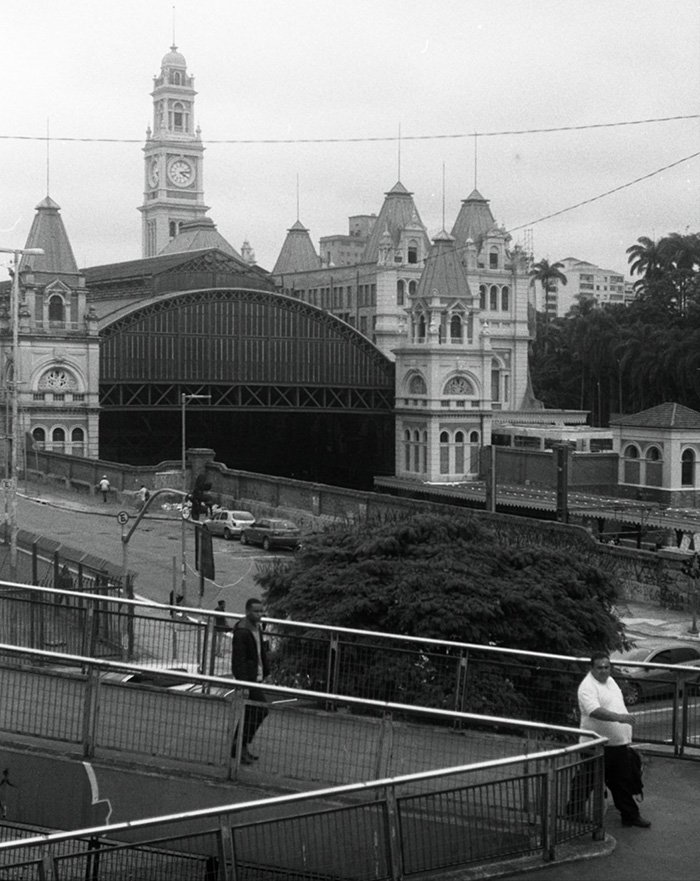
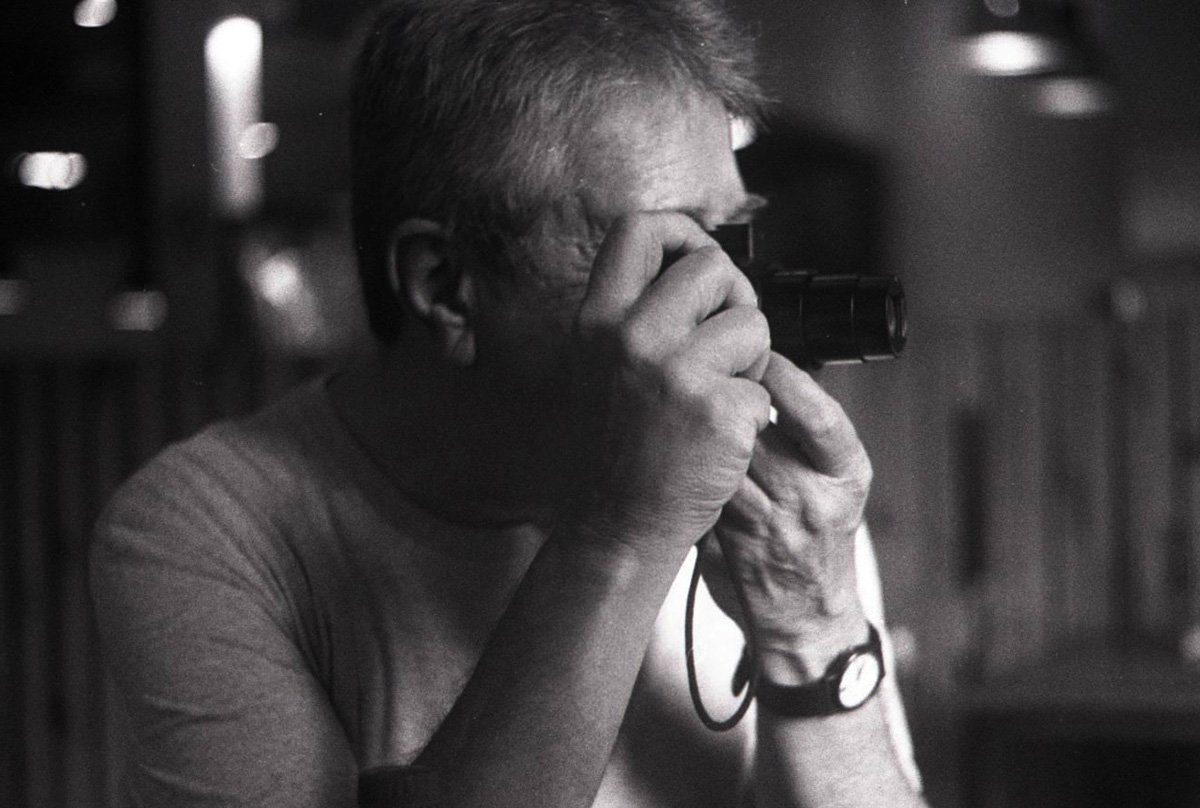
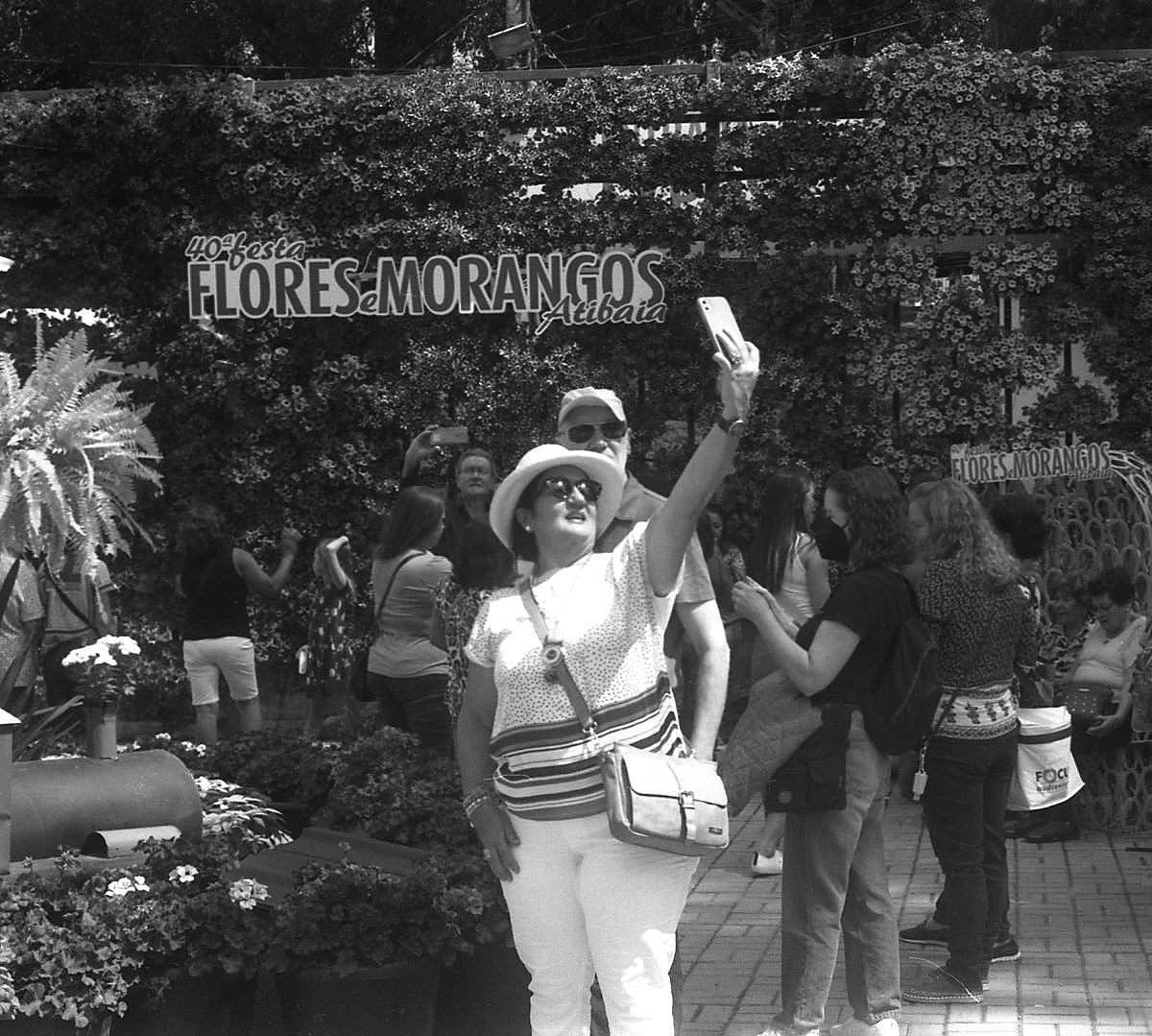
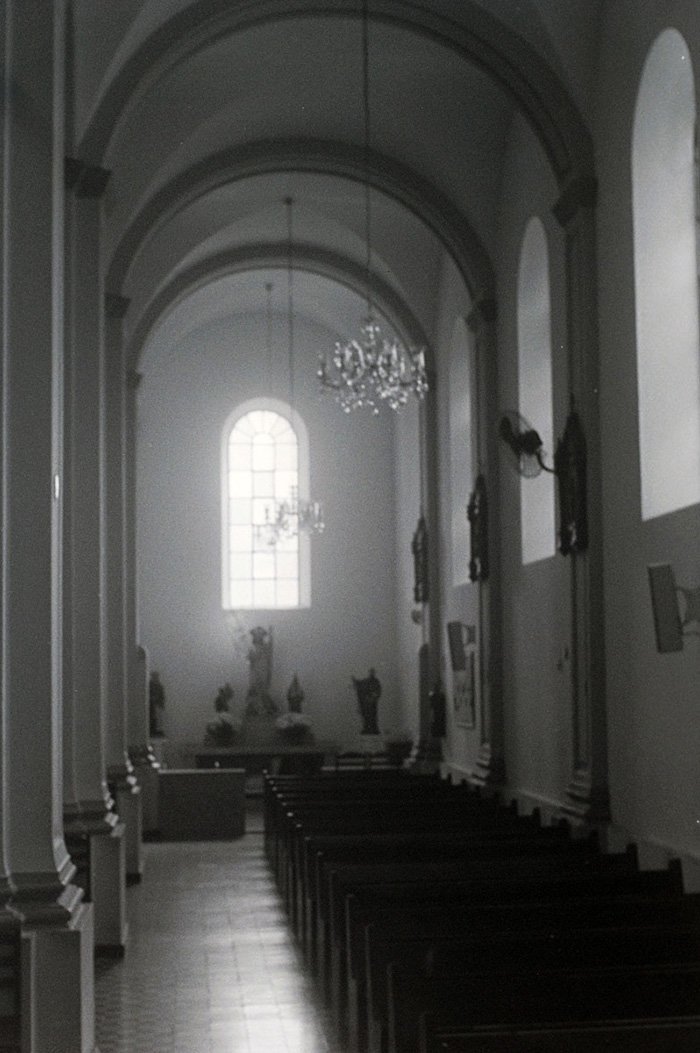
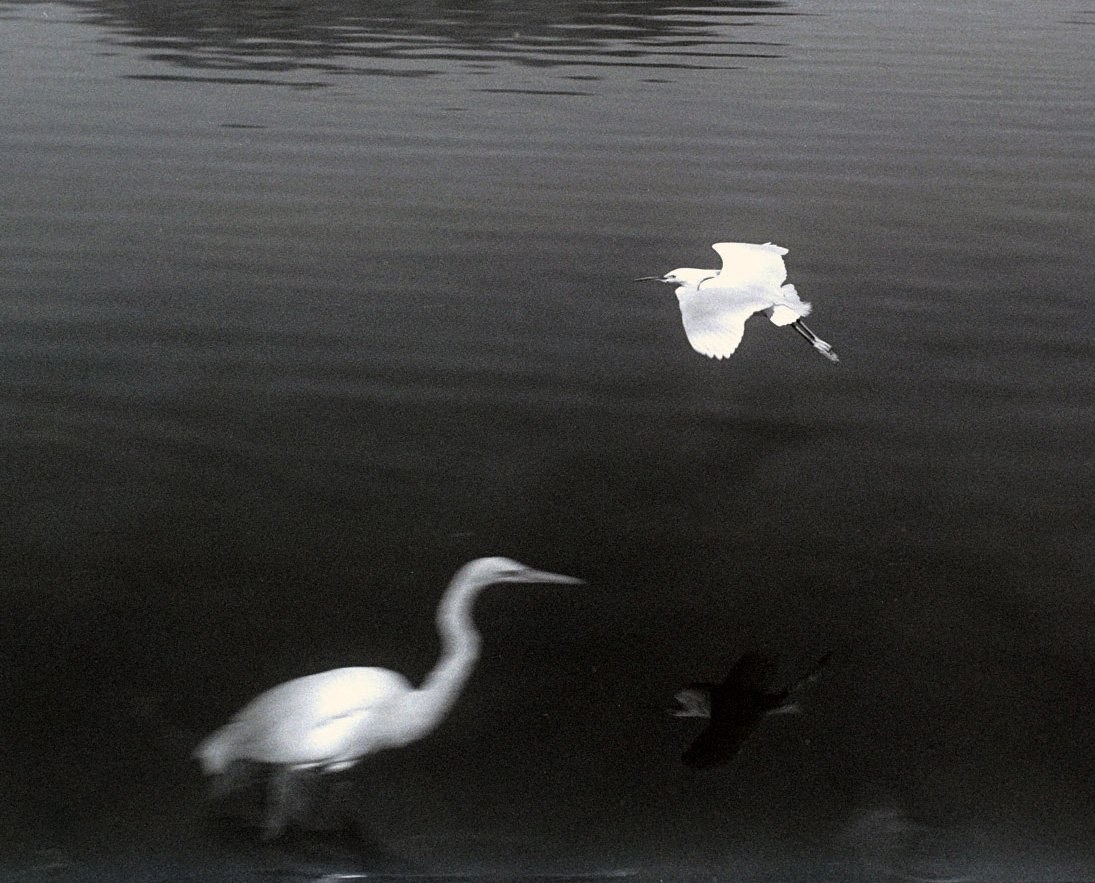
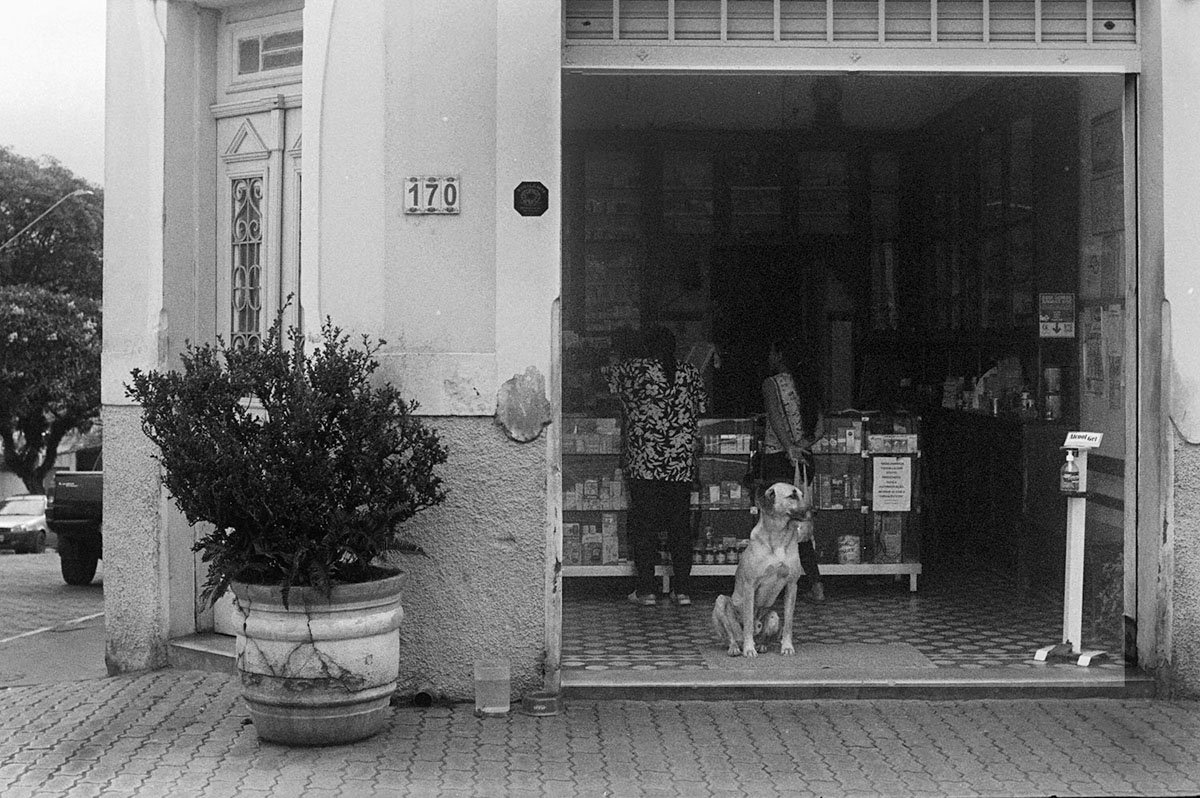
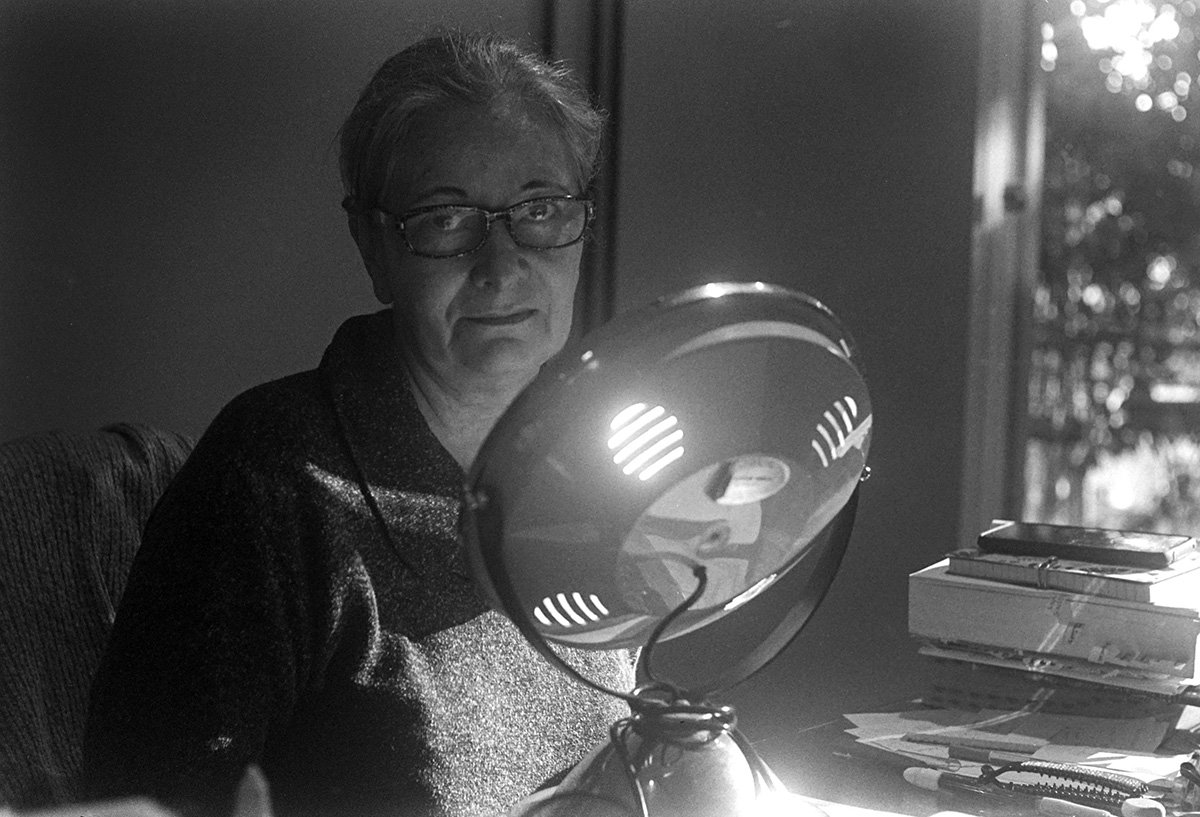
Above, a nice set of filters, red, green and yellow, which come packaged with a lens shade in a small leather case. Below are some photos taken with this Retina.