Yashica D | Yashica

Although names like Nikon, Canon, Pentax and Olympus are top of mind when it comes to the Japanese photographic industry, Yashica was a phenomenon in its own right. In about a decade, starting in 1946, when it was founded by two brothers, Yashica became the largest manufacturer in terms of units, value and exports, even compared to its powerful compatriots.
The problem was that the company was brilliant and advanced, but the concept of its flagship Twin Lens Reflex camera line, the TLR, was old-fashioned and would lose traction from the 1960s onwards.
120 x 135
Today, the larger the frame format, the closer the camera is to professional or advanced amateur use. But that wasn’t always the case. Until the 1950s or 1960s, medium format cameras that made 6×6 to 6×9 cm were a natural choice for the occasional amateur. Leica, Contax, Exakta or Retina, among other cameras using 35mm film, were options for a more sophisticated public and this for a very simple reason: the need for enlargements as the negative was too small.
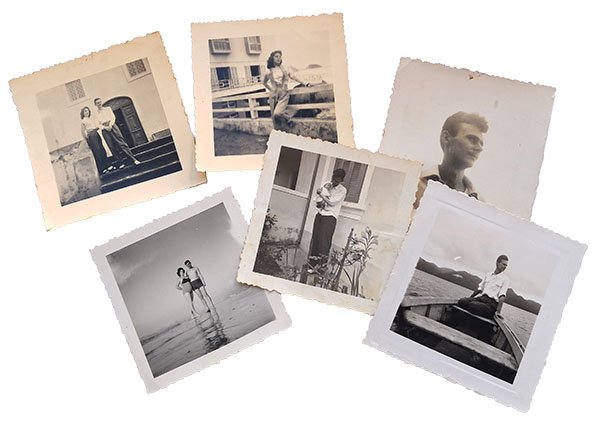
The larger, 6×6 format lowered the process’ cost as a whole on two counts:
1- Contact Printing – Anyone leafing through a family album from the 1950s or 1960s will probably find a lot of 6×6 photos, printed with a border and cut with a very typical serration. These photos were printed by contact with the negative and this meant a lower cost both for the size of the paper and for the service itself, which didn’t require an enlarger.
2- Simpler optics – When copying by contact, the requirement for a small circle of confusion becomes much more forgiving because its “confusion” won’t be magnified. For this reason, many box cameras in the 6×9 cm format, such as the Kodak Brownie No. 2, used only a meniscus as a lens. Others, such as the Zeiss Box Tengor, also 6×9 cm, came with an achromatic doublet, and this was also the case with some fake TLRs such as the Kodak Dualflex.
These considerations meant that, ironically, medium format ended up being more interesting for amateur photographers because, with more basic optics, the cost of the camera could be much lower and they could also save money on the final print run.
Folding x TLR
The same reasoning applies to folding cameras. Hundreds or perhaps thousands of models like the Nettar below were produced for 120 film making 6×6 cm negatives as well as 6×9 cm and were typically cameras for amateurs who were already happy with contact prints.
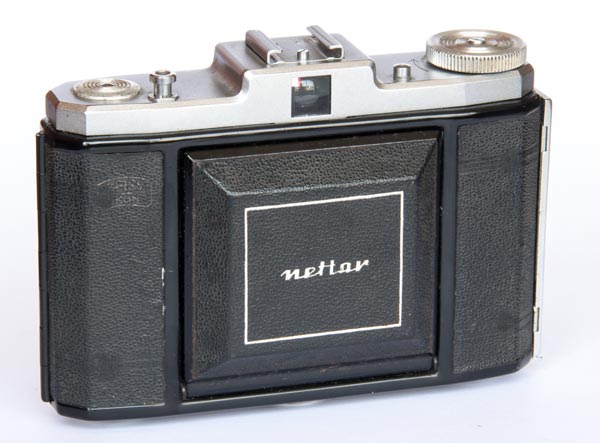
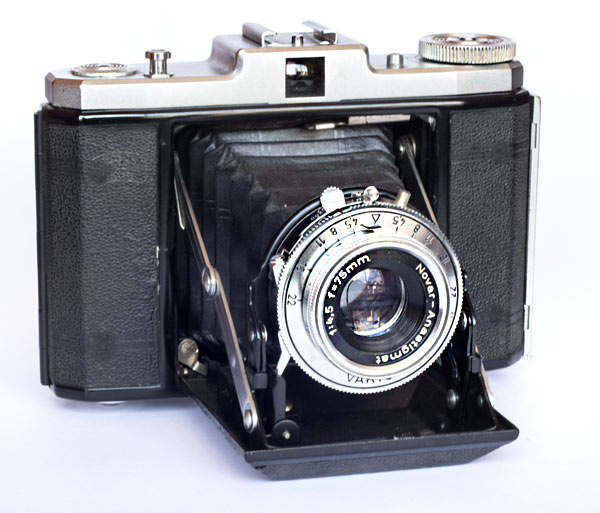
The advantage of folding cameras was their small size when closed. They had better optics than box cameras, but due to the type of construction, focusing was usually done by rotating and moving only the front element instead of the entire optical block. This sacrificed a little quality in photos at larger apertures.
The TLR space
In this scenario, the TLRs stood out as a medium format alternative with superior quality and thus became an alternative for the most demanding photographer and also for professionals. The Rolleiflex in particular, with its extremely precise and reliable construction and the reputation of the German industry, was a very attractive option for those who could settle for a fixed lens and gain the quality of a medium format.
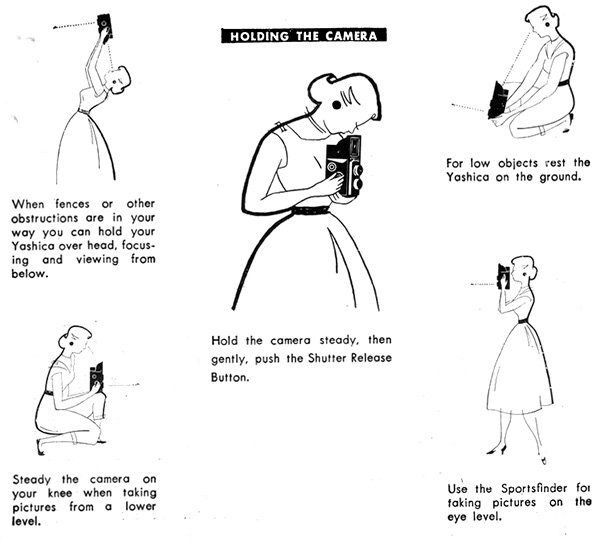
The way you shoot with a TLR already directs the photographer’s gaze. Rarely, for example, will they feel comfortable tilting the frame. They will tend to keep the camera level. Their compositions will tend to be centered, both because of the square format and the fact that the image appears to them flipped sideways.
The Yashica D
The Yashicas TLR series, although it doesn’t have the prestige of the Rolleiflex, is also very well built and reliable. It was undoubtedly positioned to offer a more economical alternative, but not one of poor quality.
The first Yashica’s TLR was called the Pigeonflex and was launched in 1953. The Yashica D only came in 1958 and was in production until 1972. It was offered with Yashikor optics, a lens with 3 separate elements, based on the Cooke Triplet, or a Yashinon, based on the Tessar with 4 elements in 3 groups. Copal MVX shutters with self timer and B times, 1 to 1/500s.

It’s really very Rolleiflex-inspired and also has the shutter speed and aperture controls operated by two disks on the front of the camera. But the selected values are visible in a small window at the top and it’s all very convenient.

Focusing is done on a large button on the right-hand side of the camera and shows the depth of field scale. On the same side is the film advance, which is automatic and locks from the first shot.

On the left there’s just a cold flash shoe, not a very convenient place, but let’s just say it’s what’s left.
For very detailed technical information about Yashica TLRs and the company’s history, visit the Yashica TLR website
In use
It’s a camera that has its idiosyncrasies. It’s not easy to get used to a TLR. But with practice, the photographer begins to feel at ease and everything becomes intuitive. Yashicas, like Rolleiflexes, were widely used by photographers at social events such as parties and especially weddings. With a powerful flash and torch held high, they focused by estimation and relied on depth of field.
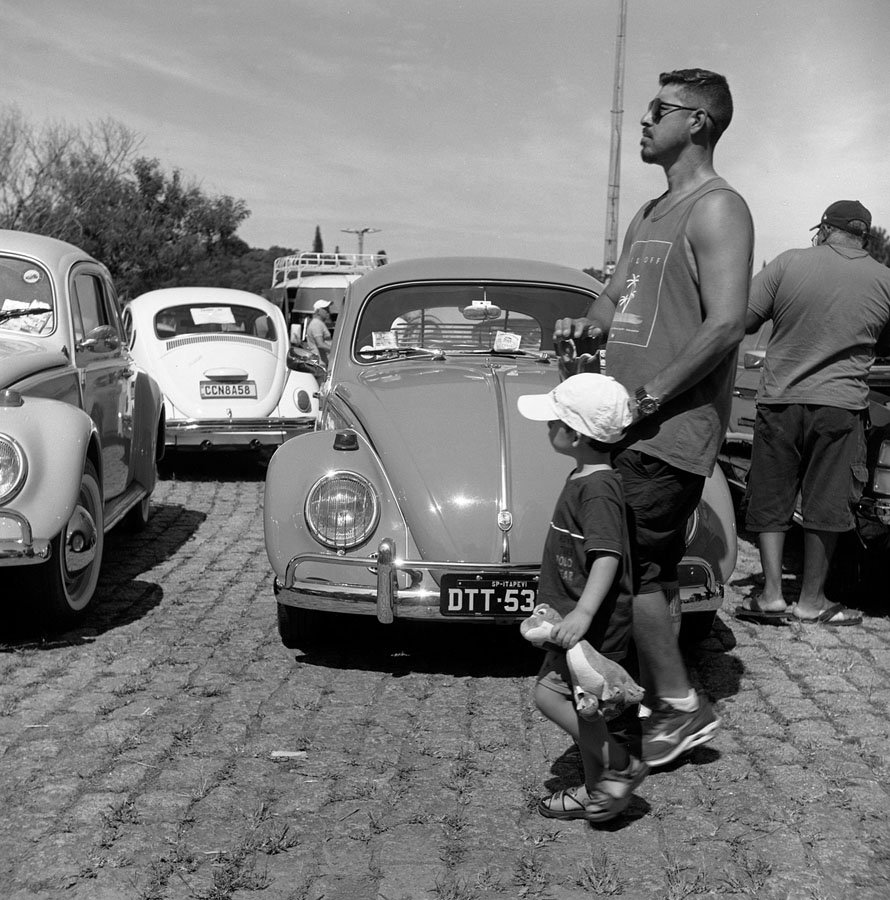
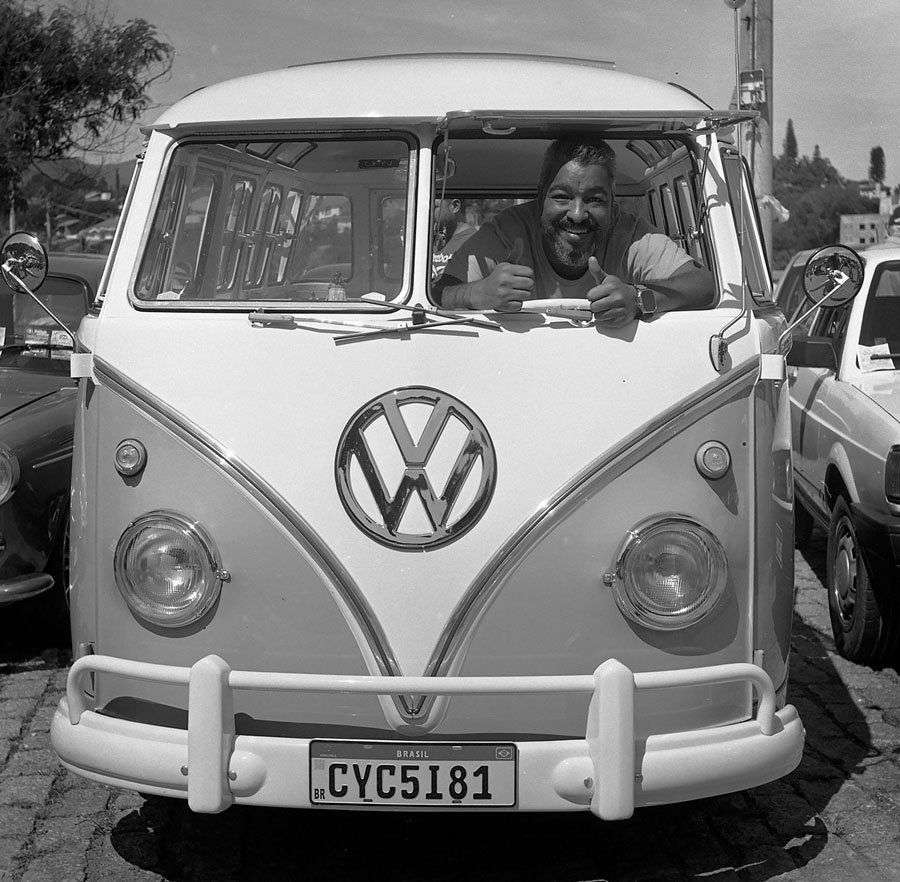
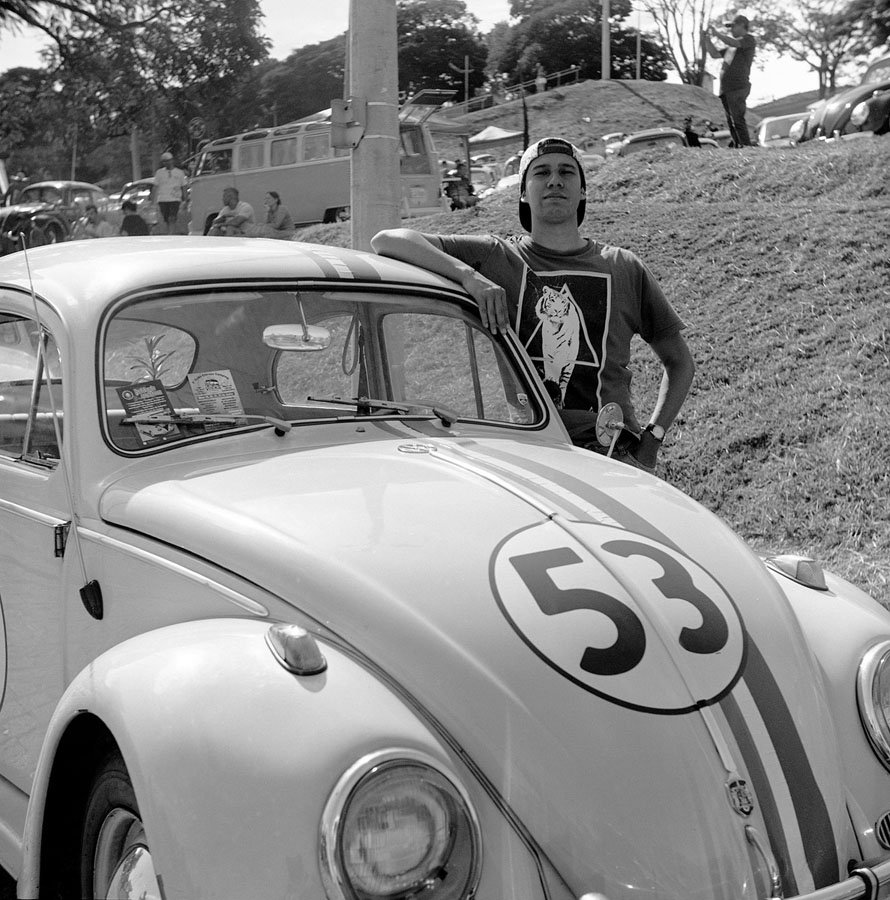
Below are some photos I took with this Yashica D, which has a Yashikor. As the Yashinon is based on the Tessar and this is a very common construction, I thought it would be interesting to use a Yashikor based on the Cooke Triplet to experiment with. In all this sunshine, I was forced to use closed diaphragms, which is an ideal condition for any lens if you’re aiming for sharpness. But in any case, the result surprised me a lot and I thought that overall the lens performed very well.
Take a look at the Yashica D in the photography timeline and see what else was available at the time.