Relic Portraits | Antonio Neto
Solo exhibition from 01 to 30 May 2026
click on the photo to see it in a light box.
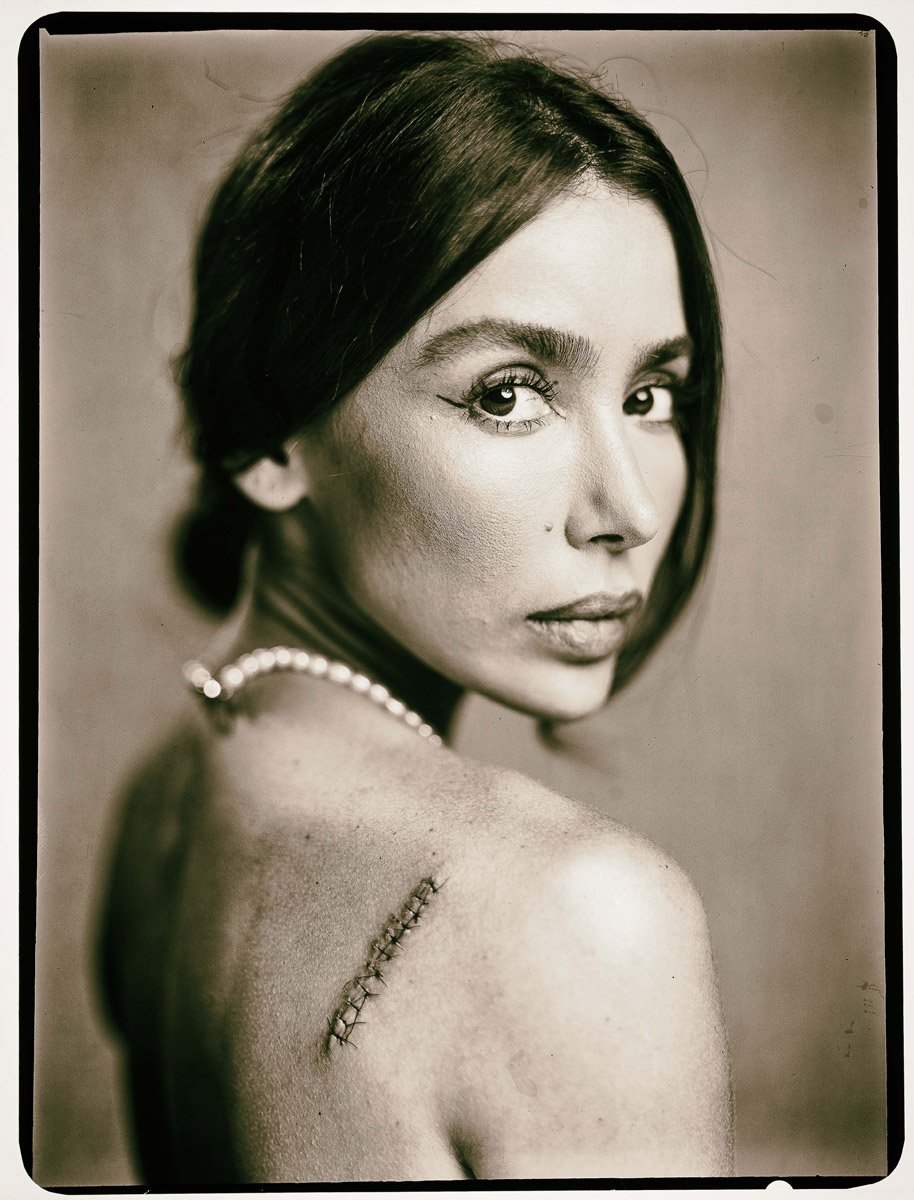
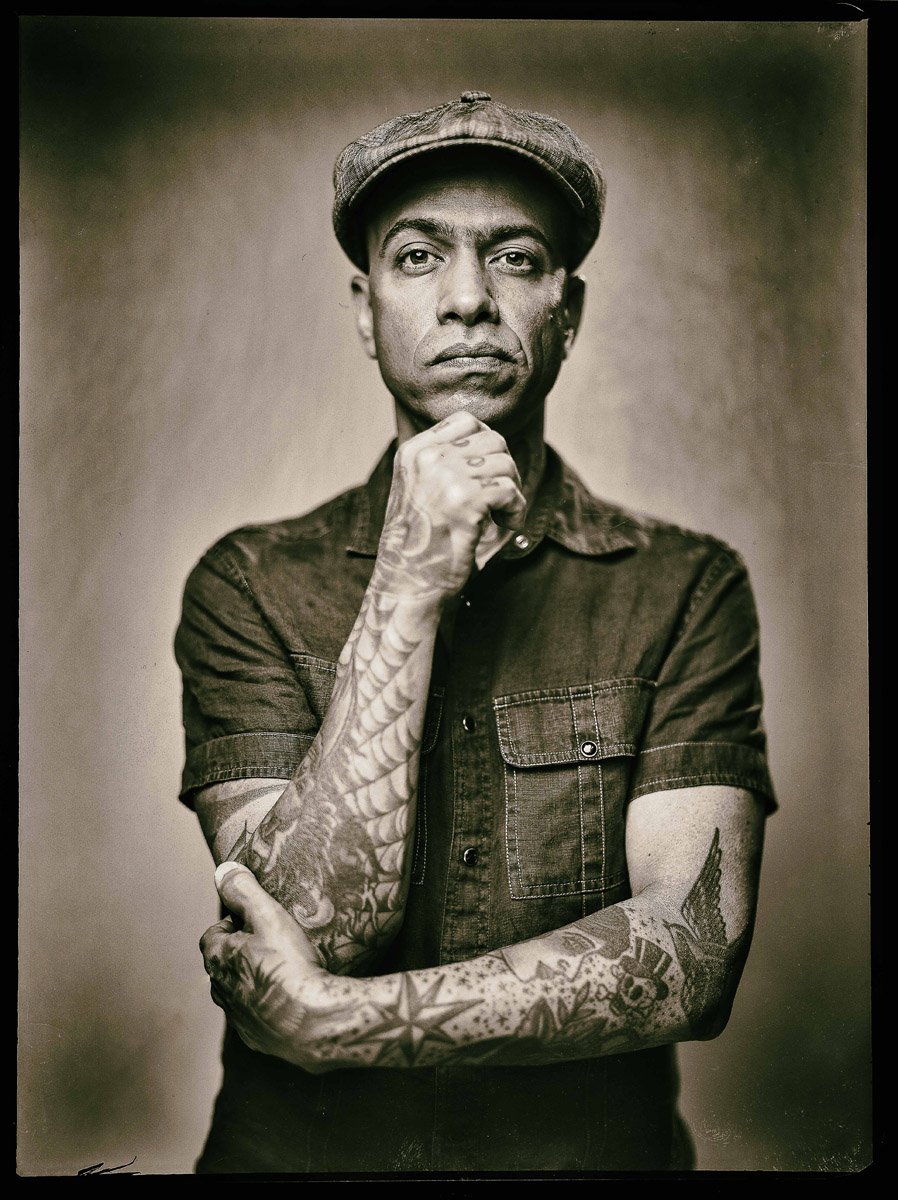
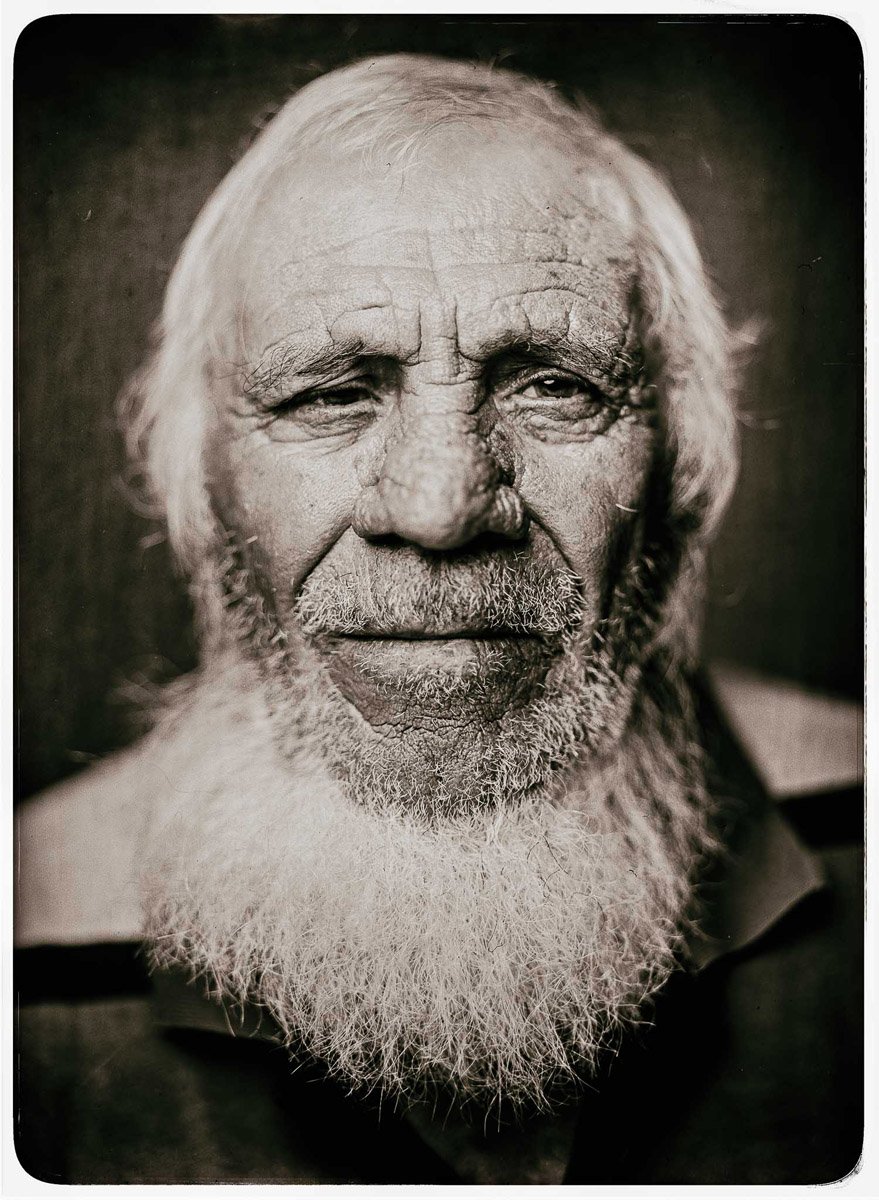
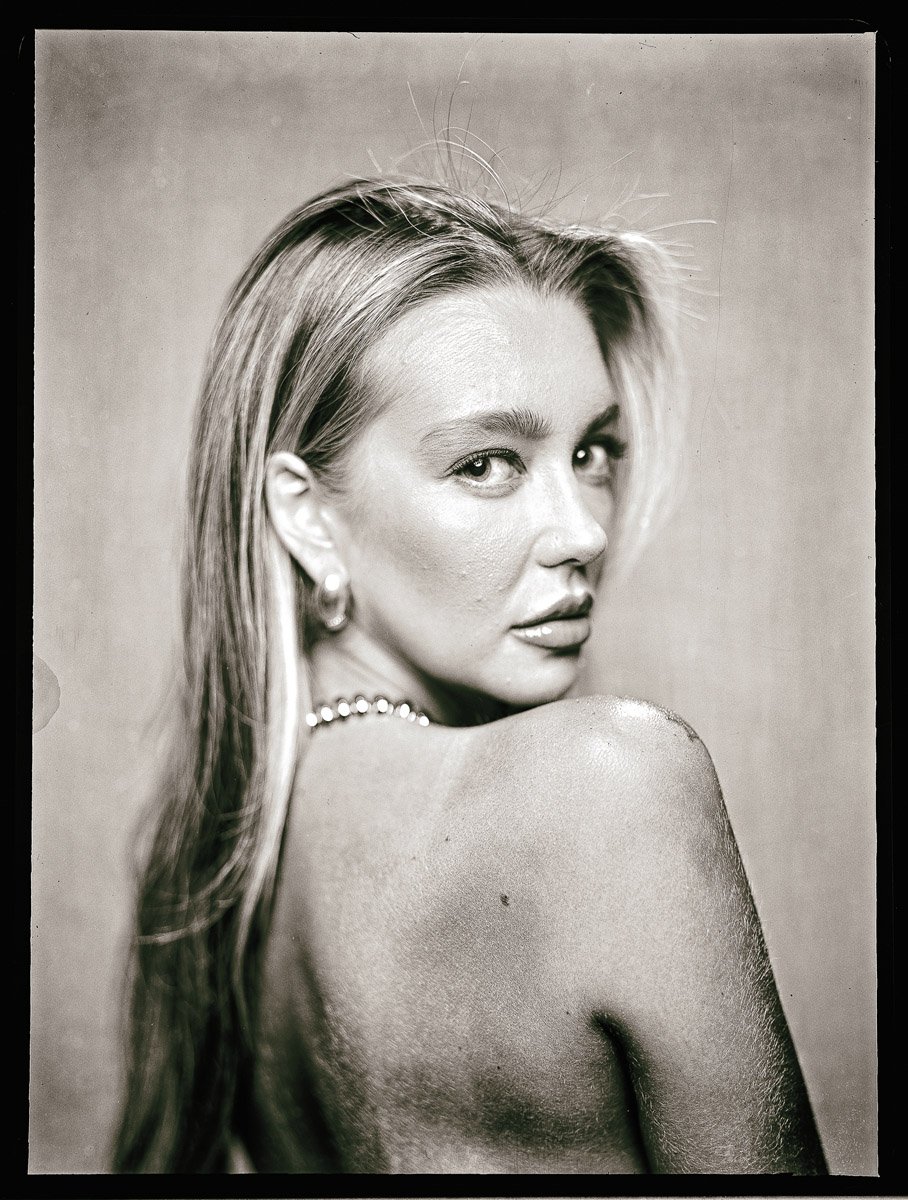
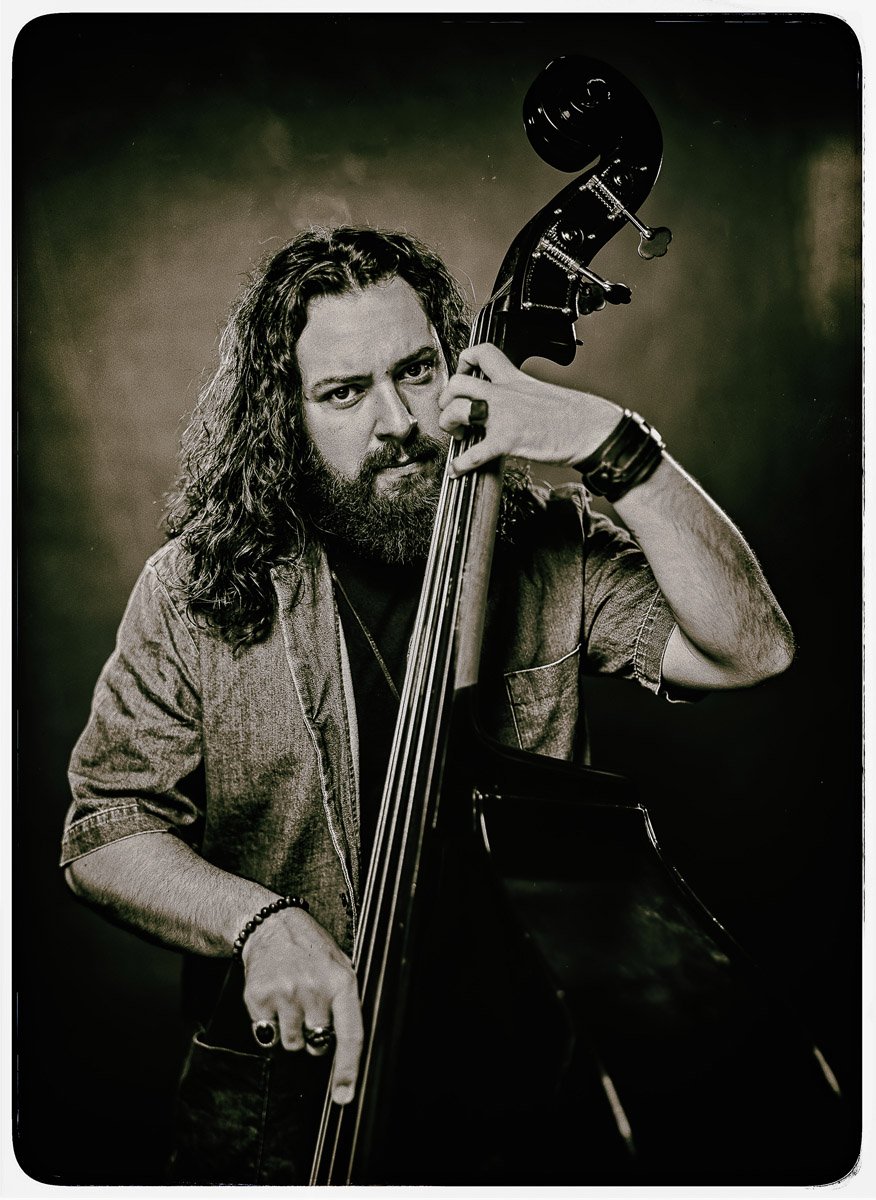
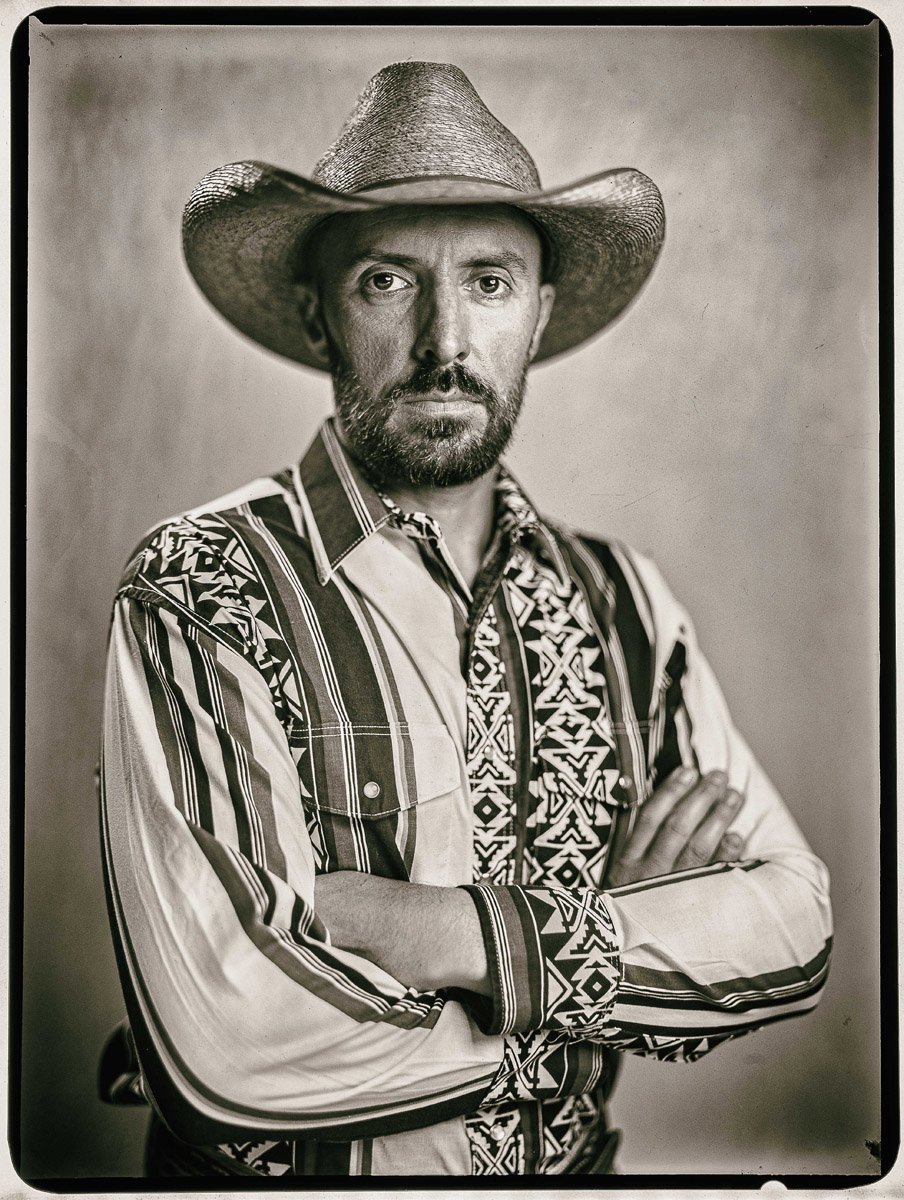
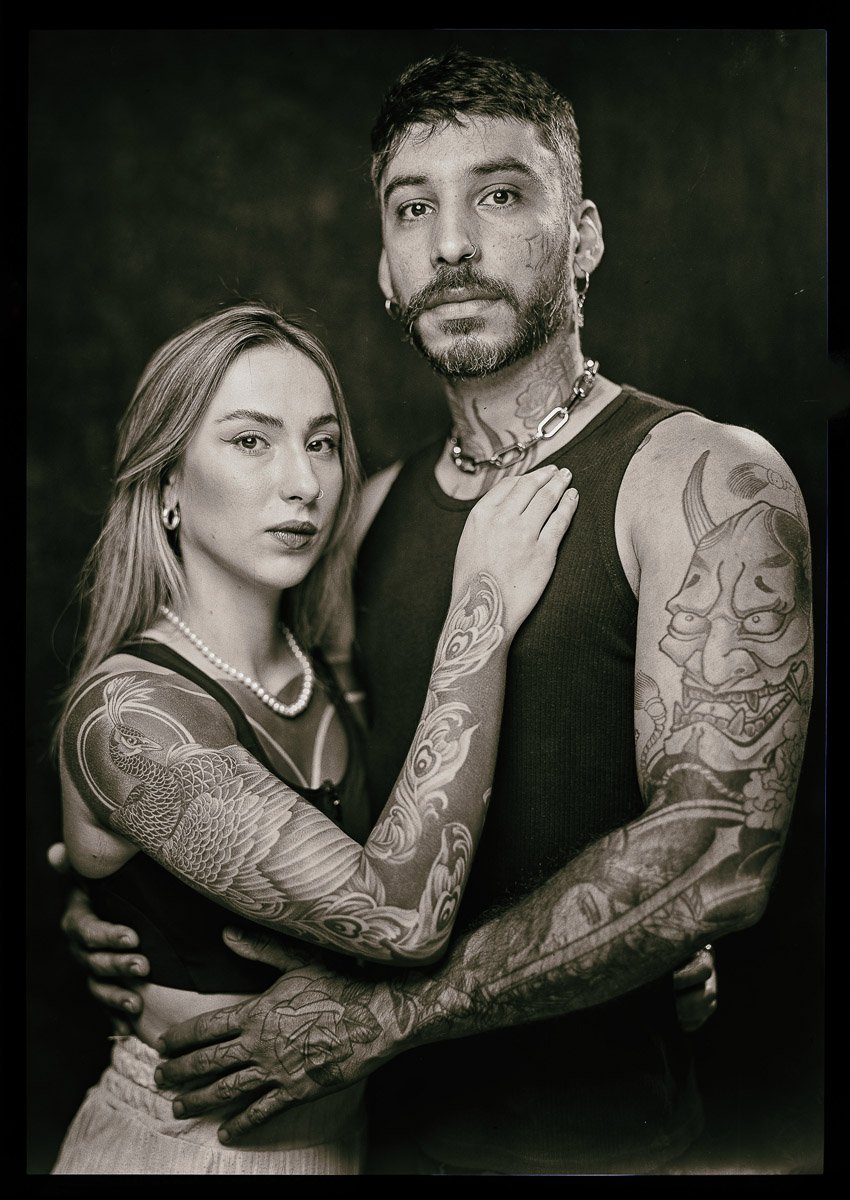
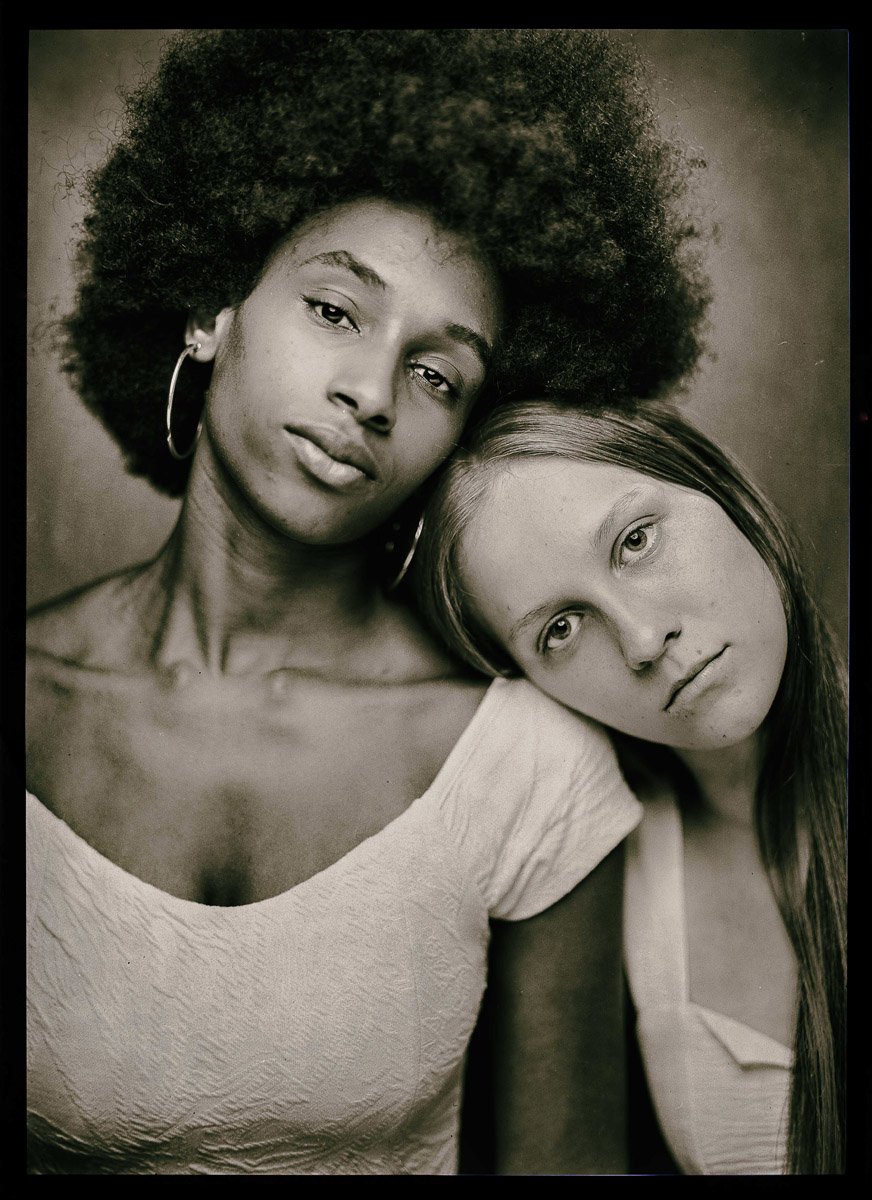
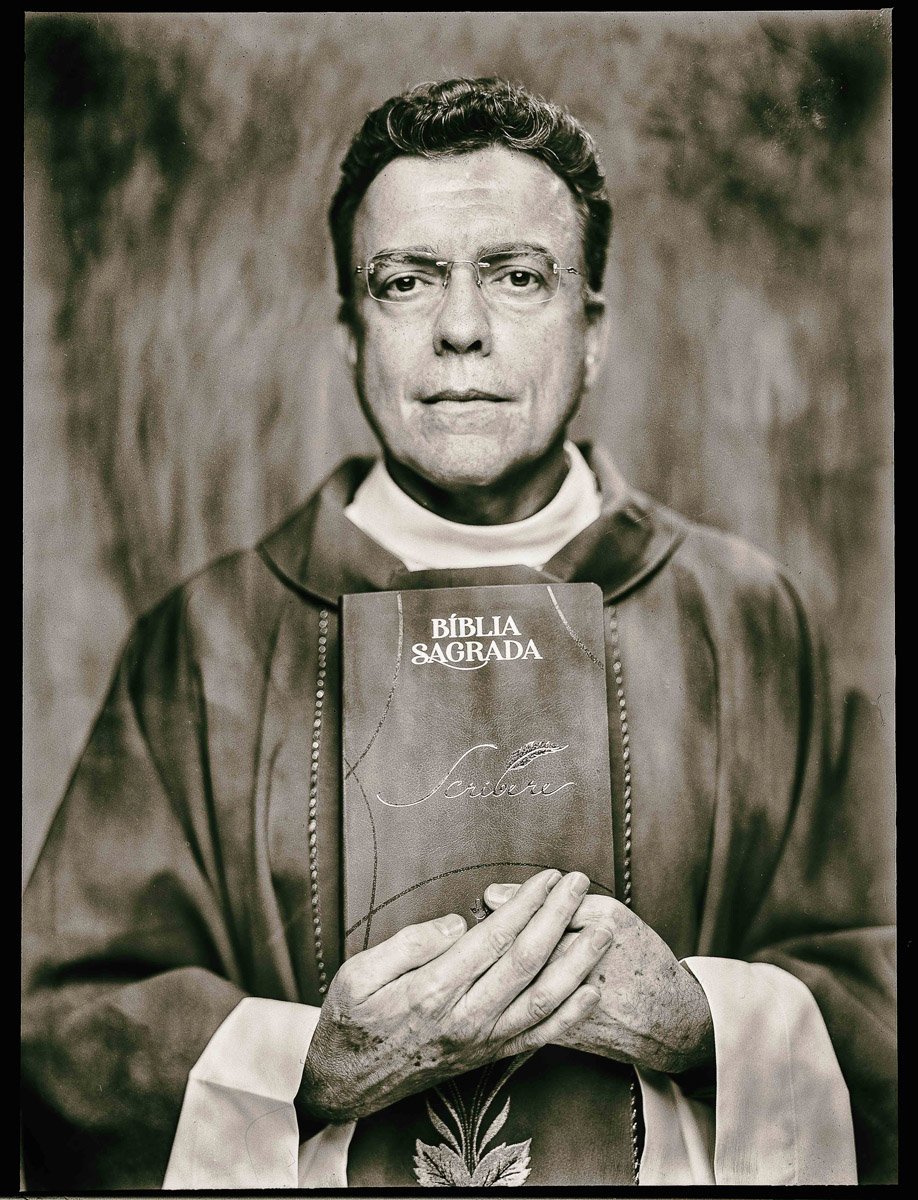
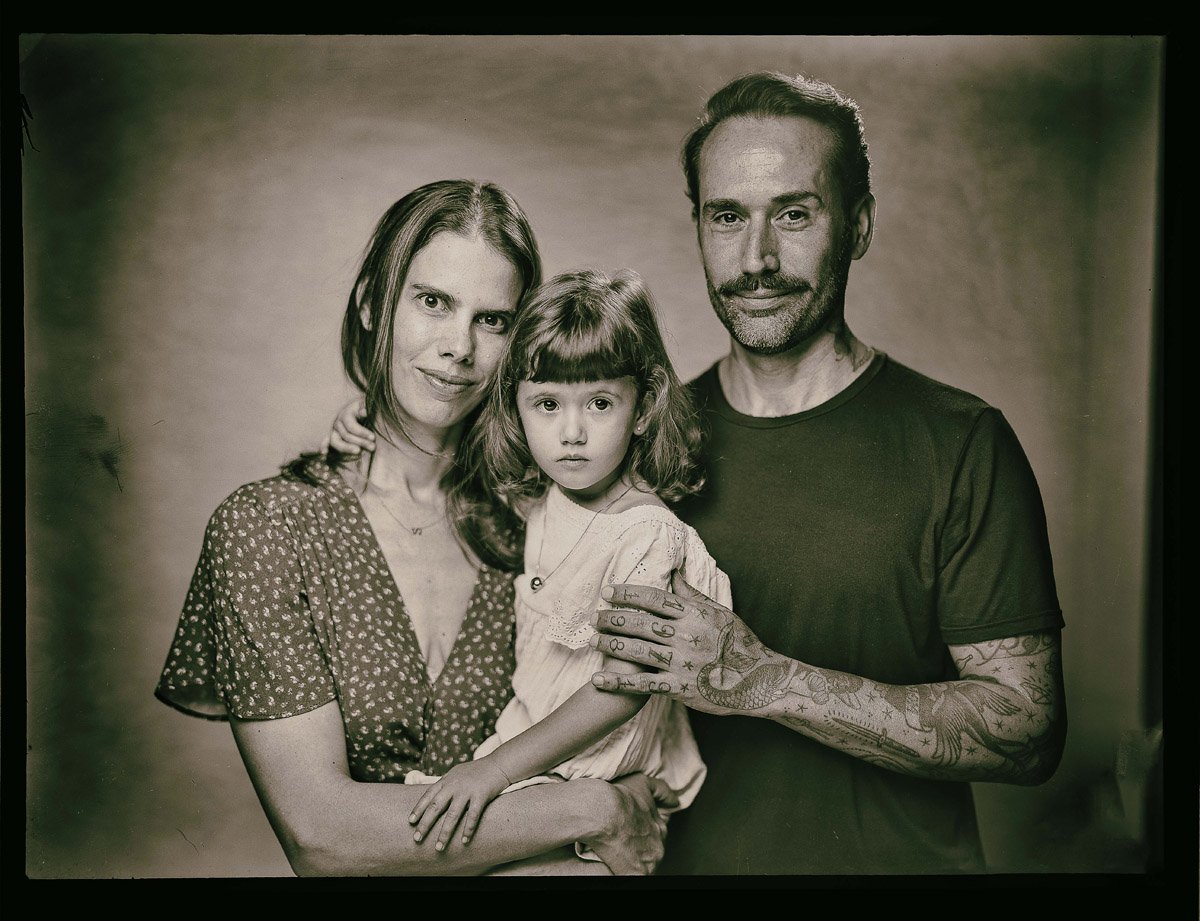
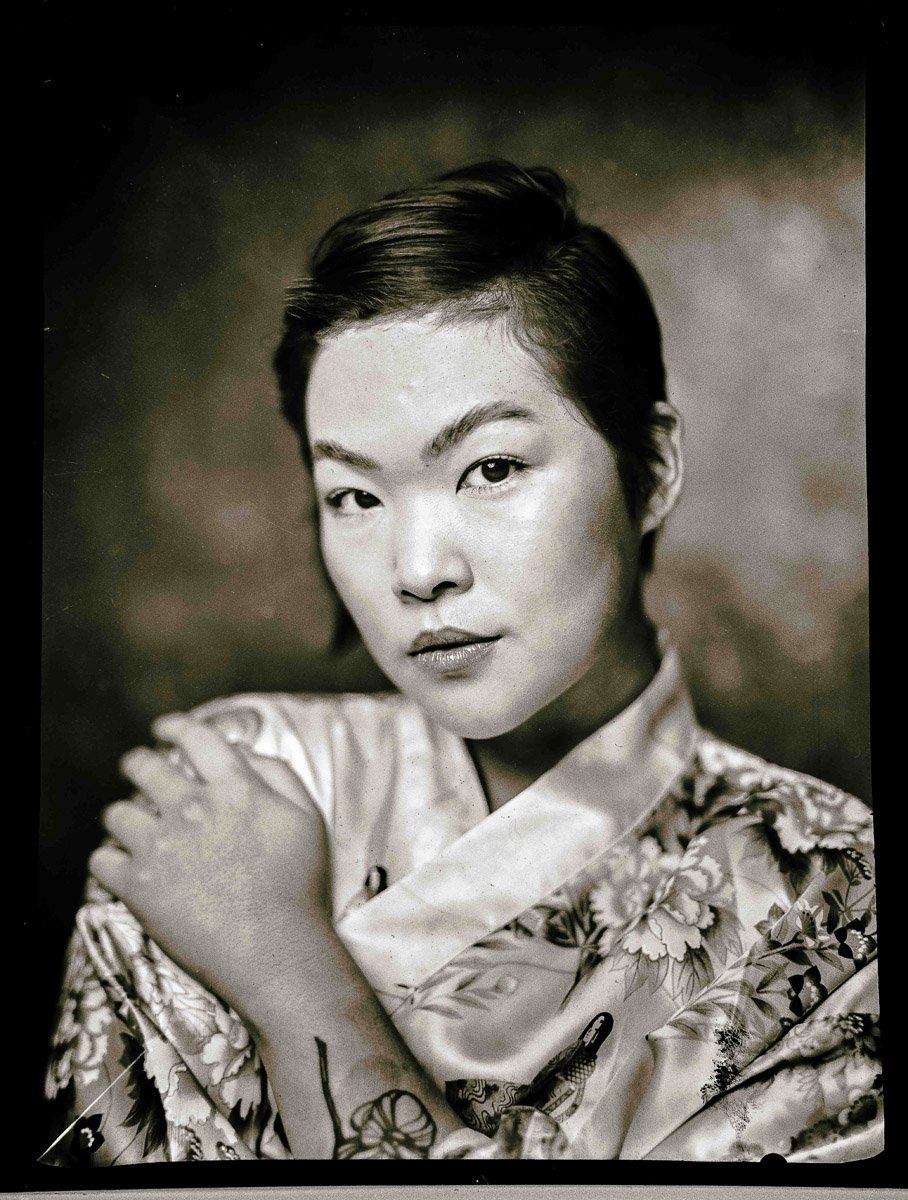
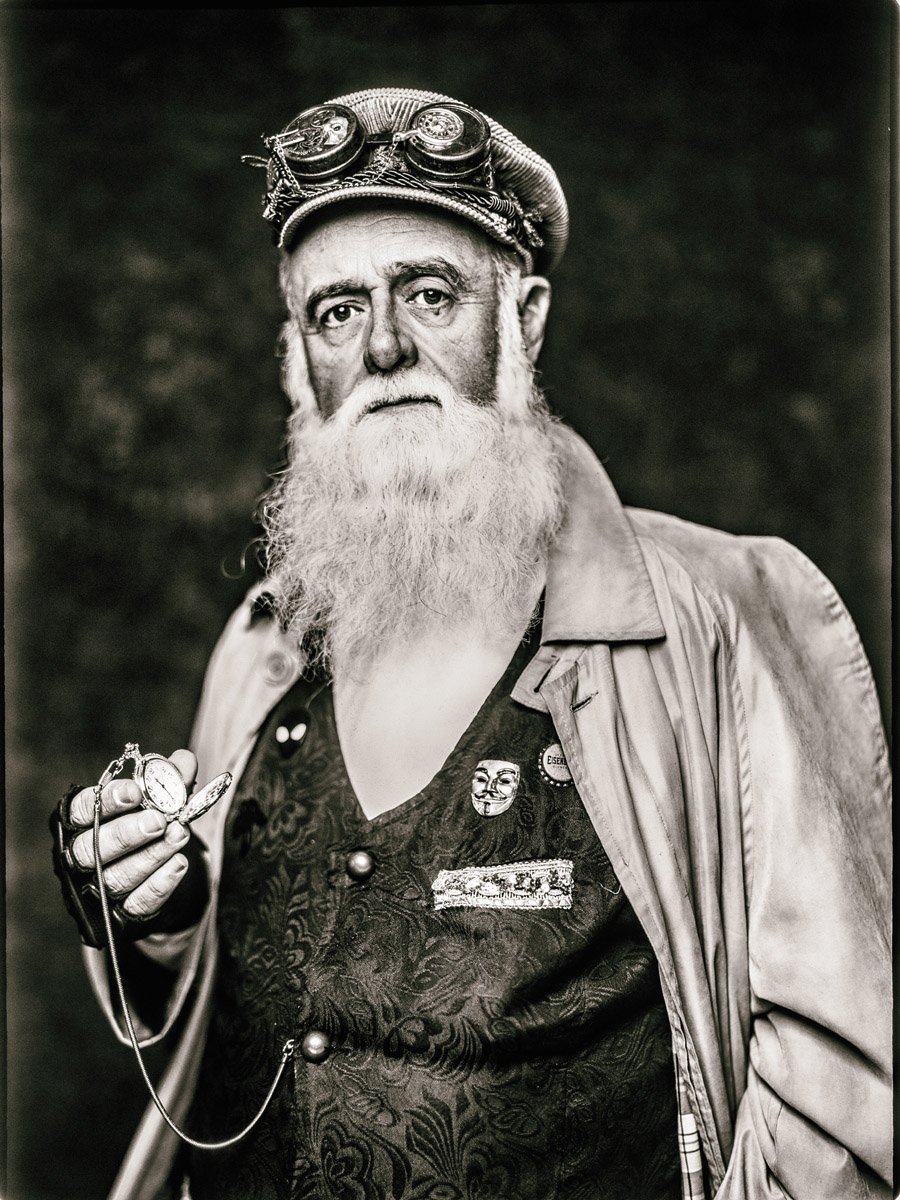
There is much debate today regarding analog vs. digital photography and which remains the better option. To the digital practitioner, it may seem incomprehensible to use film when the same results can be achieved with far greater speed and efficiency. Indeed, a .raw file offers incredible flexibility, allowing for infinite variations—including simulations of film, should the photographer so desire. Furthermore, a fine-art print provides a magnificent and enduring finish.
What this argument of efficiency fails to consider is that when what stands before the lens signifies more to the photographer than a mere image, he or she may feel a need for something digital cannot deliver. This is a need of the photographer, not the image. Were it not so, analog would have vanished entirely, for it is undeniably more laborious and limited. Especially when what stands before the lens is a being that observes, thinks, and feels, the entire context of the act—the experience of photographing and being photographed—becomes essential and indissolubly linked to the resulting object.
This exhibition features portraits Antonio Neto has been creating since 2021 as part of an independent, non-commercial project. He invites friends and, occasionally, strangers he meets by chance. All the photographs were taken in his studio in Londrina, Paraná, using an Astoria camera that produces a massive 18 x 24 cm negative. The development occurs immediately before the sitter’s eyes; they watch their own image gain form and volume within the developer.
A relationship of intense exchange is established. When asked about people’s reaction to this analog ritual, Antonio Neto explains: “The experience is completely different, especially the temporal experience—the adjustments that take much longer. The exclusivity of it, the fact that there is only one ‘click,’ is another differentiator that makes people reflect.” The work and dedication the photographer directs toward the sitter is a form of deference—a way of thanking them for the offering of their image.
This harkens back to the 19th-century studio tradition, where a certain magic always surrounded the portrait process. Entering an environment that resembles a stage, knowing that one’s “likeness” will be captured by an “artist” mastering the art of light through a strange apparatus—this is a ritual. The resulting object eternalizes a moment, a face, an attitude. There is a distinct mysticism in the art of the portrait.
Unlike painting, where an artist “notes” the features of a subject, in photography, it is the light itself reflected from the face that records the image, as if it were a unique physical mold. It is a cast taken directly from the sitter’s features. This is precisely where the digital spell is broken. The sensor is impassive. Like the painter, the sensor observes and notes what it sees—not on paper or canvas, but in an electronic file. The sitter’s light leaves no physical mark; it is ephemeral, translated only into a sequence of bits.
Analog photography possesses a characteristic that allows it to function as a relic. Its essence is the material relationship it establishes. Like relics, it can bring us the presence of saints, of loved ones, or even of the feared. A portrait of a dear person, etched on film, enters the territory of drawers alongside a lock of hair, a perfumed handkerchief, or a handwritten letter. There is something of a shroud in every analog photograph, for it is the physical imprint of what it portrays.
Wagner Lungov
Watch the video introducing the Astoria 18×24 camera and the studio process that Antonio Neto uses for his portraits: