Take pictures with your heart | Tiago Pedro
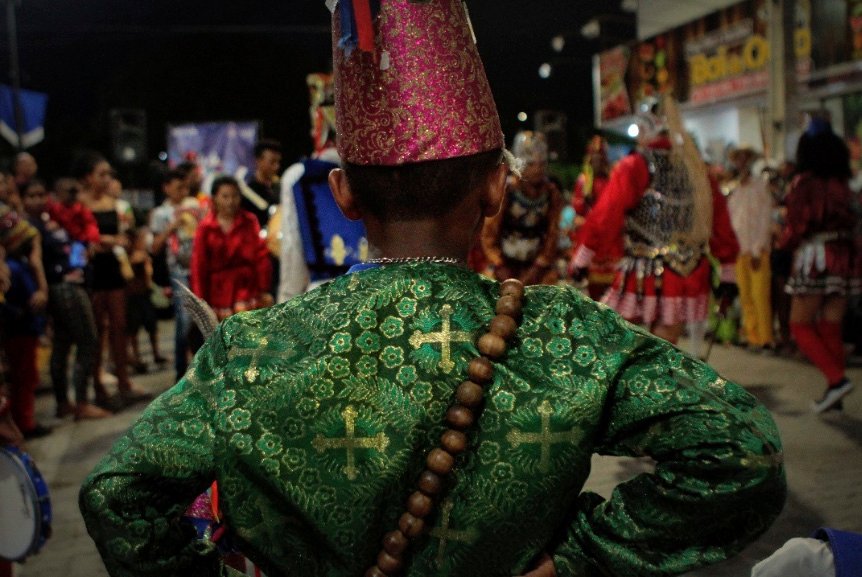
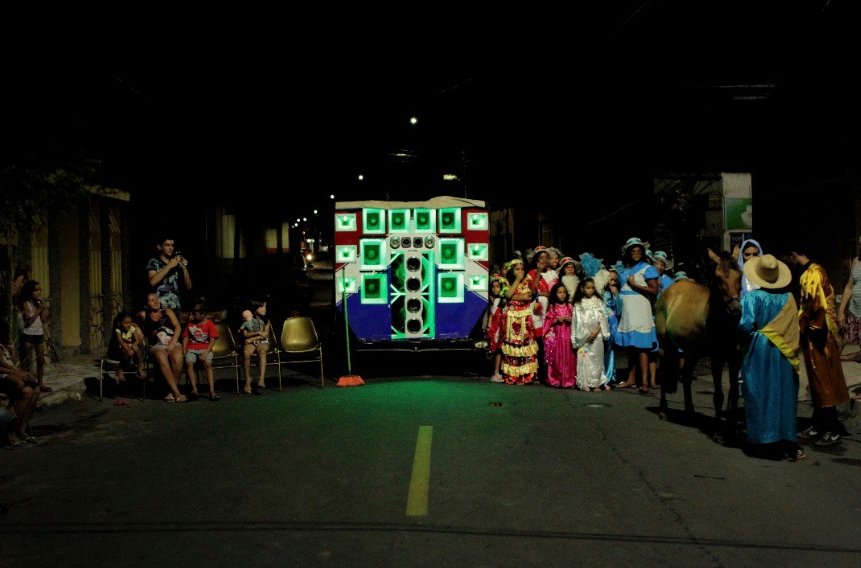
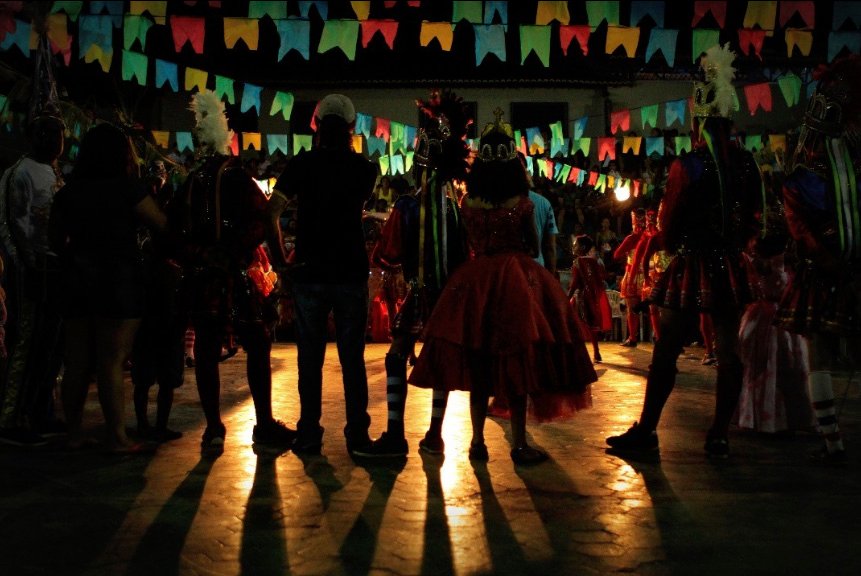
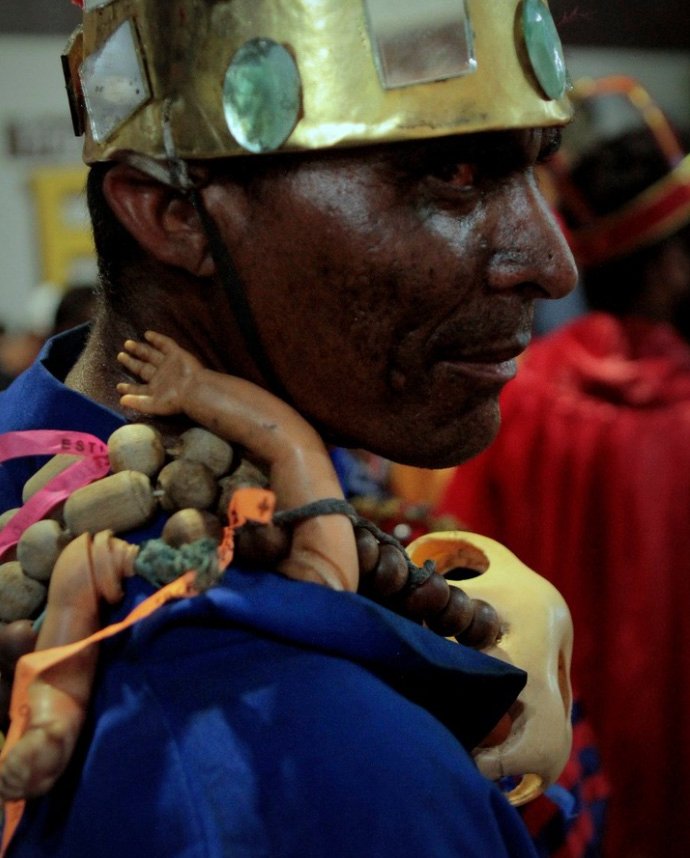
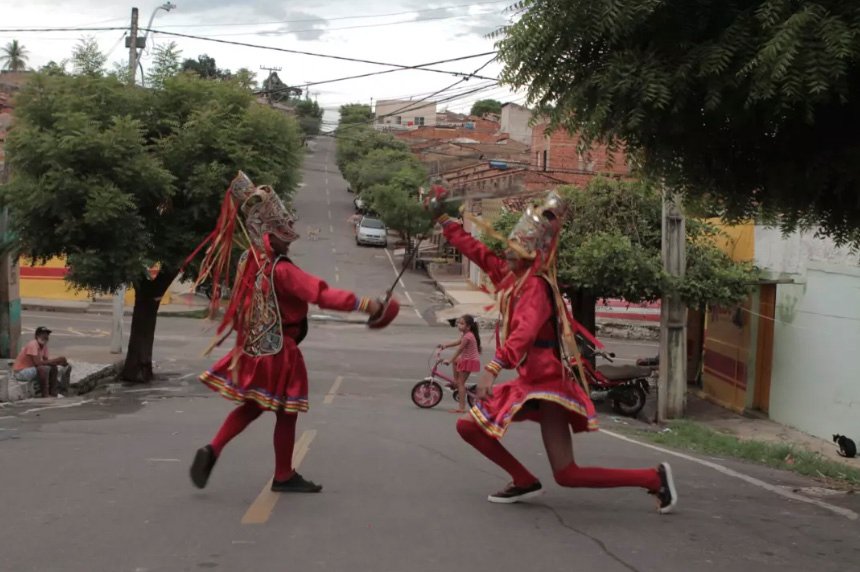
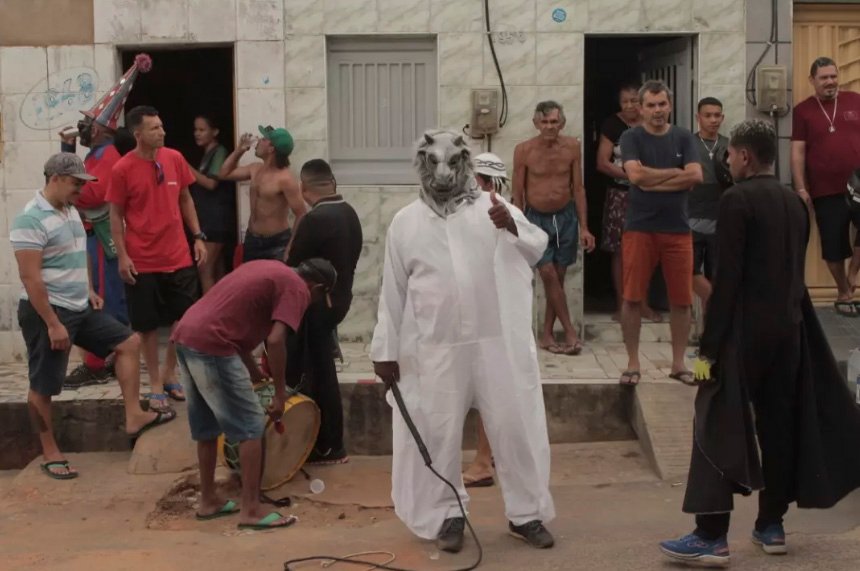
The photos in this exhibition were taken in the Cariri region, located in the south of Ceará and extending into Paraíba and Pernambuco. Cariri is home to the Chapada do Araripe, an oasis of dense forests, surrounded by the fierce caatinga. It is also home to the city of Juazeiro do Norte, the land of Padre Cícero (1844-1934), a bastion of the deep religiosity that still dominates the region today.
Much of Brazil’s cultural imagery and identity has its origins and is still very much alive in Cariri. If the south of the country added new nuances to this identity after the migratory movements of the 20th century, in the northeast the history goes back to the colonial period and thus has the weight of an ancestry that gives it the flavor of a more authentic Brazil.
With all these contrasts and historical importance, the region is an invitation to photography, especially “travel” photography. It’s a perfect destination for those in search of “roots”, albeit alien ones, as it offers a component of exoticism, with its “different” types, architectures, colors and landscapes.
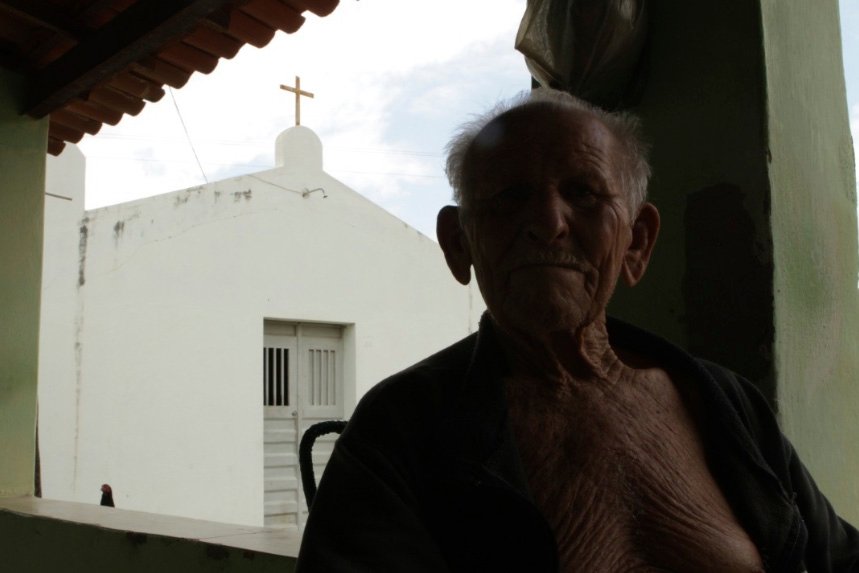
But what if your roots are actually in Cariri? How not look like a tourist in your own land? Tiago Pedro, whose great-grandfather had to flee to Juazeiro to ask Father Ciço for protection so that he wouldn’t be killed, gives the central clue to this disturbing question: “Take pictures with your heart”.
Ever since its invention, the idea of bringing distant worlds closer has excited legions of photographers. Just think back to Daguerrean Excursions, published by Noël Paymal Lerebours in 1941/43. It brought the monuments of Greece, Egypt and the Middle East, among others, to the attention of those who had never been or could never be in these corners of the world. Publications such as National Geographic continued in the same vein throughout the 20th century. Photojournalism, with the so-called Humanist current, also moved in the same direction, constructing a universality that permeated all global cultures through photographs such as those in the exhibition“The Family of Man“, curated by Edward Steichen.
But since photography is not as objective as we often try to believe, there is a code or a way of making these didactic images that aims to give the experience of looking at them something very close to looking at reality. Typical National Geographic photos are sharp all over and look for angles that allow the volumes and shapes to be understood as fully as possible. This is how they seek to satisfy the curiosity of their subscribers, the so-called “armchair travelers”.
This standard was influential and shaped the canons of amateur travel photography when carried out by the “expert”, the amateur who traveled with tripods, several lenses and top-of-the-line cameras. Especially within the photo clubs, in the category of tourist photography, there was an understanding of what a “perfect” photo would be.
The interesting thing about this type of photography is that at the same time as the image produced is close to the experience, it puts a distance between the subject and the photographer. Sometimes it seems that the latter is more occupied with his equipment and readers than with his subject. His relationship with the subject is aestheticizing. It’s about making the image a good example of an image, without bringing into it any relationship between the photographer and the subject. It’s as if he’s looking for his own exclusion, the perfect cliché according to the conventions in vogue. Obtaining it, is proof of his expertise.
On the other hand, the “ordinary” amateur, or simple user(usager, as Clément Cheroux called him in his Vernaculaires), the ones that George Eastman understood so well that he sold them a camera that photographed so badly, was not at all concerned with showing off his photographic skills and knowledge. His interest was in recording family moments, walks, vacations, places he had been, etc. He was not an observer but a participant in the events. That’s why the mere recognition of people, places and occasions, perhaps aided by a caption, was enough for his photo. The important thing was to be able to say: this is me with my loved ones and we were there.
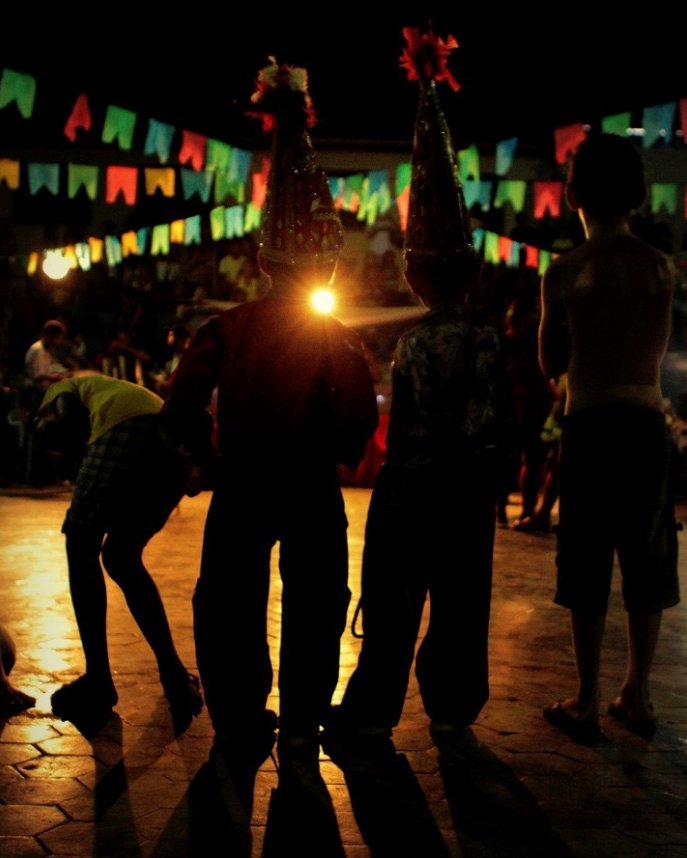
Looking at the photos in this exhibition, taken by Tiago Pedro, I suggest we think that in them he creates a space that borrows a little from these territories of images and materializes something that gives substance to his maxim “take pictures with your heart”.
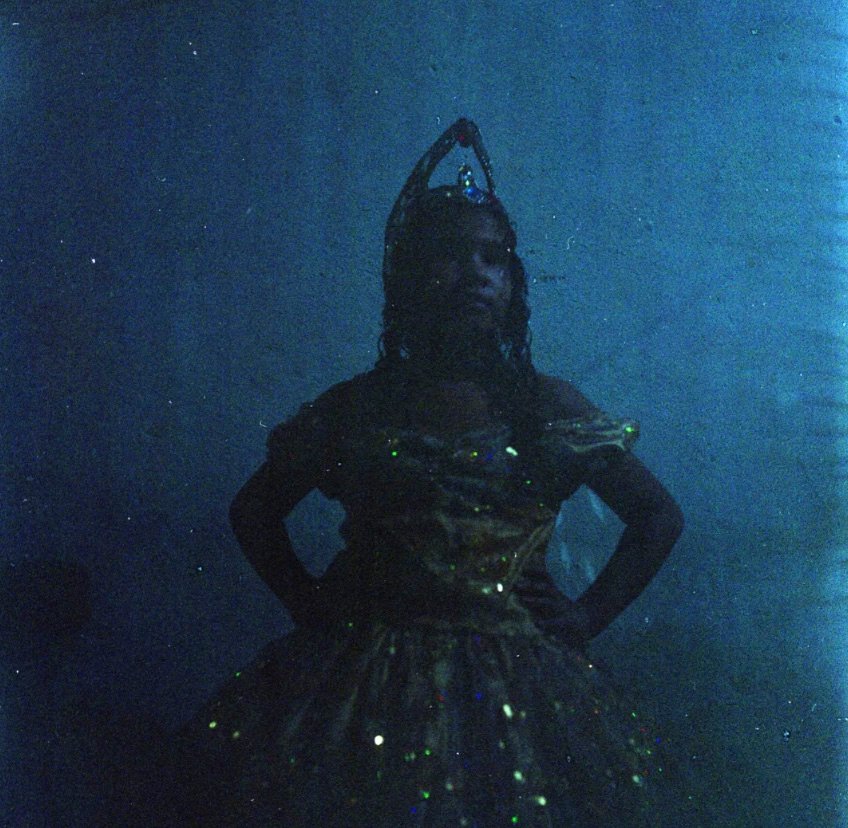
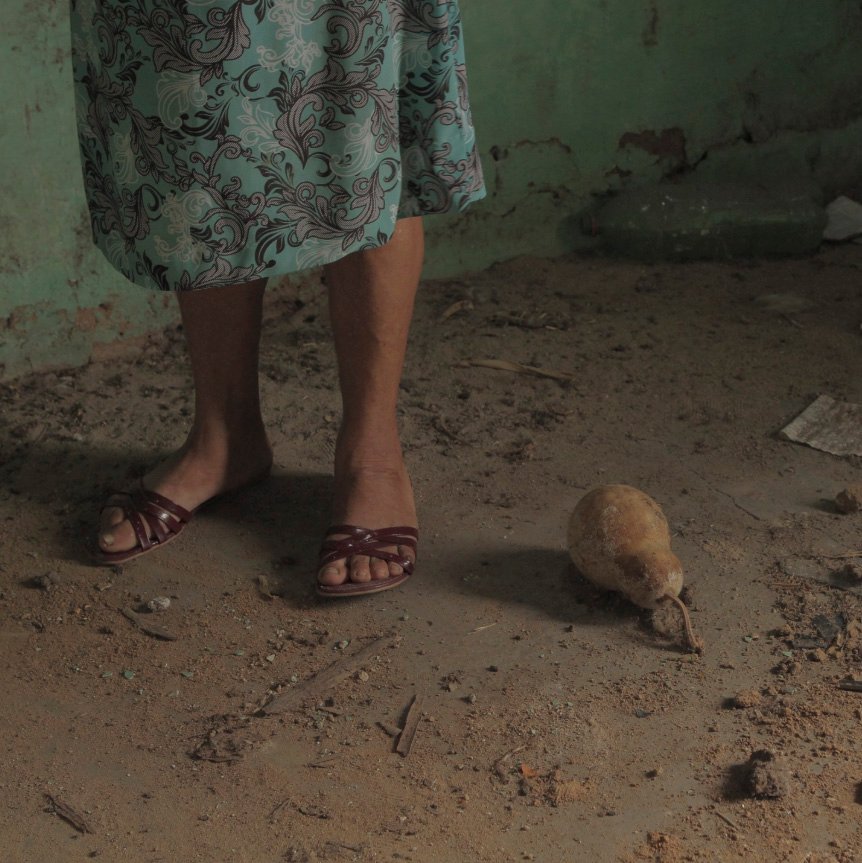
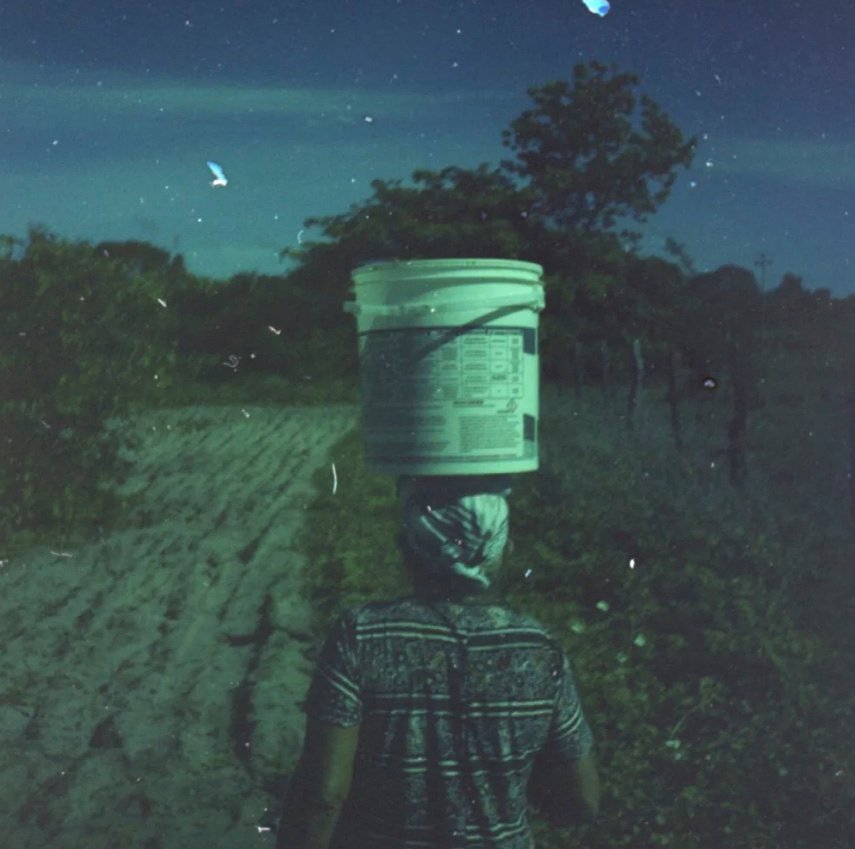
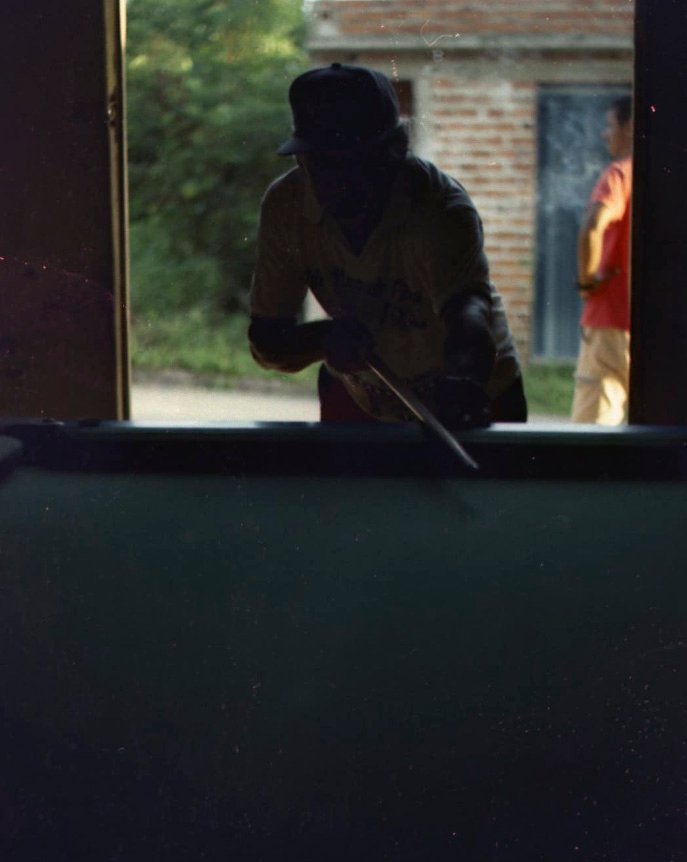
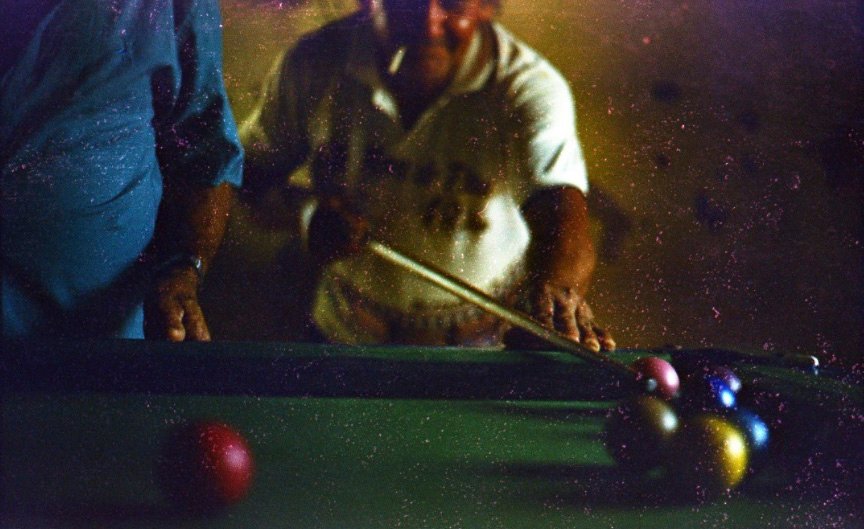
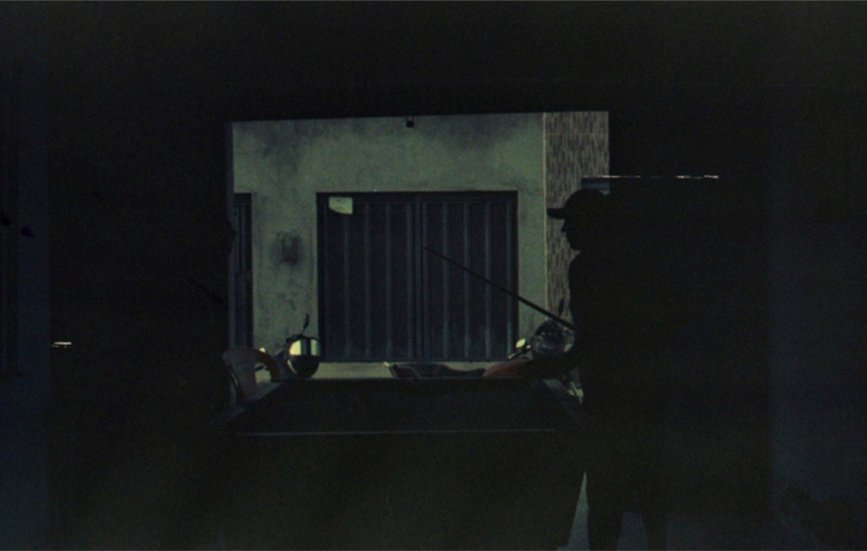
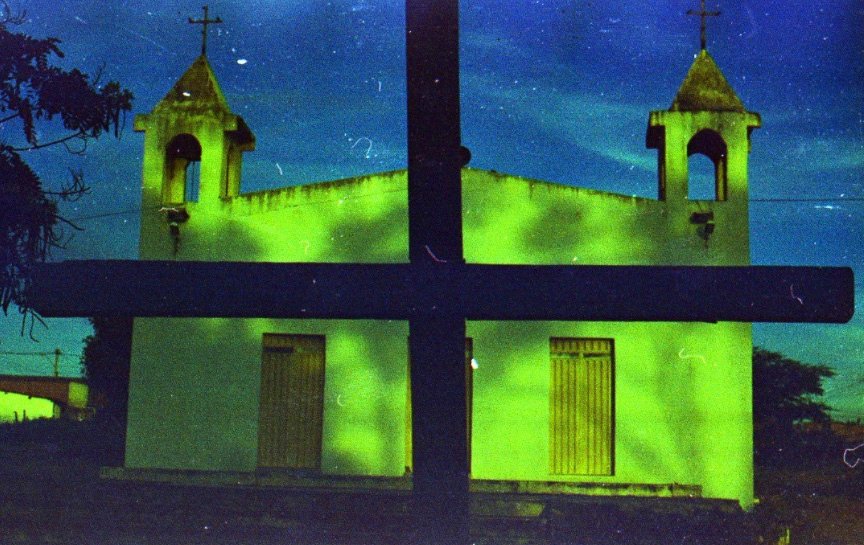
There is an open denial of the “perfect photo”. The ways to escape this risk are, for example, the use of expired film and a certain disregard for standard developing procedures. He even expresses this with a caption on one of his photos that reads: “Against the perfect photo”. I see this as a way of breaking down the distance that attention to equipment would impose if he were concerned with technique. It’s a way of getting closer to what he’s photographing, much like the amateur taking family photos, just for the fun of it, knowing that the photo will only be a souvenir, an index of his experience at that special moment with those he loves.
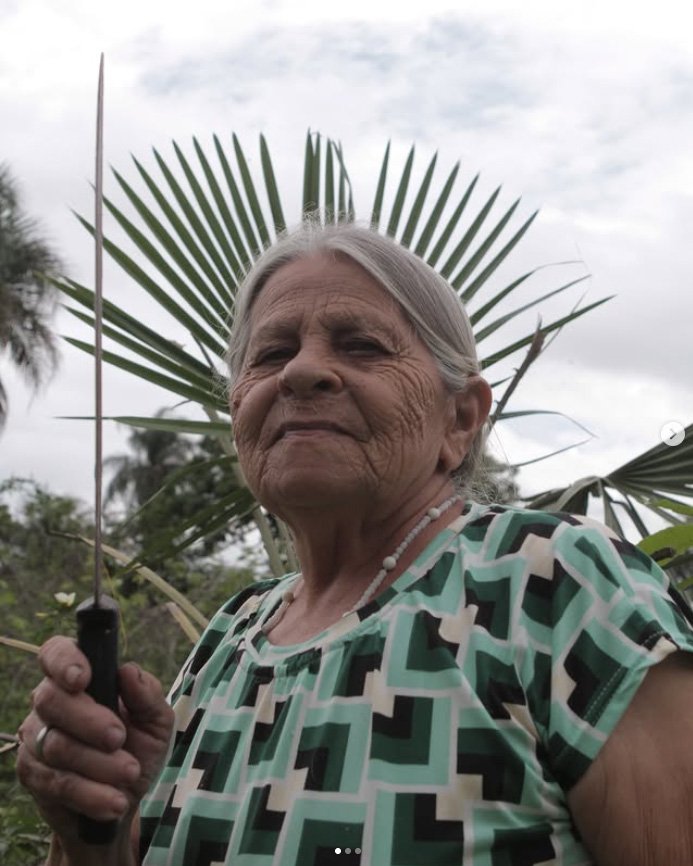
At the same time, it’s clear that this is far from amateur photography. Tiago Pedro uses some of his attributes only to situate his images away from what might appear to be “tourist” shots. His filmmaker’s eye can easily do without the resources of classic reportage-style photography and create uniquely beautiful images without them. On a second pass, after the strangeness of the tonal scales, the fuzzy contours and the dust reminding you that the surface of the photograph exists, you can see a great deal of care and sensitivity with the organization of the elements in the photo. For example, Dona Maria with the machete has a palm tree in the background that resembles a headdress or helmet, as if it were on her head. Suddenly she becomes more of a “warrior”.
The deliciously ironic side of all this is that after feeling the force of other elements acting on our perception, after falling into the trap that the artist has set for us, we come to like the blurs and scratches because they tell us something about the genesis of that image, about the photographer’s intention and his intense relationship with the people he photographed.
But in this field of associations, about how formal and semantic elements are articulated to twist and expand meanings, the analytical tools are very limited. I won’t venture any further. It’s best to let our eyes wander and our memory bring out in feelings of what is unspeakable in discourse.
Wagner Lungov
About Tiago Pedro
Philosopher, photographer and filmmaker. He has a master’s degree in communication from ECO – UFRJ and is currently studying for a PhD at the same institution. He studied Cinema at the renowned EICTV – San Antonio de Los Baños Film and Television School – in the Documentary specialty, during which time he took Master Classes with Ford Coppola, Brian de Palma, Abbas Kerostami, Herne Herzog, Naomi Kawase, etc. Her documentary thesis A Primeira Foto premiered at the É TUDO VERDADE INTERNATIONAL FESTIVAL, winning the CANAL TV BRASIL acquisition prize. He began his audiovisual studies at the Vila das Artes audiovisual directing technical course (2013-2014). He began working professionally in cinema in 2008 with a film for TV Brasil called Objetos que transitam and in 2013 he took part in Rumus Itau with the project O centro Invisível.
E-mail: tiagofelps@gmail.com | Instagram: https://www.instagram.com/tiagoce2011/