Claudio Machado | The Great Universe of Little Flowers
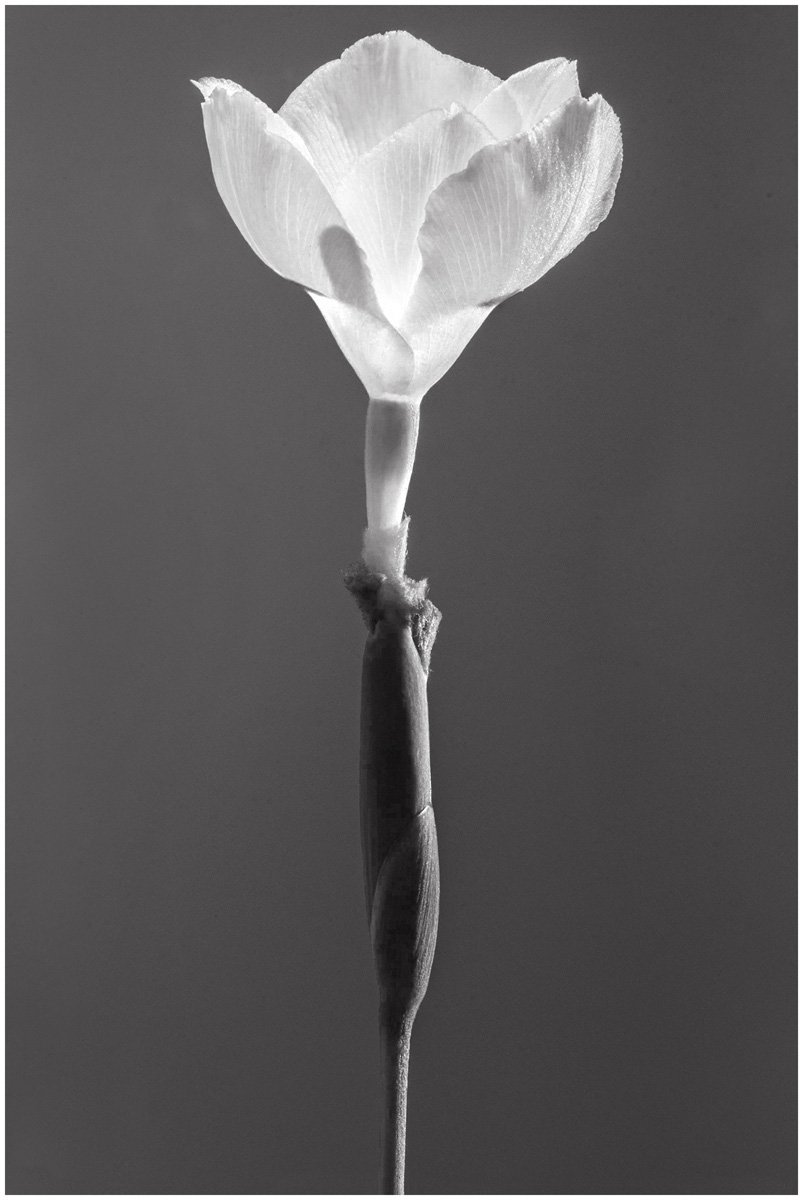
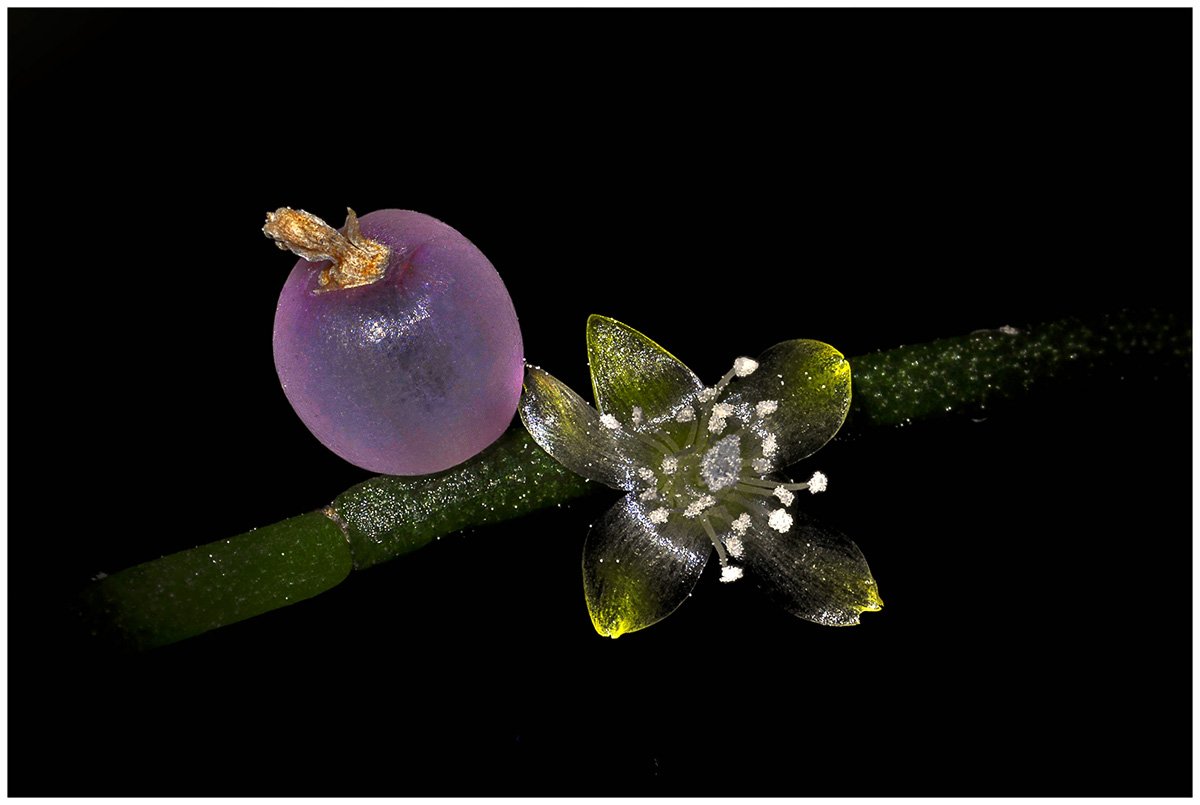
Click on the image to view a larger version in a lightbox
When, during the Renaissance, around the year 1500, nature became a model for art, the goal of simply copying it—of painting what the eyes saw—actually seemed like a lesser goal, unworthy of the artist. What artists sought was to recreate a perfect nature—one more perfect than nature itself. This is summed up in the oft-quoted maxim found in the treatises of that era: “Art must surpass nature.”
A camera, which at first glance merely records what is in front of it—even if it does so accurately—would, to a Renaissance artist, be a machine of no interest and incapable of producing a work of art.
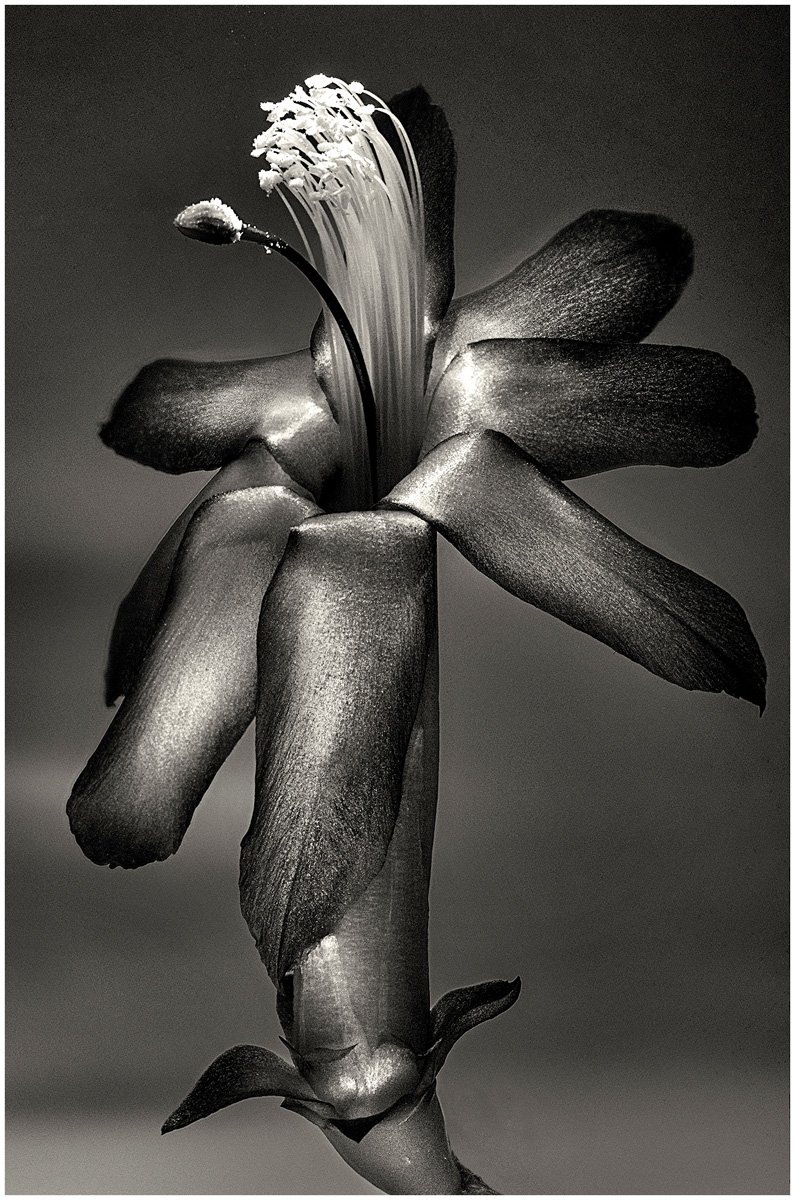
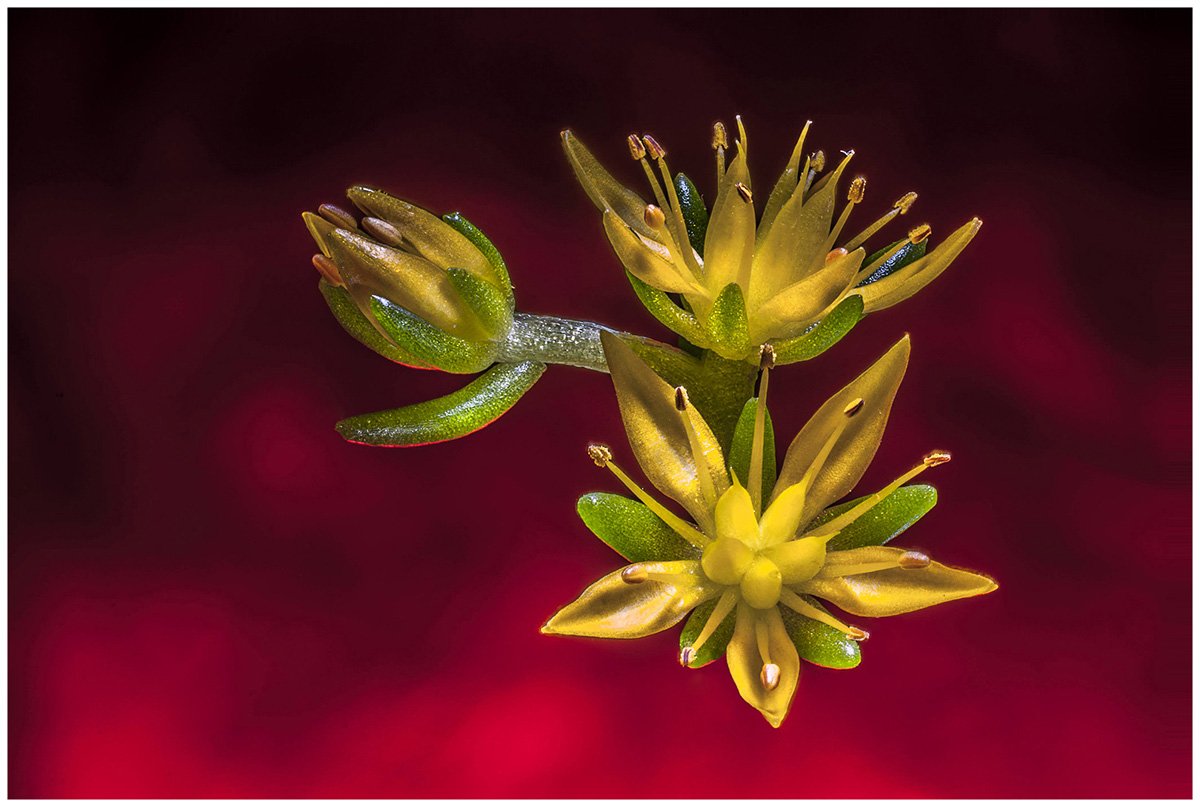
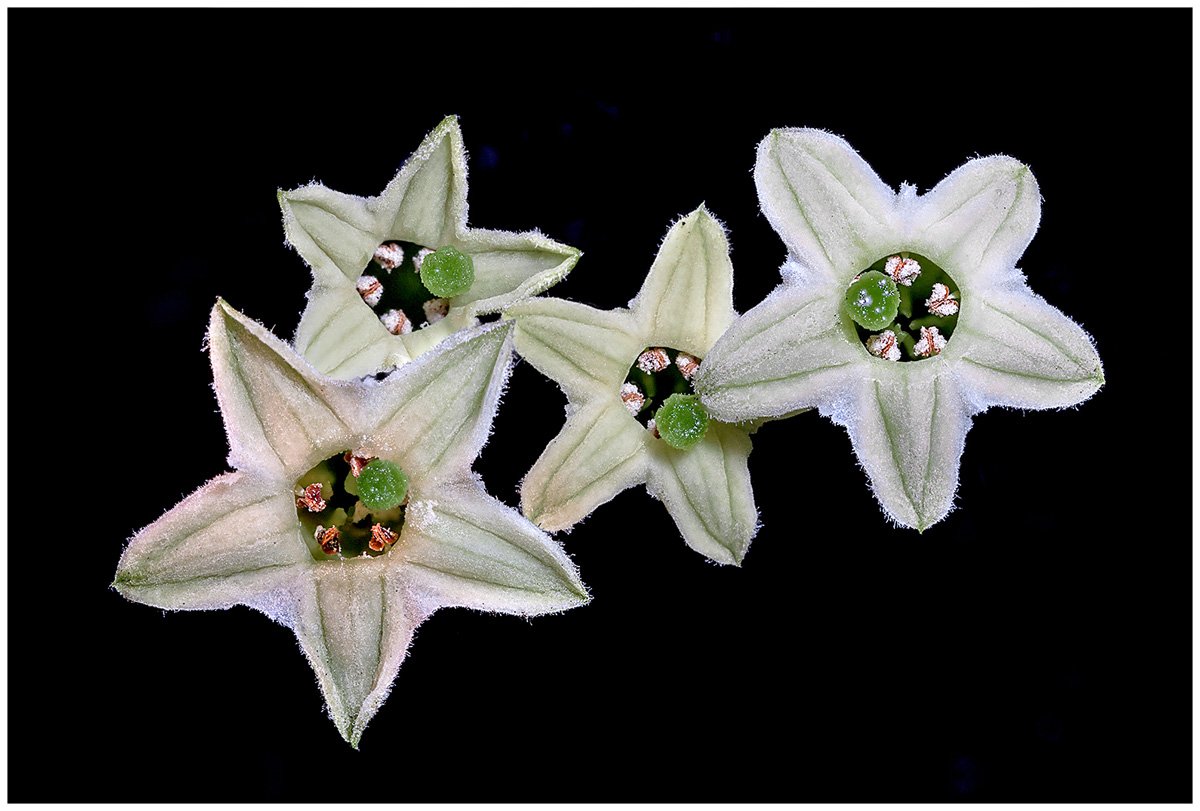
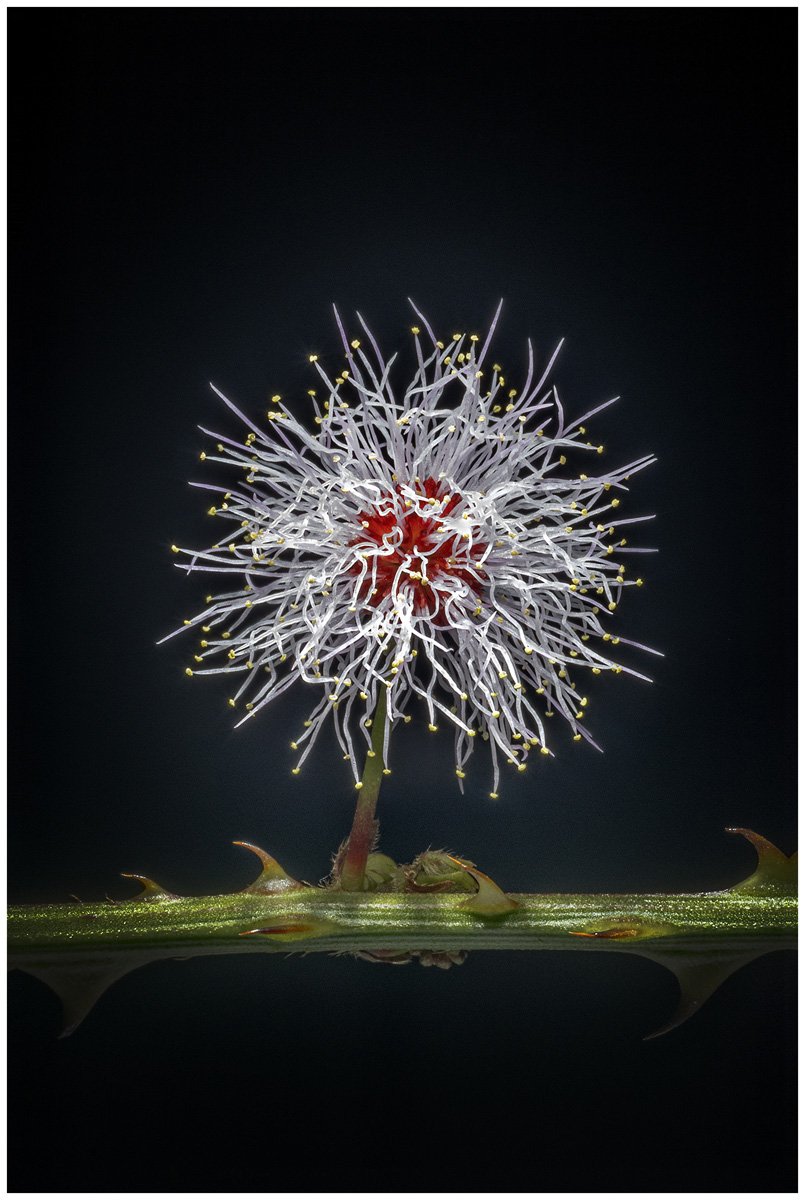
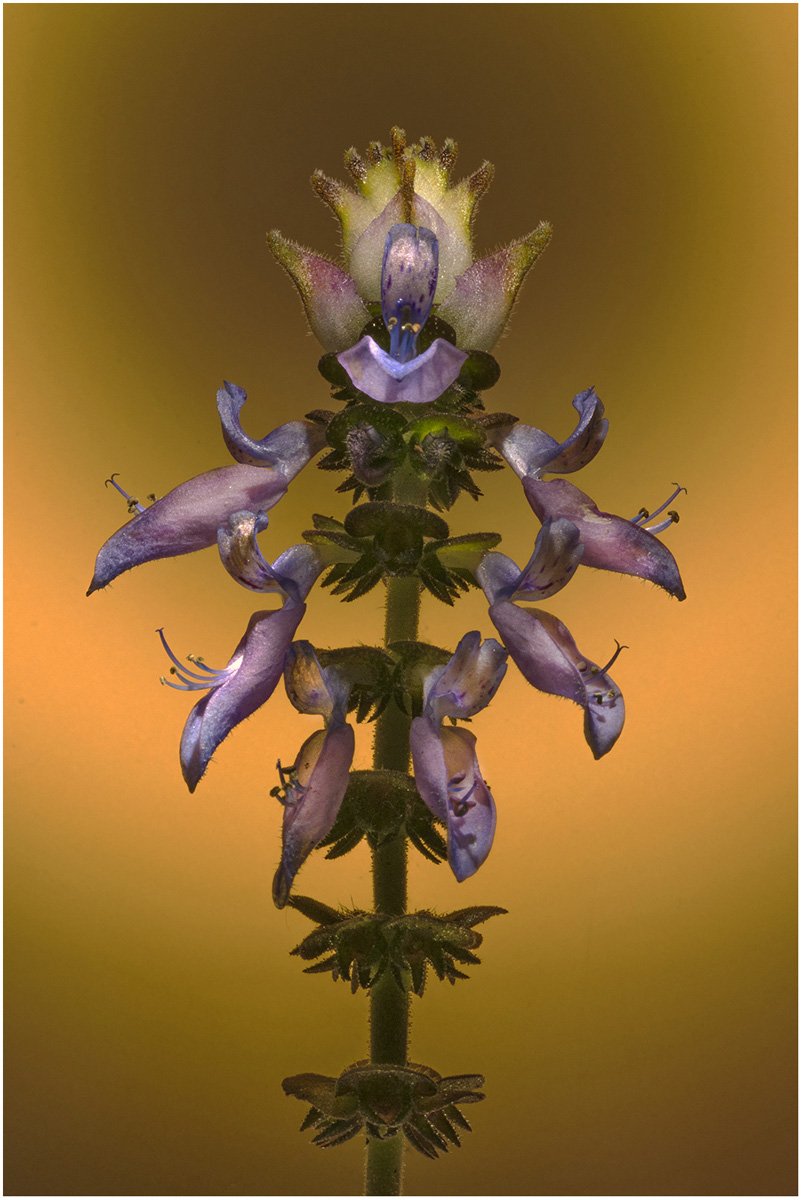
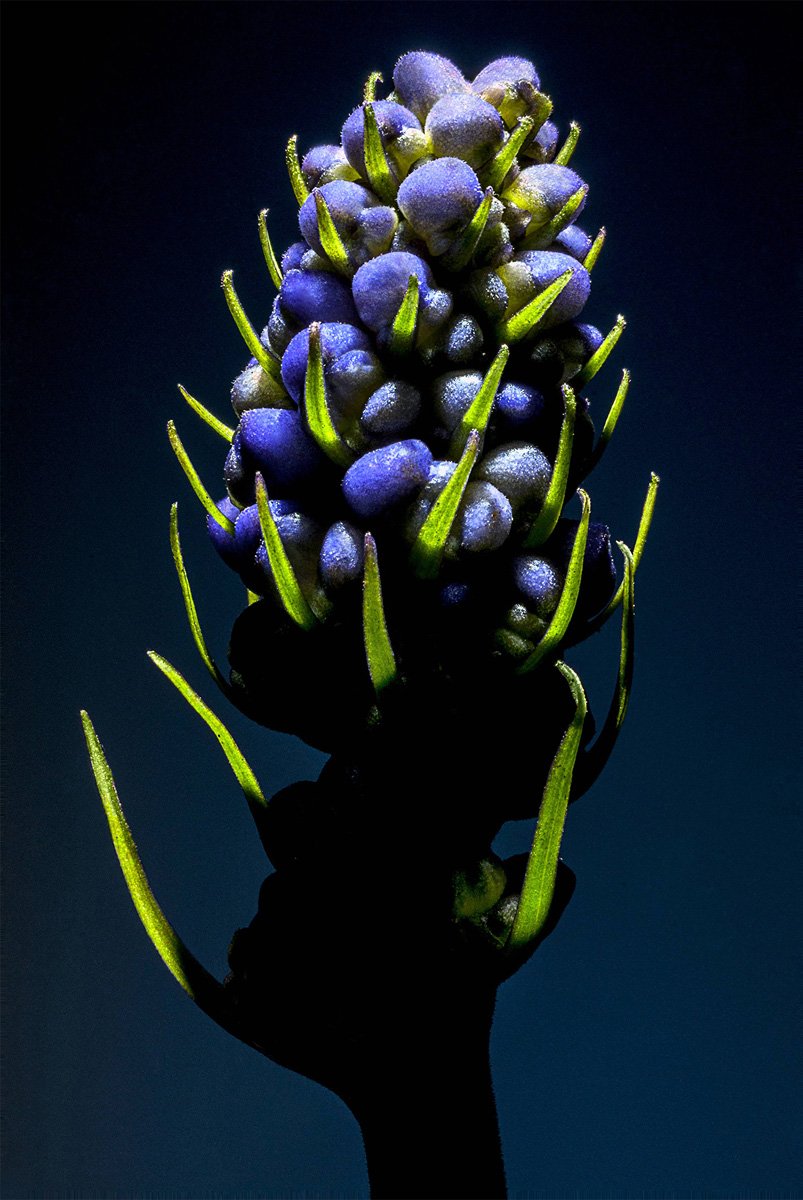
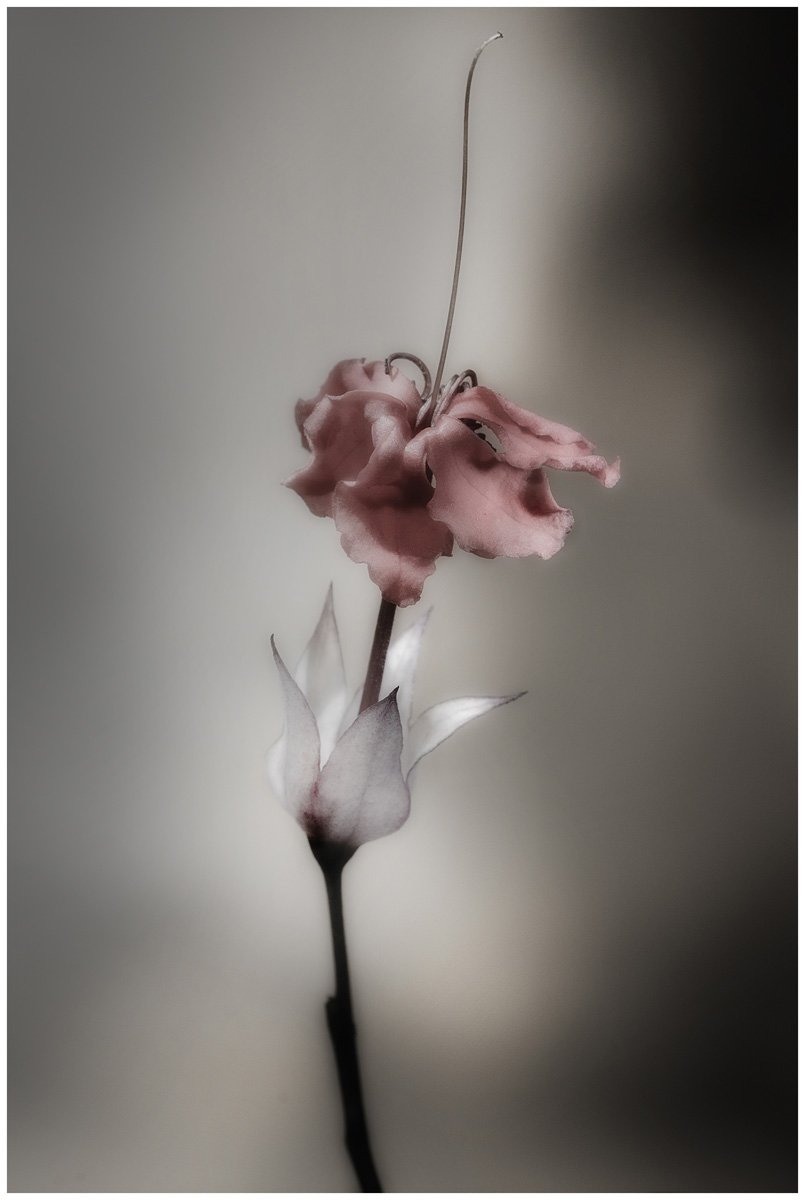
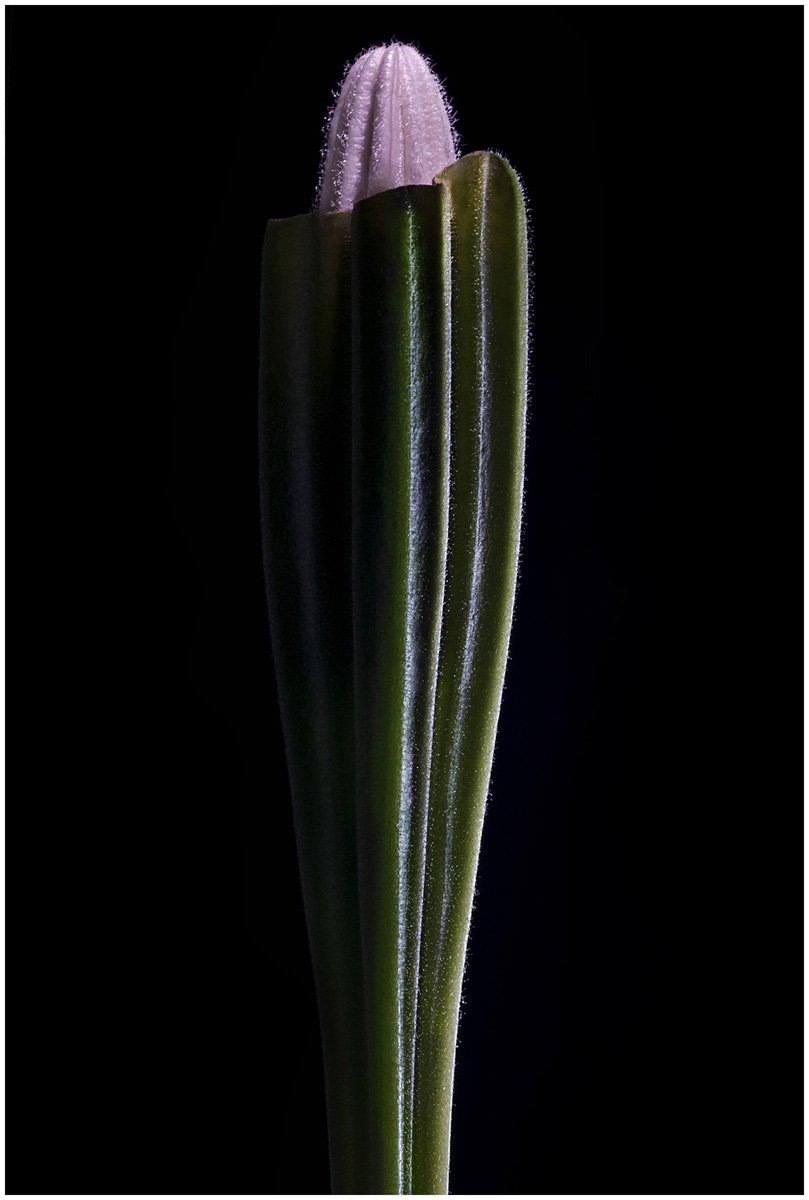
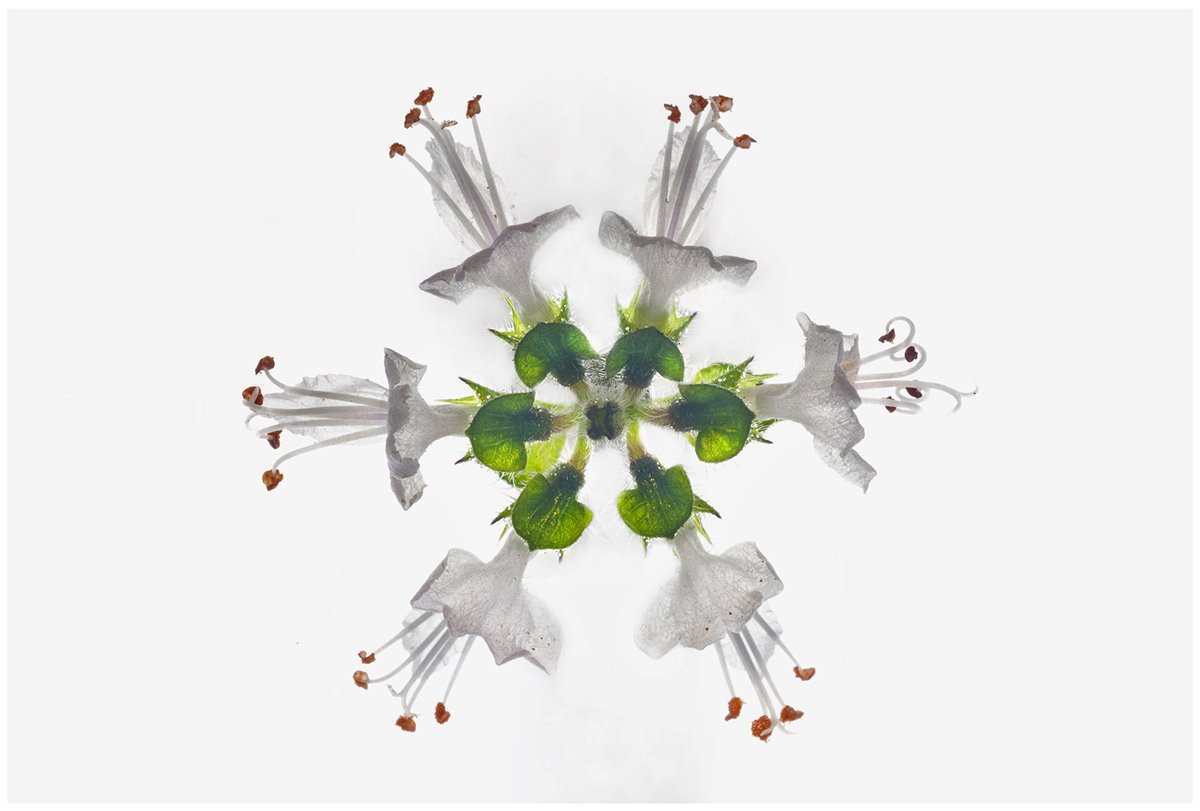
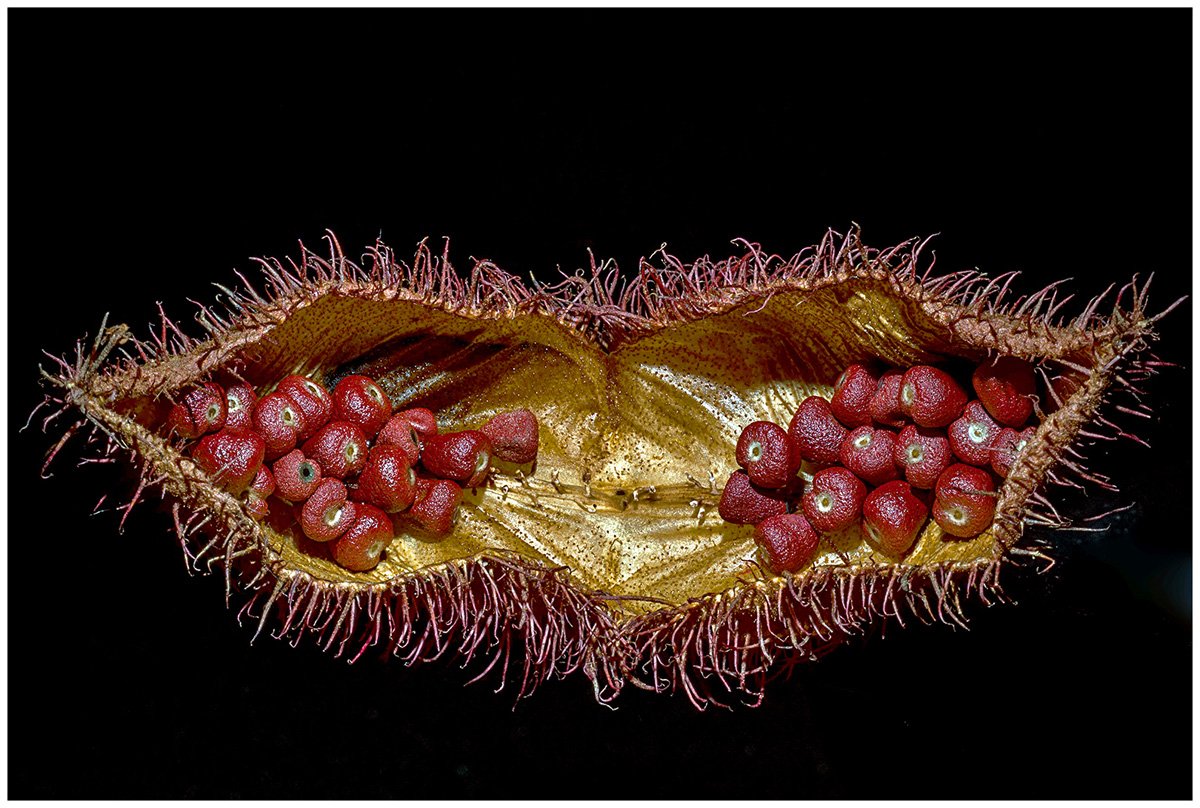
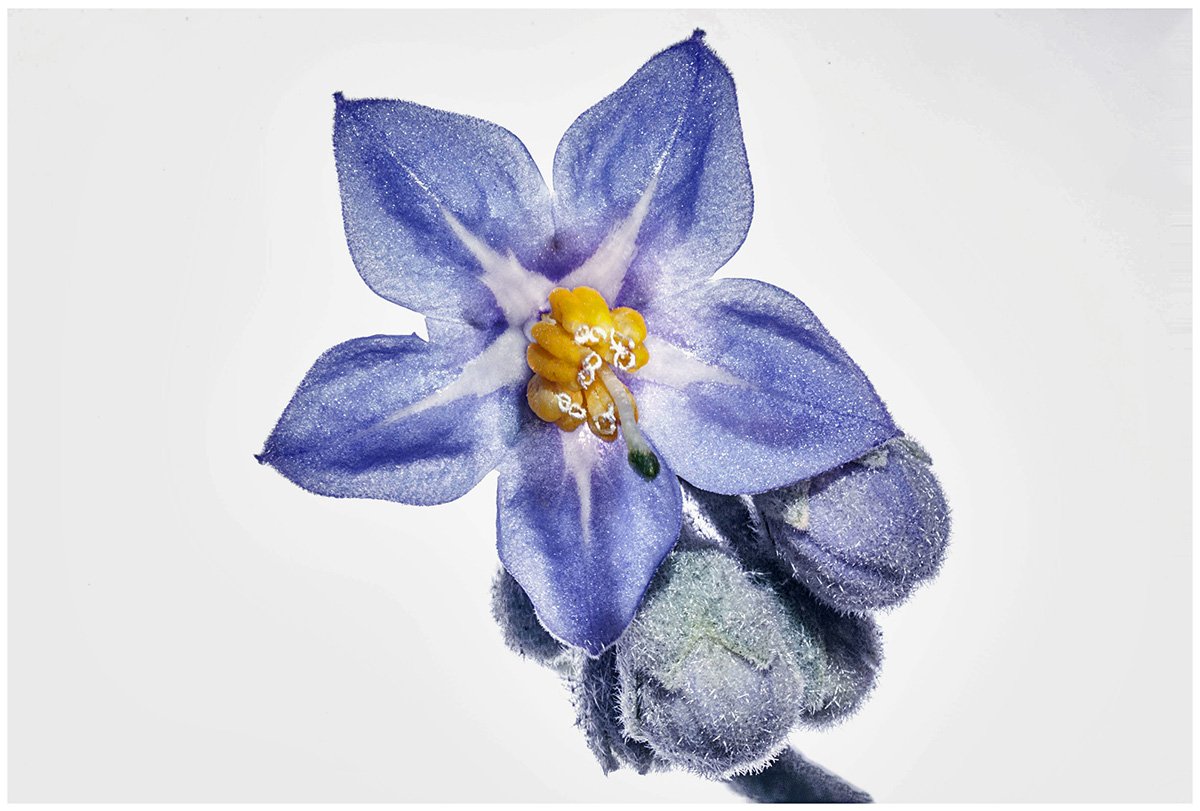
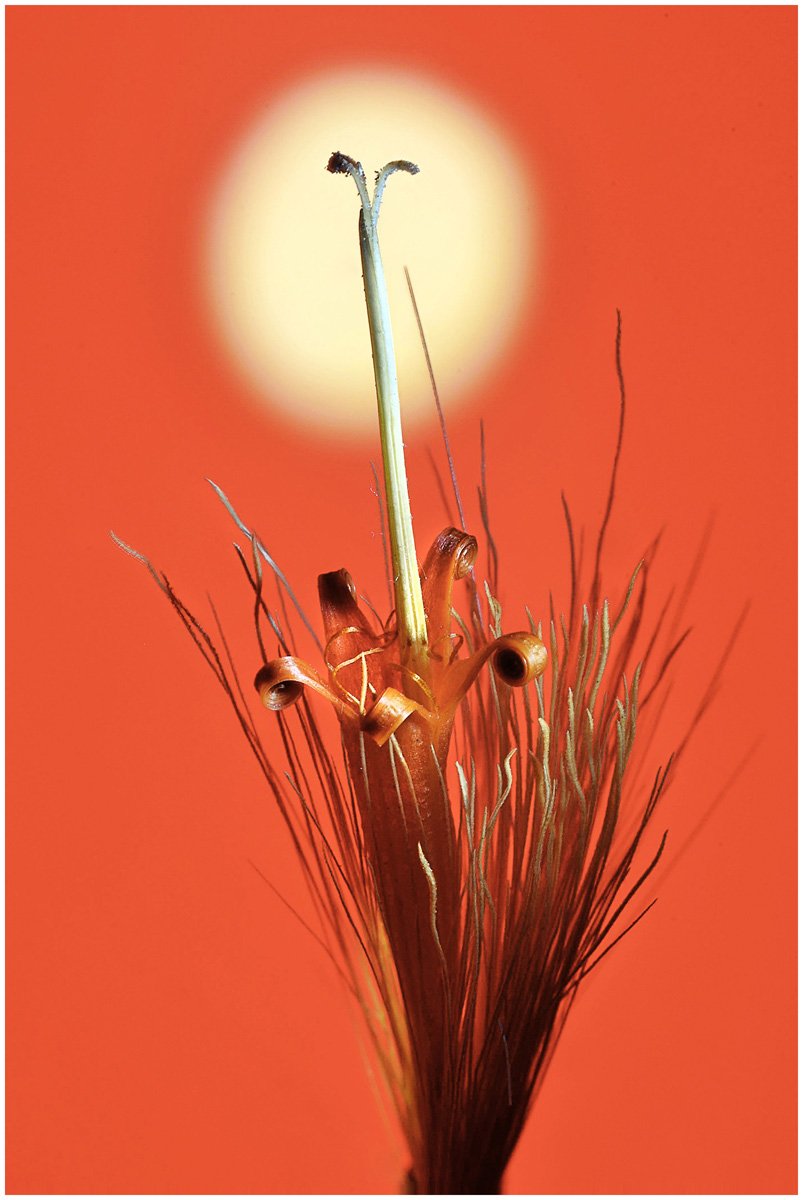
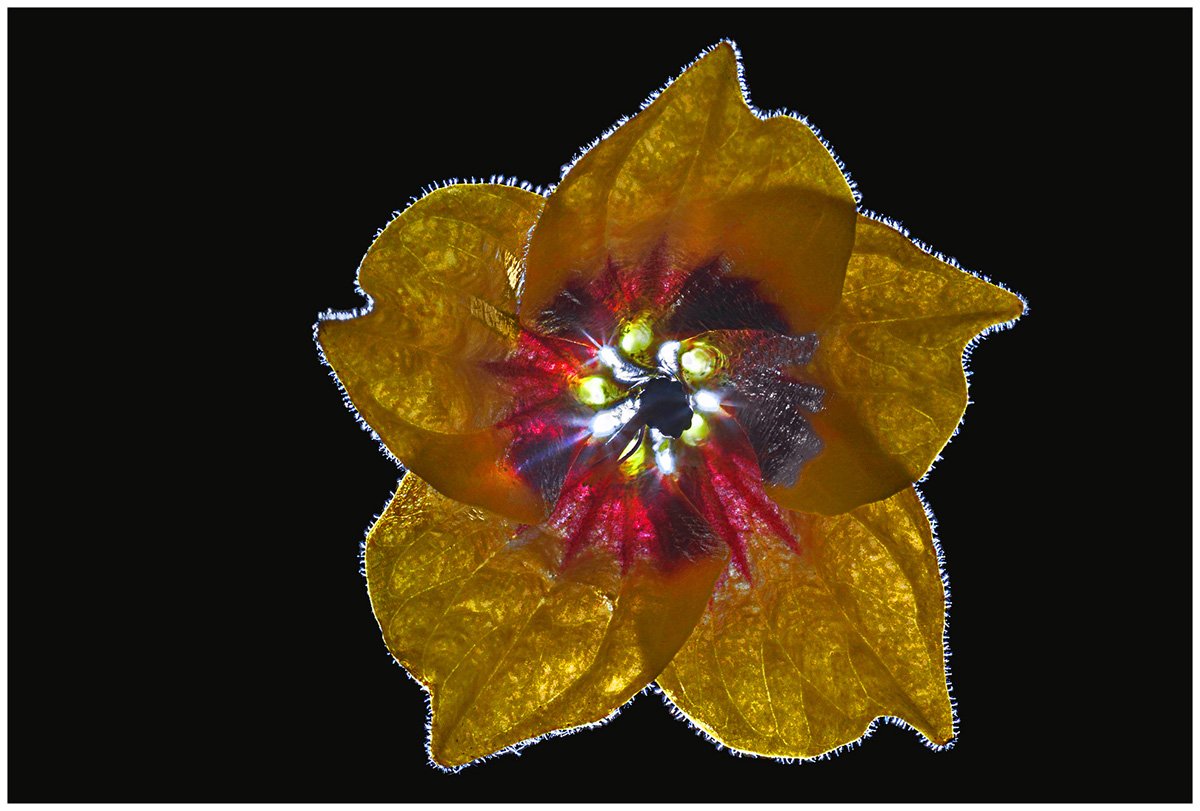
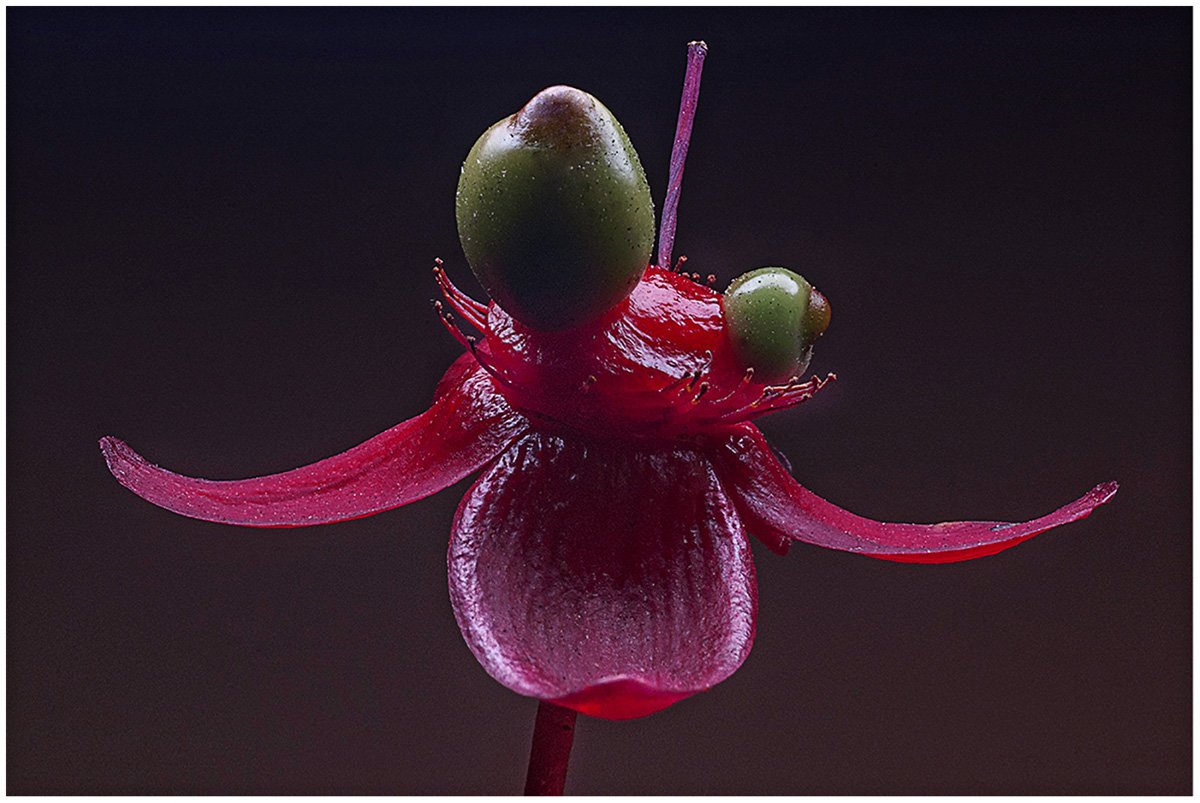
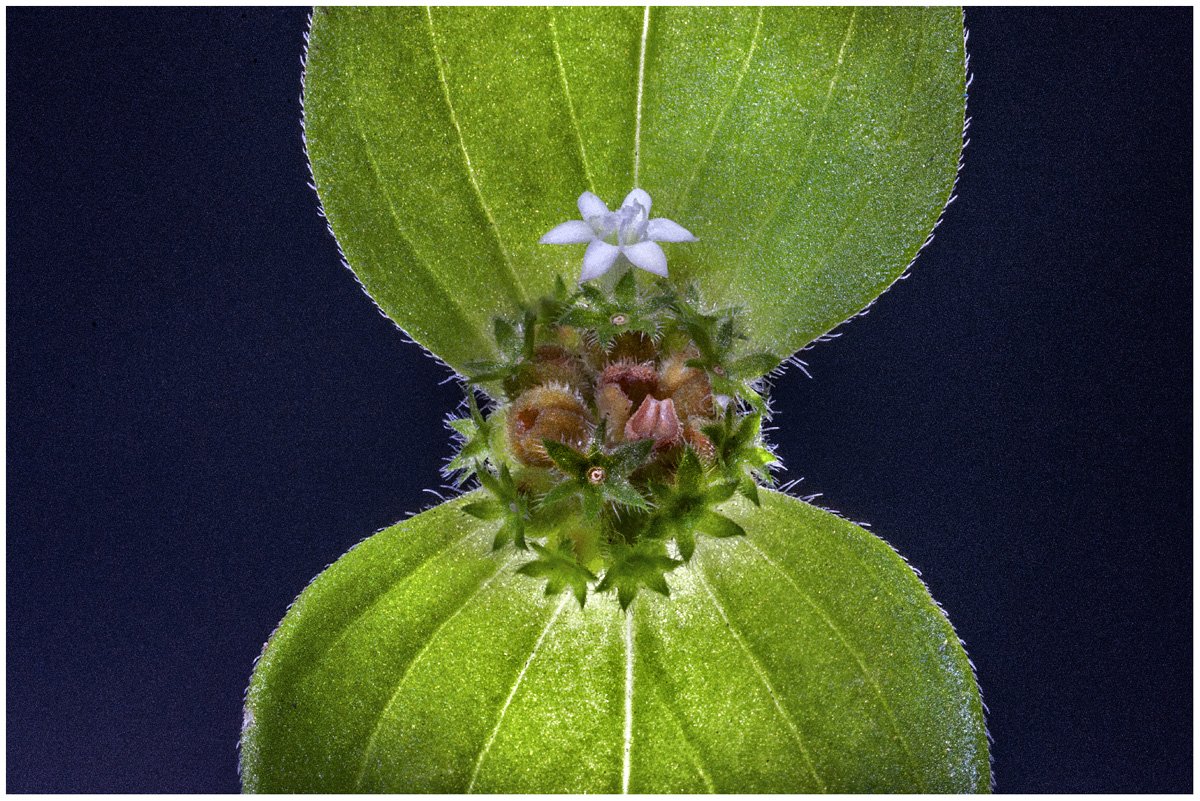
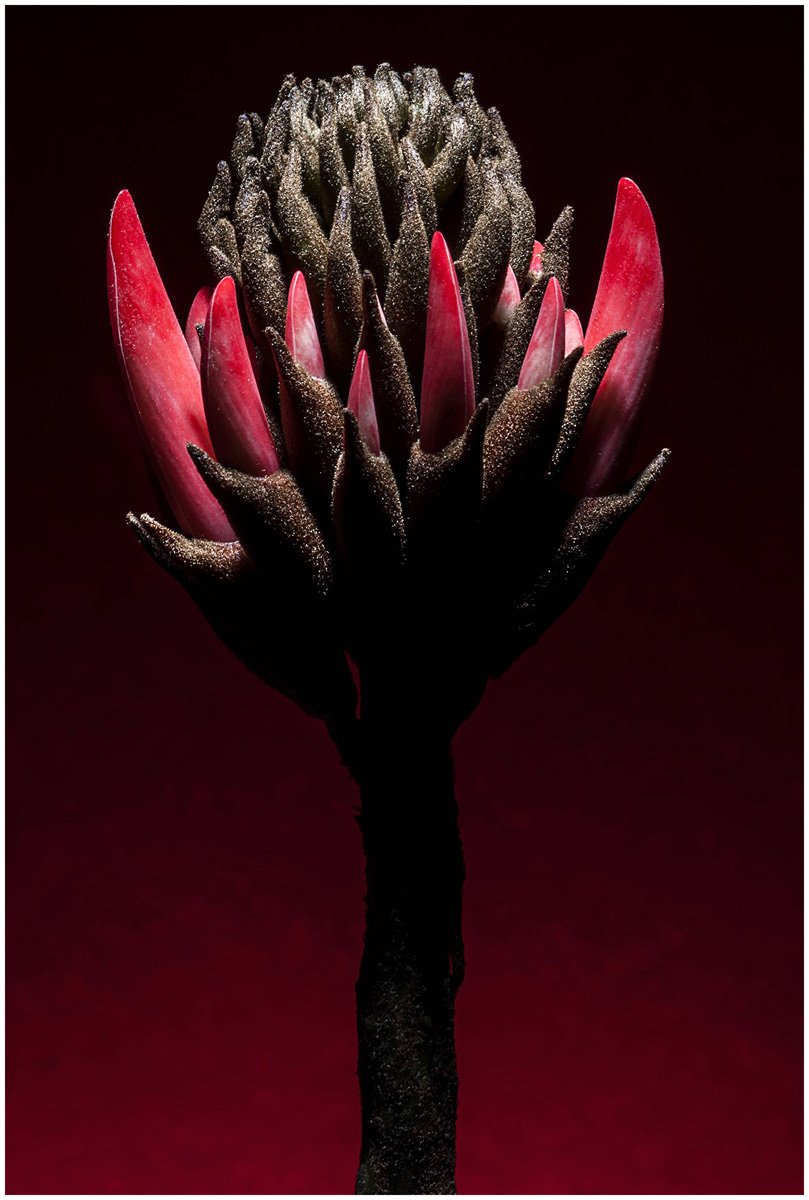
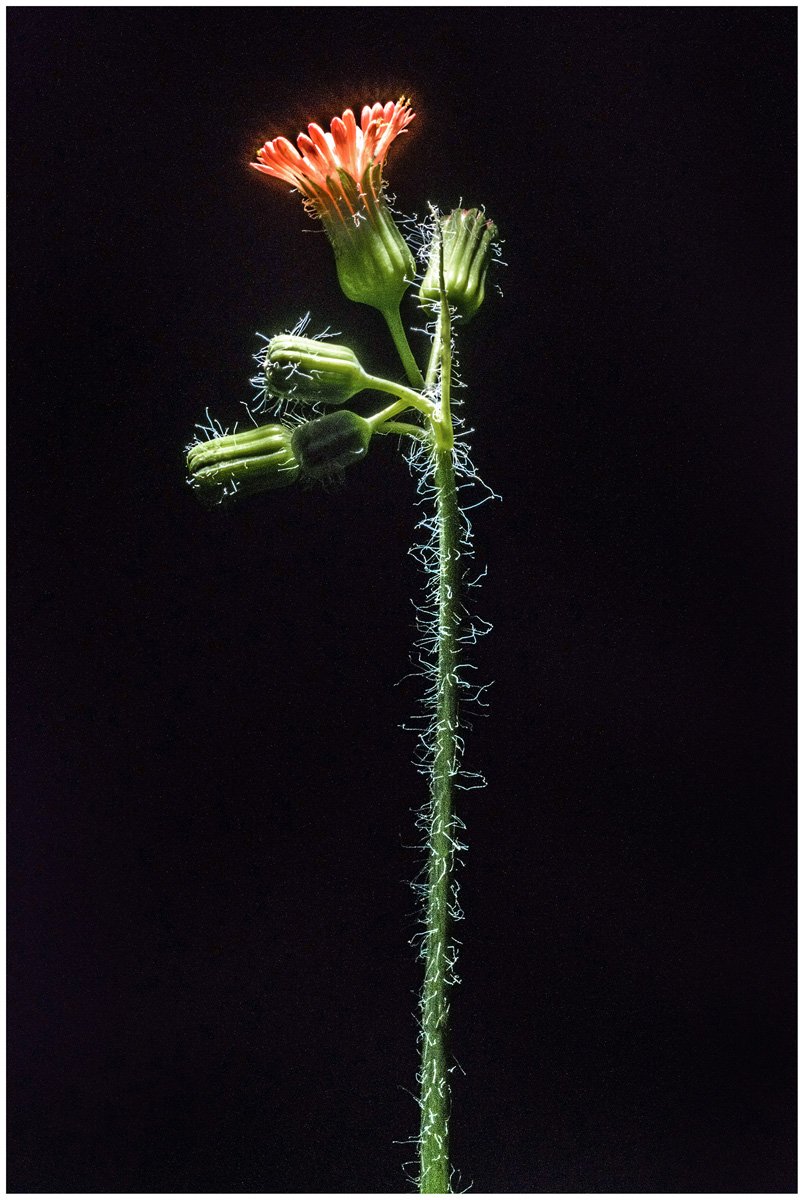
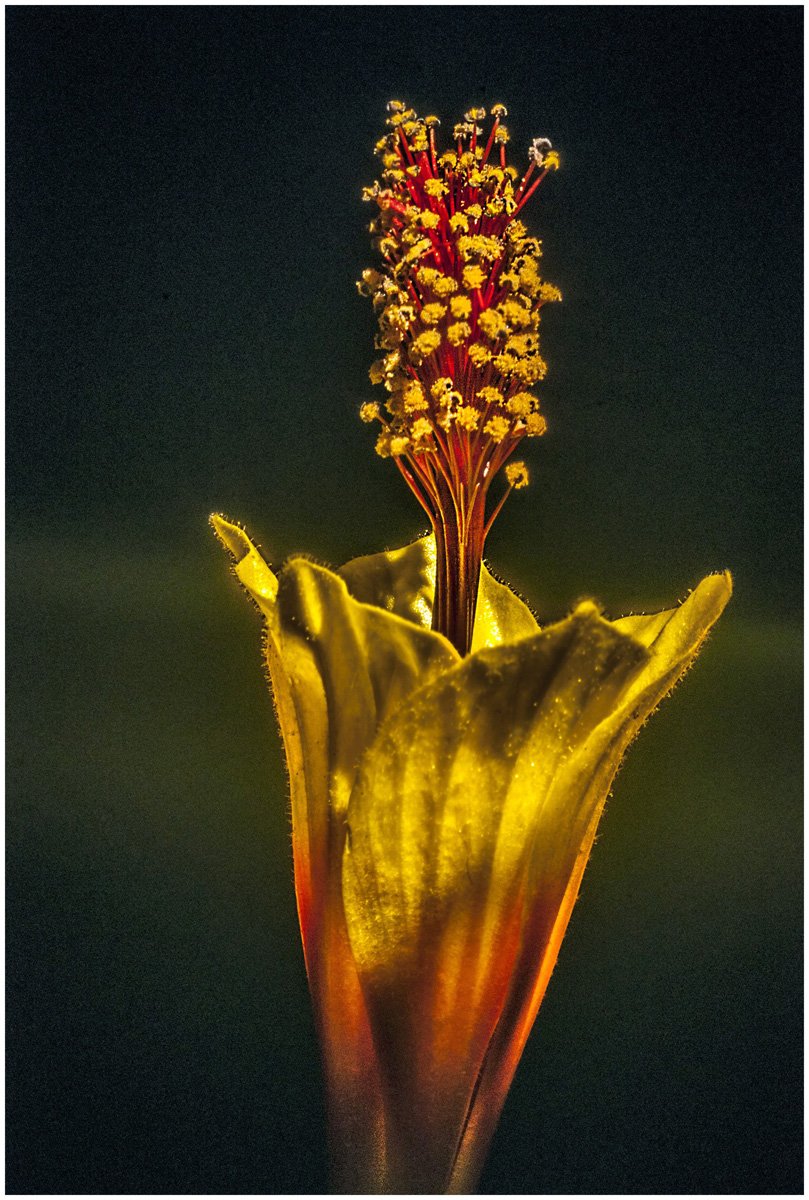
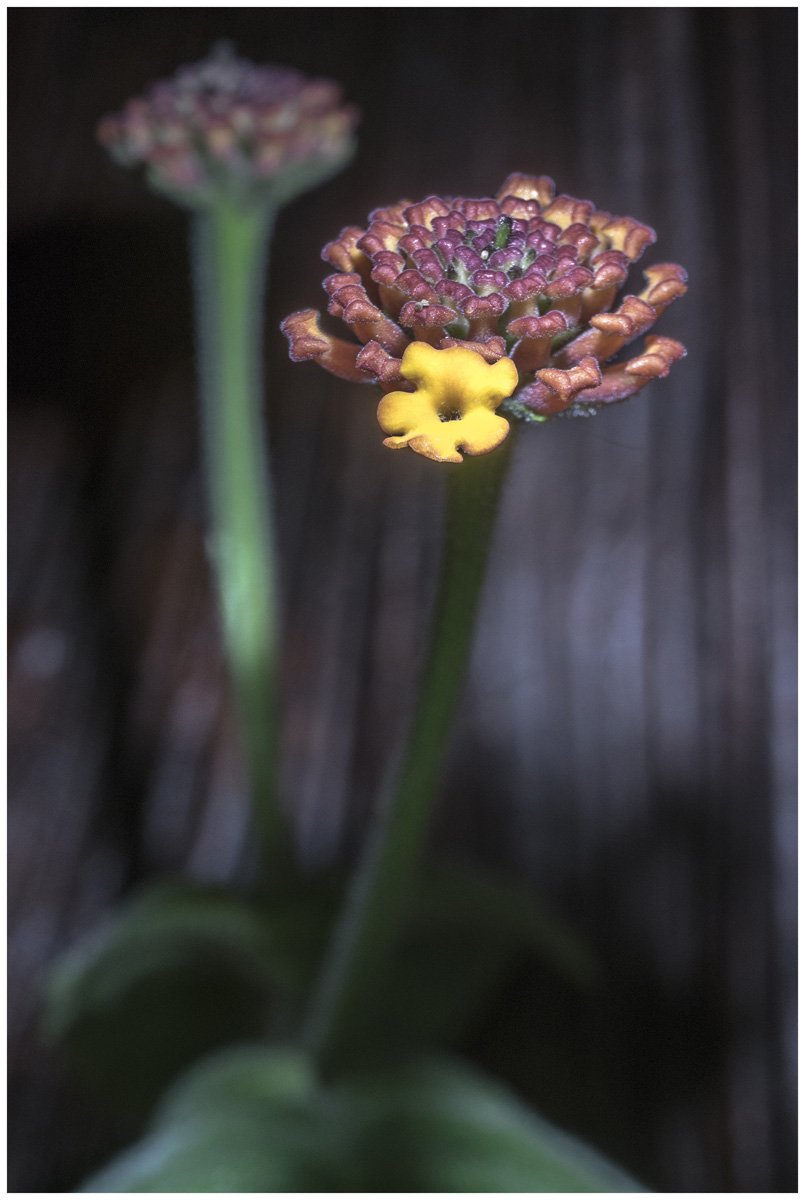
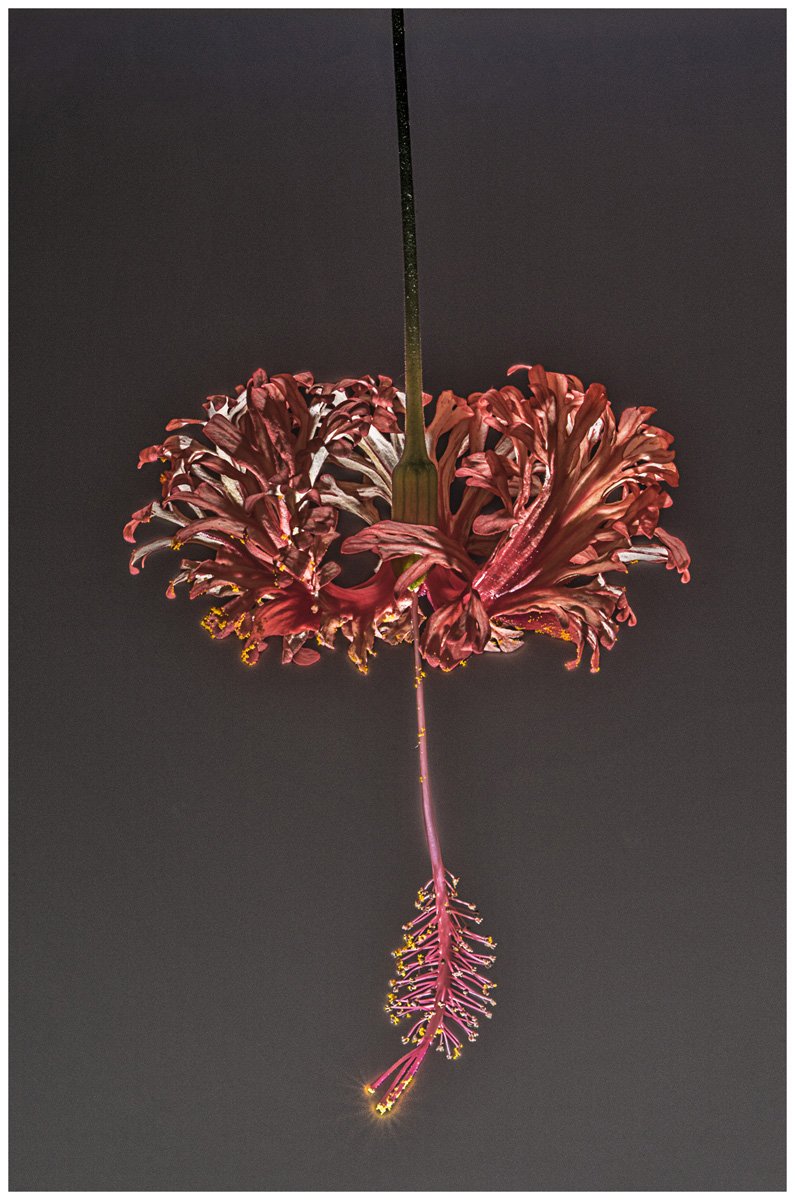
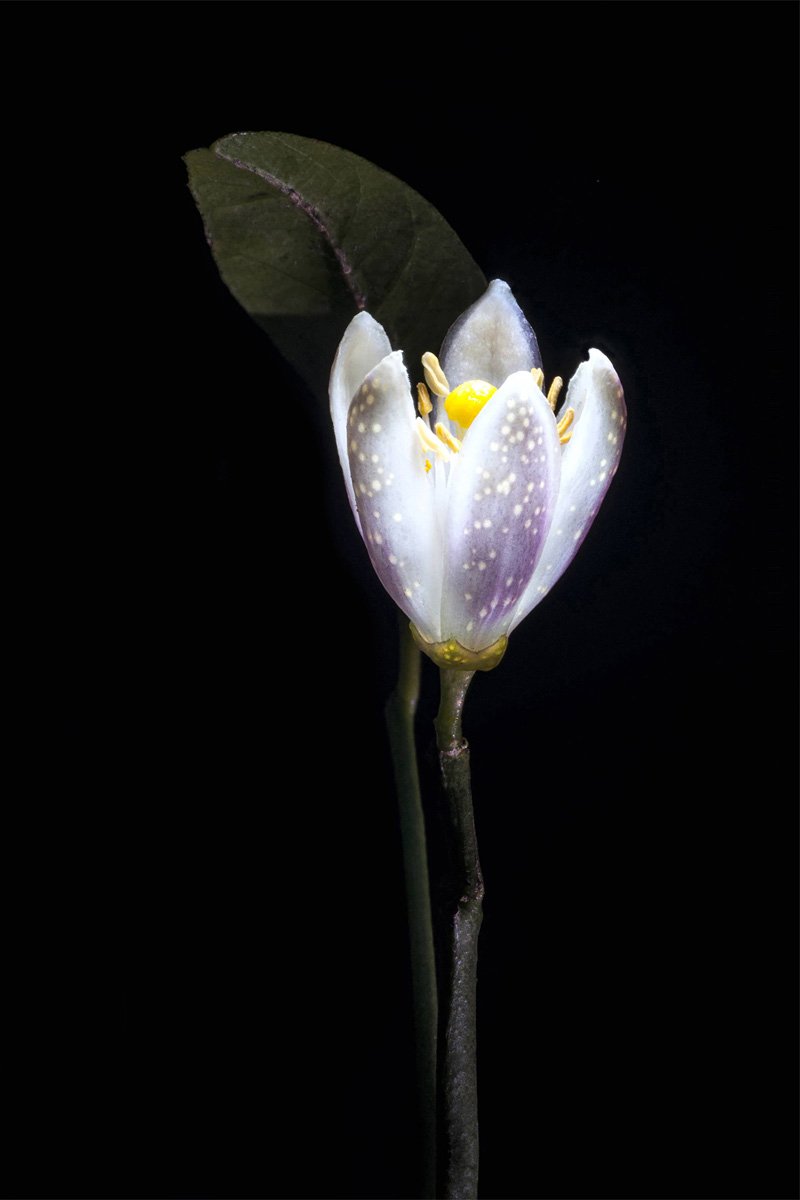
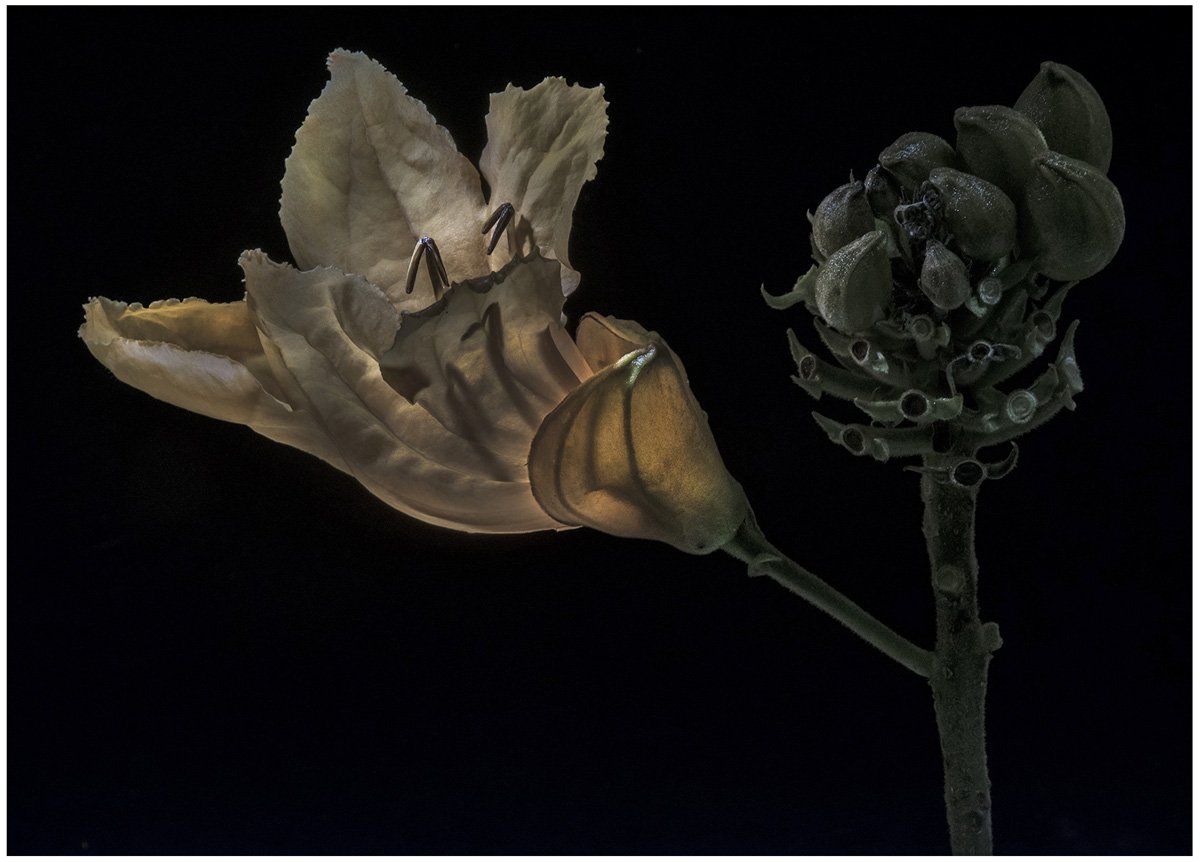
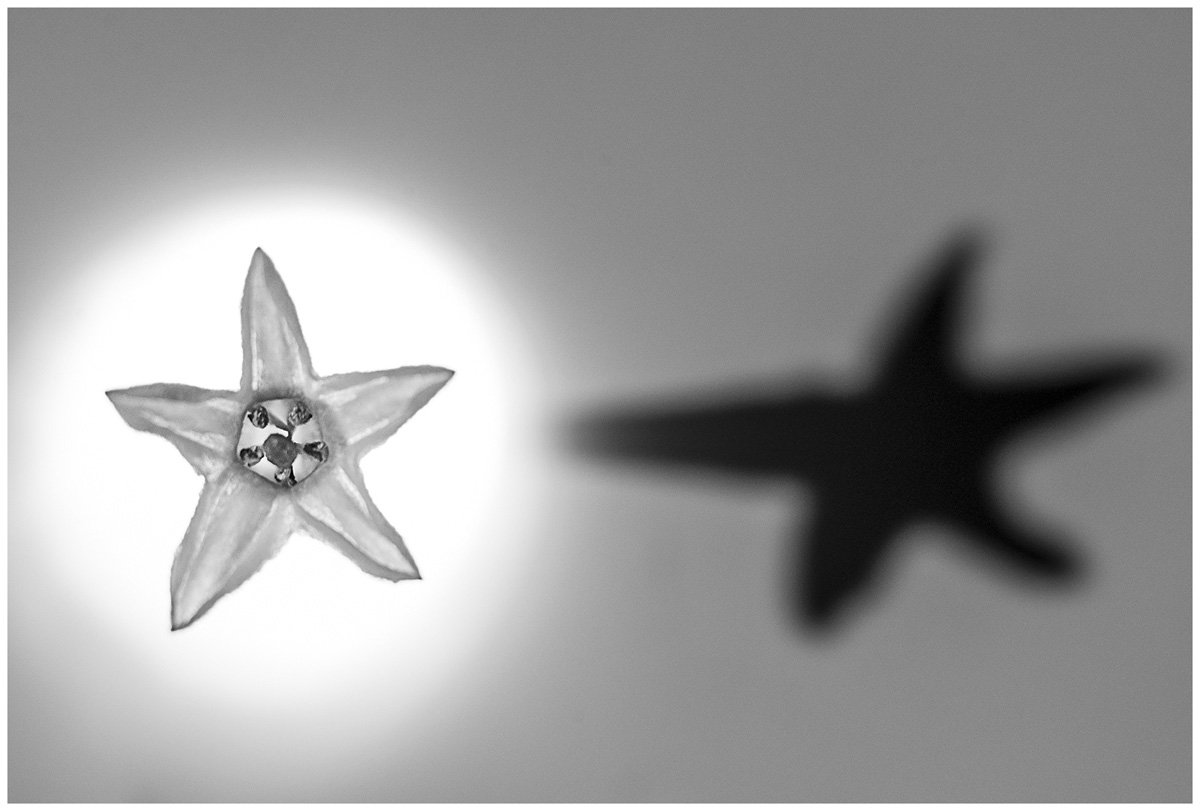
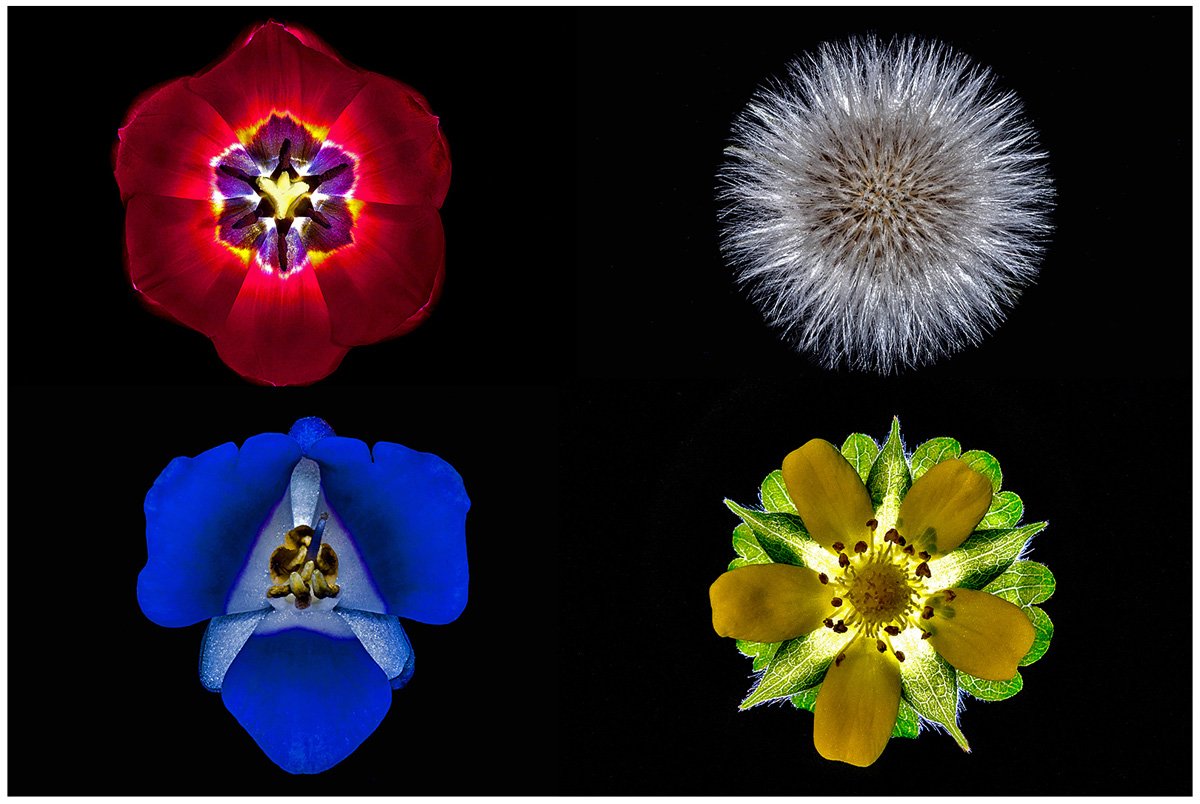
Claudio Machado’s series of microphotographs, “The Great Universe of Small Flowers,” is nothing less than an ironic demonstration that in photography—even in straight photography, even without retouching or AI—it is also possible to “surpass nature.” In a sense, his images do not exist—they are created—yet at the same time, they are… pure nature.
This exhibition features a collection of microphotographs to which Claudio Machado is constantly adding new works. But his body of work—as a photographer, darkroom technician, and restorer—goes far beyond that. Be sure to visit his Instagram to learn more about his work.
Motivation
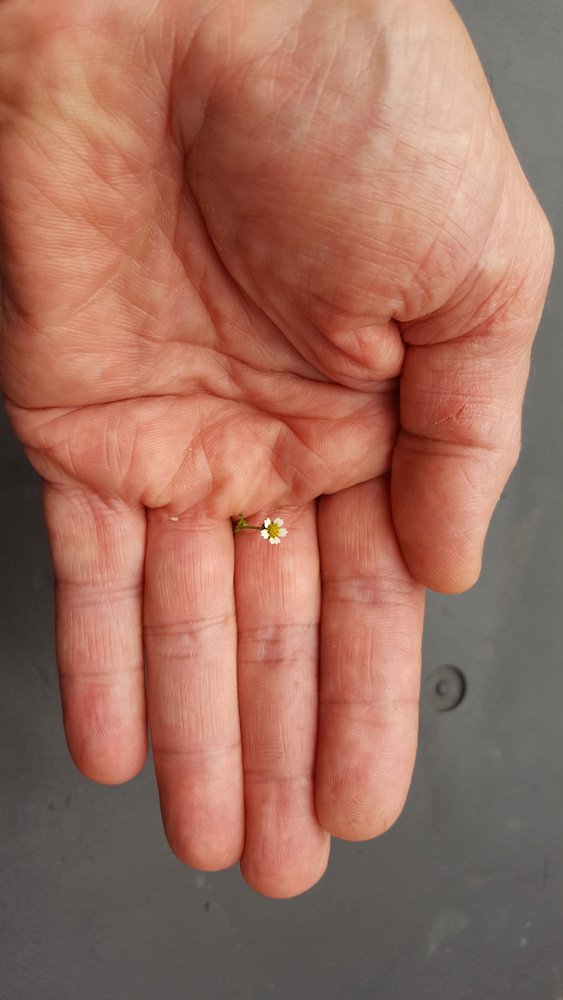
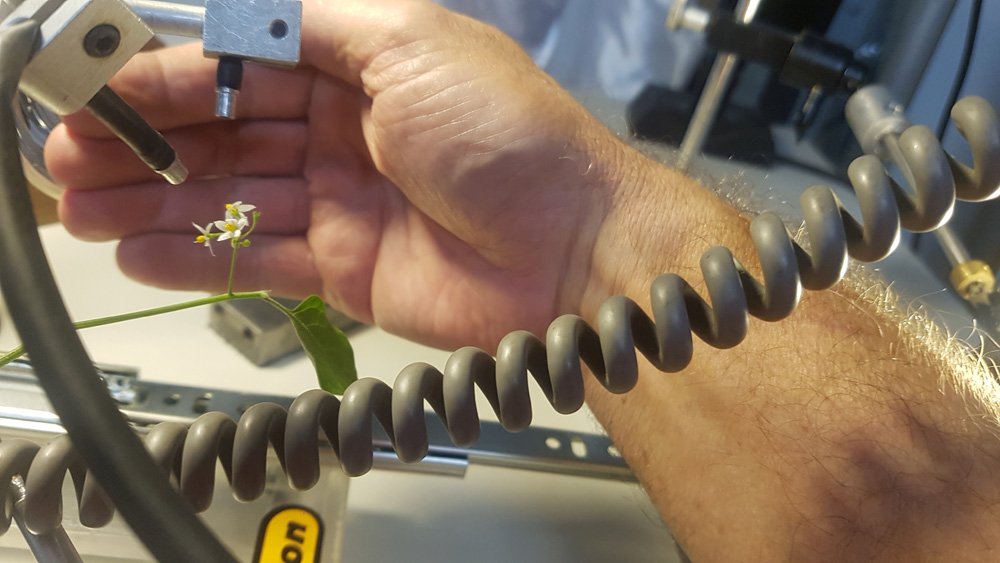
What drives me to build the entire setup of a micro photo studio is that I’m always wanting to take pictures. I’m a restless person, and I’m constantly thinking of some improvised way to make an image happen. I’m always wanting to capture the grandeur of tiny flowers. I don’t mind if I photograph the same flower over and over—they’re the ones closest to me. What interests me is diving into a barely visible world, even if perfection is far from what I create. I strive to do my best, extending my senses into this universe. Each image is a small laboratory.
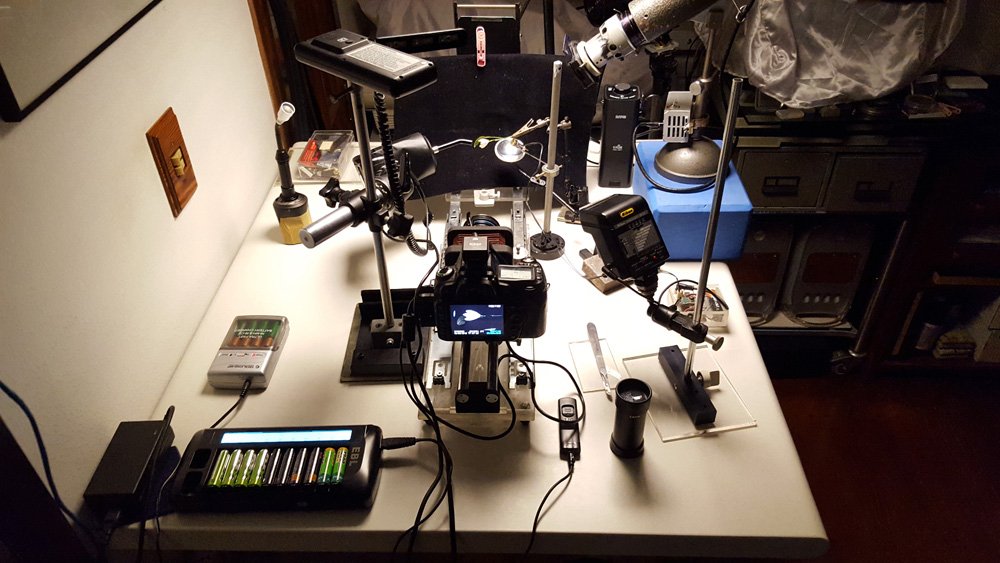
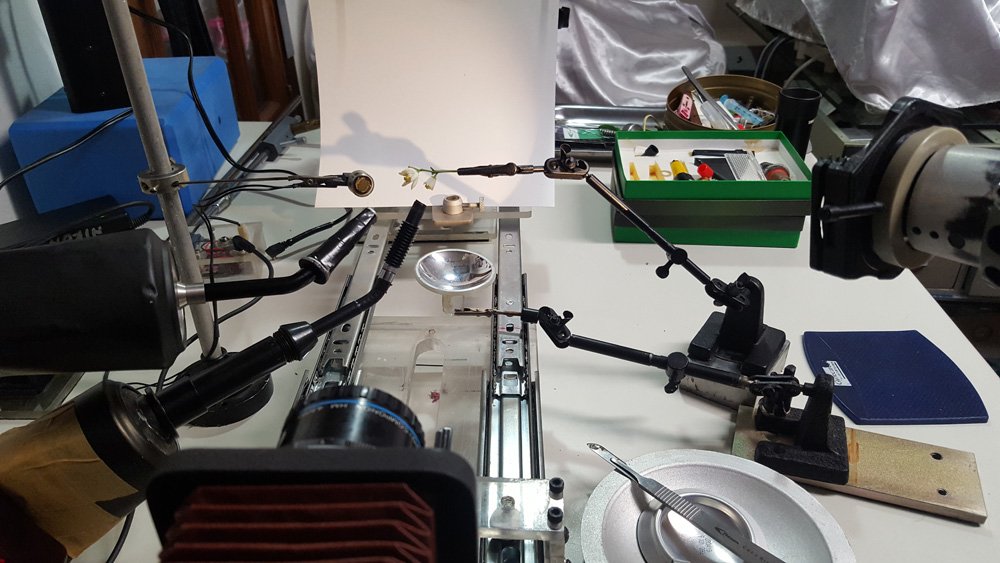
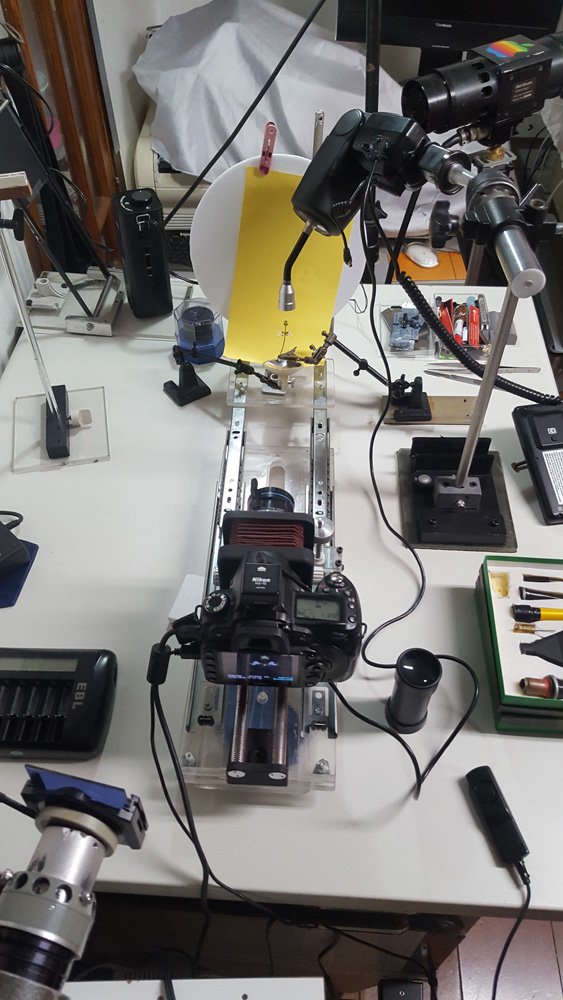
The challenge is to adapt various light sources so that the effect comes solely from the photo itself. I like to mix lights such as continuous light, flash, and flash with various fiber-optic devices, backgrounds with ring flashes and colored transparencies, controlling the shots with old photocells. I prefer minimal post-processing, sometimes using only the image stacking technique, which in itself already produces greater sharpness and saturation, without the intervention of what we’re most aware of today: artificial intelligence. I strive for sharpness. I use my imagination to build my own support and lighting equipment. I’ve always believed that a good photographer or a good darkroom technician must necessarily have knowledge in various fields and in manual work, and must have the tools to support the production of an image.
Claudio Machado
Behind the Scenes
Biography
Photography came into my life through the analog photo lab, the so called Darkroom. My experience as a lab technician in 1976 was decisive in making the image part of my story. I can say that much of what I produced in terms of photographic images—until the shift to digital—was driven by the need to have exposed film so that I could study the chemical process.
As a photographer, I participated prominently in the 1984 “Tradition and Rupture Biennial” (São Paulo Biennial). I received a Kodak work grant to develop a project at the Pinacoteca do Estado on the influence of the museum’s art on cleaning and security staff (a project designated as a cultural heritage site by the museum). I received honorable mentions at photography exhibitions in Poços de Caldas, the Centro Unificado in Brasília, and the Bunkyo Photography Art Exhibition. In 1986, I won first place in the photography contest sponsored by Folha de São Paulo. In 1988, I participated in a group exhibition of photographers at the International Photo Meeting at SESC Pompéia.
Around 1986, I began gaining experience as a coordinator of several major events in the Brazilian photography scene, such as the “Nossa Gente” Project, the 1st, 2nd, and 3rd São Paulo Photography Weeks, and the 1st São Paulo Conference on Preservation and Memory. I was part of the technical team as a printmaker for the projects “Memória Vera Cruz” and “Pioneering Photographers of the São Paulo Interior.” Thanks to my expertise in analog photography processes as well as in electrical and hydraulic systems, I carried out several projects to renovate and redesign photo labs for institutions such as the Museum of Image and Sound (MIS), the Três Rios Cultural Workshops (now the Oswald de Andrade Cultural Workshop), the Santo André Museum, and also for independent photographers.
In 1988, I curated the exhibition “100 Years of Photographic Equipment” at the Três Rios Cultural Center, where I had the pleasure of bringing together important photography collections, such as the Kodak collection, Cinótica, the Museum of Image and Sound, Carlos Eugenio Marcondes de Moura, and the Parodi family. In 1989, I met Renato Cury, a master printer and scholar of photographic processes, who led me to work at Laboratório São Paulo. I founded Laboratório Fotográfico A3, also in 1989, dedicated exclusively to color processes. I began experimenting with alternative color chemicals that would prove useful to many photographers working for magazines such as Goodyear, Vogue, Marie Claire, and Playboy, among others.
The professional photo lab gave me the opportunity to engage with and study the visual styles of various schools of photography, as I handled works by well-known photographers such as Andreas Heininger, Bob Wolfenson, Willy Biondani, Arnaldo Papalardo, Sadao Neets, Angelo Pastorello, Cynthia Brito, Ed Viggiani, Lalo de Almeida, Adriana Zebrauskas, Eder Chiodetto, Rogério Assis, Juan Esteves, Klaus Mitteldorf, Pedro Martinelli, Valério Trabanco, Ary Diesendruk, Alexandre Meneguini, Marlene Bergamo, João Musa, Marjorie Sonnenschein, Nelson Toledo, Roberto Linsker, and others. From 1989 to 1995, I led several workshops.
My training in advertising led me into the field of food photography, which resulted in a few books. In the field of photojournalism, I briefly worked as a freelancer for *Folha de São Paulo* and magazines published by Três.
In 1998, I founded the black-and-white fine art lab “Mister Labo,” which also offered E6 and C41 processing, striving for exceptional quality. It remained in operation until 2007. After that, I began working with digital image processing, scanning, and printing at “Machado Estúdio Digital.”
I’ve explored various paths as a photographer, but the color lab has been a constant presence.
My quest for images with greater acutance in the color darkroom—through the study of alchemical techniques such as “Acceleration”—and in the black-and-white darkroom—using equipment that produced prints with sharper film grain, such as the “Point Source Lamp”— has, to some extent, influenced this body of work that I present in this exhibition, “The Great Universe of Small Flowers.”
Claudio Machado