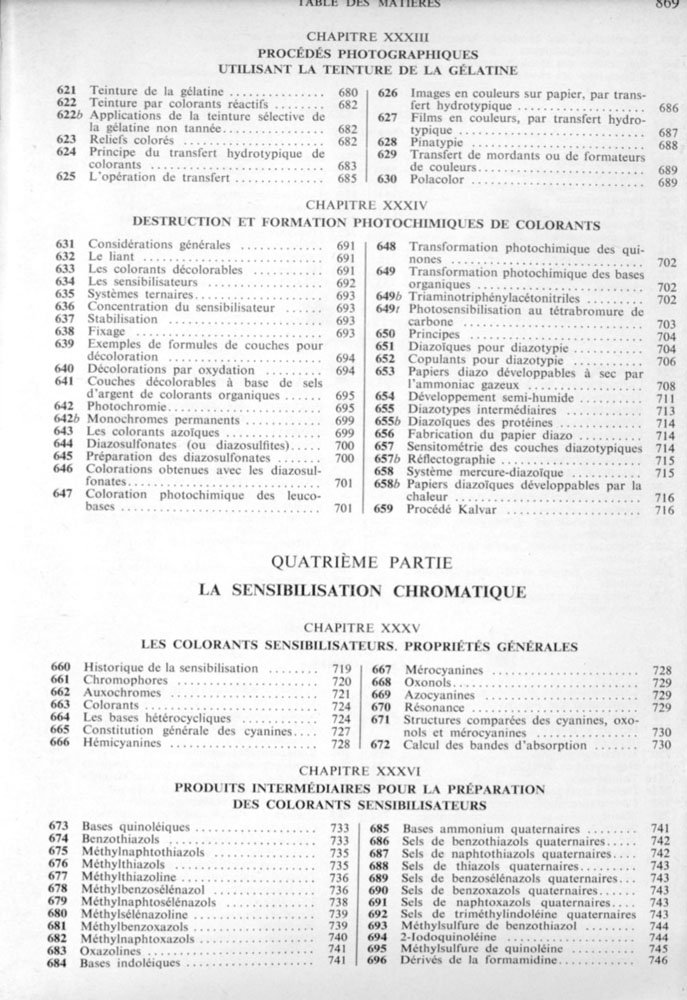
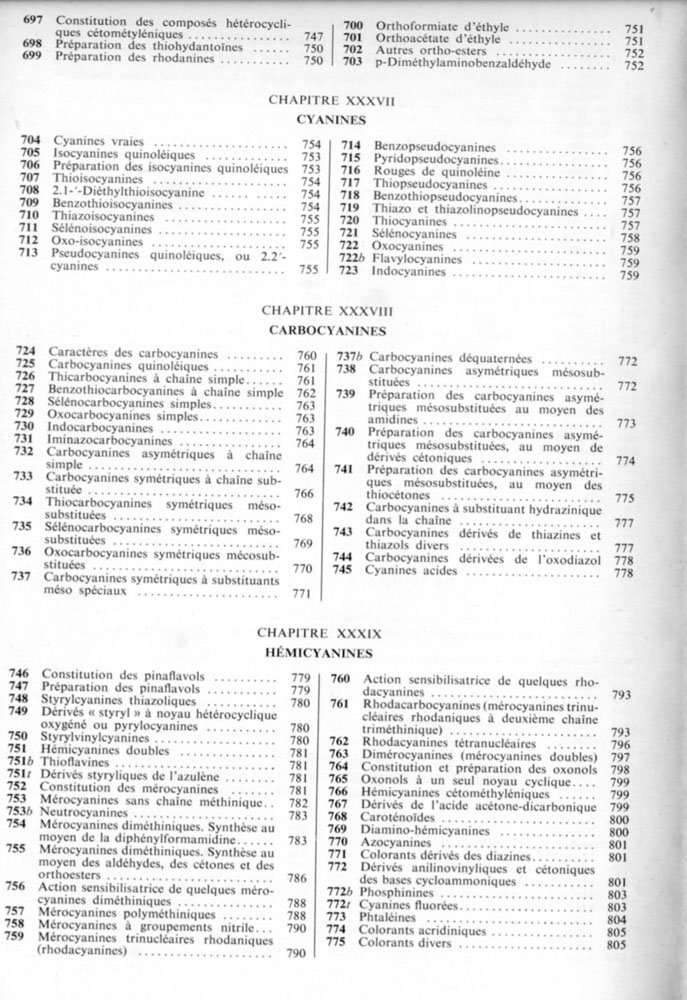
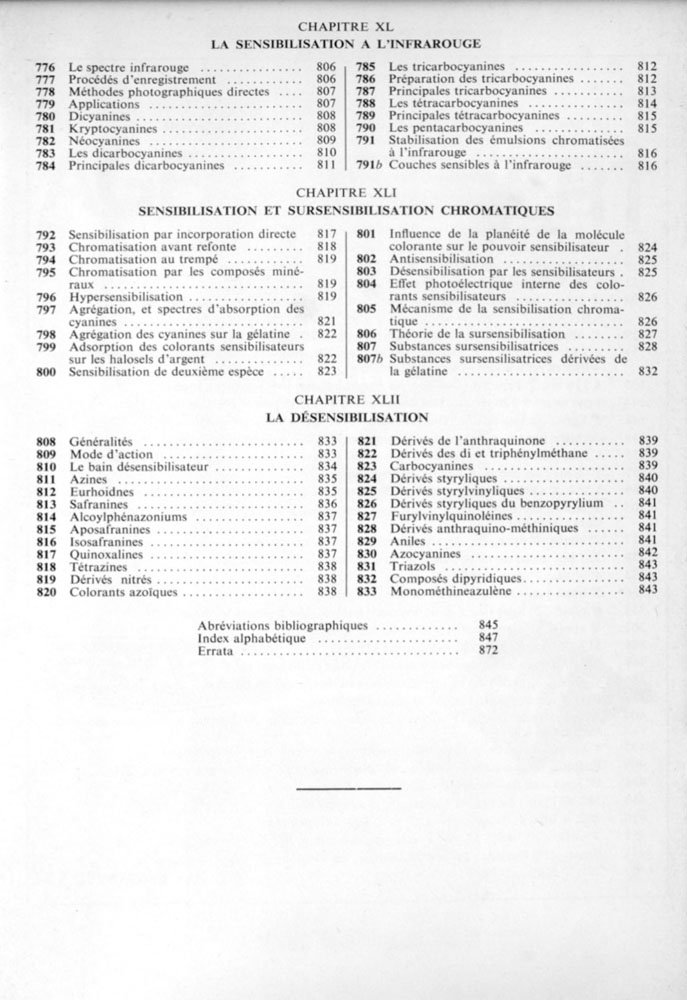
Chimie et Physique Photographiques | Pierre Glafkidès
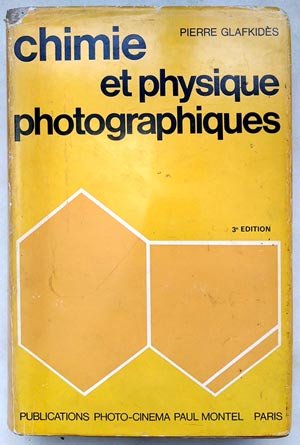
This book is likely to become the holy grail for anyone who wants to delve deeper into the physicochemical processes of analog photography. It’s unlikely that anything like it will be written in the future.
It’s one of those theoretical manuals that begins with the nature of light and the chemical properties of photosensitive elements and substances, and then unravels the thread all the way to photography as it’s practiced in a typical laboratory. Even as a body of knowledge—one that seeks to ground everything in basic science and then derive the practical implications, all the way down to the techniques—this approach demands a level of engagement that almost no one is willing to make anymore.
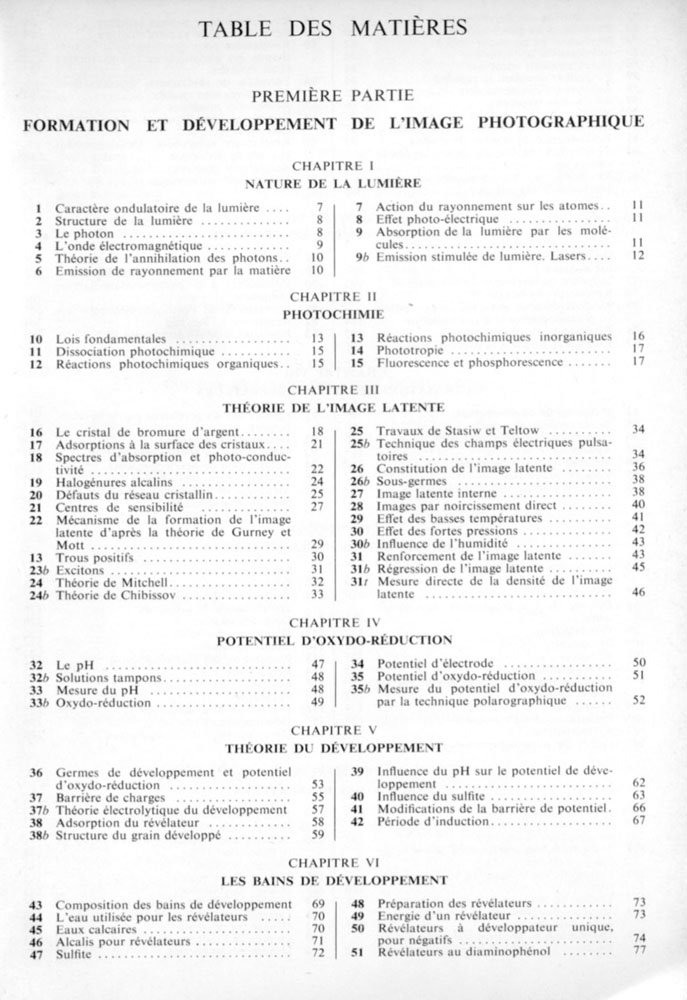
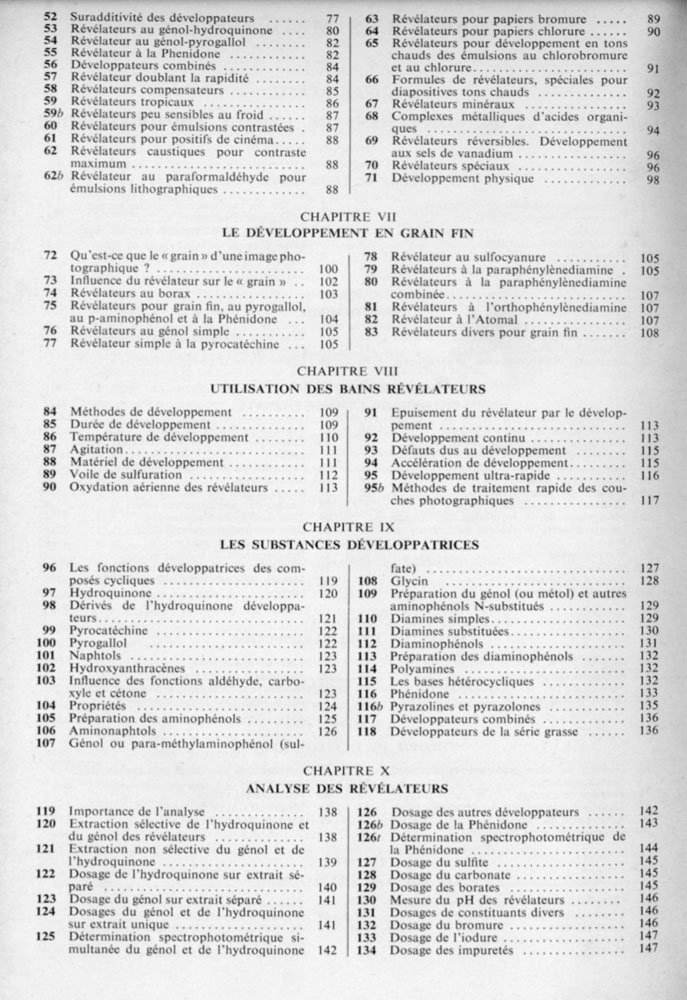
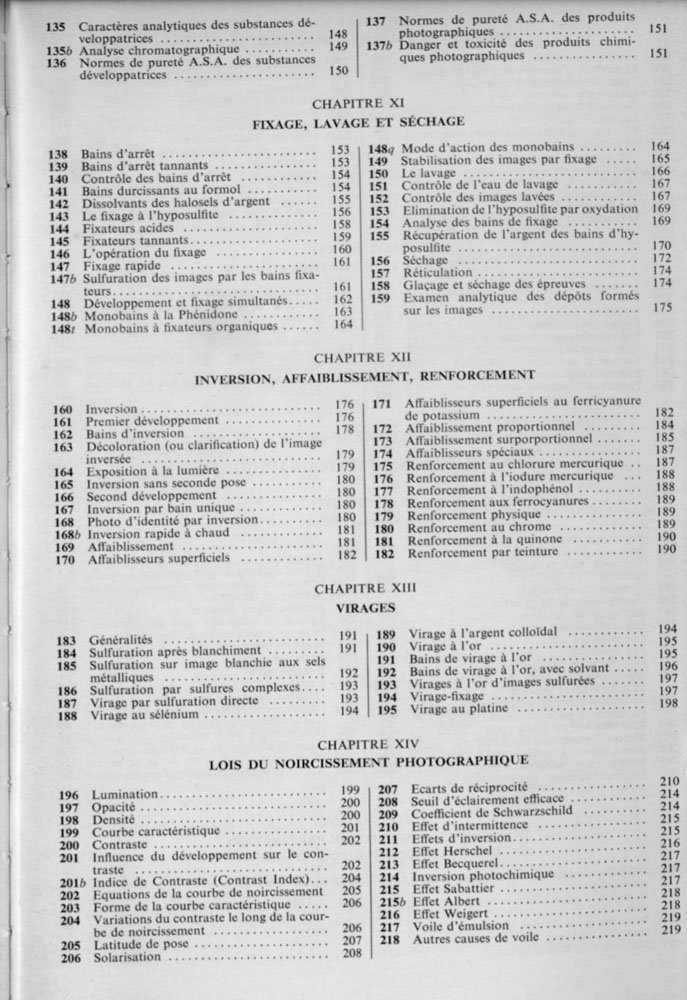
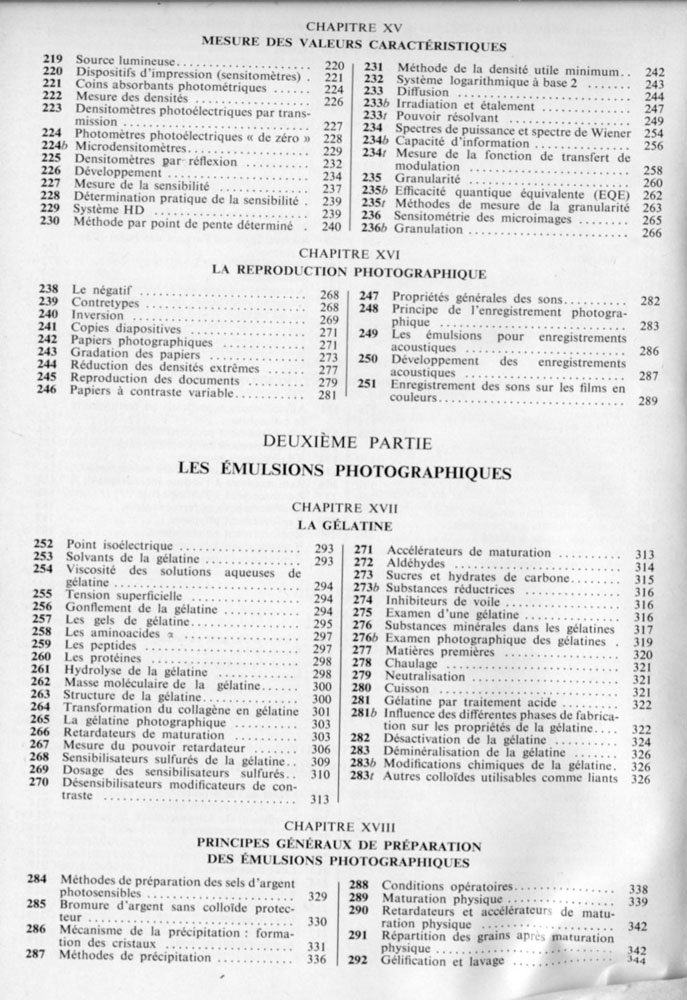
Virtually everything is covered, and there is certainly a great deal of overlap with the extensive literature on the more immediate aspects of developing and fixing film and paper. But it is still an extremely useful resource for anyone who wants to, for instance, make dry plates or prepare their own photographic emulsion using gelatin and silver nitrate—and in this regard, it is much harder to find reliable sources that go into such depth.
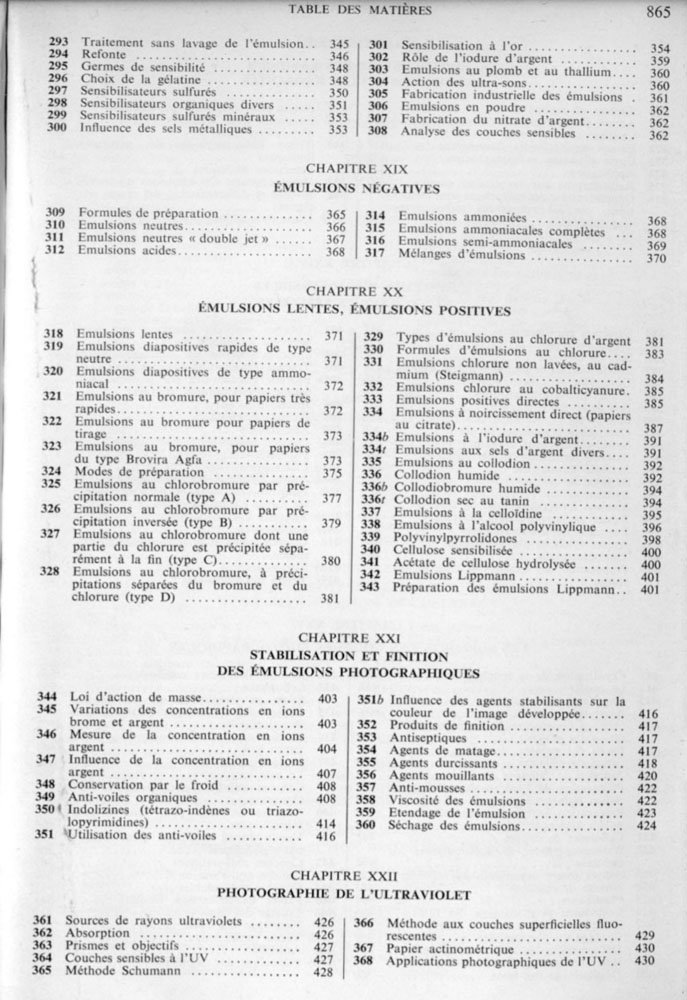
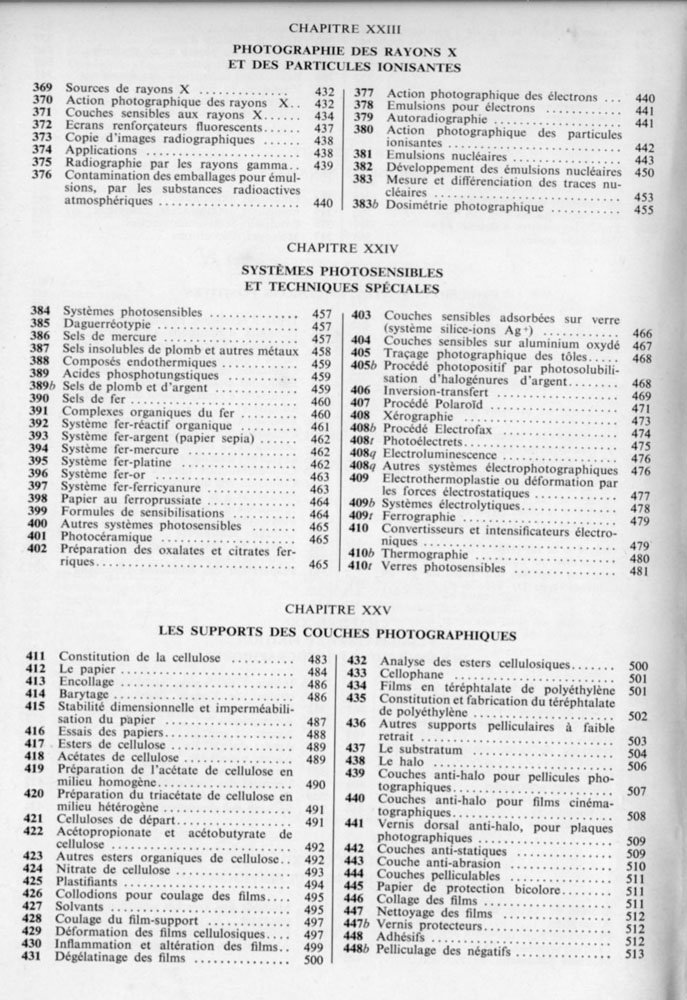
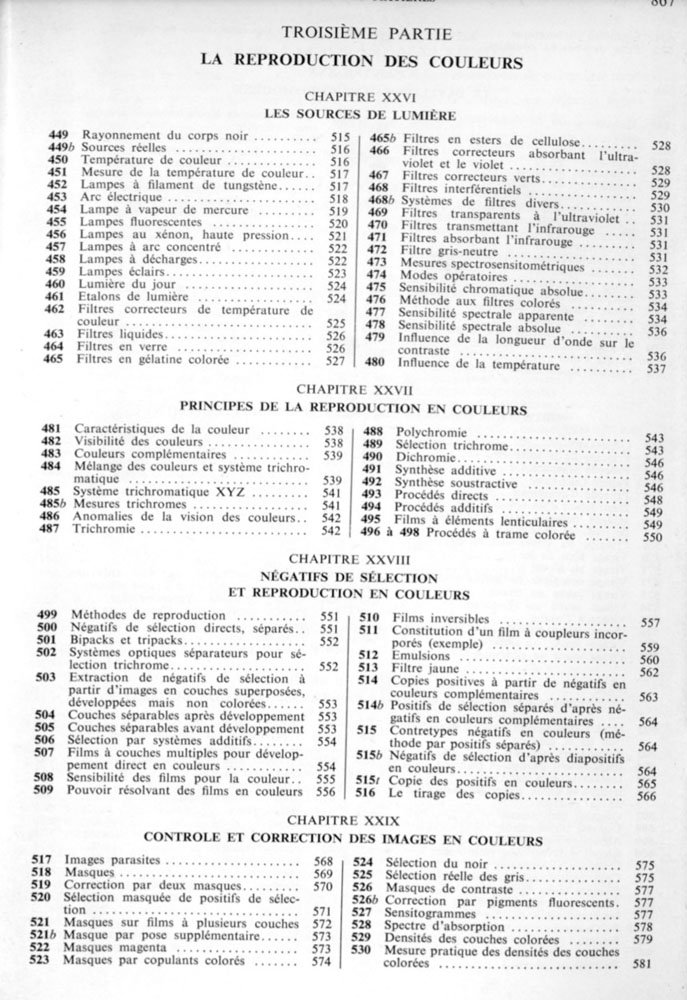
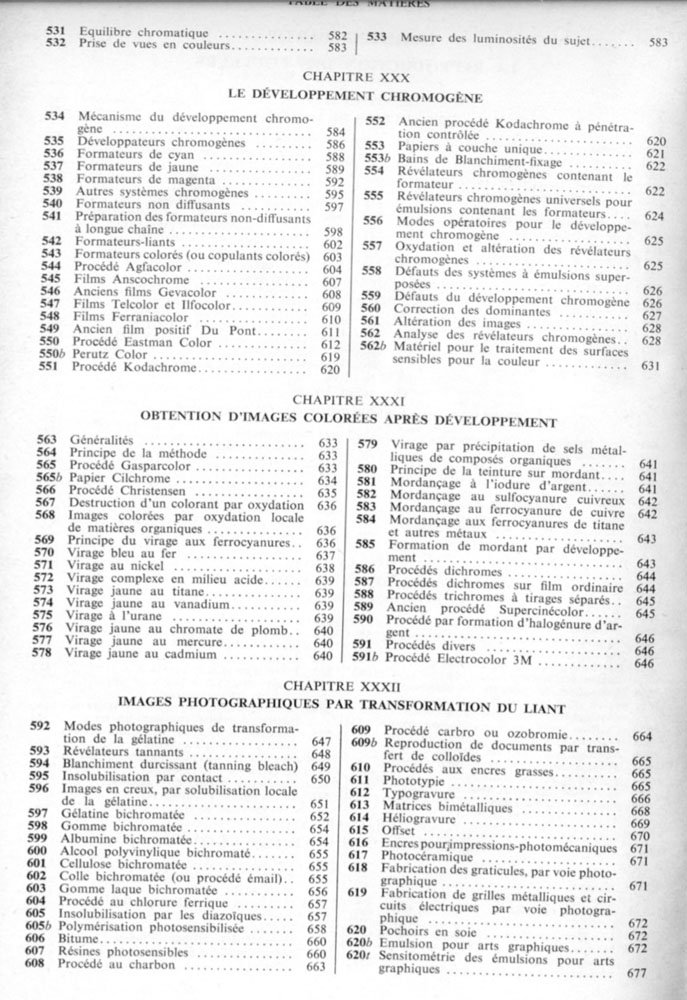
It’s not an easy book to find, and it’s usually not cheap. But it could be the solution for an important project and a constant source of reference. I’ve included the extensive table of contents below. Maybe it has exactly what you’ve been looking for. Click on the images to view them at a readable size. Good luck!