Jiro Asada | Them
click on the image go see it in a light-box
I want to propose a game. Do not read this text before spending a long moment looking at the photographs in this exhibition. First, imagine what they tell you about the photographer and the circumstances under which they were produced. Only then should you read what I have ventured to say about them, and, if you like, leave a comment about the impression they made on you. The idea is to test whether a collection of images carries something objective—something capable of correlating the feelings of entirely different people. Simply scroll down when you are ready to see what feelings, impressions, and associations they produced in me. Was it similar for you? What do the images tell?
I came across Jiro Asada’s Instagram through a recommendation from my friend Jairo Casoy, a photographer who taught photography for many years. Regarding the photographer himself, Jairo told me only that he is very young and lives in Japan. Many of his published photos reflect an aesthetic currently in vogue among the younger generation: a world dissolving through long exposures, camera shake, and evanescent portraits fixed in theatrical expressions. You can see it on Instagram at Jiro Asada.
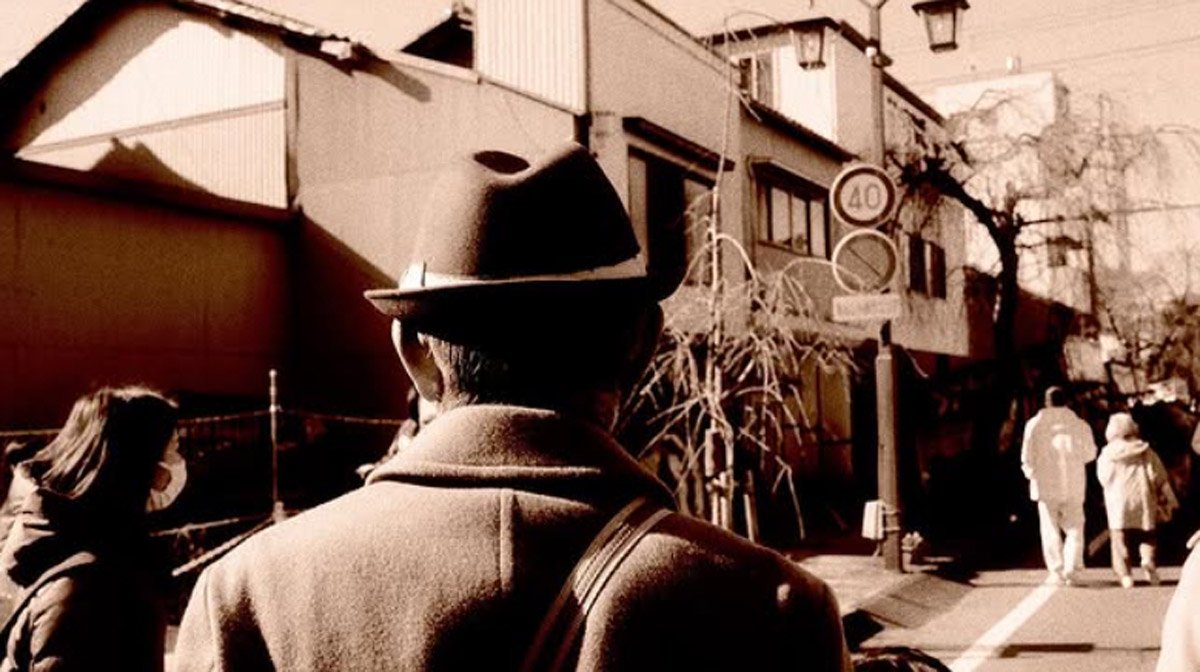
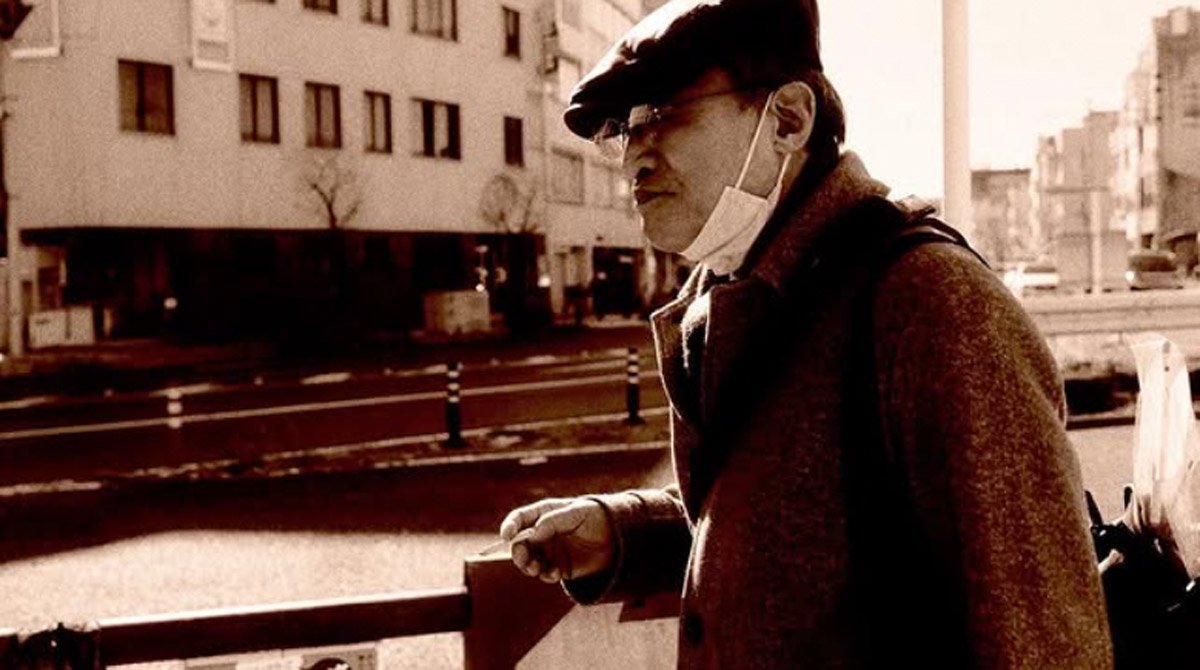
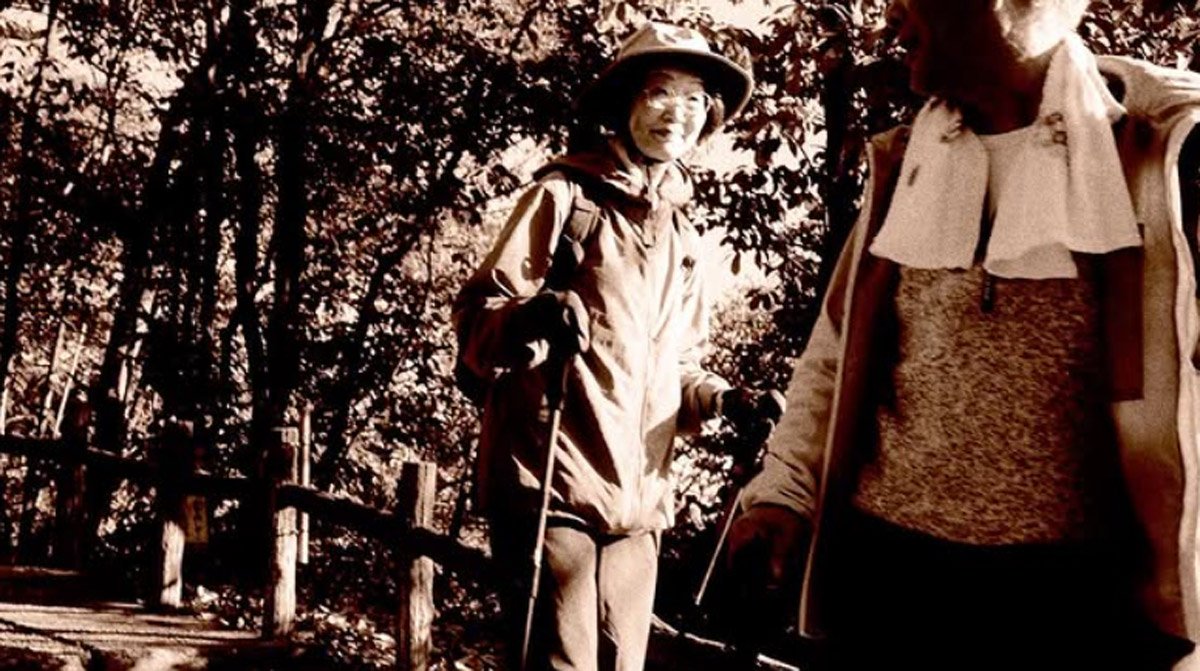
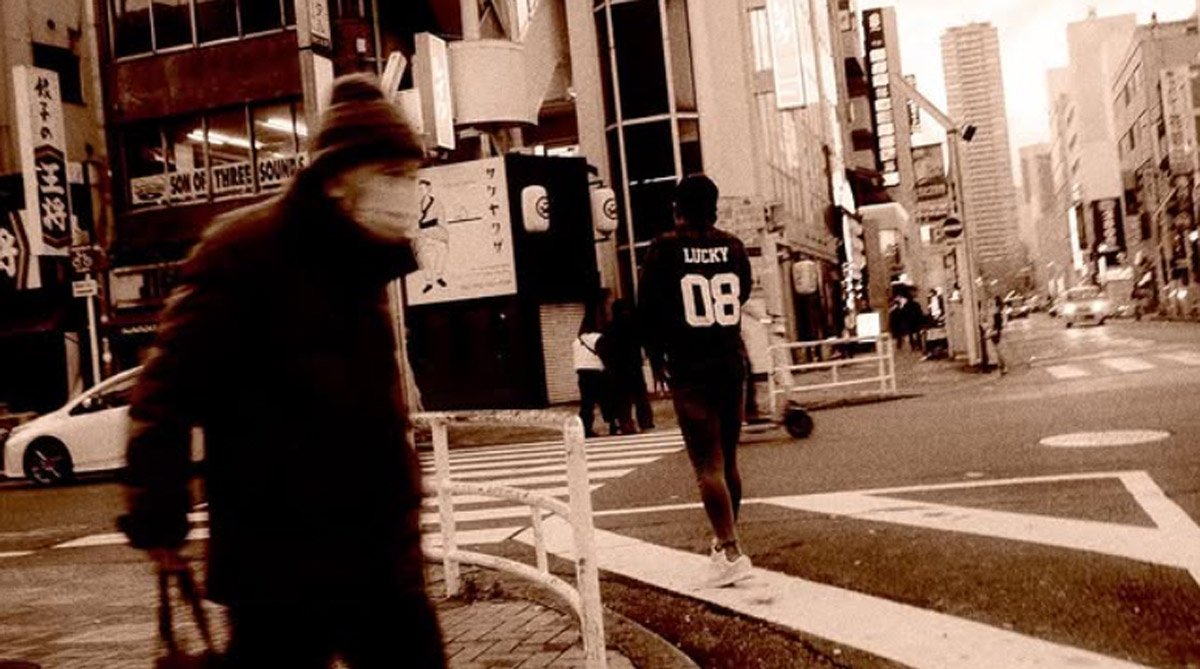
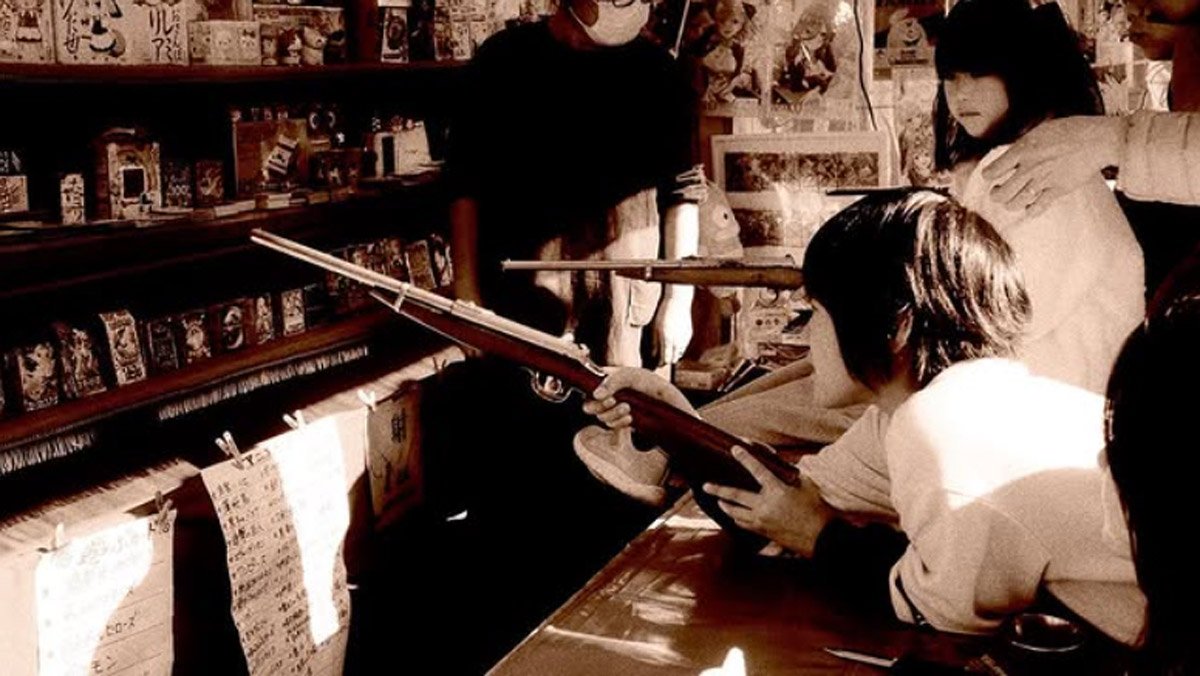
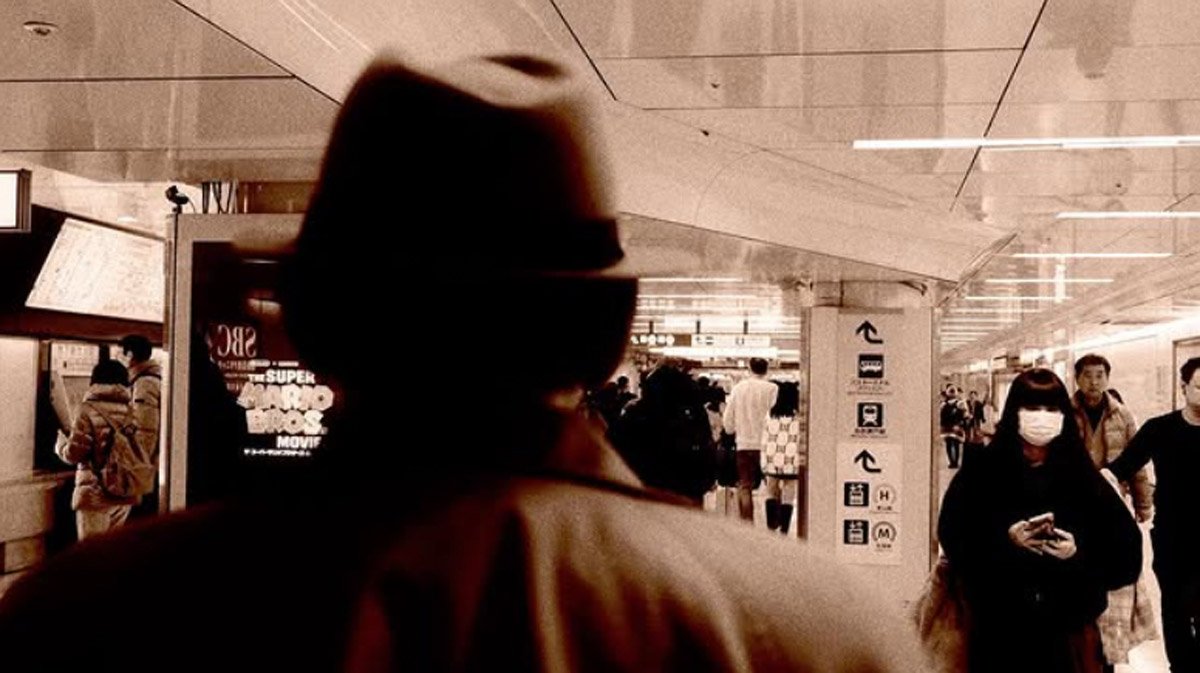
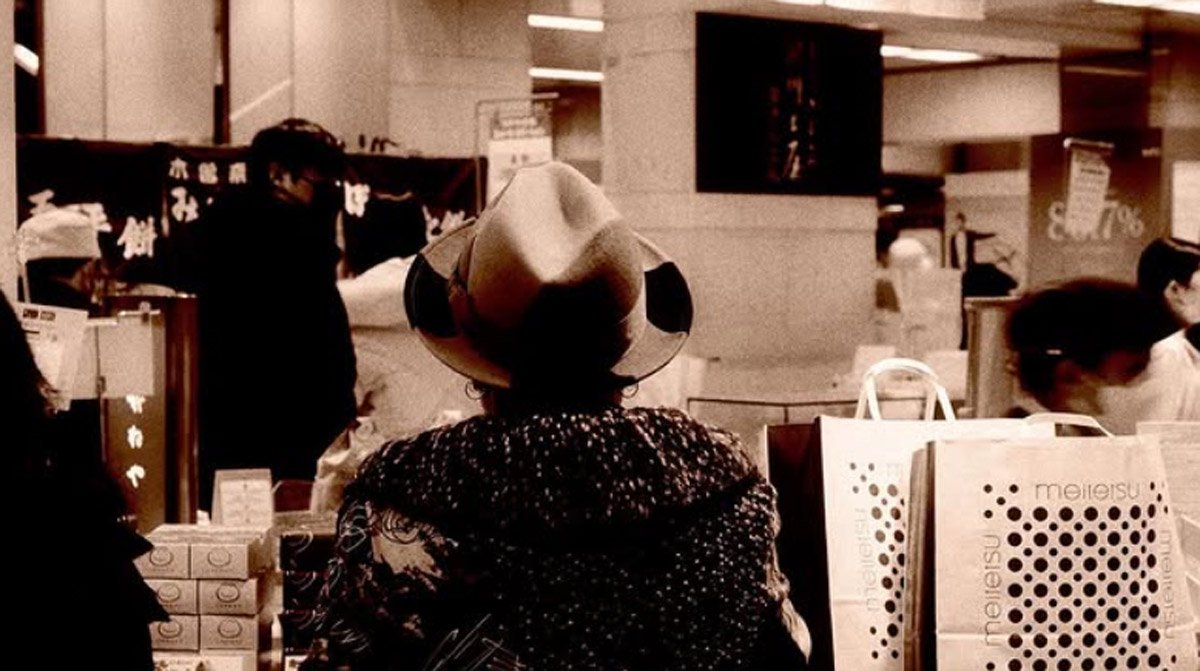
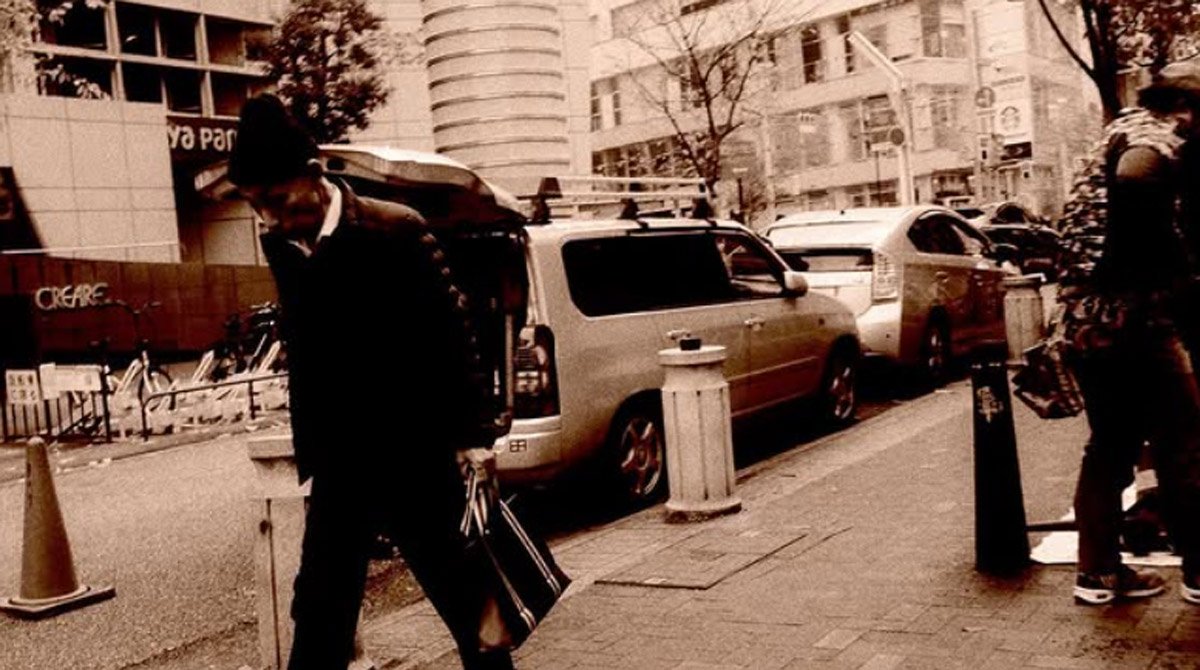
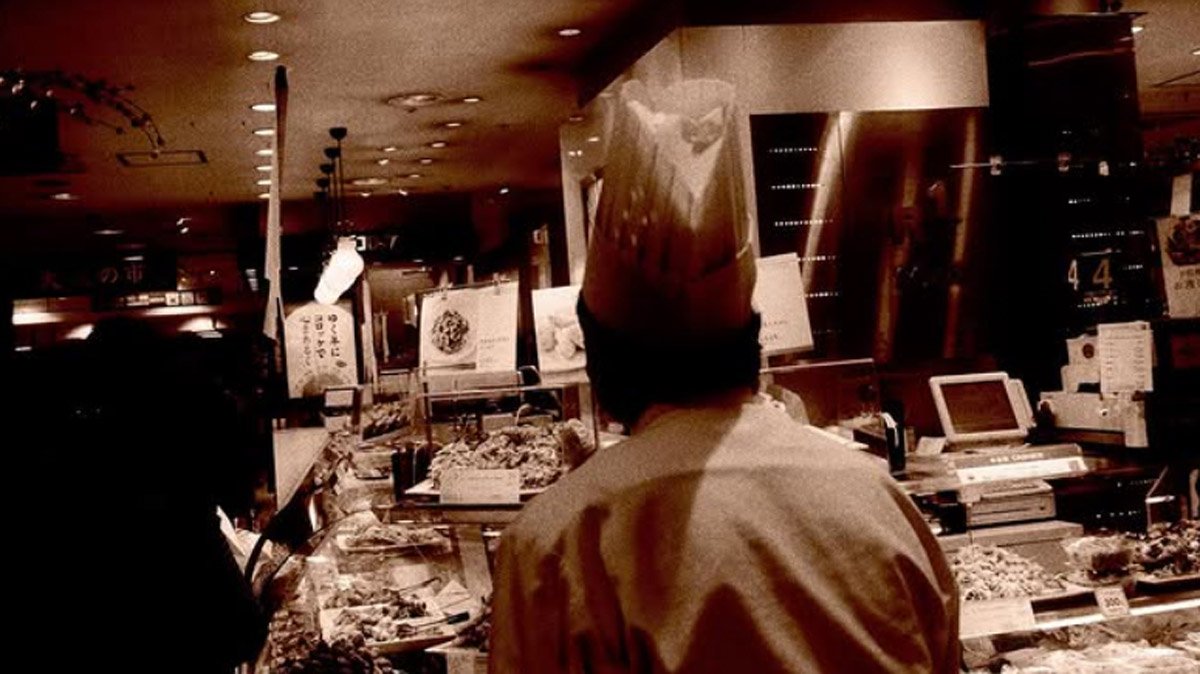
Yet, amidst these images, I found a specific selection that intrigued me far more deeply. At first glance, one might place them within the tradition of “street photography,” for they are indeed street scenes—stolen moments captured without the subjects ever realizing they were being observed. However, the most popular lineage of street photography tends to scavenge for absurdities or the bizarre anomalies of daily life, which, under the lens, can border on the ridiculous. This is what we encounter in the work of Bruce Gilden or, in a more refined manner, Martin Parr. They invite us to look at their characters with sarcasm, inciting a certain sense of superiority over them.
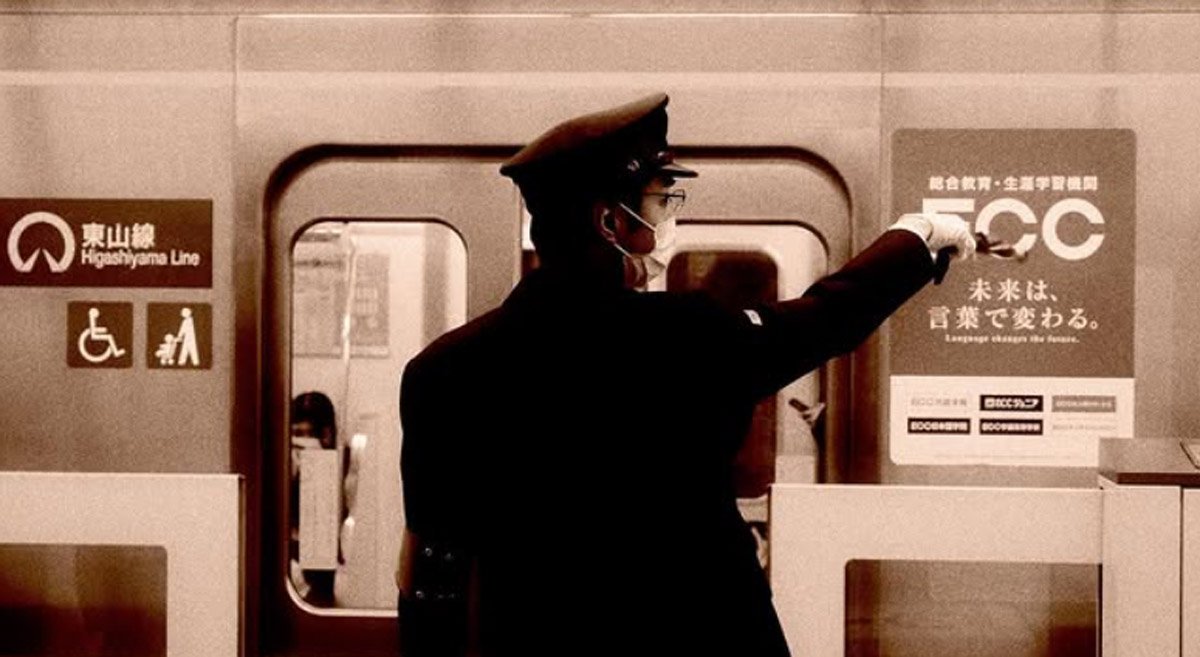
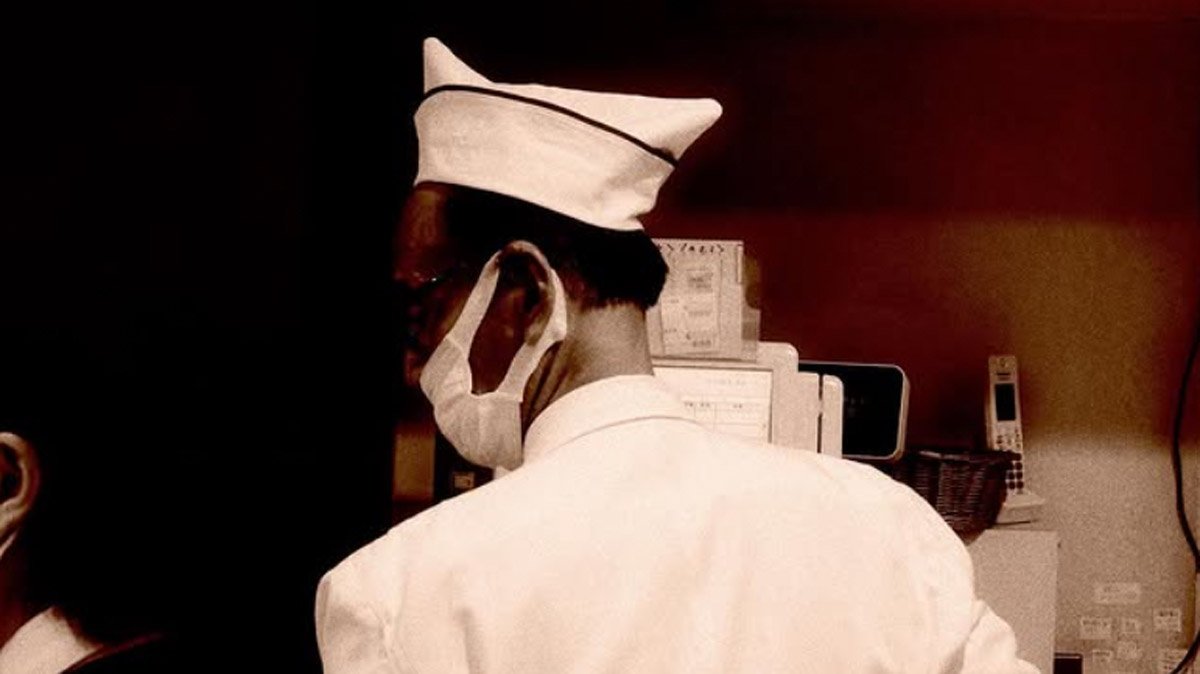
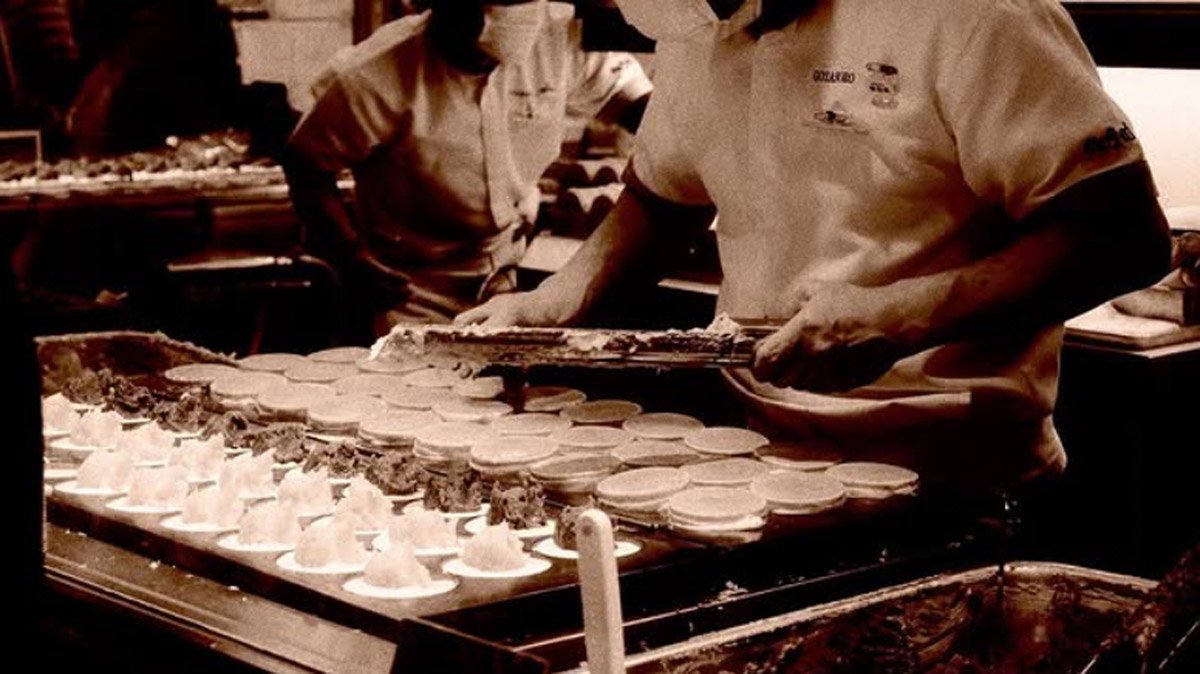
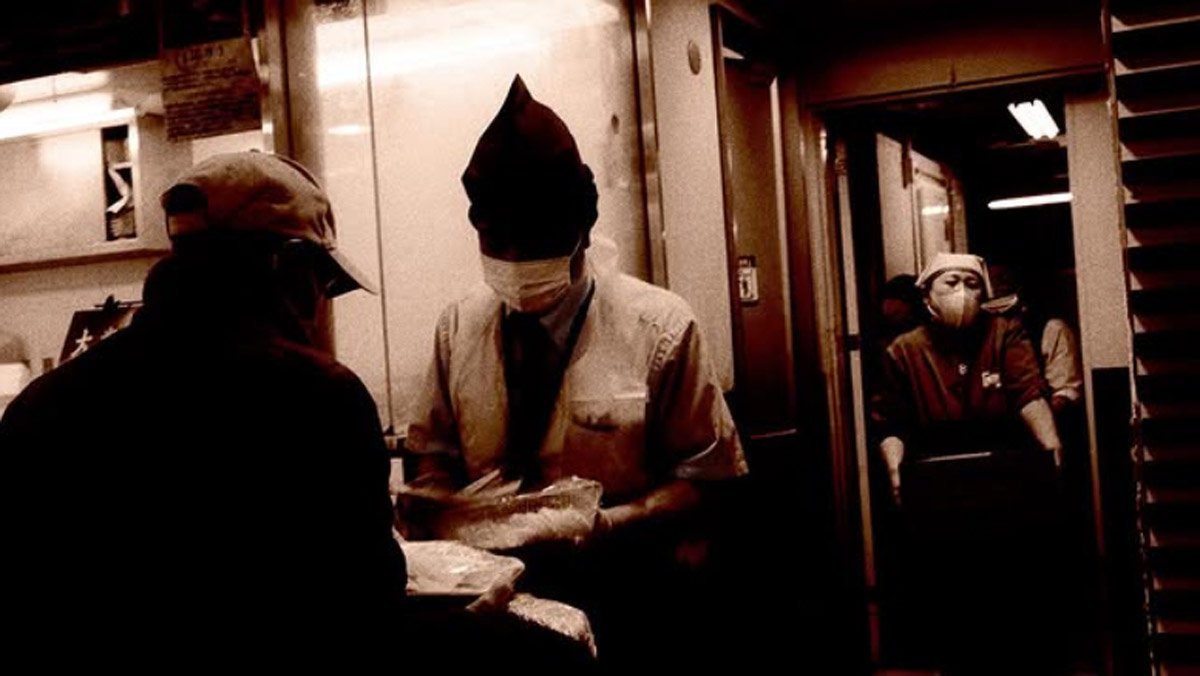
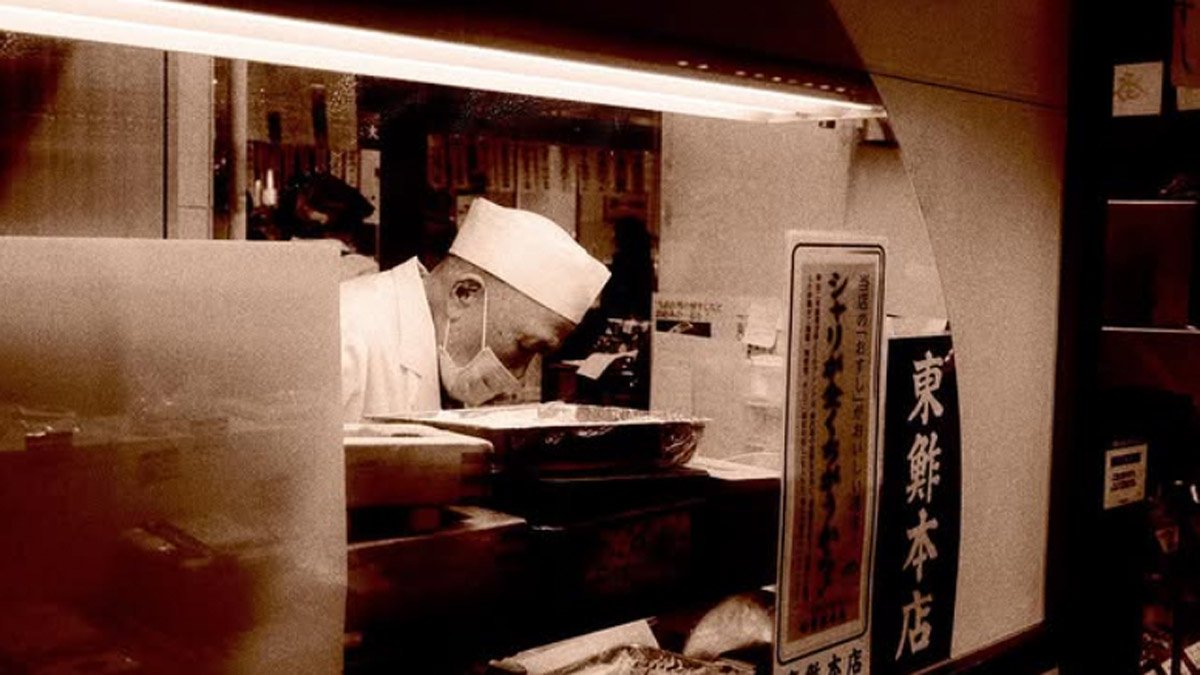
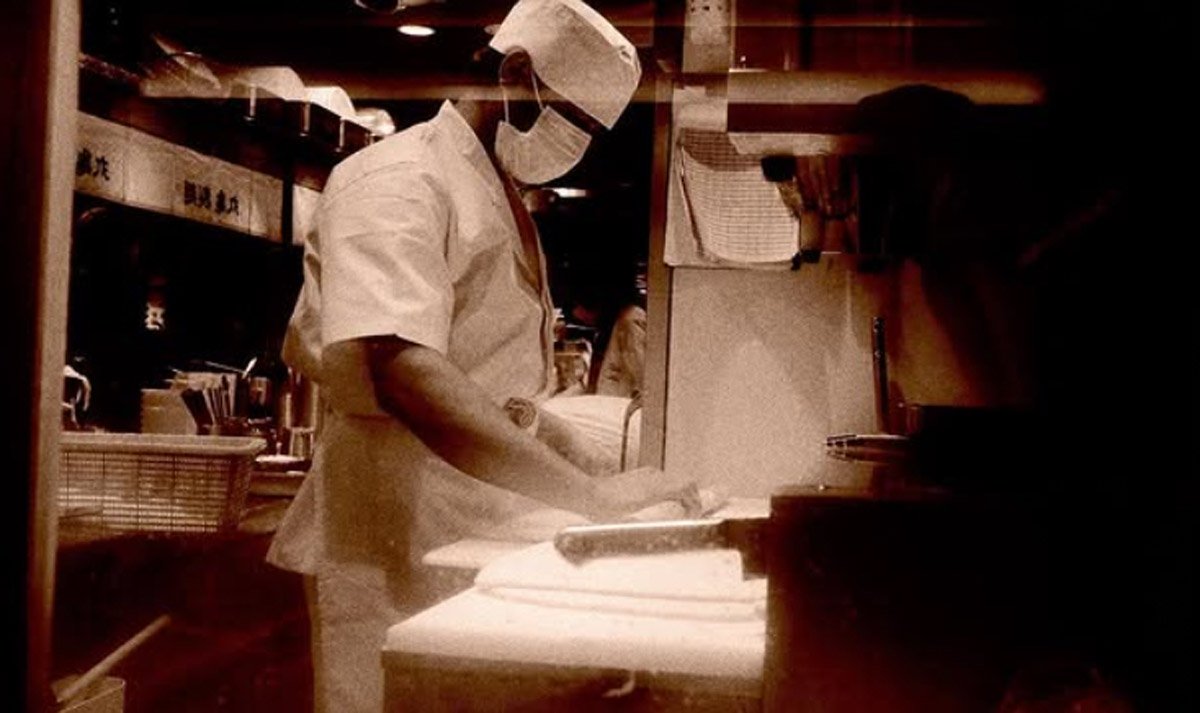
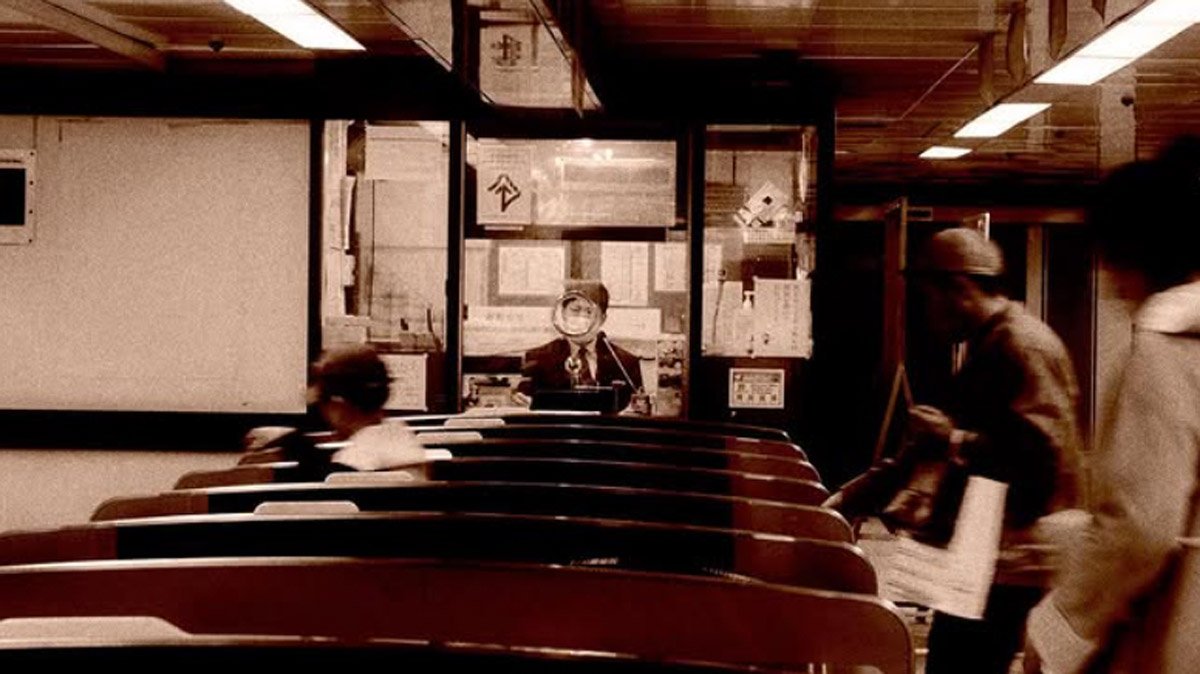
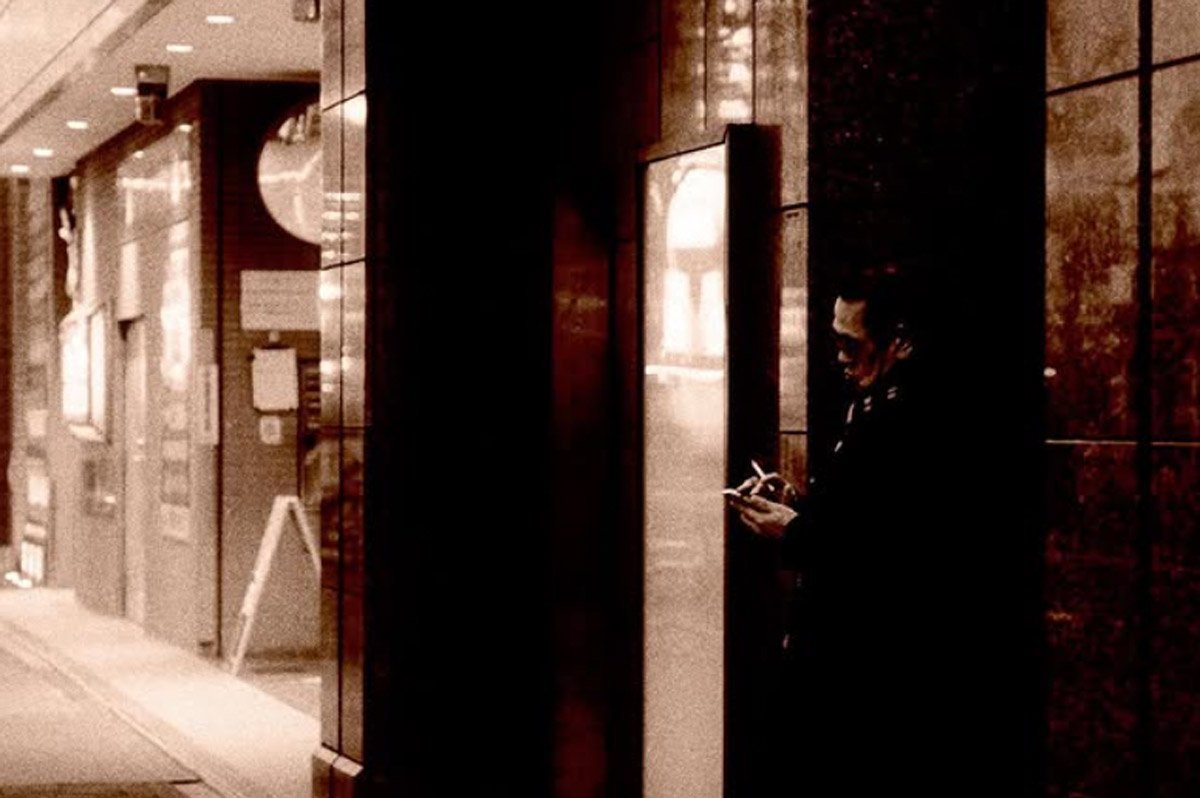
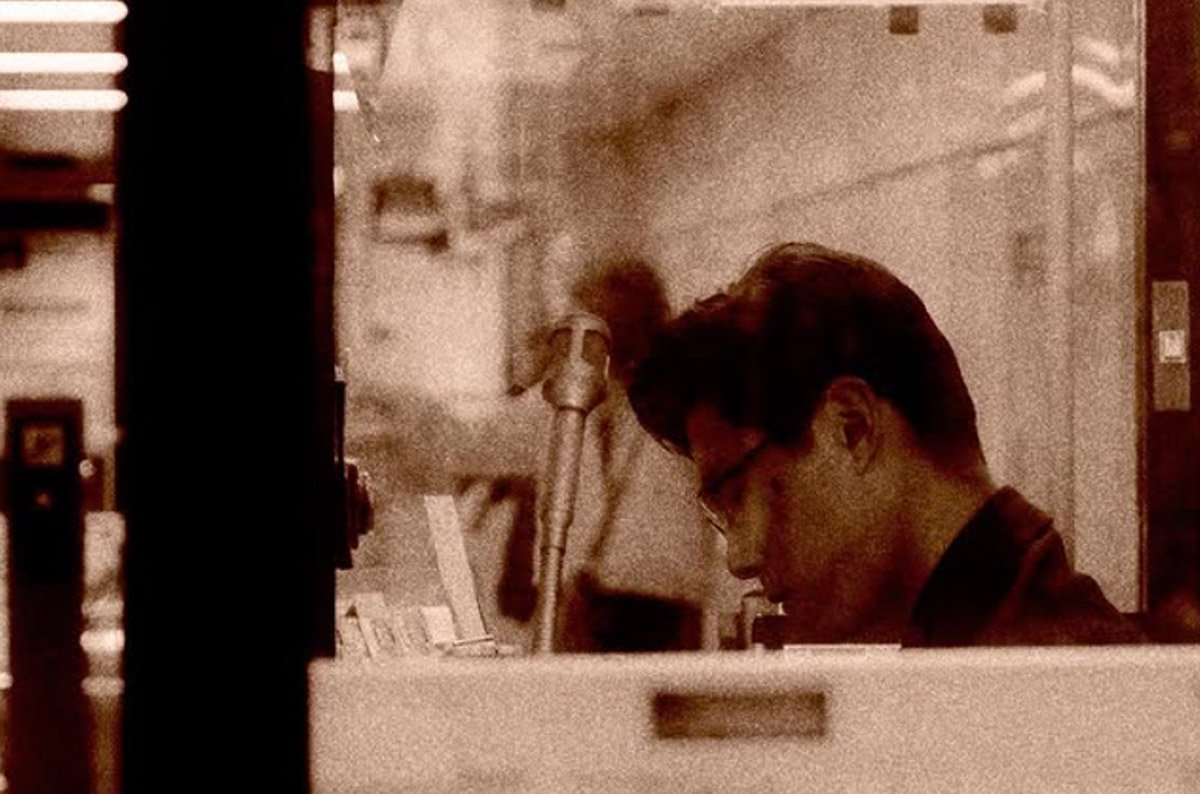
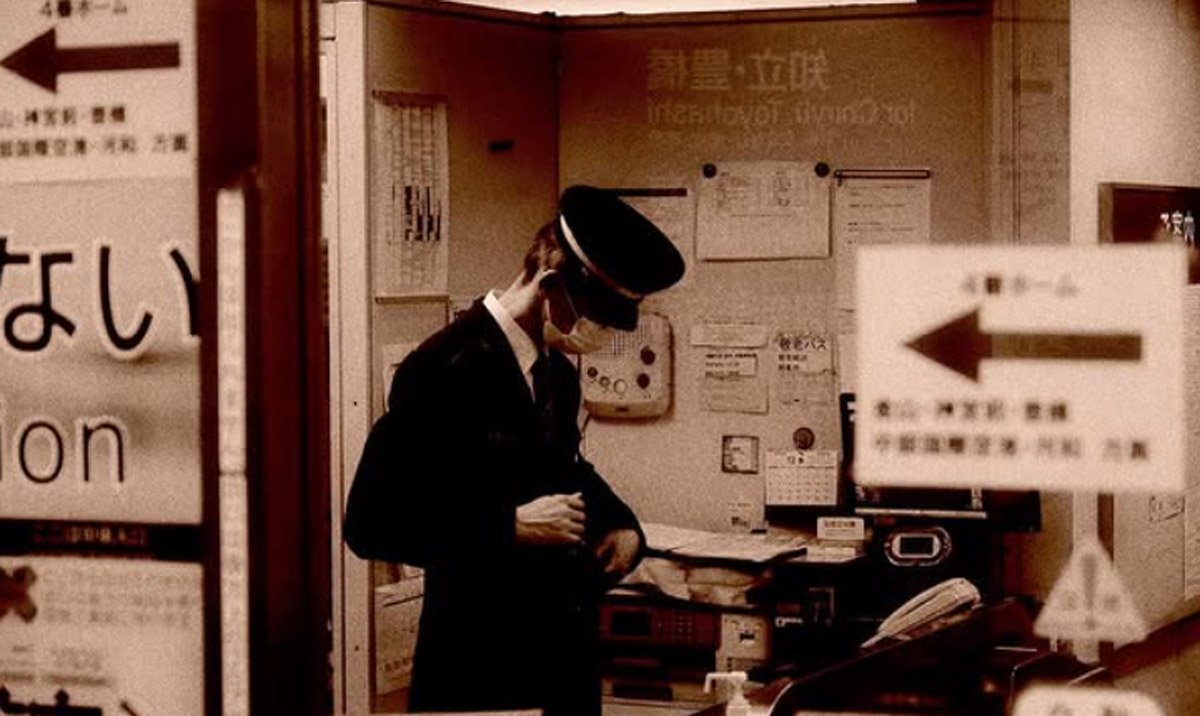
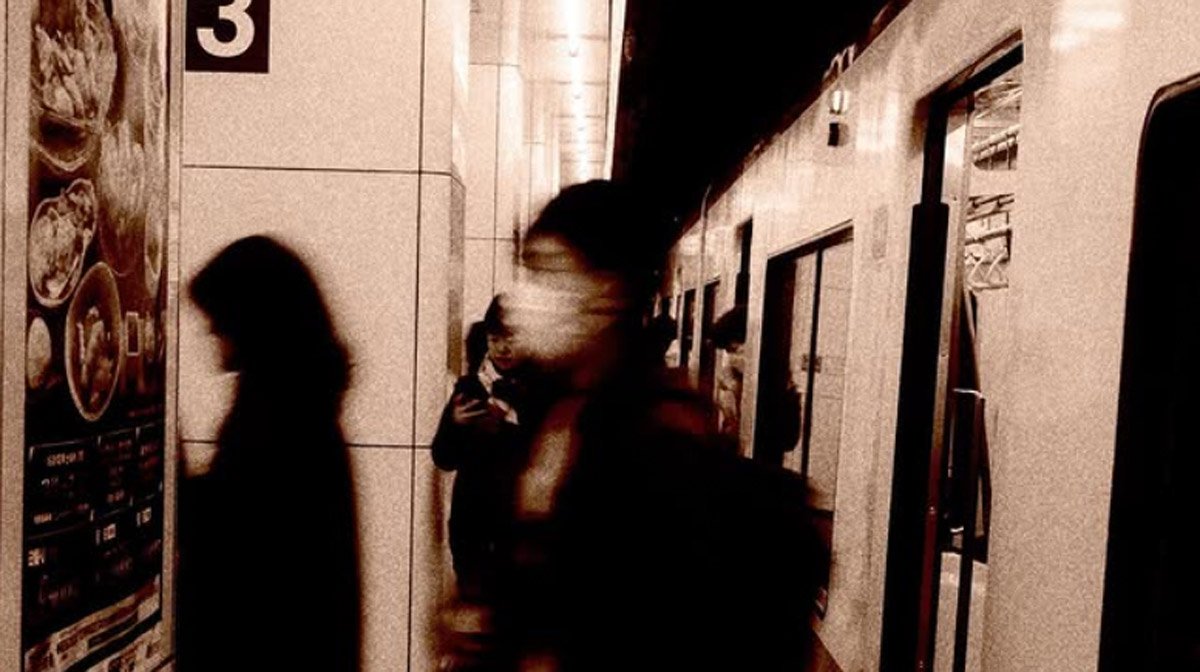
As I browsed through his photos on Instagram, I noticed a group of images that, despite their street setting, shared none of this satirical vein. These are the pieces I selected for this exhibition. They leave me with the impression of Jiro Asada’s immense curiosity toward the world. There is no judgment, no exoticism; instead, there appears to be a desire to understand—to coexist with these ordinary characters through the medium of photography. In many of them, the framing—utilizing elements in the foreground—suggests that Jiro was peering at them from a distance.
The subjects are neither beautiful nor ugly, nor are they bizarre in any sense. Many are shown working or enjoying themselves, but deeply absorbed in what they are doing, entirely oblivious to the photographer’s attention and act.
Nor are they used, as is so frequently the case in street photography, as mere formal components of a composition—playing against graphic lines or architecture simply to act as a point of disruption, a token human element amidst a cold urban order. They are not there merely to provide a sense of scale to architectural structures, or to highlight the photographer’s privileged “eye,” supposedly capable of finding beauty where others see nothing.
Another consideration is his choice of monochrome. Because black-and-white is inherently anti-naturalistic—since the real world is in color—rendering a scene solely through highlights and shadows introduces a detachment. It informs us, yet it blocks a complete, transparent immersion. It leaves us with the feeling that the desire for closeness has a boundary: near, but not too close. Furthermore, the heavy historical weight of black-and-white imagery, which was the absolute norm of photographic history until the 1950s, helps situate monochrome photographs within a perceived past—another time that is not our own. For me, the result is that these images evoke a timeless reading, pointing toward an idea of the very essence of things.
After a couple of unanswered attempts, I finally managed to exchange a few messages with Jiro and discovered just a fraction more than I already knew. He turned 22 this June, 2026. He began photographing around the age of 19 or 20, considers himself an amateur, and does not yet see himself steering toward photography as a professional path or a primary source of income.
Jiro is of Japanese and Filipino descent. He lived in the Philippines until 2022, when he moved to Japan. Since childhood, he played with his family’s cameras, but it was only after this move to Japan that photography became an activity in its own right—a part of his life. He frequently leaves the house simply to shoot, and it is from this practice that we receive this output of a flâneur sliding through the streets of Nagoya.
It is highly tempting to view the photography Jiro Asada began making upon his arrival in a country both familiar and strange as an instrument of reconciliation. Avoiding both criticism and praise, his images seek an approximation. It is easy to imagine a desire to absorb and be absorbed by a new environment that is simultaneously his own and foreign.
Such psychological interpretations of an artist’s output are always risky if we demand proof of veracity from them. There is no way to know for sure. Yet, in our capacity as the “public,” we are fully authorized to imagine whatever we wish, and we can enjoy any truth or fantasy constructed from an artist’s work. Invariably, we construct the ones that are dearest to us.
What matters—what makes me value the artist’s work—is that the creation allows for this kind of free flight into territories rich with associations, visions, and feelings that the viewer also experiences or has experienced at some point. The difference is that the viewer normally does not know how to shape and substantiate it in art, as the artist does. My gratitude to Jiro for sharing his photographs.
Wagner Lungov