Vitor Carvalho | Uncle Dunha
Click on the image to view it in a lightbox
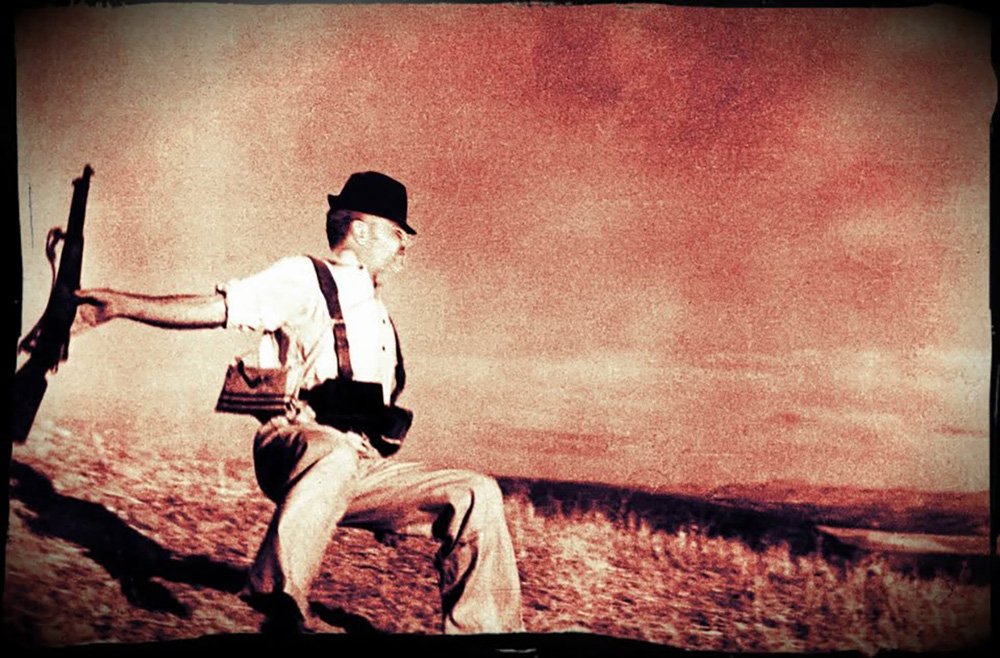
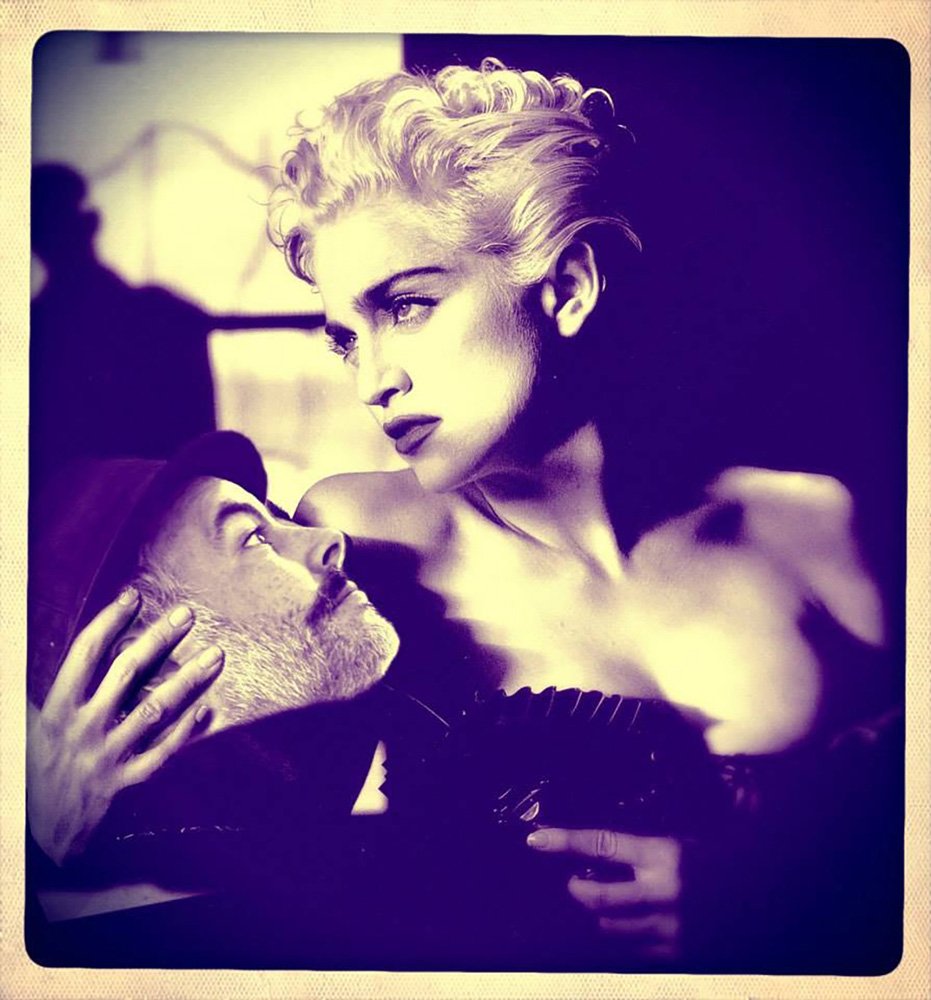
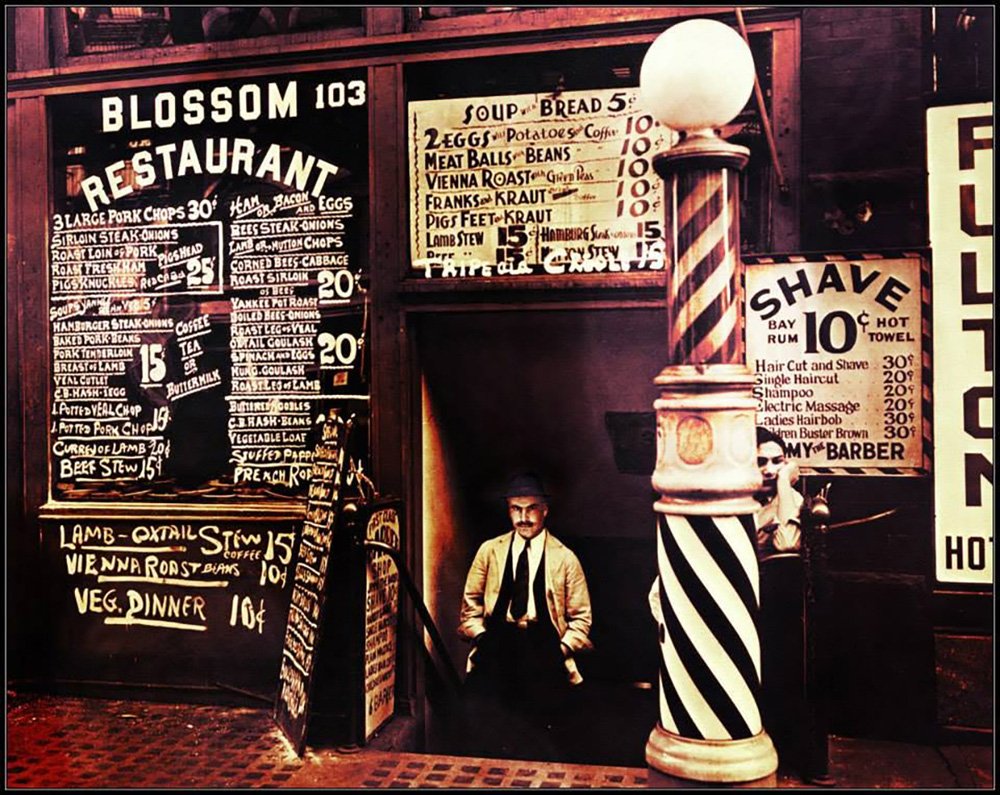
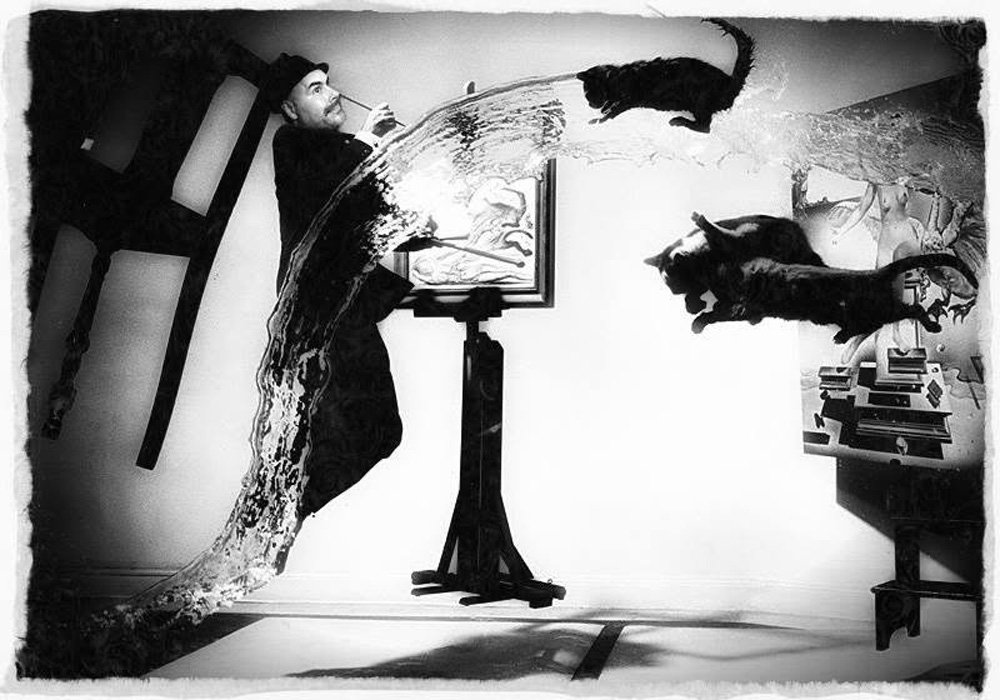
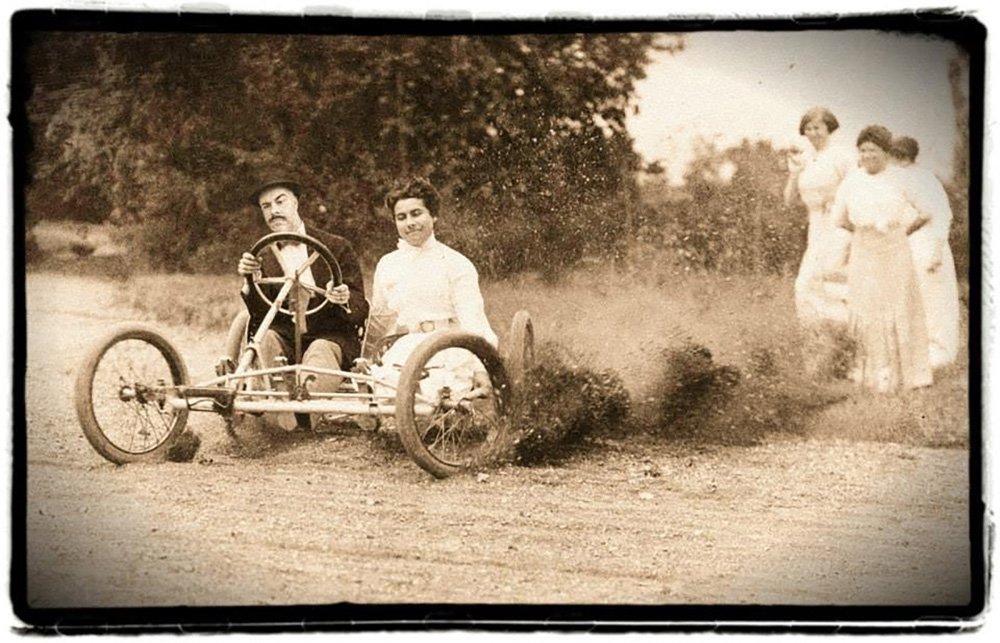
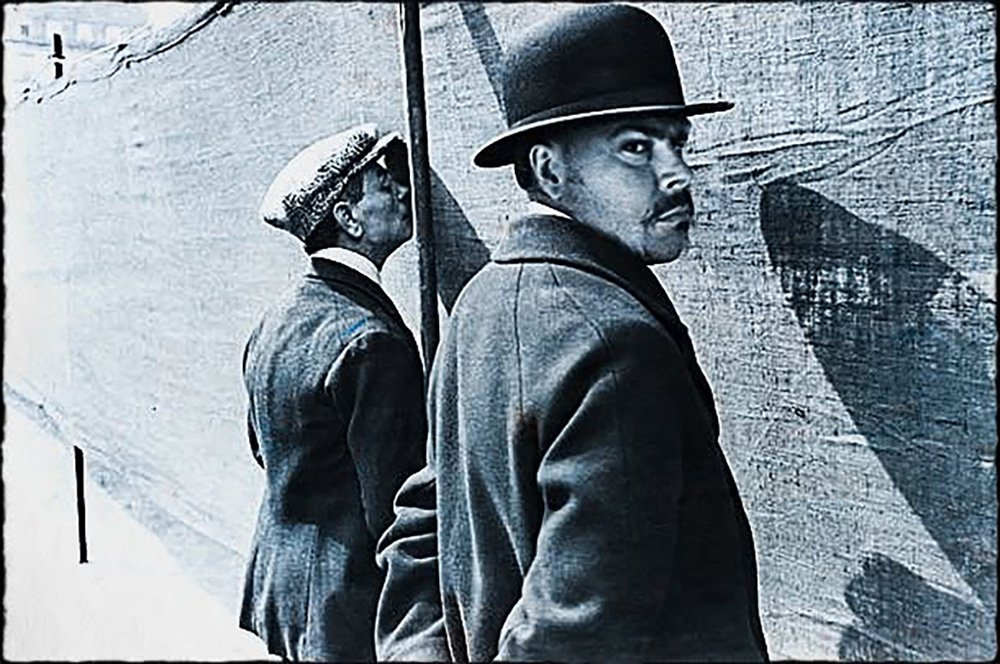
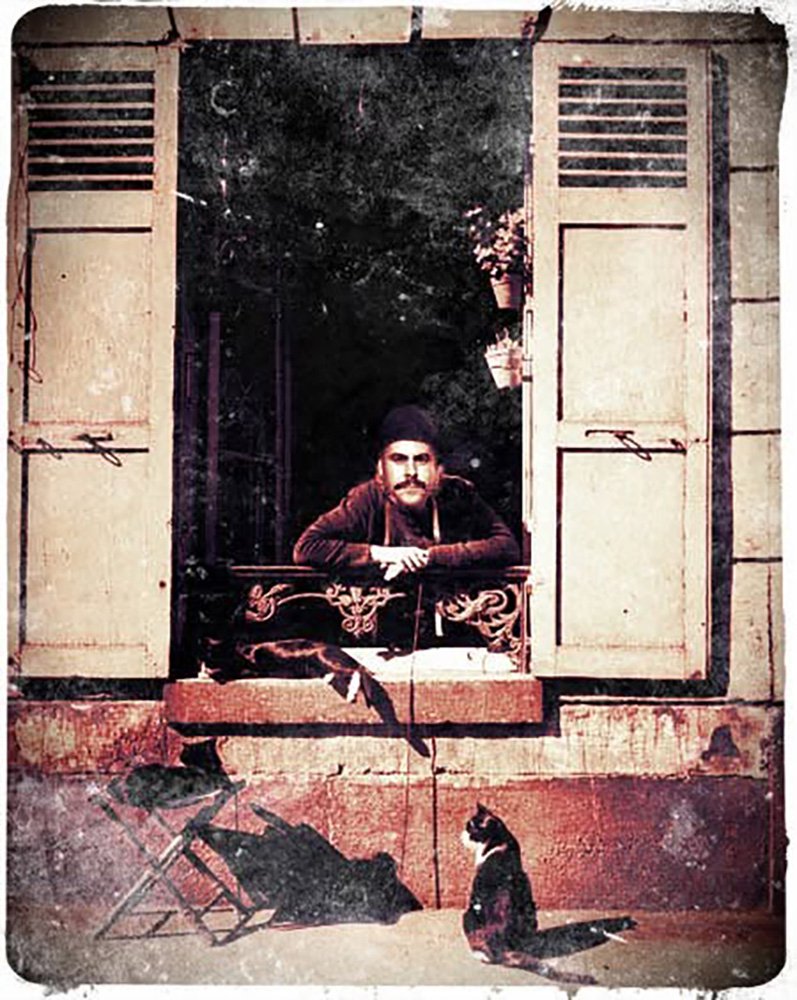
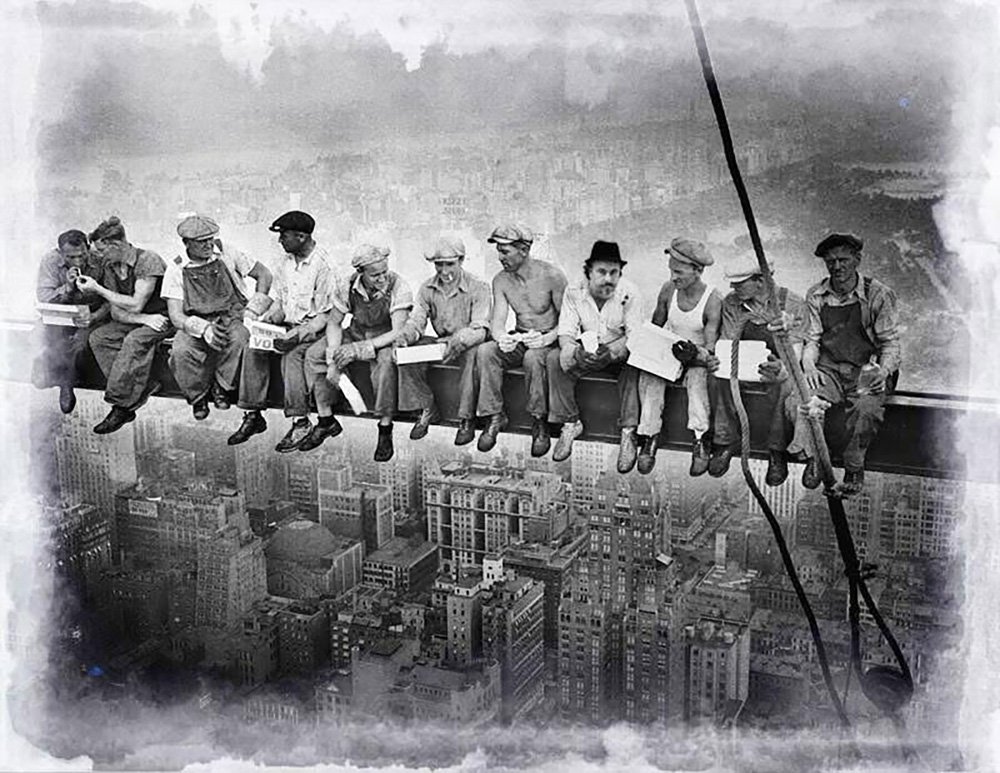
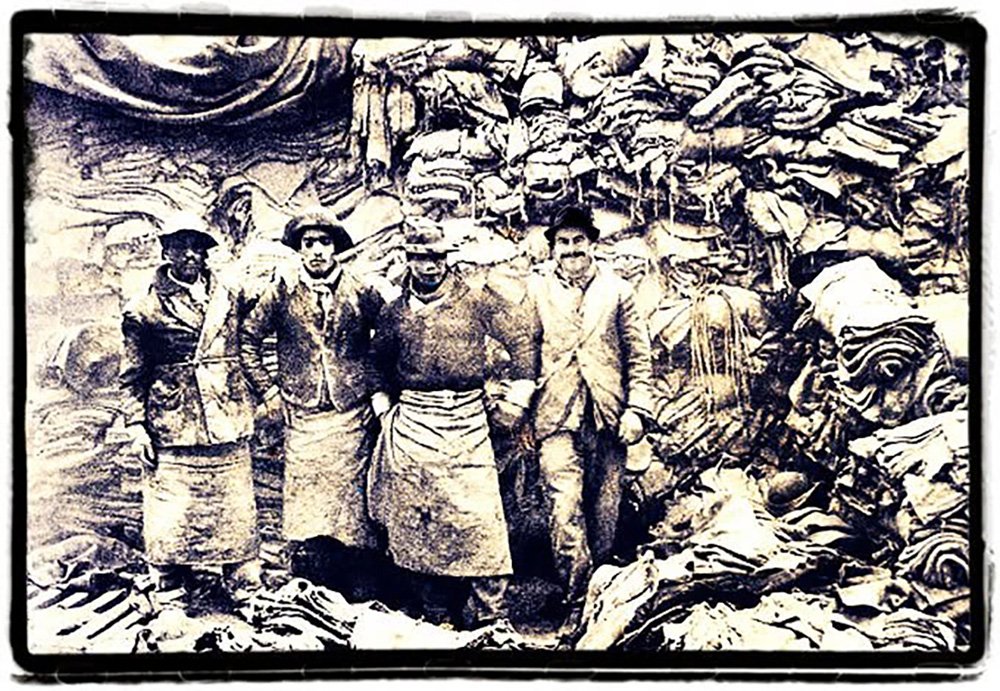
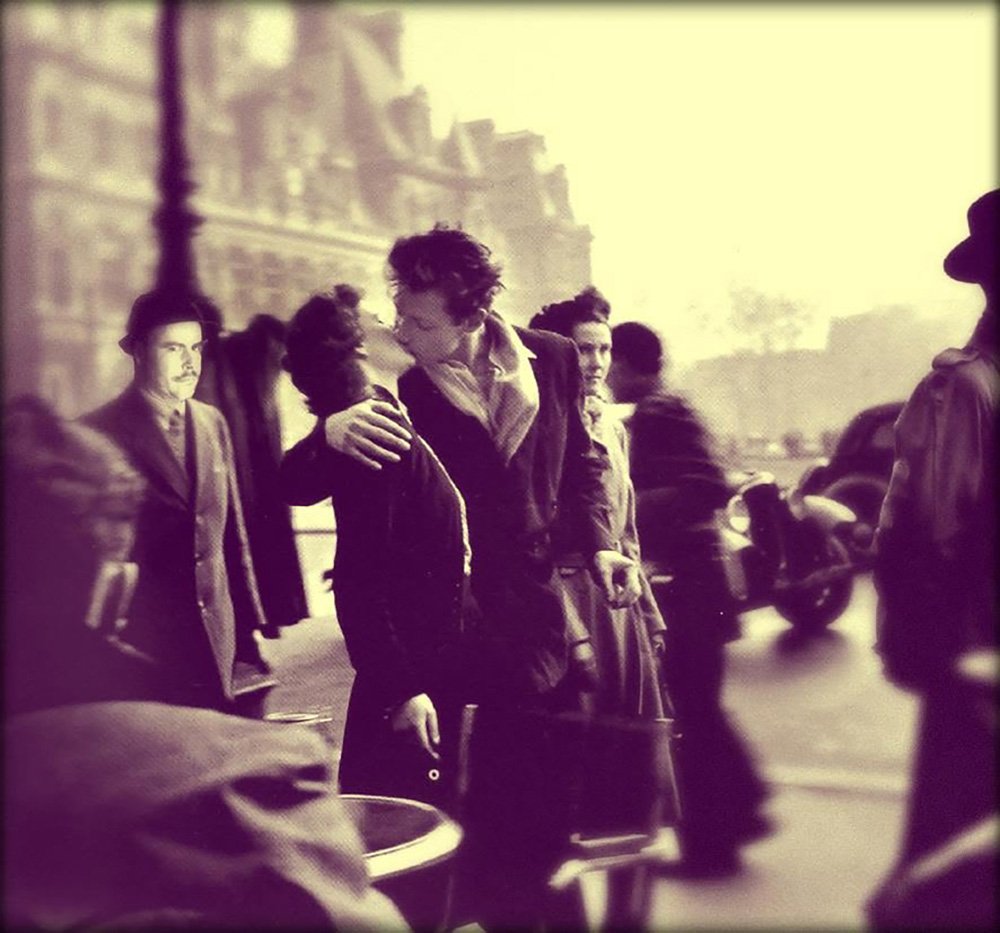
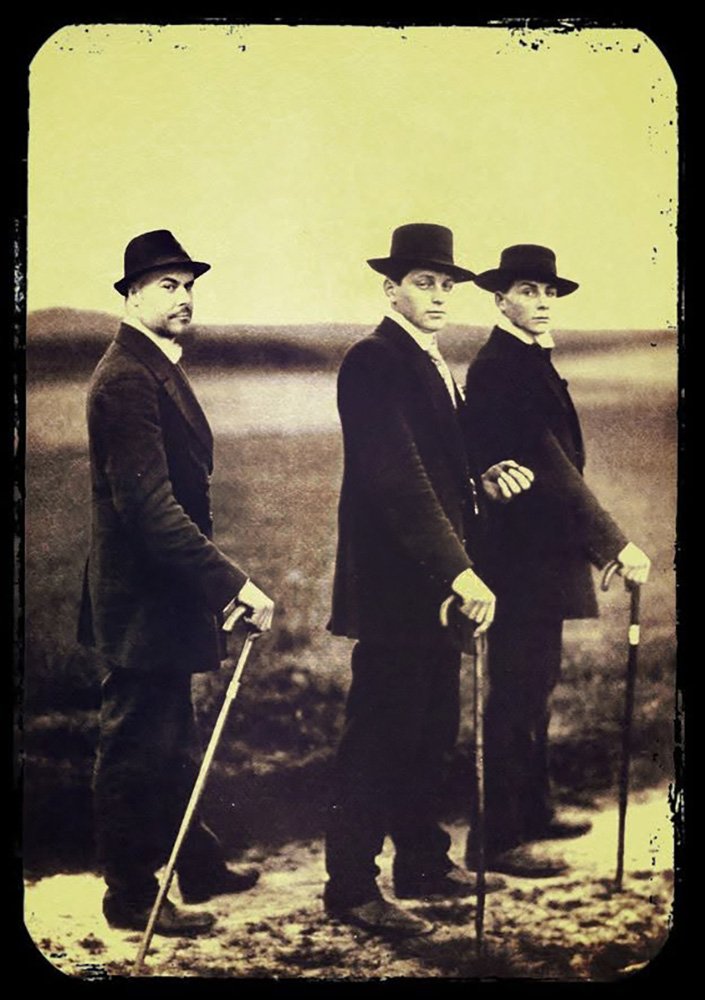
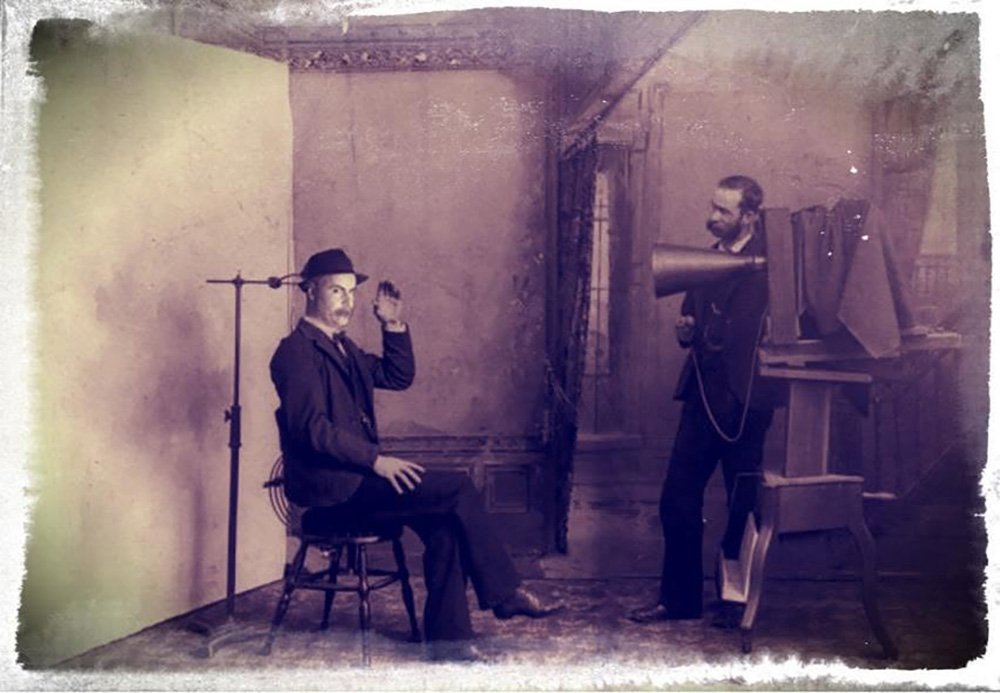
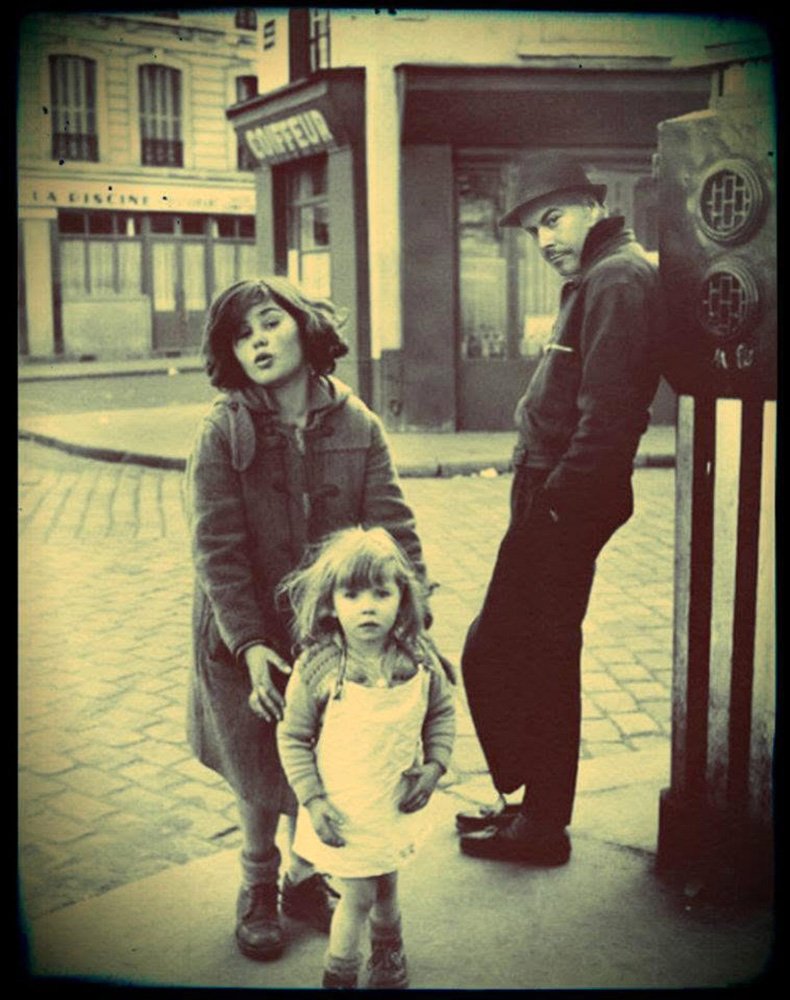
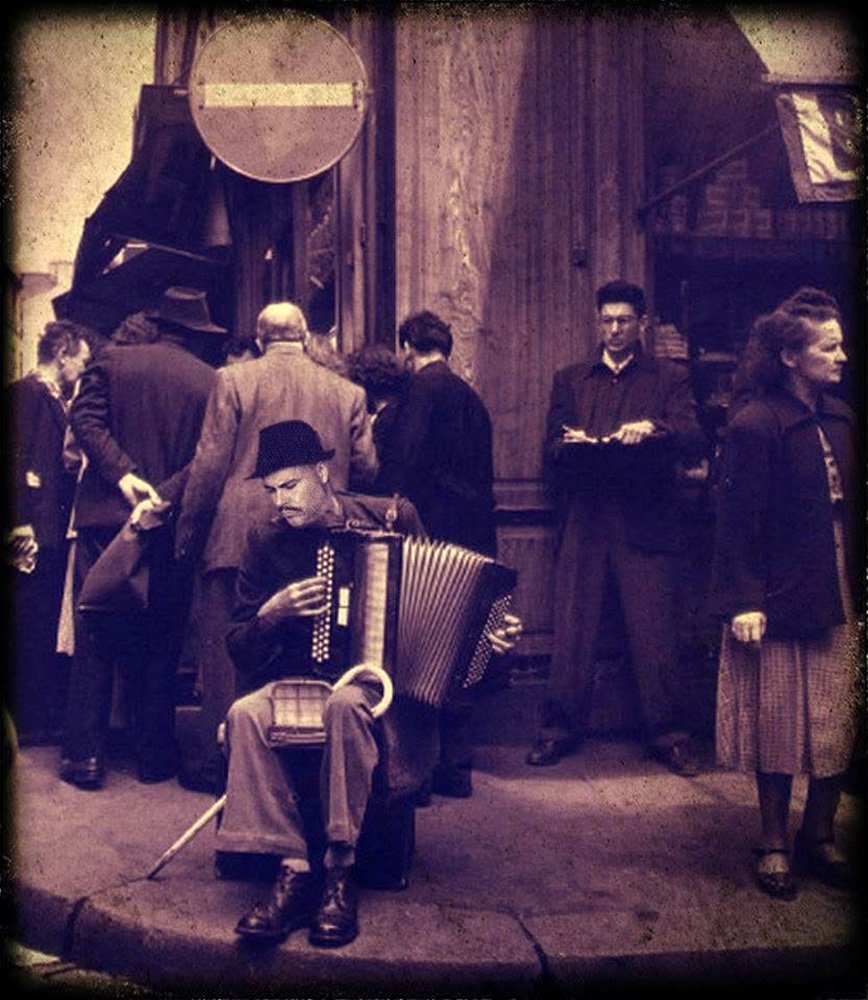
Every image is an invitation to the imagination. A photographic image invites us to imagine ourselves within it—right where the photographer stood, in the presence of whoever or whatever he photographed. Of course, this is impossible in the literal sense. But what if we literally insert our own image into another image? It is with this possibility that Vitor Carvalho experiments with interacting with various classics of photography.
For this to work, the viewer must be familiar with the original image; that’s why the selections are limited to only the most famous photographs in the history of the media. You’ll recognize names like August Sander, Robert Capa, Henri Lartigue, and Robert Doisneau, among others. “Work” in this context means recognizing that something is off. The manipulation doesn’t even aim to be entirely illusory, and this reinforces its nature as an overt and unapologetic hoax. There’s no escaping it, not even for the most distracted of eyes.
The intruder is a character named Uncle Dunha, created by Vitor Carvalho more than 20 years ago—long before AI—and who has accompanied him in numerous projects. In this particular project, it is through the series of interventions that he takes on a certain burlesque personality that shifts from one photo to the next. He can spoil our voyeurism in Doisneau’s kissing scene, or in Cartier-Bresson’s photos of the girls, in which Uncle Dunha displays a certain air of disapproval, making it clear that he is watching us as we watch. He might replace one of August Sander’s three country folk, but with a sudden empathy not seen in his “colleagues.” Or he might even shatter the mythical atmosphere in Herb Ritts’s photo, revealing himself as a mere mortal, gaping in awe in the arms of the goddess Madonna.
The result is a series of new images that, by playing on our prior knowledge of the originals, allow Vitor Carvalho to convey to us something of his own initial experience of them—precisely where it potentially resonates with our own. The power of these classics has been built up over the course of history, through their circulation and the extensive, repeated exposure to such images. The altered—but not tampered with—photos in this exhibition are a lighthearted way of sharing the universal expressive power they possess.
About the Author
Vitor Carvalho is a visual artist, photographer, teacher, and cultural producer from Atibaia (SP). He holds a degree in Art Education from the School of Fine Arts, a specialization in Teaching, Art, and Culture from ECA/USP, and a degree in Visual Arts from Unicamp.
His career spans photography, the visual arts, curation, and cultural production, and he has created and participated in projects that bring art, the city, and everyday life closer together. He is the founder and director of Incubadora de Artistas, a space for creation and cultural outreach that has been active in Atibaia since 2013.
In her artistic work, she primarily explores memory, the urban landscape, and ways of looking at the city, transforming everyday life into material for her art.
Instagram Contact: Vitor Carvalho