Photography in the 1920s
Now the topic is the photographic scene at the beginning of the 20th century in terms of photographers: how they understood themselves in relation to their activity, whether amateur or professional?

Now the topic is the photographic scene at the beginning of the 20th century in terms of photographers: how they understood themselves in relation to their activity, whether amateur or professional?
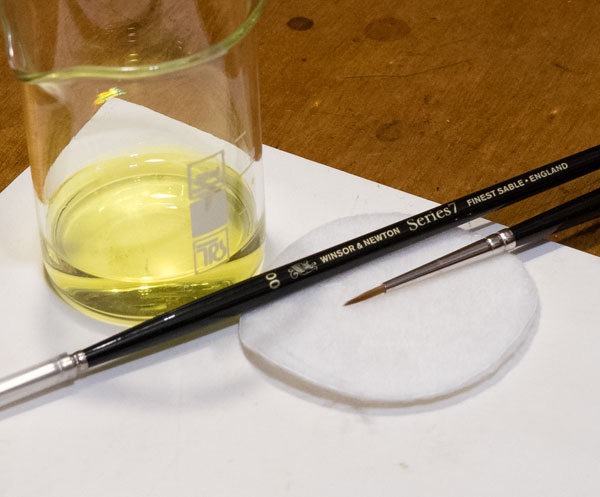
This tutorial shows how to retouch black and white photos, both by down-toning, to chemically lighten points in the photo, and by depositing pigments to darken points in the photo. The procedure can be used to correct flaws or creatively intervene in the photograph.
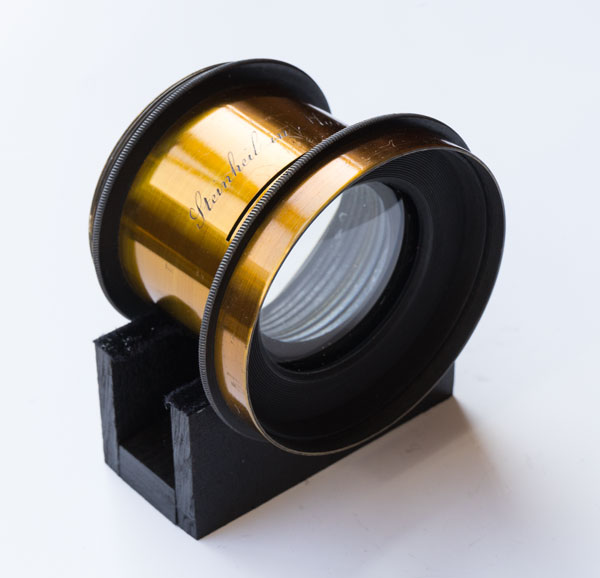
This lens, designed in 1881, was one of the pinnacles in the development of photographic optics before the introduction of barium crown glass, which made anastigmatic lenses possible.
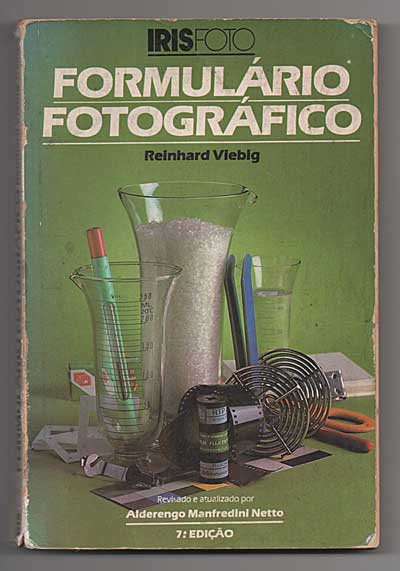
Formulário Fotográfico | Reinhard Viebig A very old book, but still a practical companion for the laboratory. I think it makes sense now more than ever, because these days it’s very expensive to buy developers, fixers and other formulas used in black and white darkroom. While ready-made formulas from traditional manufacturers Kodak, Ilford, Agfa, Tetenal,…
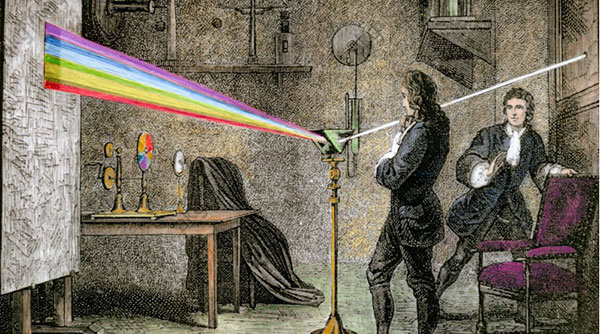
The text analyzes the invention of photography through its main protagonists and the way in which the project as a whole was part of the trend towards a disenchantment of the world and a redefinition of our relationship with nature.

A quick survey of the range of cameras on offer in the 1920s. The types and characteristics are analyzed to compose the scenario that preceded the introduction of the Leica in 1925.

The containers for developing silver gelatine negatives began with a simple tray and have followed the changes in emulsion formats and supports. This article shows some milestones in this history and discusses the possibilities for analog photographers today to develop their films, plates and boards.

This post describes the main points and considerations that were on the table at the time of the decision to launch or not launch the small camera that Oskar Barnack had developed with the support of the firm where he worked, Ernst Leitz.

The text analyzes how the desire for more drama in religious images and the emergence of Humanism in 13th century Europe converged, in such different ways, to an idea of naturalistic art as intended in the Renaissance.
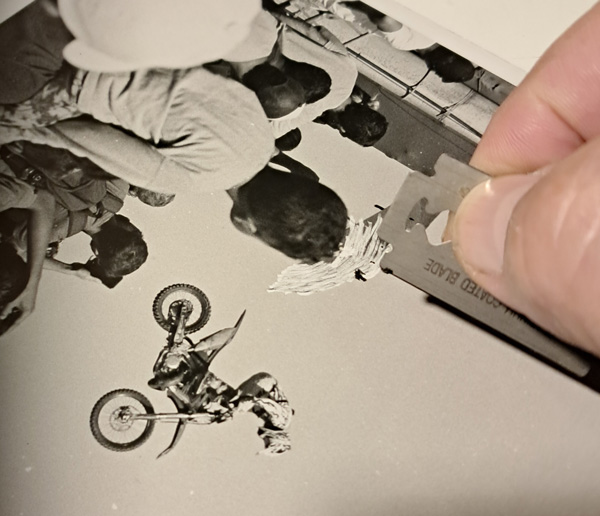
An example of image manipulation in analog photography, involving interventions on a preliminary copy that is then re-photographed and reprinted. This technique allows you to insert or remove anything from the image. The only limit is the photographer’s imagination and skill.
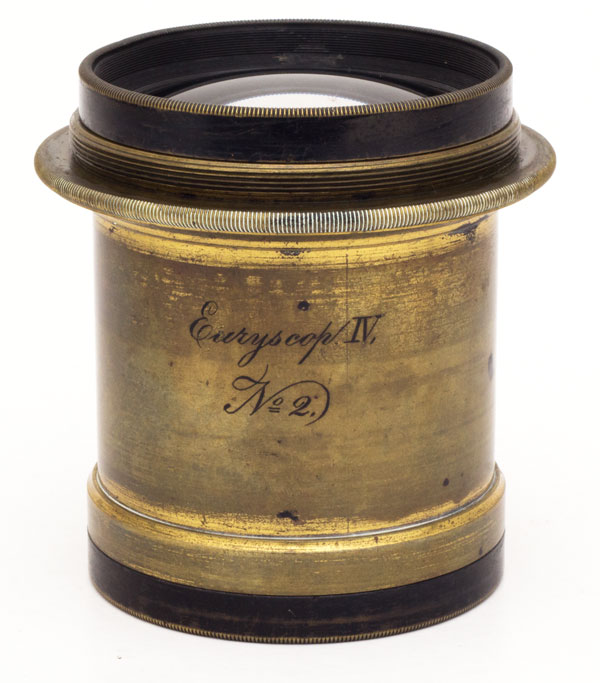
Launched in 1878, this lens was such a success that it practically saved one of Germany’s most traditional photographic lens manufacturers from being swallowed up by the competition. It took a new generation at the helm of the company to create a new generation prestige optics.
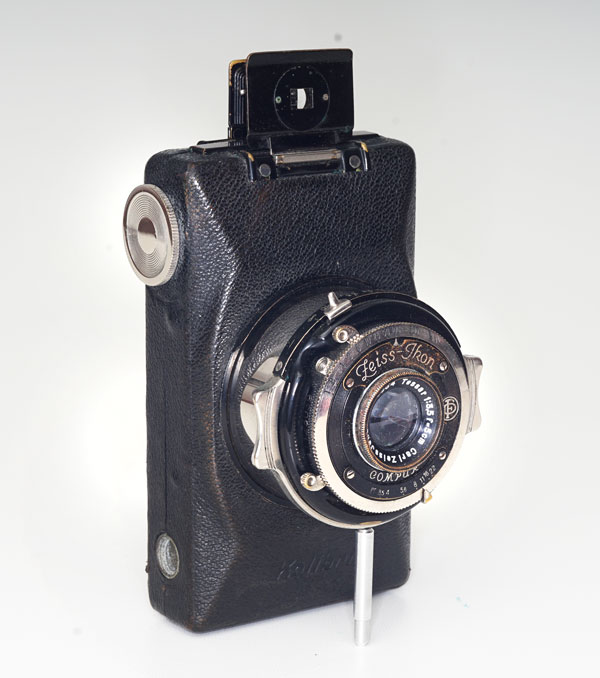
This is a small Zeiss Ikon camera for 127 film. Intended for the amateur market and in times of hardship, it was manufactured from 1931 to 1934. It has the basic controls of speed, aperture and focus by estimation. Its highlight is the very elegant design and exquisite finish. A good companion.