Désiré Lebrun | Sliding box camera
This small 9 x 12 cm camera, with a Petzval lens for portraits, features the first commercially successful camera design, known as a sliding box camera or ‘chambre à tiroir’ in French
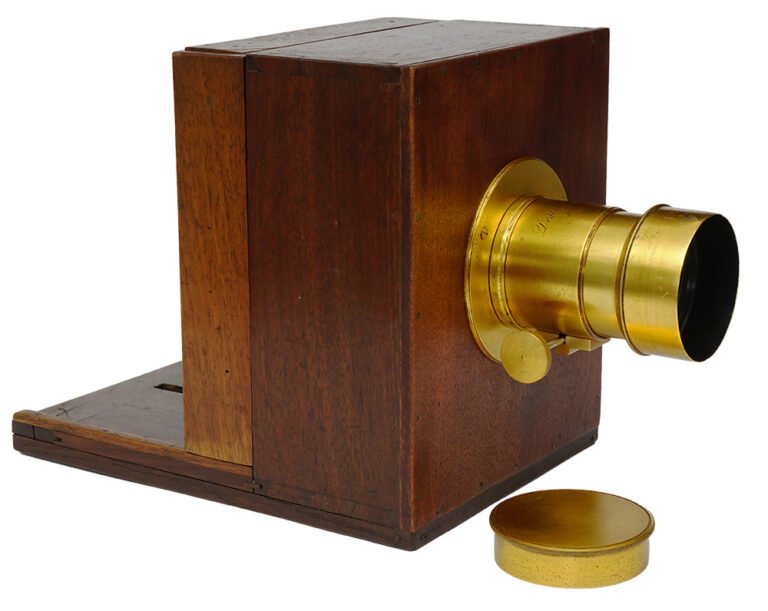
This small 9 x 12 cm camera, with a Petzval lens for portraits, features the first commercially successful camera design, known as a sliding box camera or ‘chambre à tiroir’ in French
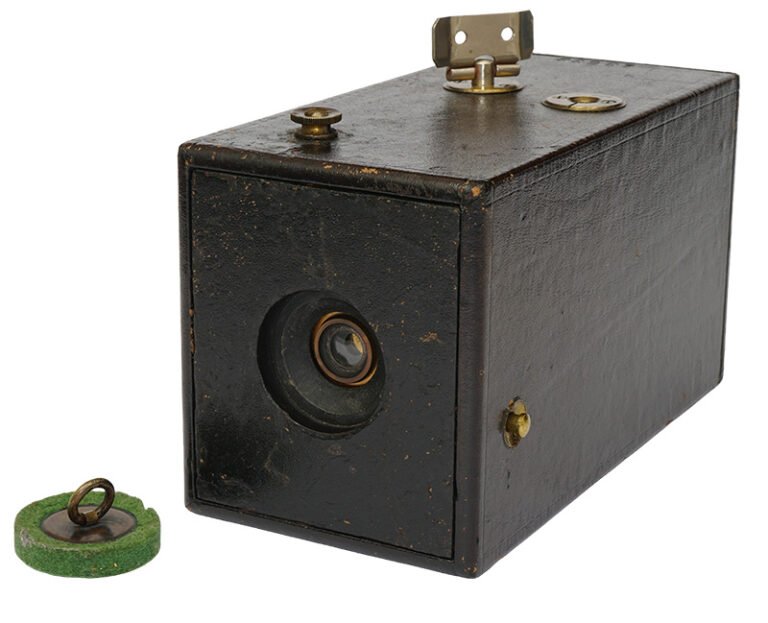
Few cameras can be considered milestones that marked a profound change in the history of photography. It was with this camera that photography ceased to be the preserve of enthusiasts and became part of the daily lives of even those who had no interest in photography.

Miniaturization of the famous 1912 Speed Graphic which was offered in 4×5″ and 5×7″. The “miniature” accepts 2¼ x 3¼” plates and also 120 film with Graflex’s own original adapters.
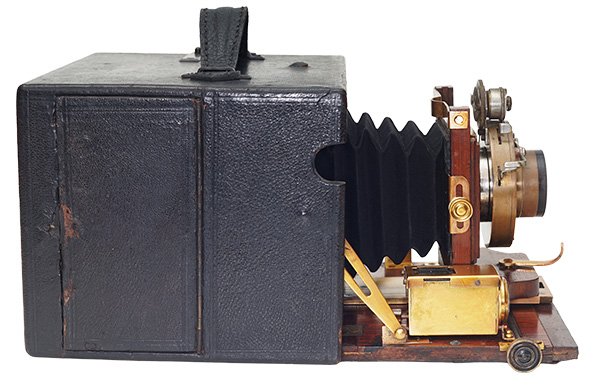
An interesting camera, it uses the practical “American system” with a compartment on the back that can hold up to 3 double chassis for boards. When closed, it looks like a small suitcase, increasing its portability.

Yashica launched its first 6×6 cm in 1953. It quickly became Japan’s largest camera company. More affordable than the Rolleiflex, but with excellent build quality, they were widely used by advanced amateurs and professionals alike.
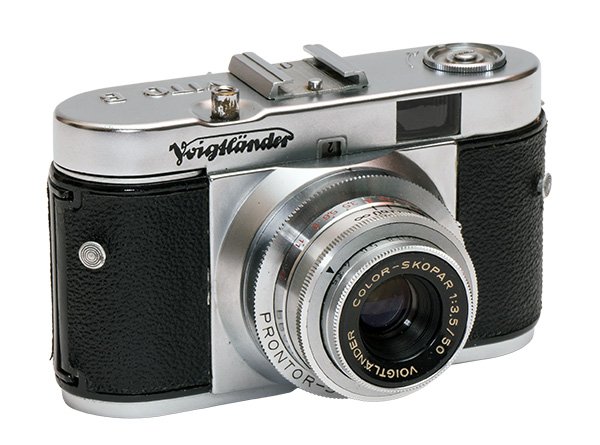
A compact 35mm, very well made and all manual. A camera that was popular and usually came with excellent optics, the Color-Skopar 50mm
The simplest and most direct role of photography is to record the photographer’s own day-to-day life. Unpretentious but very attentive, Décio Badari shows affection for his subjects by making full use of photography’s plastic resources to create images that tell stories and evoke memories. This is photography at its best.
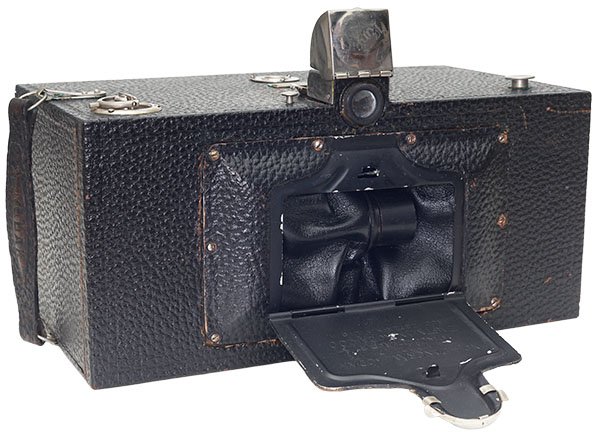
9x30cm negatives on roll film covering an angle of 142º. The rotating lens system allows for very convincing panoramic shots, even with a simple lens, just a meniscus.
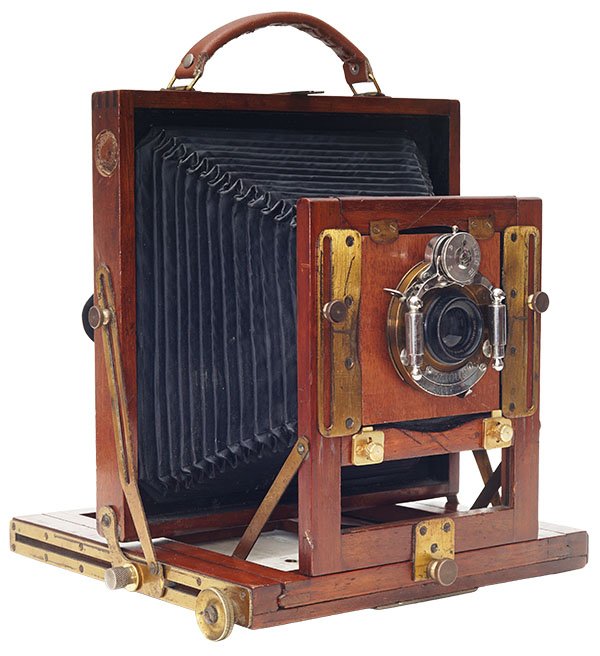
At the time, it was a camera for beginners. Today it’s an extremely light and versatile camera with very generous movements. Originally for 3¼ x 4¼” plates, but this copy has been adapted to 4×5″.
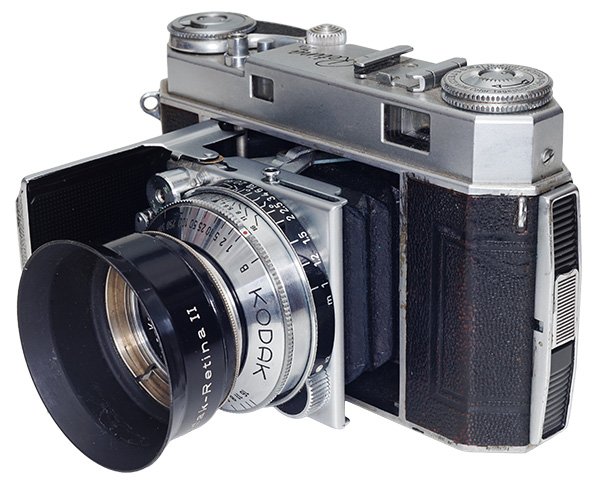
Totally different from the Retinas of 1934, the IIa is a much more sophisticated camera with a rangefinder in the viewfinder and coupled to the focus. But still with the leaf-shutter concept in the lens body.
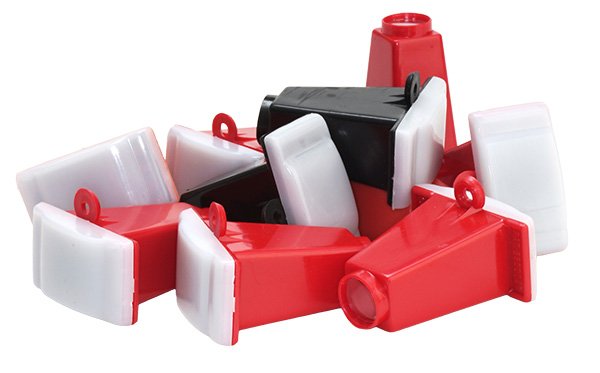
Very fashionable in the 60s and 70s, these small monoculars offered a huge view of the small slides produced, mainly by the Olympus Pen
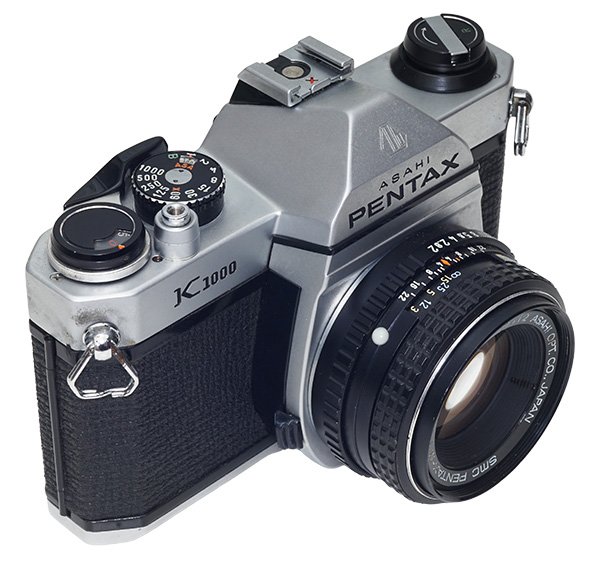
Similar to the Spotmatic of 1964 but with a bayonet mount, the K standard. Being fully manual, very robust and affordable, this camera became something of a student photographer’s camera and remained in production until 1997.