Triplet Achromatic | Dallmeyer
An English novelty, a lens that was practically distortion-free by the standards of the time. It was used to copy Raphael’s drawings.
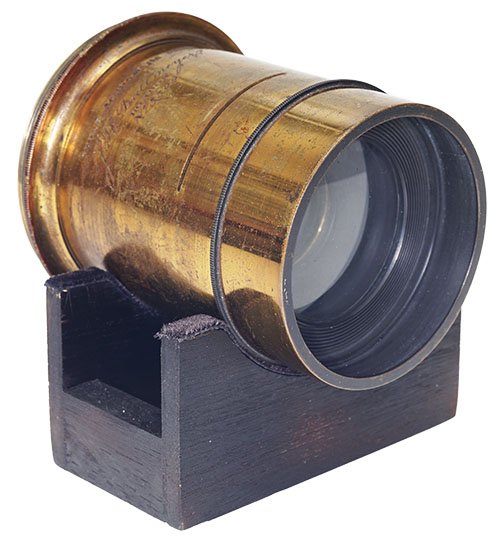
An English novelty, a lens that was practically distortion-free by the standards of the time. It was used to copy Raphael’s drawings.
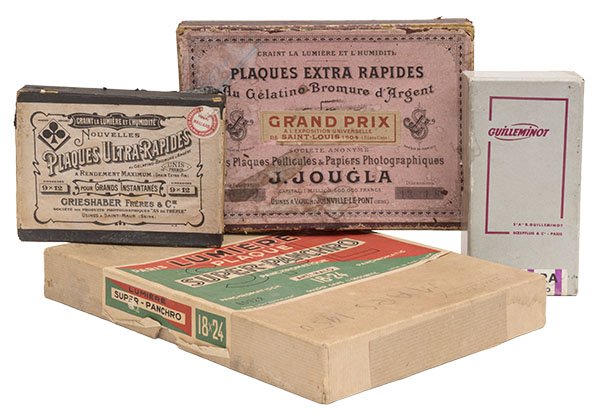
Development of the first photographic emulsions using gelatine as a suspension medium. This paved the way for industrial production to replace the handmade production of photographic media.
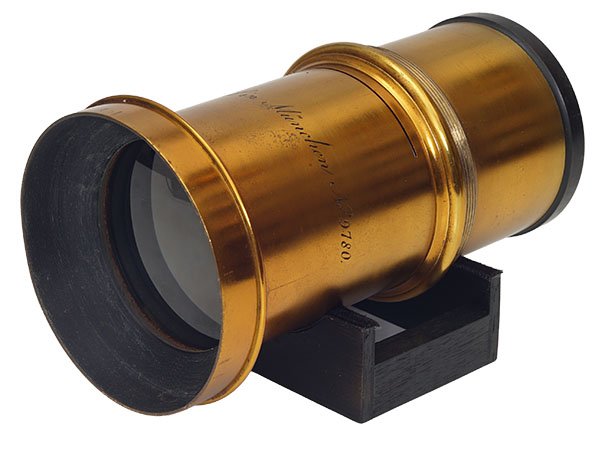
In Munich, at the same time as Dallmeyer launched the Rapid Rectilinear in London, Steinheil launched the Aplanat, with exactly the same concept of two symmetrical doublets.

A quick survey of the range of cameras on offer in the 1920s. The types and characteristics are analyzed to compose the scenario that preceded the introduction of the Leica in 1925.

This post describes the main points and considerations that were on the table at the time of the decision to launch or not launch the small camera that Oskar Barnack had developed with the support of the firm where he worked, Ernst Leitz.
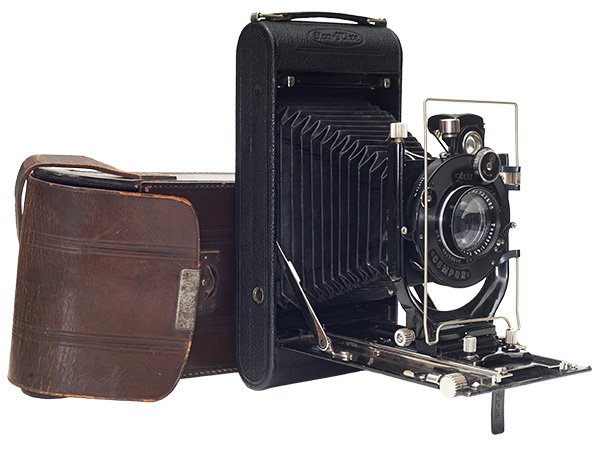
Uma câmera hibrida, no sentido de que podia usar filme em rolo, no caso o 122, mas vinha também com vidro despolido e chassis para placas de vidro no formato 9x14cm
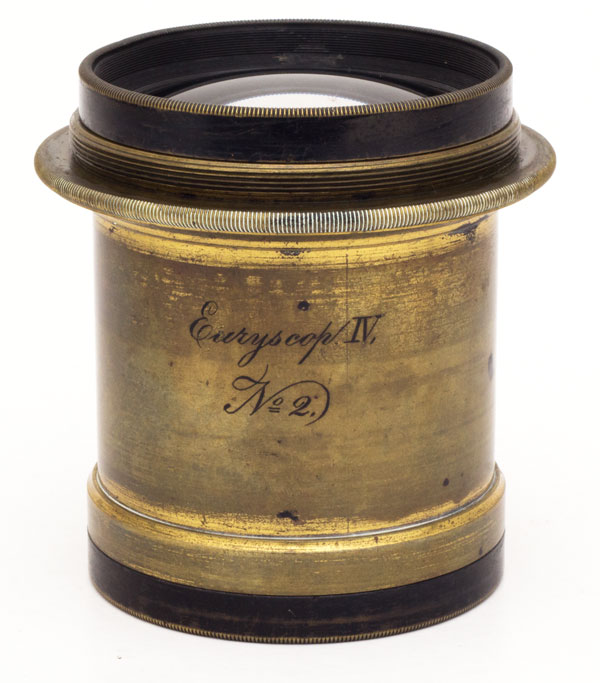
Launched in 1878, this lens was such a success that it practically saved one of Germany’s most traditional photographic lens manufacturers from being swallowed up by the competition. It took a new generation at the helm of the company to create a new generation prestige optics.
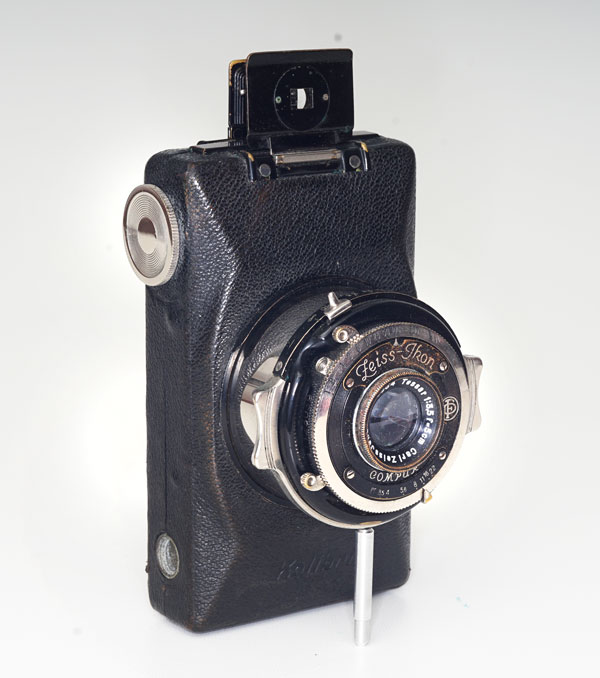
This is a small Zeiss Ikon camera for 127 film. Intended for the amateur market and in times of hardship, it was manufactured from 1931 to 1934. It has the basic controls of speed, aperture and focus by estimation. Its highlight is the very elegant design and exquisite finish. A good companion.
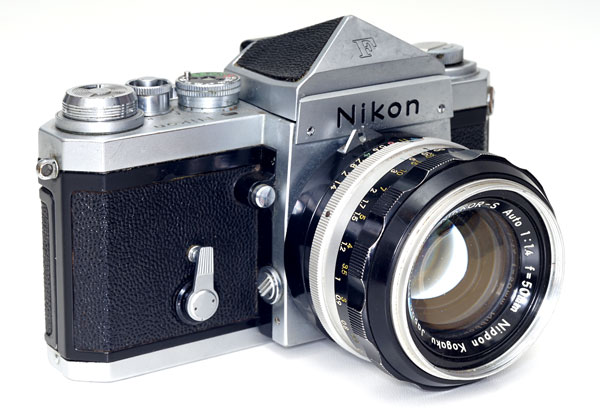
The Nikon F was the right camera at the right time. It went from Japan to the world. A combination of specifications, functionality and aesthetics that made it a symbol of a time of great transformation such as the 1960s.
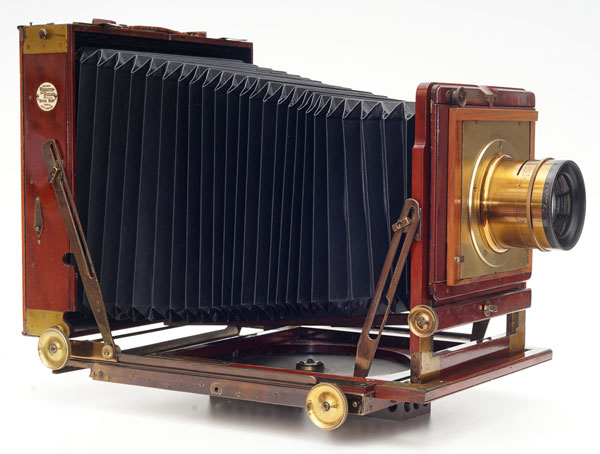
Early 20th century English camera, highly sophisticated and well finished field camera. Extendable bellows up to 70 cm, 18×24 cm format, very easy to assemble and it fits folded into a leather case.
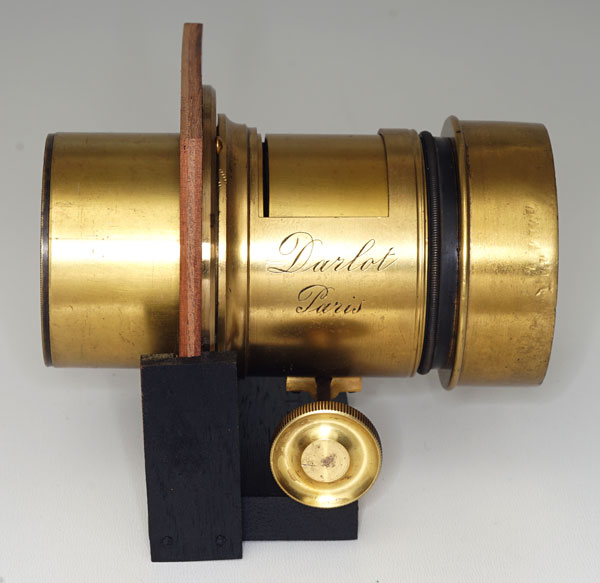
Petzval-type lens, but from the end of the 19th century. Manufactured by Darlot, a French company, and distributed in the United States by Benjamin French & Co. of Boston. A good example of the longevity of the Petzval concept spanning decades and decades in photography.
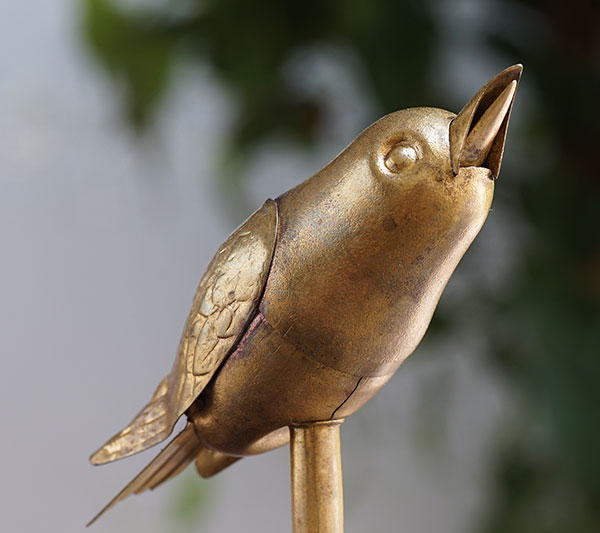
“watch the birdie” was not just a figurative way to catch sitters’ attention in photographers’ studios. There was a brass made, ingeniously made, little bird capable to sing and provide the brief, but precious, frozen moment that the photographer needed to get his job done.