Leica IIIf | Ernst Leitz
The same as the IIIc but now incorporating flash synchronization. 184,000 Leicas IIIf were produced between 1950 and 1957
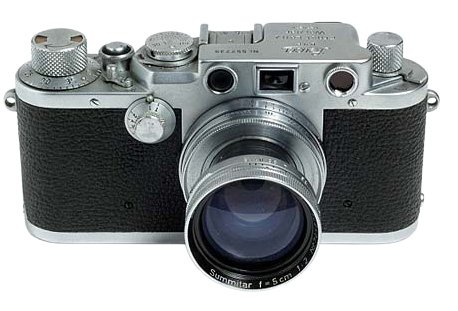
The same as the IIIc but now incorporating flash synchronization. 184,000 Leicas IIIf were produced between 1950 and 1957
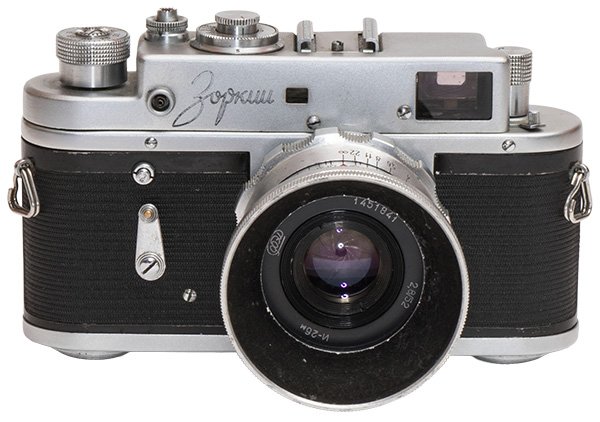
The first Zorki was a direct copy of the Leica II. Keeping the basic concept, several modifications were made that allowed many photographers, at a fraction of the price of the Leica, to try out a 35mm rangefinder and standard lens mount on the M42.
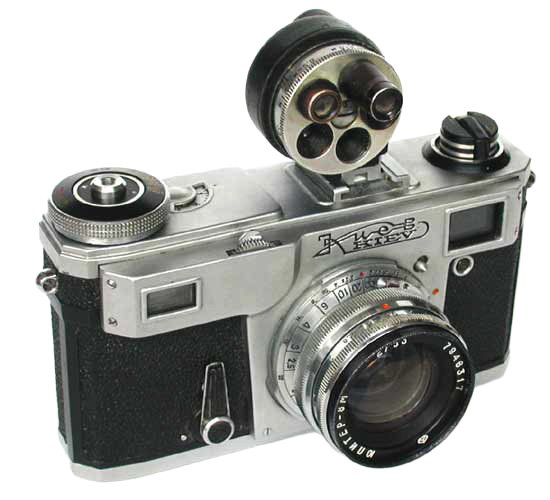
A series of cameras, copies of the Contax, built with machinery, drawings and even parts taken from Dresden to Kiev. It remained in production for decades without any major changes
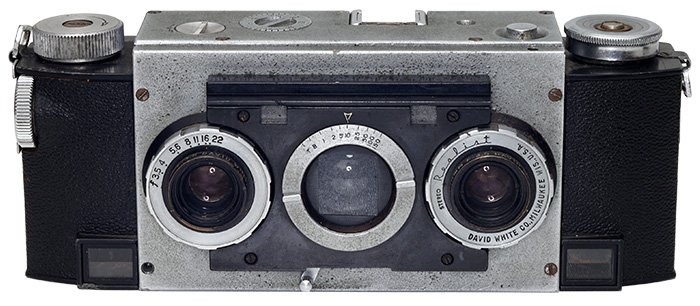
After a decline in interest in 3-D photos, which had been so popular until the beginning of the 20th century. This camera made a glorious comeback. Taking advantage of the introduction of color positive film, the Stereo Realist made stereo photography shine again.
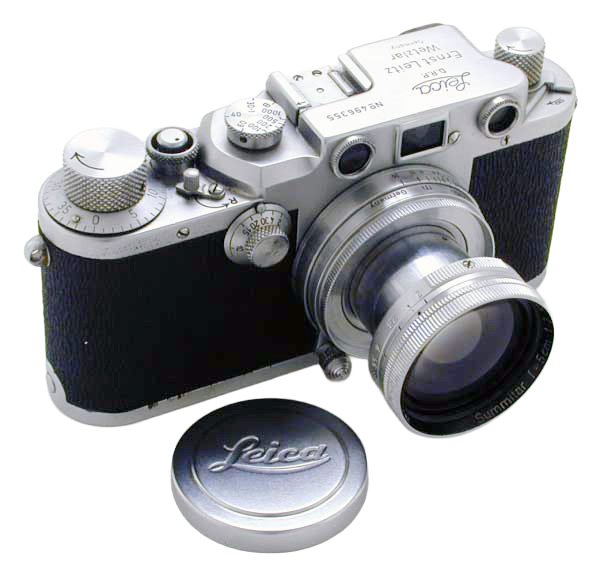
First Leica with low speeds, from 1 to 1/30s. Another great convenience was the incorporation of a diopter corrector in the rangefinder window.
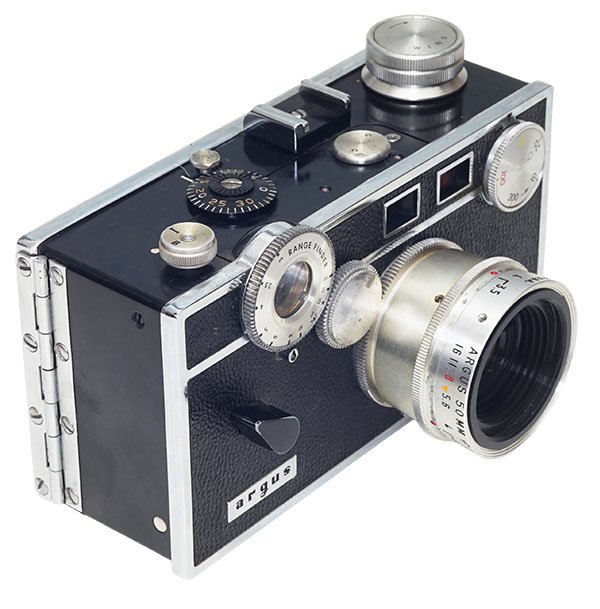
Known as The Brick, manufactured in the United States where it sold many thousands. Solid, durable and very ugly.

The Retina series evolved and continued for many years, gaining accessories, until it reached a Retina Reflex in the 1950s.
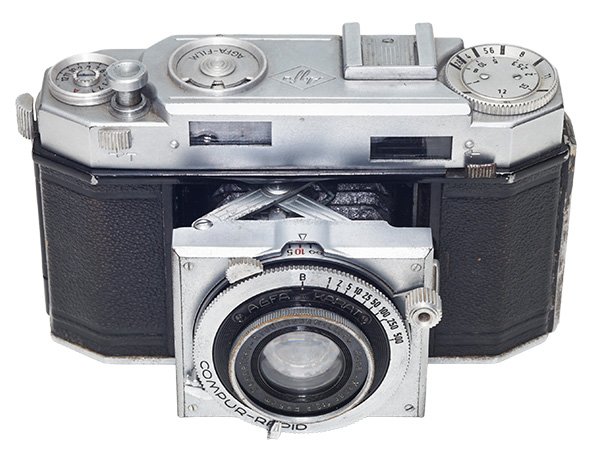
A unique design, it launched the Rapid system, with 35mm film, which uses two reels and allows partially exposed film to be removed.
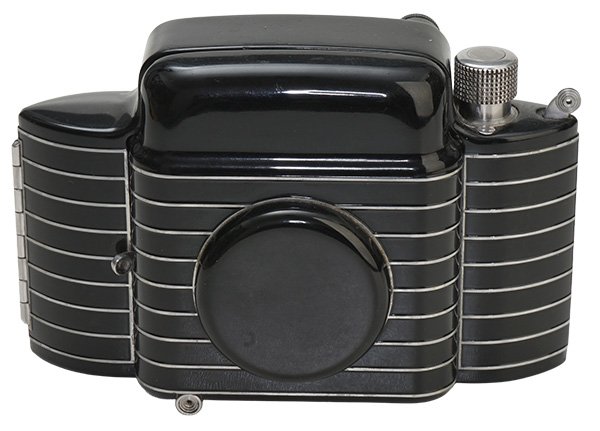
Considered by many to be the most beautiful camera ever produced. True or not, there is a copy of it in the Metropolitan Museum of Art.
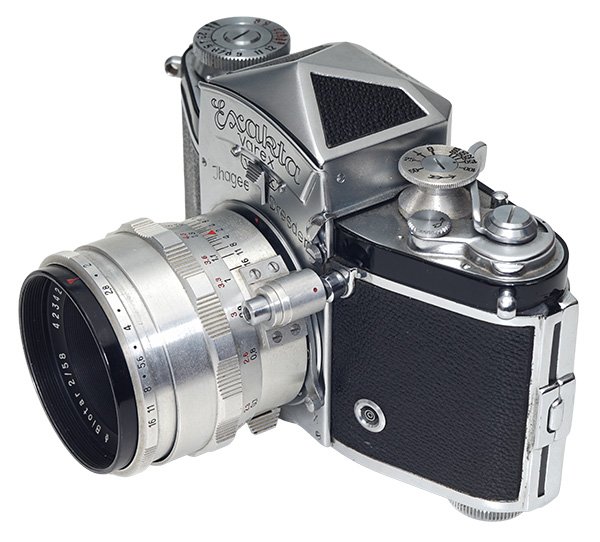
The first 35mm monoreflex to make history. It has an extensive line of optics produced by many different manufacturers. This copy of the collection is much more recent, from 1951. The general appearance is the same but it has several improvements.
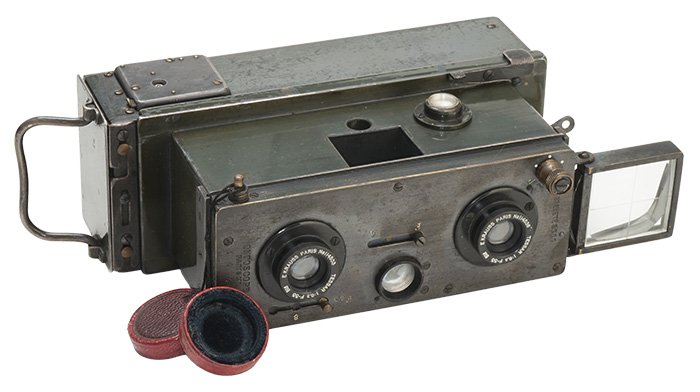
All-metal for stereo photos in 45×107 format on glass plates. With a magazine that allows you to load 12 plates. Aperture and speed adjustment but with fixed focus.

It’s a good camera, even better than its contemporary the Rolleiflex. But the synonym and future of this category, of TLRs, would be the Rolleiflex.