Heliography | Nicephore Niépce
The author of what is considered the first photograph in history, Point de vue du Gras. He used a method he called Heliography, but, curiously, no second photograph was ever taken using the same method.
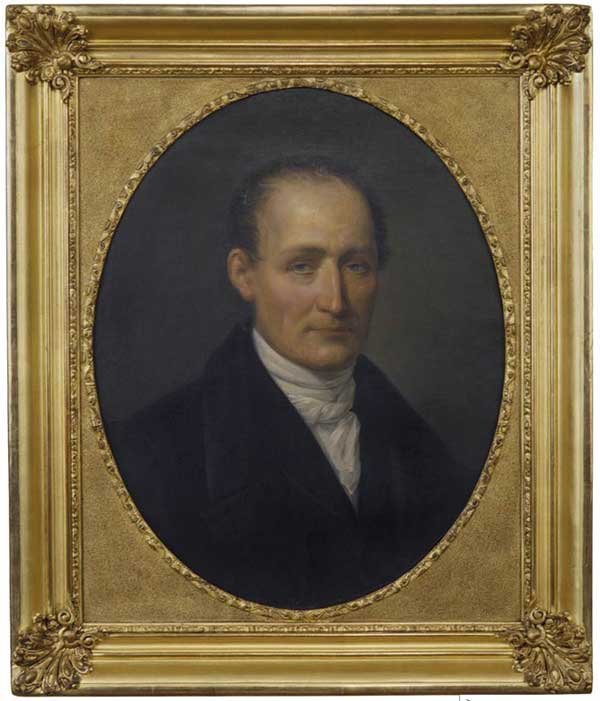
The author of what is considered the first photograph in history, Point de vue du Gras. He used a method he called Heliography, but, curiously, no second photograph was ever taken using the same method.
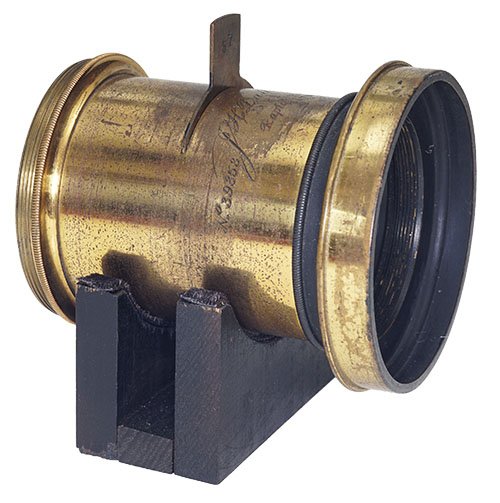
Revolution in photographic optics. The first general-purpose lens to break the polarization between portrait and landscape. A reasonable aperture at f/8 and an equally reasonable angle of view of around 60º.

The photographic process responsible for the dizzying expansion of photography from the 1850s onwards.
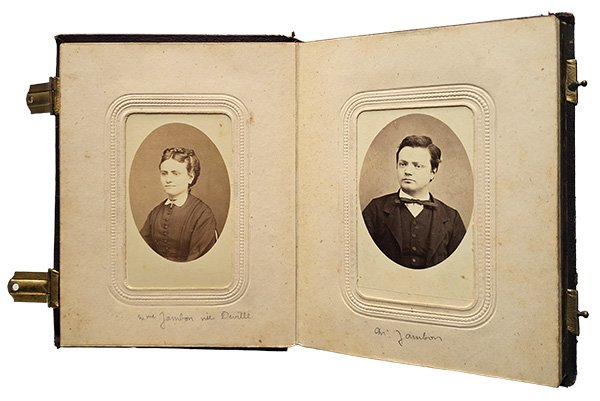
The printing process using albumen as a base for the silver salts was fundamental and practically defined what photography would physically be
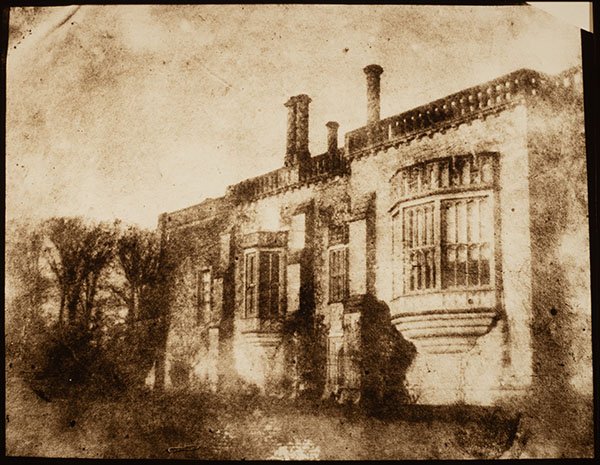
The calotype process of 1841 also includes salted paper. But as Talbot already knew how to print the positive using the salted paper process before then, and as this process was also widely used with negatives from other processes, here is a separate description.

Until the 1890s, all prints from negatives were made by contact. The photograph was the same size as the negative and there was no enlargement.
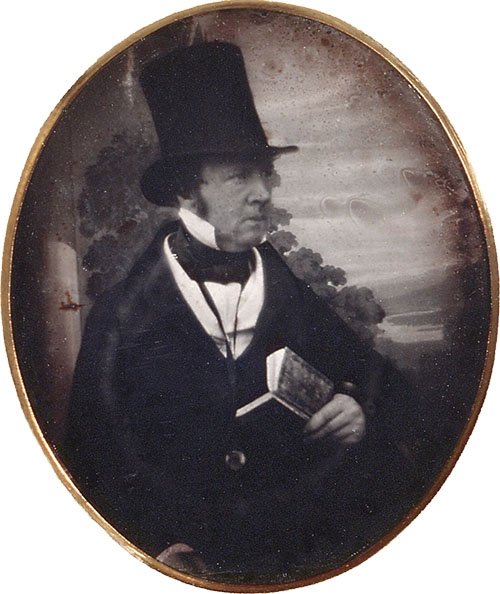
In 1841 the paper process, which Talbot had been developing since the 1930s, reached the same level of sensitivity as the Daguerreotype and began to attract attention.
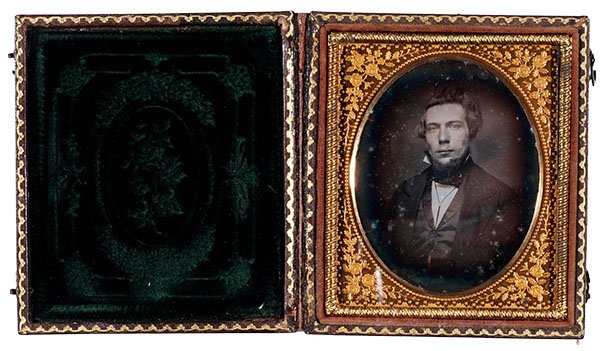
Invented by Louis Daguerre, the photographic process called daguerreotype was bought by the French government and given to the world in 1839. It was the first photographic process to achieve success, enormous success.
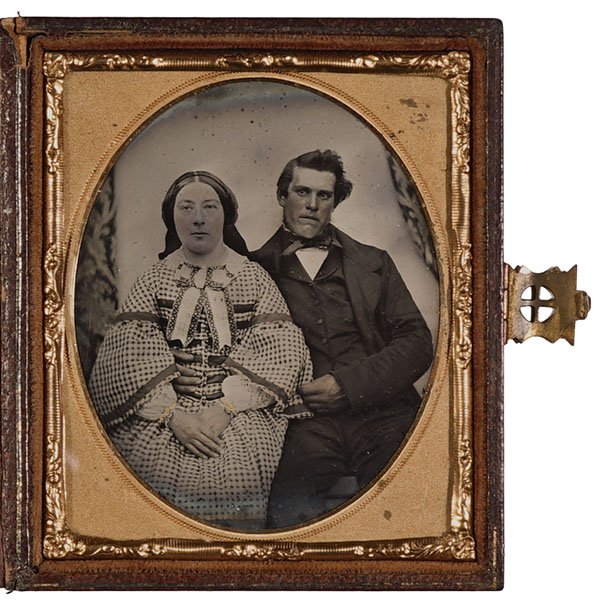
Direct positive process using collodion on glass to which a black background is applied.
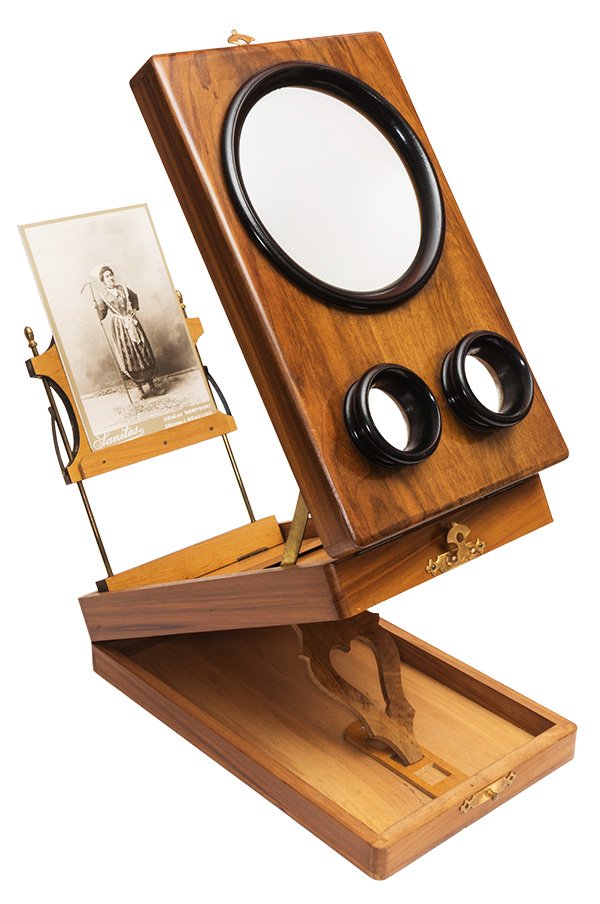
Accessory for viewing Cartes de Visite, stereoscopes and also the Carte Cabinet format. The large magnifying lens fills the field of vision and produces a much more immersive experience than viewing with the naked eye.
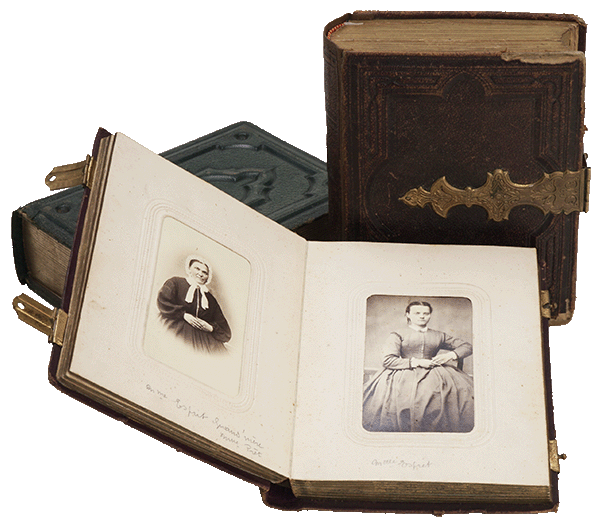
A fever started for these small photos measuring approximately 6x10cm. Disdéri created the production and mounting process. Thousands of photographic studios around the world followed the pattern that became an icon of an entire era.
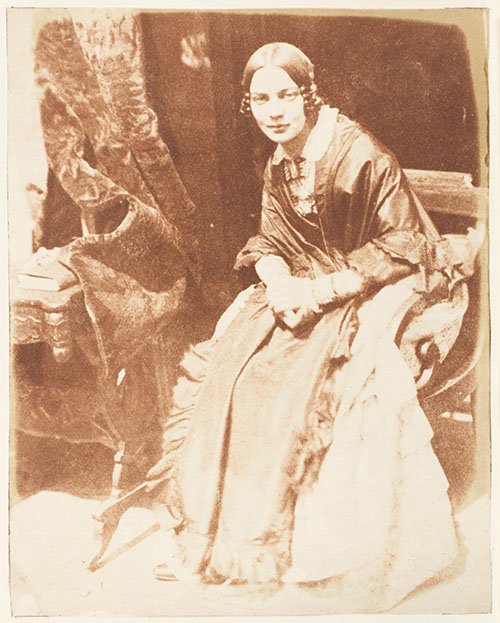
This seminal article looks at the early history of photography, followed by a discussion of its possible relationship with art.