Gruppen Antiplanet | Steinheil
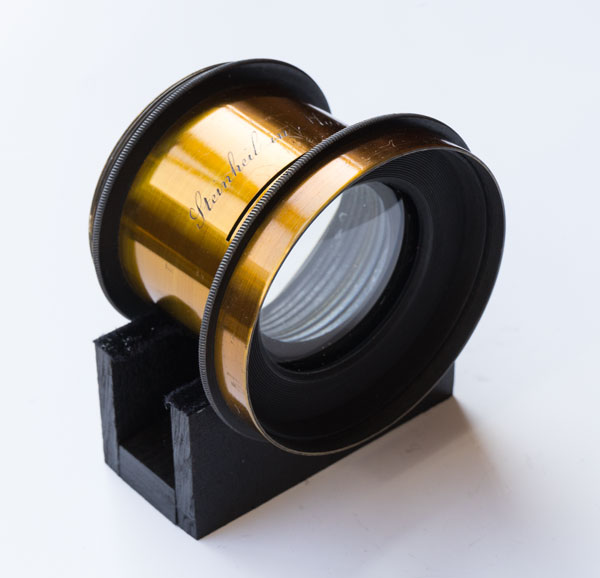
This lens, designed in 1881, was one of the pinnacles in the development of photographic optics before the introduction of barium crown glass, which made anastigmatic lenses possible.
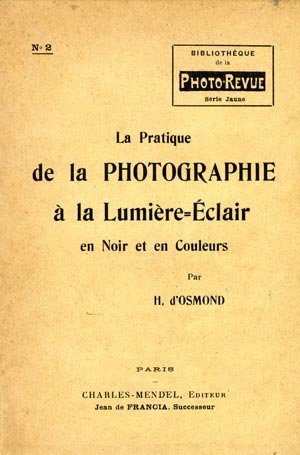
Invented independently by the Germans Miethe and Gaedicke, the flash using magnesium powder combined with a powerful oxidizer was an immediate success in artificial lighting in photography. Its use lasted until the 1920s and 30s.
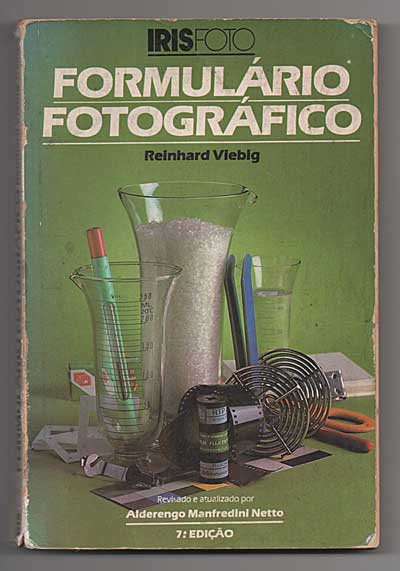
Formulário Fotográfico | Reinhard Viebig A very old book, but still a practical companion for the laboratory. I think it makes sense now more than ever, because these days it’s very expensive to buy developers, fixers and other formulas used in black and white darkroom. While ready-made formulas from traditional manufacturers Kodak, Ilford, Agfa, Tetenal,…
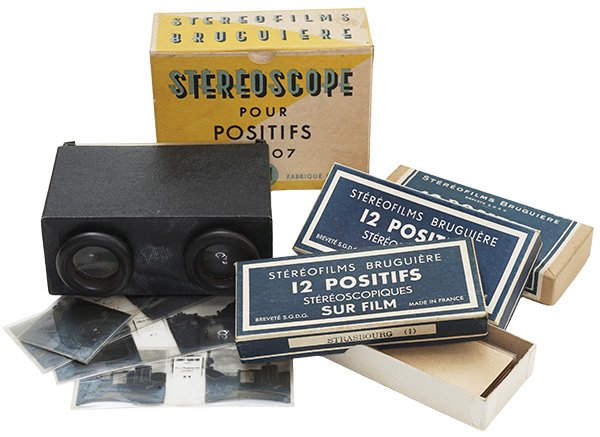
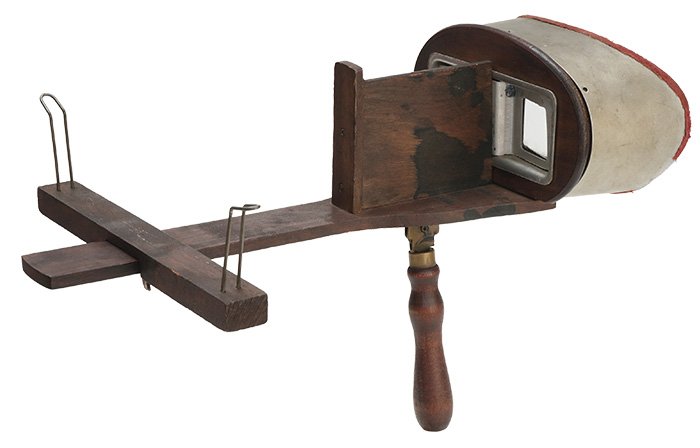
Since the beginning of photography, the possibility of seeing far beyond our surroundings has been one of its great attractions. The little boxes with stereoscopic views provided an extra layer of realism for these armchair journeys.
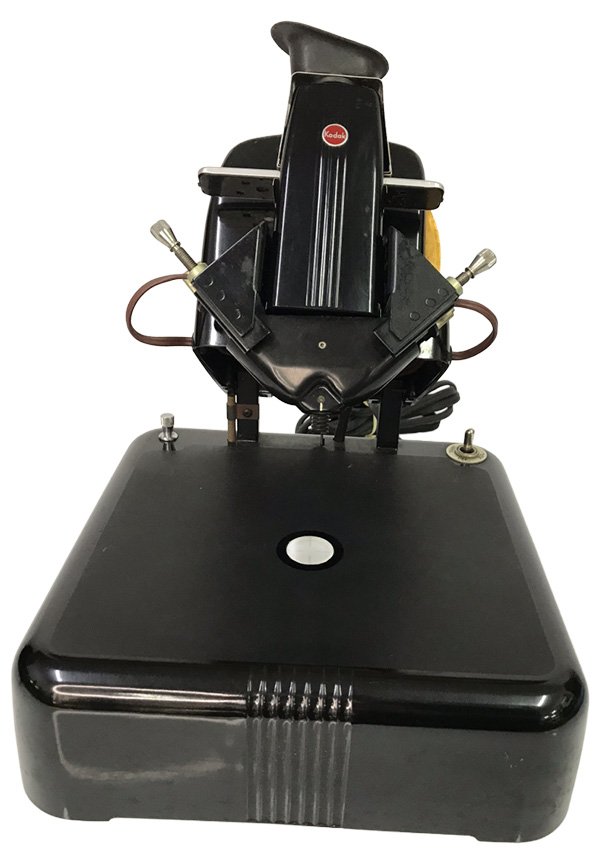
An instrument for measuring density point by point, by transmission or reflection. It is used, for example, to assess the tonal range of a negative and prepare for enlargement. Used in both black and white and color.
Plastic cameras, “dressed” in a paper cover, already loaded with film, equipped with a flash and for one-off use.
The American company, one of the largest in the 3D equipment sector, has produced this classic, simple and always surprising stereocard display for almost 50 years.
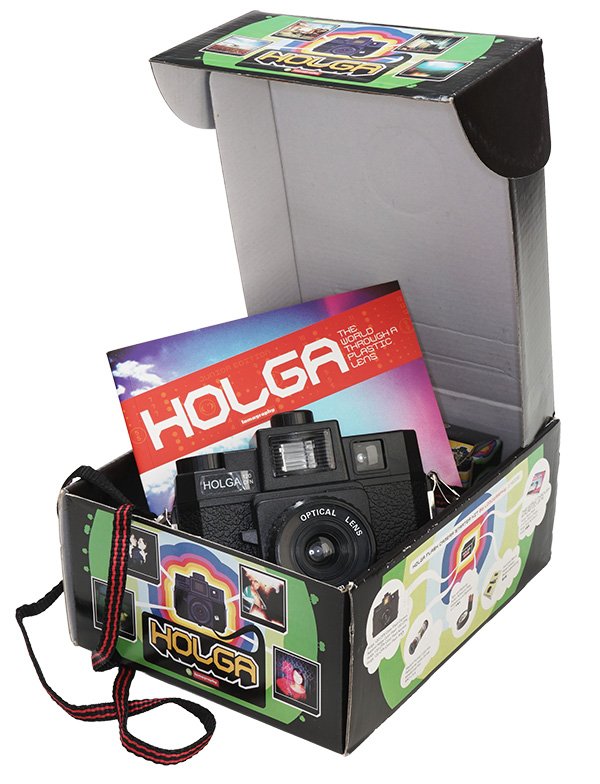
All made of plastic, including the lens, it was a cheap camera aimed at the mass market of Chinese workers, but ended up becoming fashionable among Western hipsters.
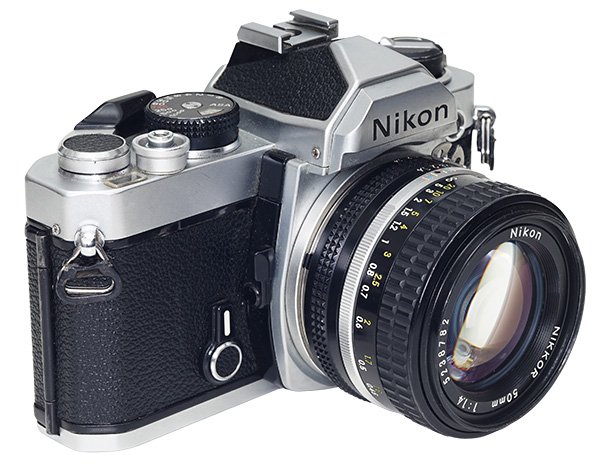
Losing sales to cameras with similar specifications but smaller and simpler construction, Nikon reacted by launching its FM. Fully mechanical, without the modularity of the F2, but at a more affordable price. A typical example of less is more, because it’s an excellent camera.
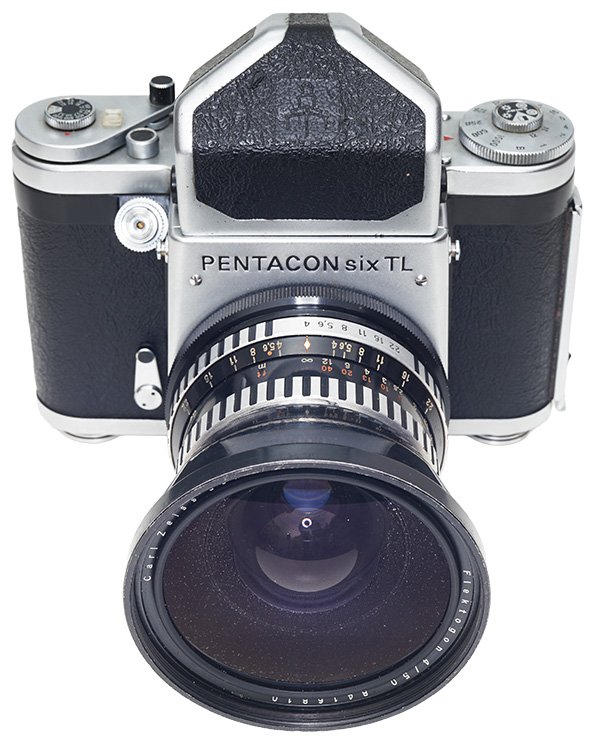
Far from the original Rolleiflexes or Hasselblads, the 1960s saw the consolidation of a category of medium format cameras that looked like enlarged 35mm cameras, offering 6×6 or larger negatives on 120 film.
This camera marked the beginning of the consolidation of Canon’s reputation in the competitive SLR market.
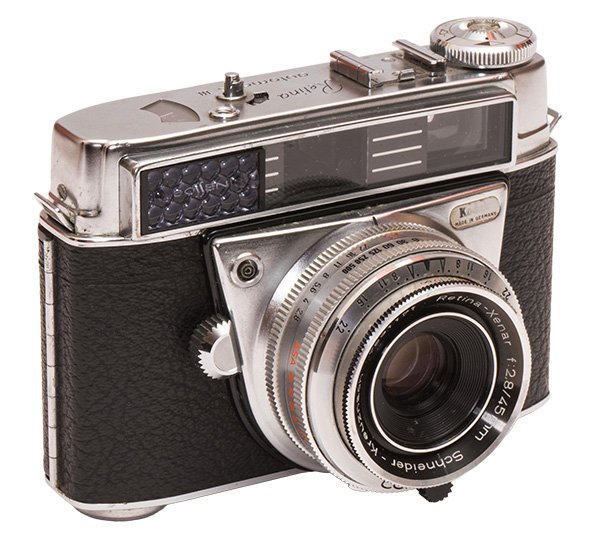
A very popular rangefinder with an attached rangefinder and parallax correction directly in the viewfinder. The lens is not interchangeable but it is an excellent 50mm f/1.7.