Focomat 1c | Ernst Leitz
In launching the revolutionary Leica A, Leitz also had to offer everything photographers would need to handle, process and enlarge the small 24×36 mm negatives that the camera made from film.
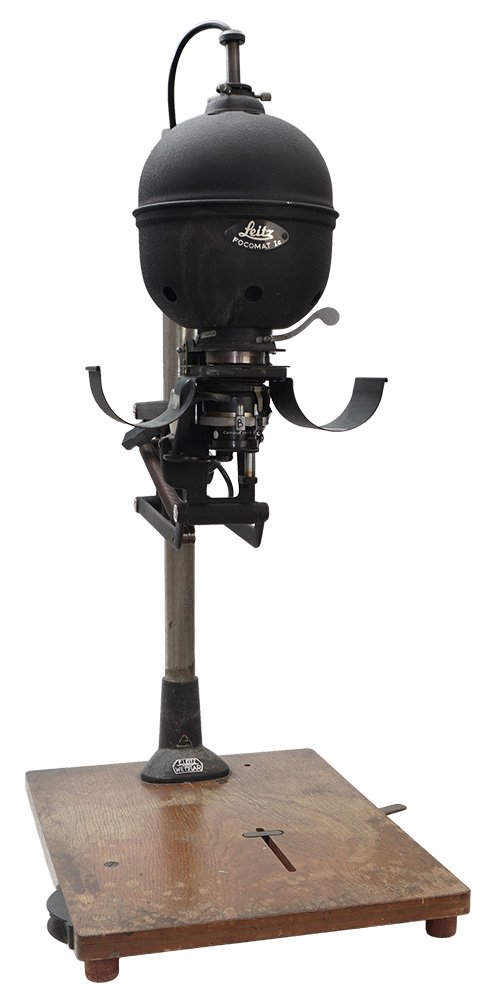
In launching the revolutionary Leica A, Leitz also had to offer everything photographers would need to handle, process and enlarge the small 24×36 mm negatives that the camera made from film.

Paul Rudolph, the genius of Carl Zeiss, was in retirement, but had to return to work after the war. He created the Plasmats for Hugo Meyer, a concept that would later be continued by many other designers on many famous lenses.
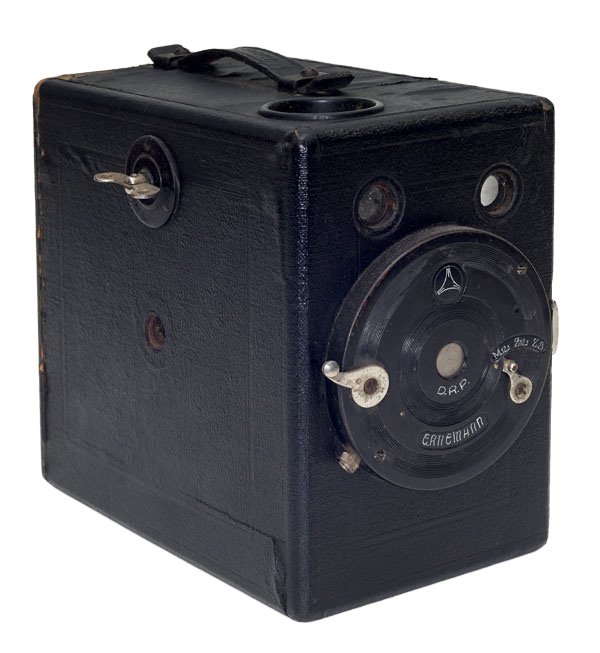
Wood and leather camera box. Lens is a simple meniscus with f/12 aperture. In 6×6 and 6×9 formats for 120 film.
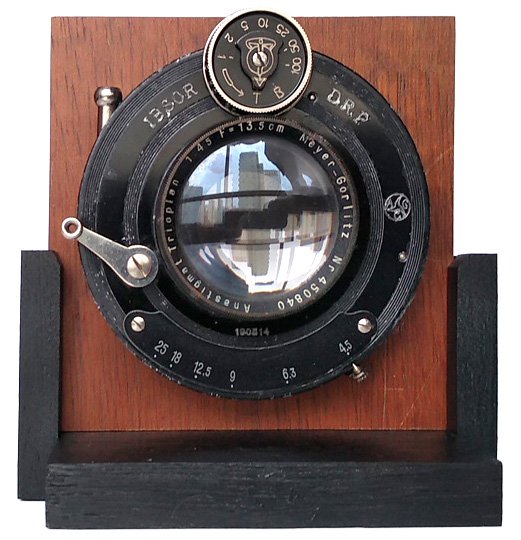
Derived from the Cooke Triplet, this lens was launched as a more affordable option because of its simple construction and therefore lower cost, but today it has become a cult with a huge price upgrade due to its bokeh, which is considered to be wonderful.
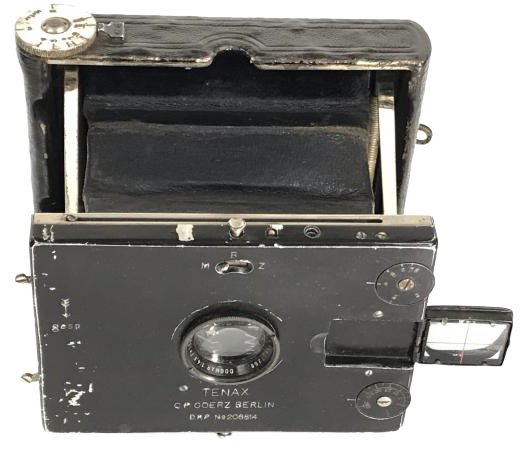
Camera for snapshots on glass plates in 6.5 x 9 cm format. Focus adjustment and shutter Compound hidden in the front panel gives good aperture and speed options.
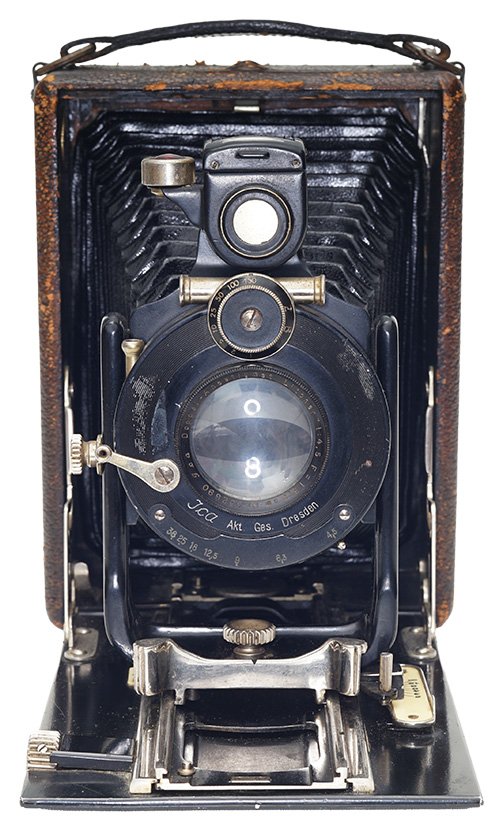
Lightweight, well-built camera in 9×12 cm format with double bellows extension for close-up shots
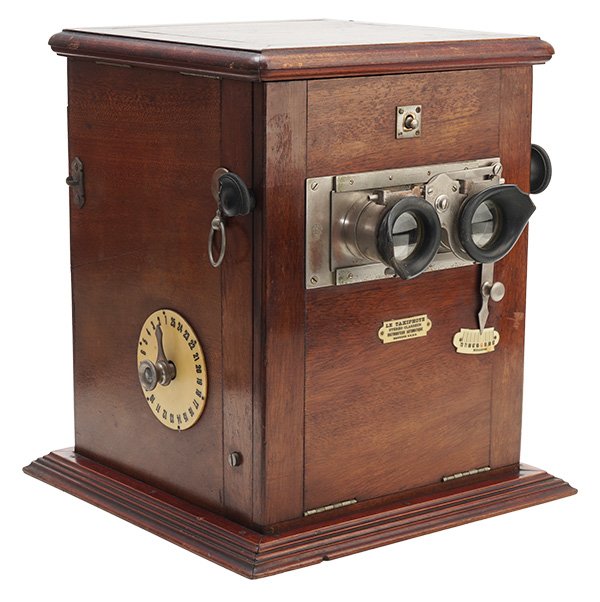
A complicated but very robust mechanism can pass up to 25 views in 3 dimensions in the 45×107 mm format. The effect is astonishing.
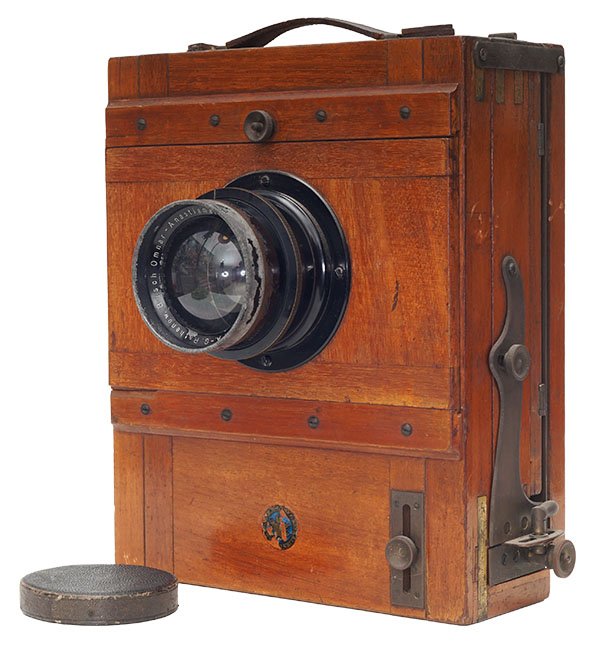
It was not possible to identify the manufacturer of this camera. Apart from the format, it’s a model with very common specifications for that era
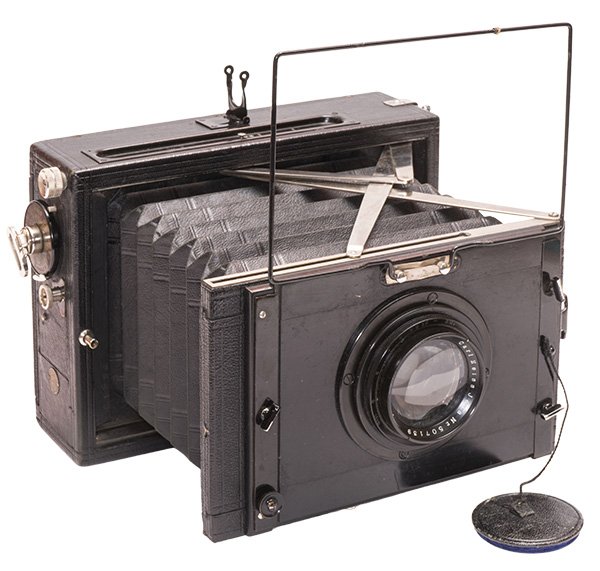
Camera for action scenes. It has a two-curtain focal plane shutter and speeds of up to 1/1200 s for the 13x18cm format.
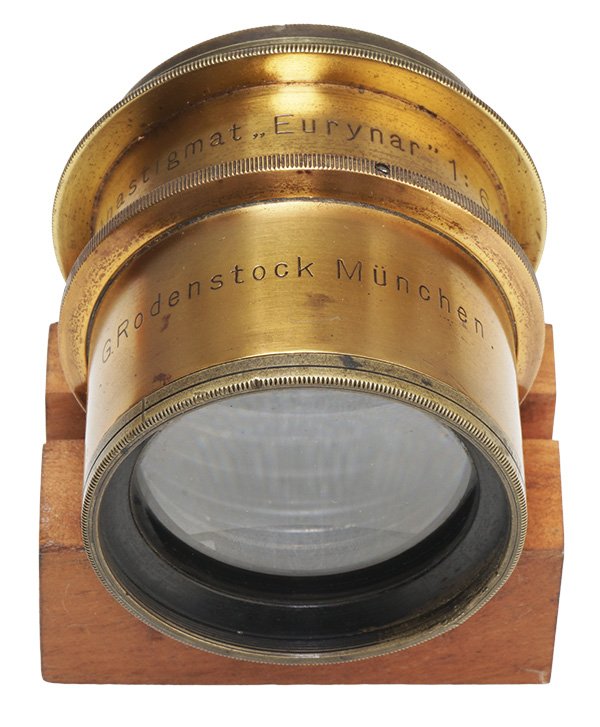
A Rodenstock bestseller. In 5 years it has sold 50,000 units. It’s a general-purpose anastigmatic with 4 elements in two groups.
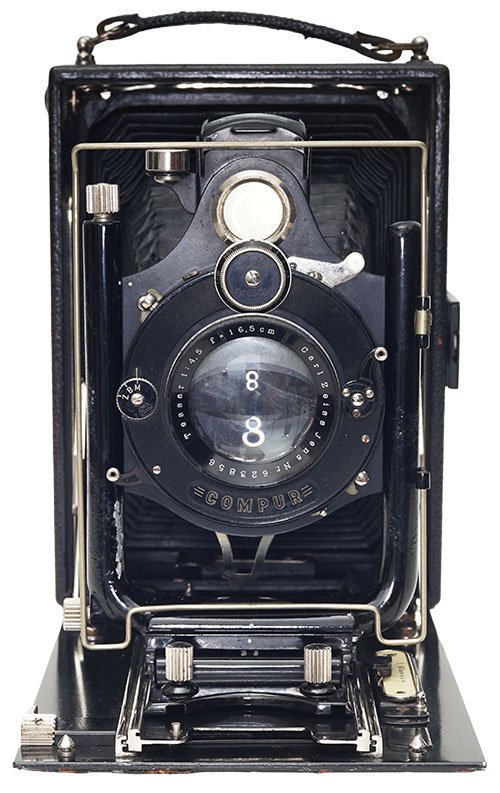
Very sophisticated and well-built camera. Allows lens changes and various movements. It uses its own chassis in 10x15cm format for making Cabinet Cards by contact printing.
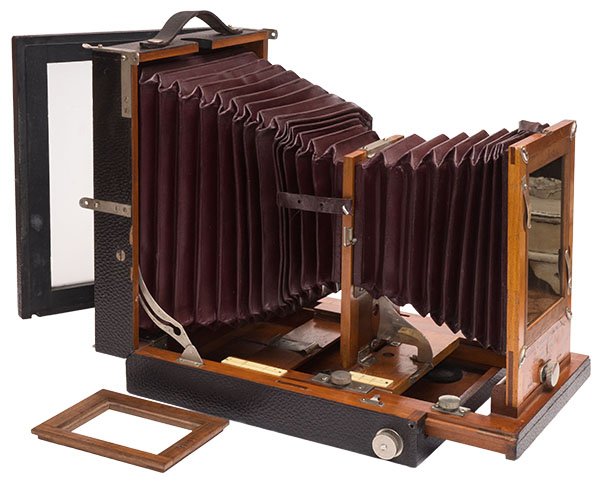
It’s worth remembering that photography existed long before and in many places where there was no electricity. This enlarger uses daylight to print 9×12 and 6.5×9 cm negatives.