Triplet Achromatic | Dallmeyer
An English novelty, a lens that was practically distortion-free by the standards of the time. It was used to copy Raphael’s drawings.
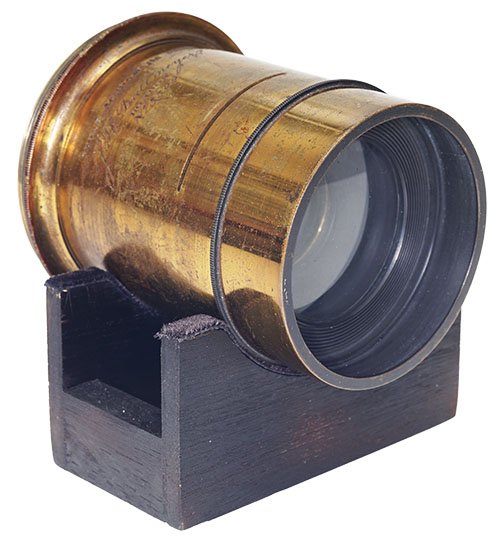
An English novelty, a lens that was practically distortion-free by the standards of the time. It was used to copy Raphael’s drawings.
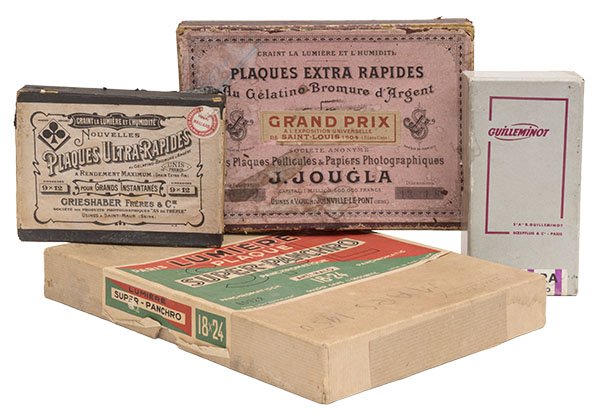
Development of the first photographic emulsions using gelatine as a suspension medium. This paved the way for industrial production to replace the handmade production of photographic media.
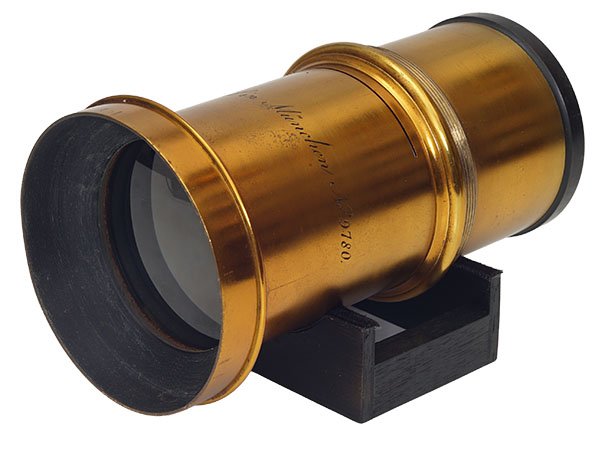
In Munich, at the same time as Dallmeyer launched the Rapid Rectilinear in London, Steinheil launched the Aplanat, with exactly the same concept of two symmetrical doublets.
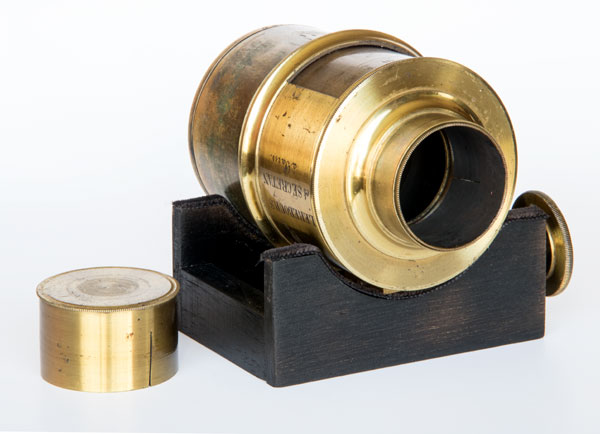
Article with a brief history of the Lerebours et Secrétan house as an example of the transformations brought about by the bourgeois and scientific revolution in new forms of social ascension.
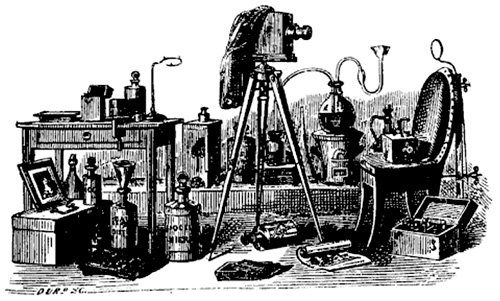
History of the development of the Daguerreotype from the Niépce/Daguerre collaboration to the French government’s purchase of the invention and its donation to the whole world.
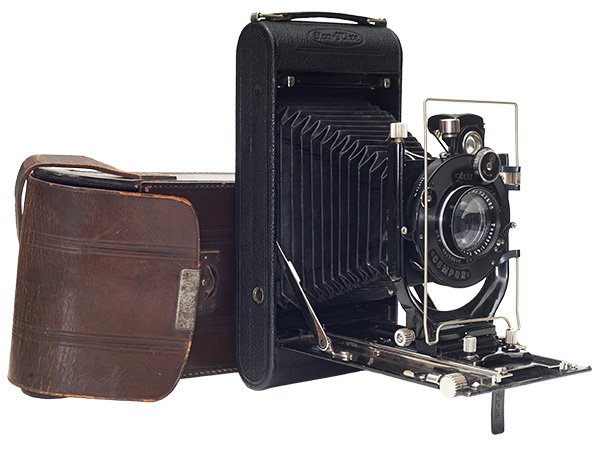
Uma câmera hibrida, no sentido de que podia usar filme em rolo, no caso o 122, mas vinha também com vidro despolido e chassis para placas de vidro no formato 9x14cm
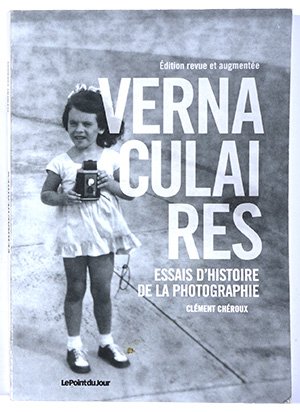
The book discusses vernacular photography as photography that was not intended as a work of art. It includes amateur photography by ordinary people, but also professional photography with a utilitarian purpose.
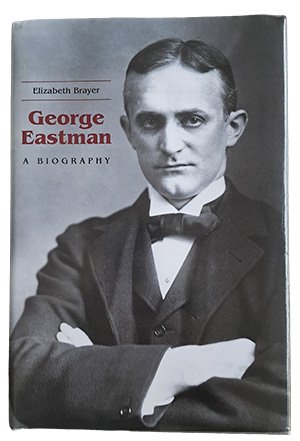
Regarded as the best and most comprehensive biography of George Eastman. I bought this book to better understand the thinking of this man, who played such an important role in the great transformation that essentially created amateur photography as we know it today.
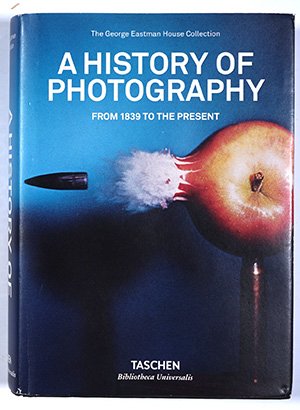
It’s a good reference book to have and flick through, but don’t expect any new points of view or depth on any topic, as the scope is from 1939 to the 1990s. Although small in size, with 760 pages, it is very well printed and very rich in the images chosen to illustrate it.
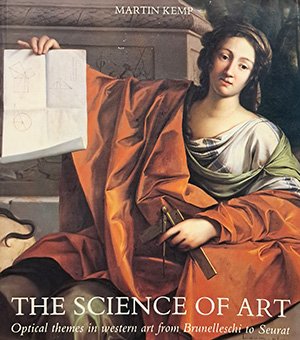
An excellent inventory of the techniques and tools used to understand and produce naturalistic images. It starts with linear perspective and goes up to the invention of photography and also a discussion of color.
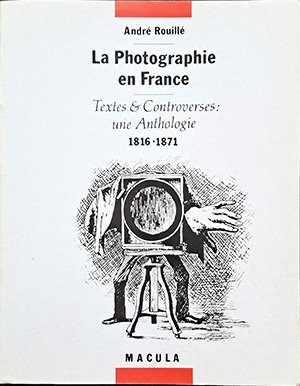
An invaluable resource for anyone interested in researching the early decades of photography in France. The book is a collection of period publications featuring the leading figures and articles from the bulletins of the French Photographic Society and the numerous periodicals and books of the time.
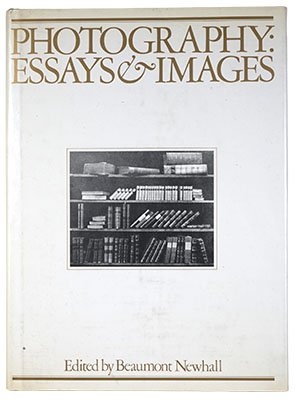
A book with a collection of founding texts from the history of photography. It seems that everything that was important is inside.