Photography essays and images | Beaumont Newhall
A book with a collection of founding texts from the history of photography. It seems that everything that was important is inside.
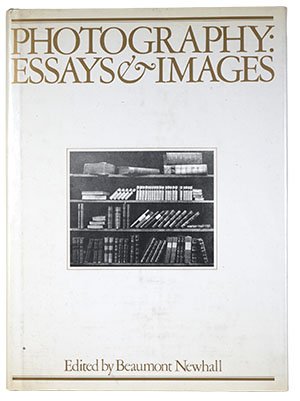
A book with a collection of founding texts from the history of photography. It seems that everything that was important is inside.
This is a book that covers both the historical and practical aspects for anyone who wants to try printing using one of these two processes, albumen or salted paper. It is very detailed and well written.

A book rich in information about lives and periods in the history of photography. The analysis is poor and dated. It assumes that all human motivations, including their relationship with photography, are economic and aimed at social ascension.
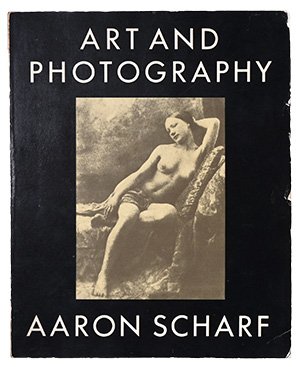
How photography and painting divided the universe of images is the subject of this book. It’s common to find references to inflammatory positions that saw photography as a great threat to the arts. But this book shows us another side: how many renowned artists, with greater or lesser awareness, have used photography, or a photographic gaze, in their productions.
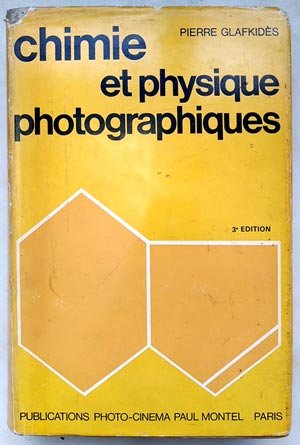
This book is likely to become the holy grail for anyone who wants to delve deeper into the physical and chemical processes of analog photography. It’s unlikely that anything like this will be written in the future.

This is a classic. Published in 1965, 1971, and 1986—I’m not sure if there were any other editions. It takes two approaches—one technical and the other artistic—and uses them to trace the history of the medium from its invention through the postwar period.

The book is the catalog of what was probably the most influential photography exhibition in history. The Family of Man represents the pinnacle of humanist photography.

A compendium of portraits taken in the 1940s in the United States with all the details of light, camera, lens and even film used.
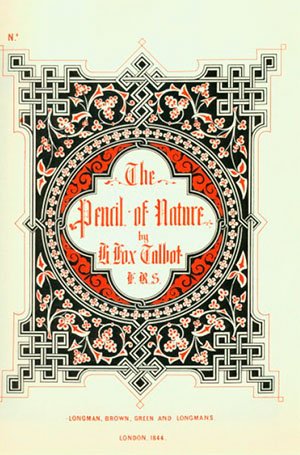
A milestone in the history of photography, this book published in 1844 shows 24 calotypes accompanied by comments from their inventor Fox Talbot.