Calotype | Henri Fox Talbot
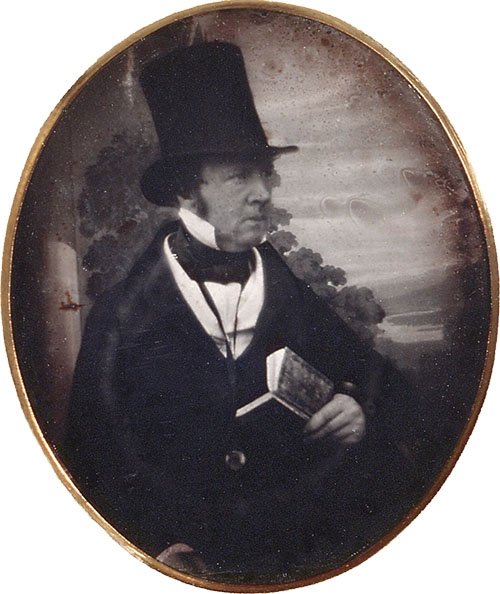
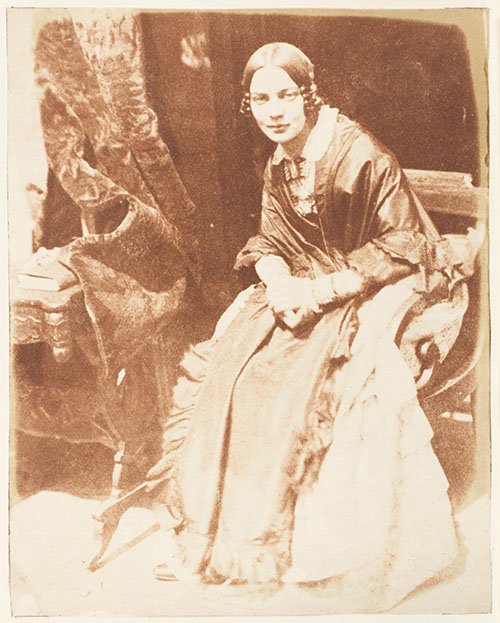
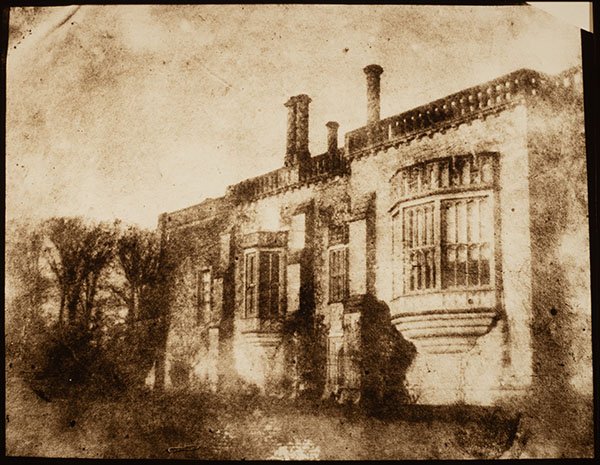
In 1841 the paper process, which Talbot had been developing since the 1930s, reached the same level of sensitivity as the Daguerreotype and began to attract attention.
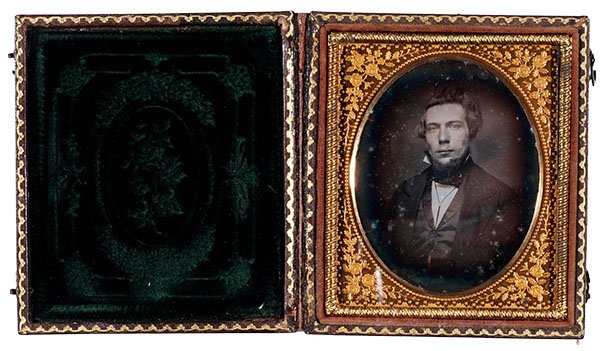
Invented by Louis Daguerre, the photographic process called daguerreotype was bought by the French government and given to the world in 1839. It was the first photographic process to achieve success, enormous success.
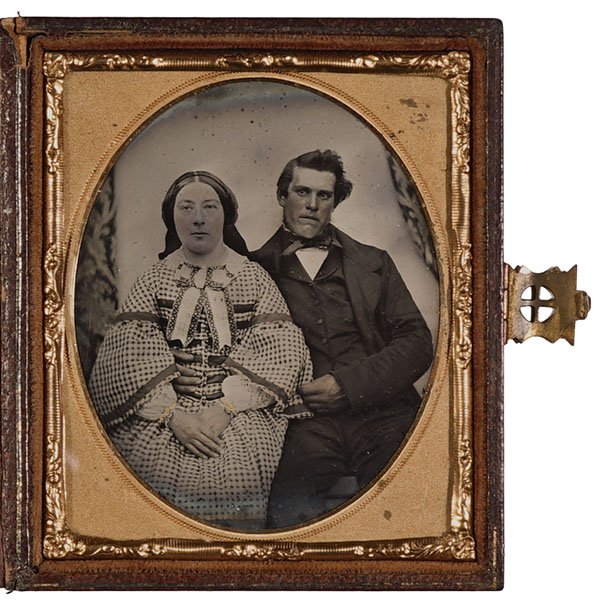
Direct positive process using collodion on glass to which a black background is applied.
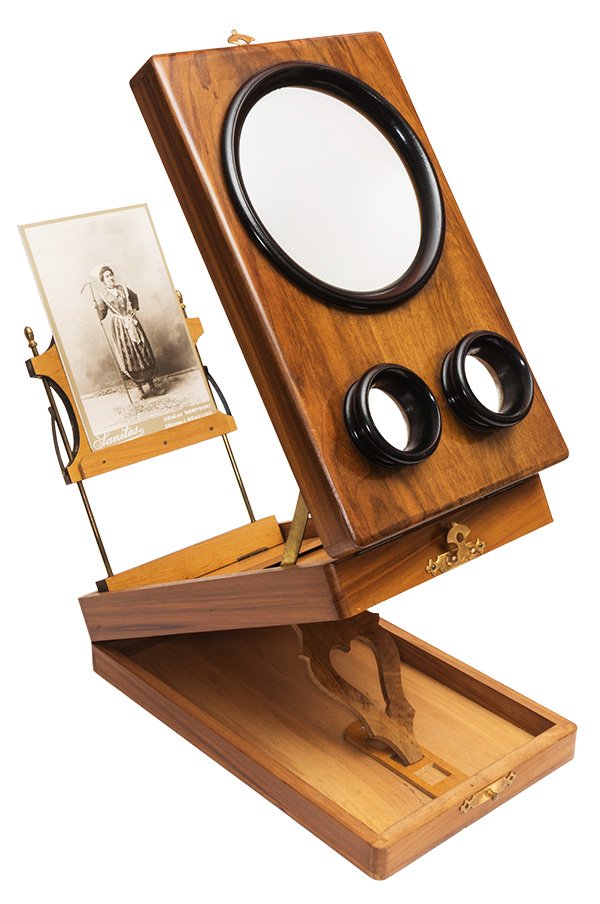
Accessory for viewing Cartes de Visite, stereoscopes and also the Carte Cabinet format. The large magnifying lens fills the field of vision and produces a much more immersive experience than viewing with the naked eye.
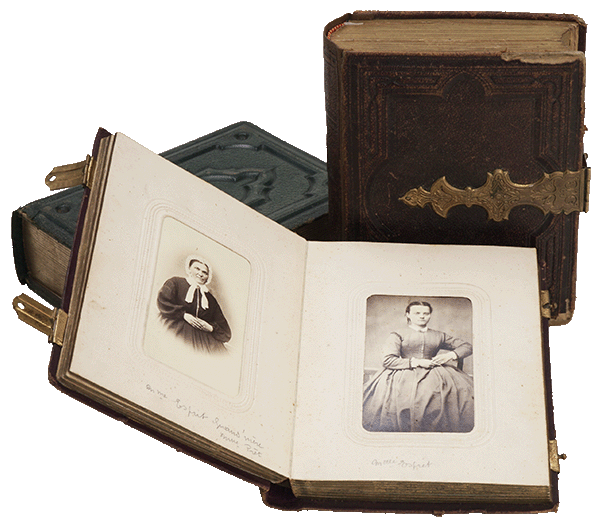
A fever started for these small photos measuring approximately 6x10cm. Disdéri created the production and mounting process. Thousands of photographic studios around the world followed the pattern that became an icon of an entire era.
This seminal article looks at the early history of photography, followed by a discussion of its possible relationship with art.
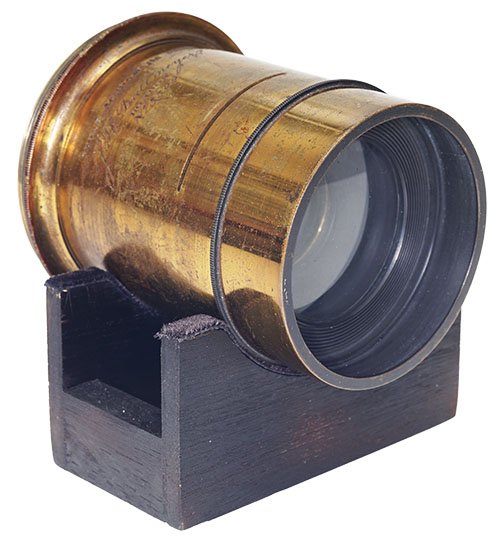
An English novelty, a lens that was practically distortion-free by the standards of the time. It was used to copy Raphael’s drawings.
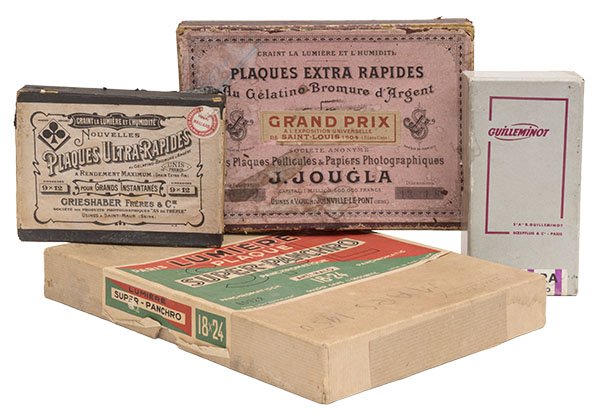
Development of the first photographic emulsions using gelatine as a suspension medium. This paved the way for industrial production to replace the handmade production of photographic media.
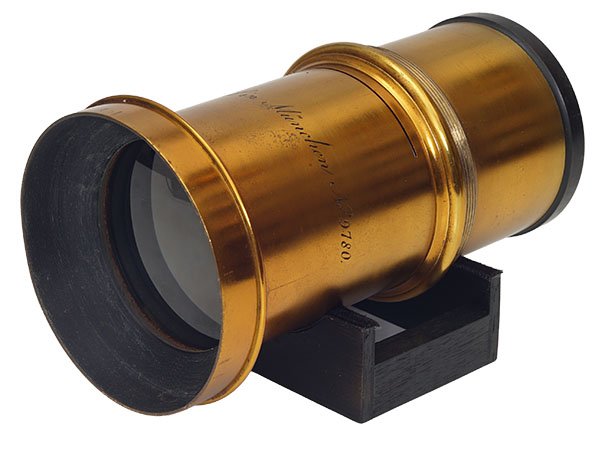
In Munich, at the same time as Dallmeyer launched the Rapid Rectilinear in London, Steinheil launched the Aplanat, with exactly the same concept of two symmetrical doublets.
A quick survey of the range of cameras on offer in the 1920s. The types and characteristics are analyzed to compose the scenario that preceded the introduction of the Leica in 1925.
The containers for developing silver gelatine negatives began with a simple tray and have followed the changes in emulsion formats and supports. This article shows some milestones in this history and discusses the possibilities for analog photographers today to develop their films, plates and boards.
This post describes the main points and considerations that were on the table at the time of the decision to launch or not launch the small camera that Oskar Barnack had developed with the support of the firm where he worked, Ernst Leitz.