Naturalism in Renaissance art
The text analyzes how the desire for more drama in religious images and the emergence of Humanism in 13th century Europe converged, in such different ways, to an idea of naturalistic art as intended in the Renaissance.
Article with a brief history of the Lerebours et Secrétan house as an example of the transformations brought about by the bourgeois and scientific revolution in new forms of social ascension.
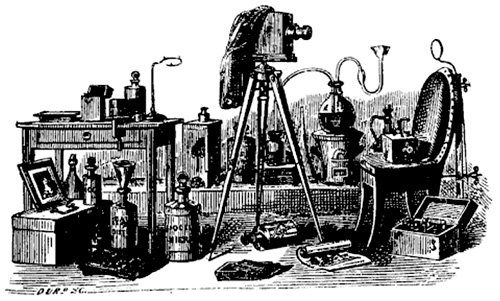
History of the development of the Daguerreotype from the Niépce/Daguerre collaboration to the French government’s purchase of the invention and its donation to the whole world.
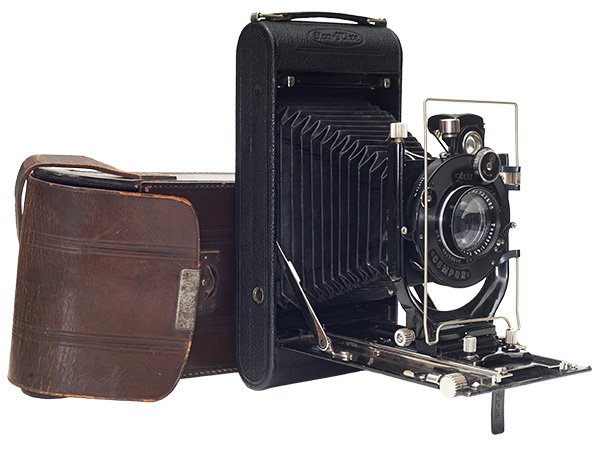
Uma câmera hibrida, no sentido de que podia usar filme em rolo, no caso o 122, mas vinha também com vidro despolido e chassis para placas de vidro no formato 9x14cm
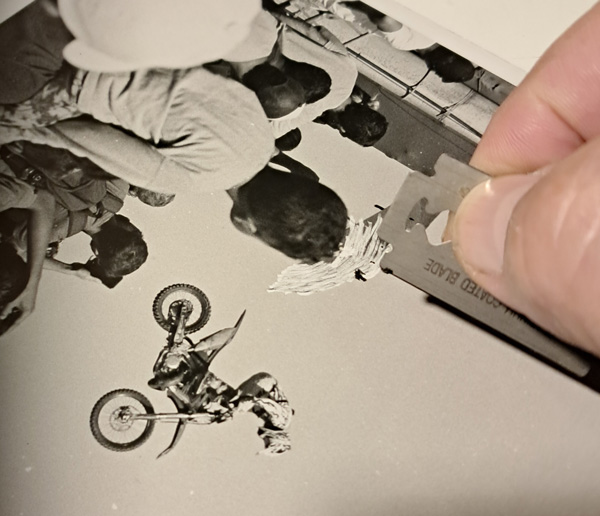
An example of image manipulation in analog photography, involving interventions on a preliminary copy that is then re-photographed and reprinted. This technique allows you to insert or remove anything from the image. The only limit is the photographer’s imagination and skill.
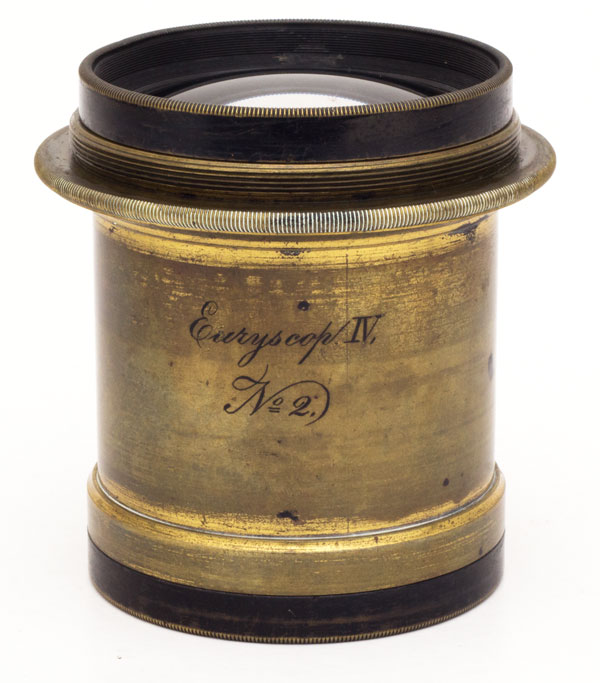
Launched in 1878, this lens was such a success that it practically saved one of Germany’s most traditional photographic lens manufacturers from being swallowed up by the competition. It took a new generation at the helm of the company to create a new generation prestige optics.
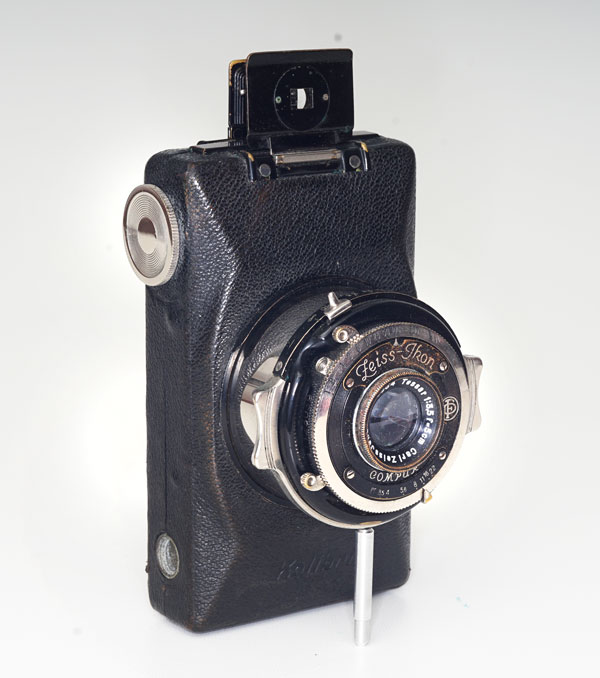
This is a small Zeiss Ikon camera for 127 film. Intended for the amateur market and in times of hardship, it was manufactured from 1931 to 1934. It has the basic controls of speed, aperture and focus by estimation. Its highlight is the very elegant design and exquisite finish. A good companion.
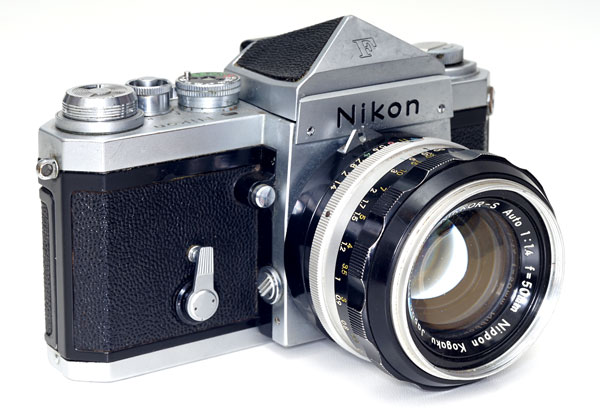
The Nikon F was the right camera at the right time. It went from Japan to the world. A combination of specifications, functionality and aesthetics that made it a symbol of a time of great transformation such as the 1960s.
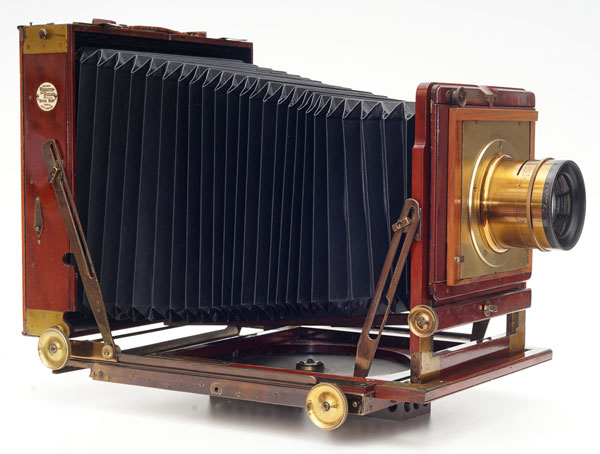
Early 20th century English camera, highly sophisticated and well finished field camera. Extendable bellows up to 70 cm, 18×24 cm format, very easy to assemble and it fits folded into a leather case.
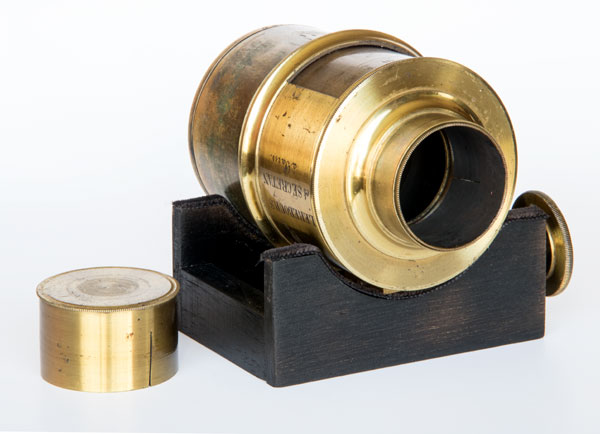
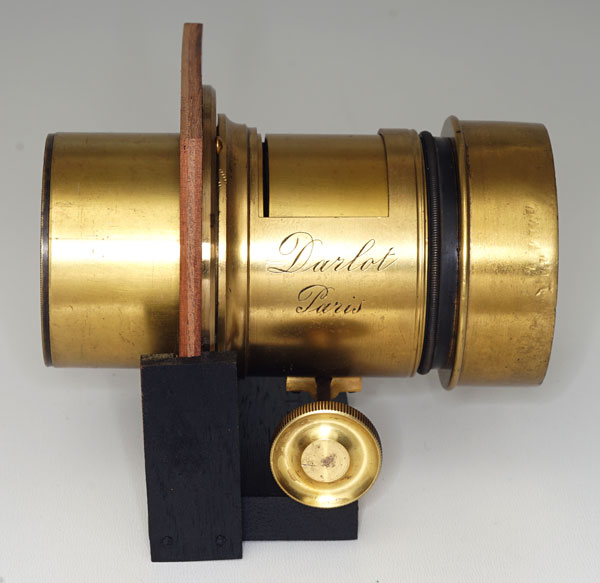
Petzval-type lens, but from the end of the 19th century. Manufactured by Darlot, a French company, and distributed in the United States by Benjamin French & Co. of Boston. A good example of the longevity of the Petzval concept spanning decades and decades in photography.
“watch the birdie” was not just a figurative way to catch sitters’ attention in photographers’ studios. There was a brass made, ingeniously made, little bird capable to sing and provide the brief, but precious, frozen moment that the photographer needed to get his job done.
Perhaps the most familiar of all family cameras, the Olympus Trip 35 was for 35mm film what the Brownies were for 120 and later 127 film. Very robust, impeccable finish and strictly what is needed for good photos of travel, moments with friends and family and also street snapshots.