Holga | Tsun Ming Electrical Factor
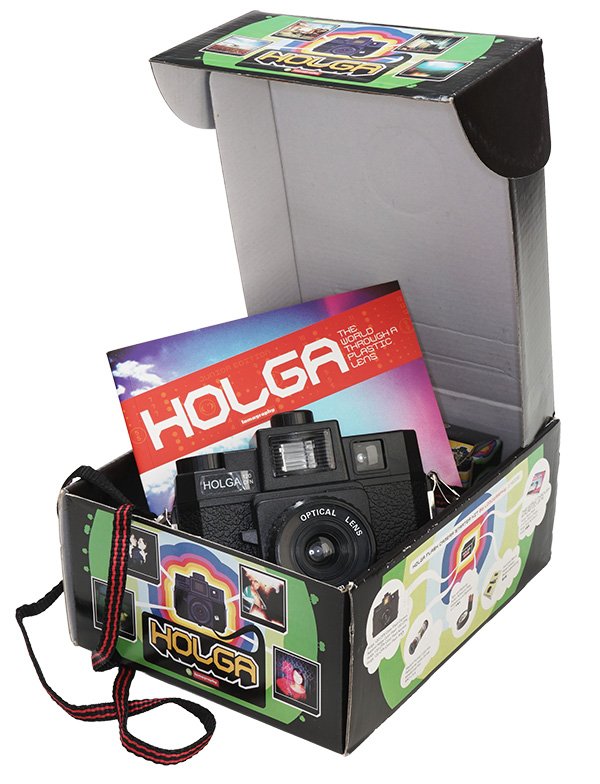
All made of plastic, including the lens, it was a cheap camera aimed at the mass market of Chinese workers, but ended up becoming fashionable among Western hipsters.
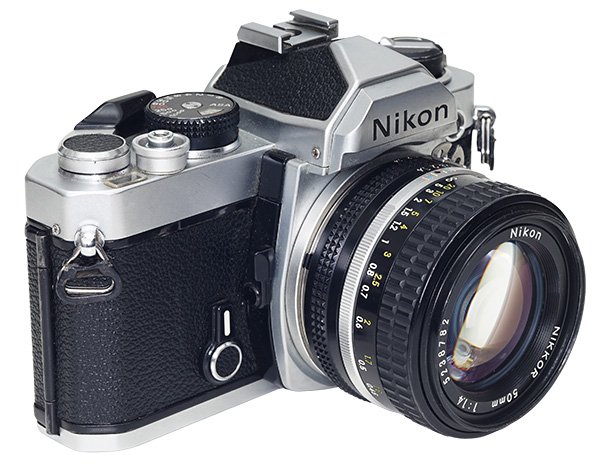
Losing sales to cameras with similar specifications but smaller and simpler construction, Nikon reacted by launching its FM. Fully mechanical, without the modularity of the F2, but at a more affordable price. A typical example of less is more, because it’s an excellent camera.
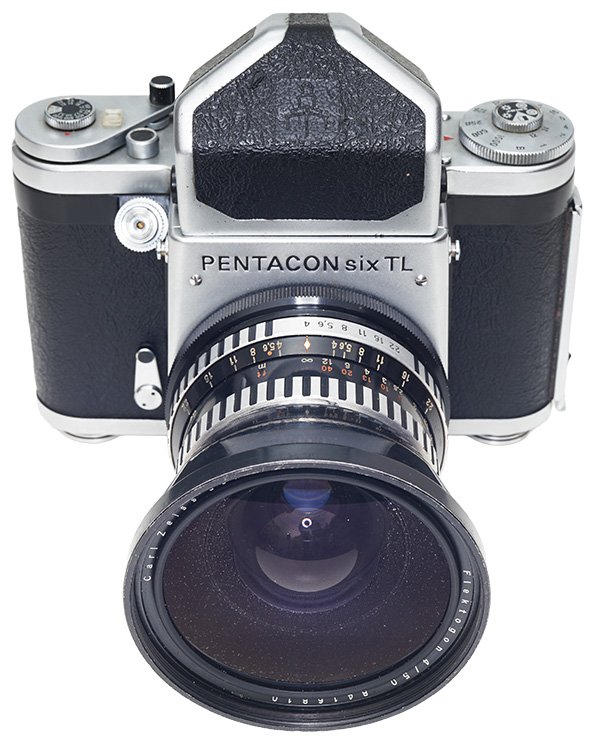
Far from the original Rolleiflexes or Hasselblads, the 1960s saw the consolidation of a category of medium format cameras that looked like enlarged 35mm cameras, offering 6×6 or larger negatives on 120 film.
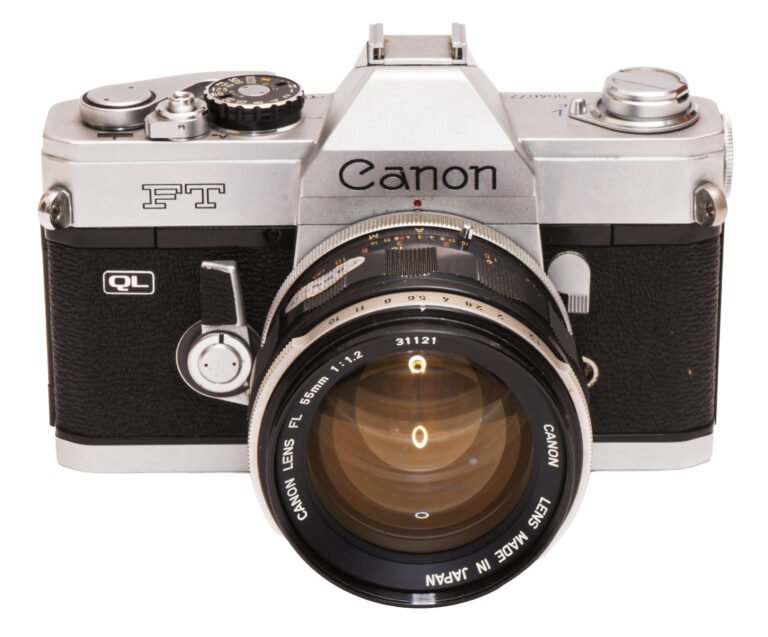
This camera marked the beginning of the consolidation of Canon’s reputation in the competitive SLR market.
A very popular rangefinder with an attached rangefinder and parallax correction directly in the viewfinder. The lens is not interchangeable but it is an excellent 50mm f/1.7.
It introduced an SLR system with a fixed mirror that “steals” around 30% of the light for the viewfinder and does away with the noise, vibration and blind moment of the moving mirror.
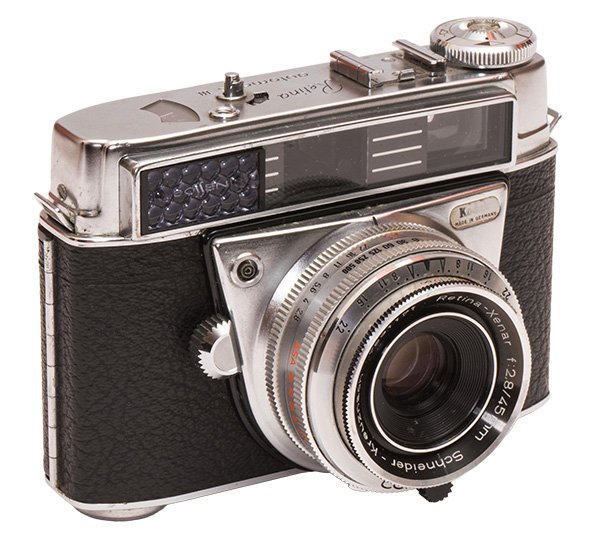
Automatic or manual exposure with a good range of shutter speeds and apertures. Viewfinder rangefinder that still shows the aperture. Camera for the amateur market already in its final years from Zeiss Ikon.
A bit like Leitz showed with its Leica in 1925, Olympus argued with its Pen F that a good camera could generate quality images even with a small format. The Pen F makes half a picture, but it’s a very sophisticated camera in terms of features and engineering.
A camera in the long line of Brownies, which began way back in 1901. It has made a name for itself in the amateur market by putting ease of use – just press the button – above the quality of the final image. It’s fun to use, and with a flash, it’s ideal for snapshots at birthday parties.
Yashica had been producing TLRs since the early 50s. At the beginning of the 1960s, it launched the Mat 124, which was a huge success and remained on the market until the 1980s. Much more affordable than the Rolleiflex, it gave life to the concept of twin lenses.
This camera was launched for the amateur market with a focus on the “super slide” made with 127 film in 4×4 format. They were 85% larger than 35mm and slide projections were very fashionable.
A 35mm that is very much the miniature of one of the old Ikontas for 120 film. Fully manual and with good flexibility of speeds, apertures and focus distances.