Symmar S | Schneider Kreuznach
One of the most commonly used large format lens at the height of analog photography, Symmar follows a 1903 concept named plasmat and has been adopted as a standard lens by many thousands of photographers.
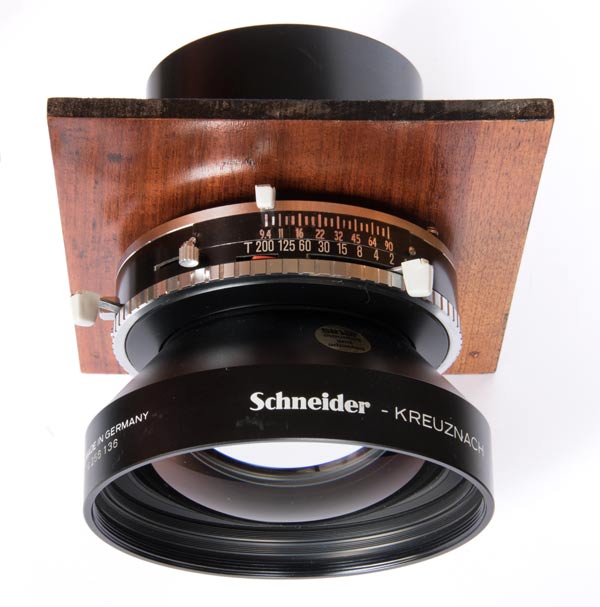
One of the most commonly used large format lens at the height of analog photography, Symmar follows a 1903 concept named plasmat and has been adopted as a standard lens by many thousands of photographers.
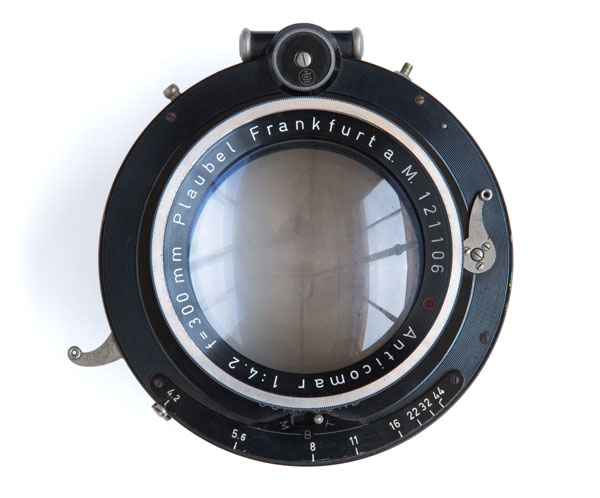
Anticomar is a somewhat controversial lens. Designed on the basis of a Tessar, it is able to bring many details and definition. However, in this version of Plaubel, it brings also a reasonable level of flare that creates a slight halo around bright objects.
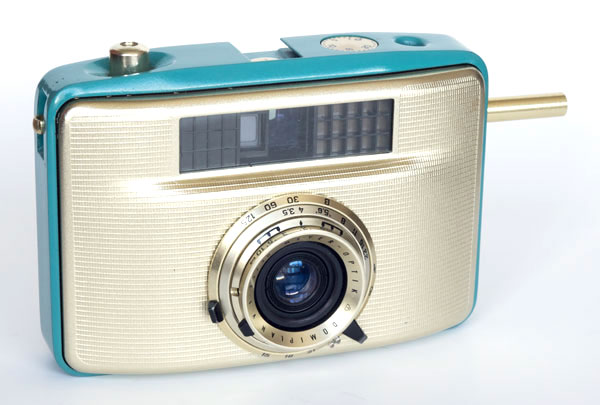
Pentacon’s Penti II is a nice 60’s camera that is perfectly usable even today. Colorful and fully impregnated with the design of its time, it is a great companion for the memory of tours and events.
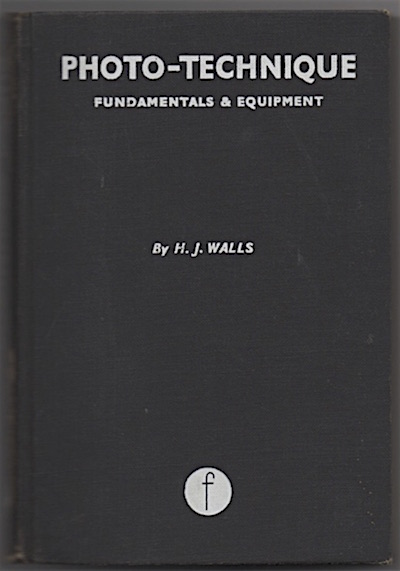
Although published in 1954 this is not a very difficult book to find for purchase online. Organized by H.J.Walls and edited by Focal Press is one of the few books written for amateurs that goes beyond the surface of the principles of optics, the nature of light, sensitometry and the characteristics of lenses and photographic…
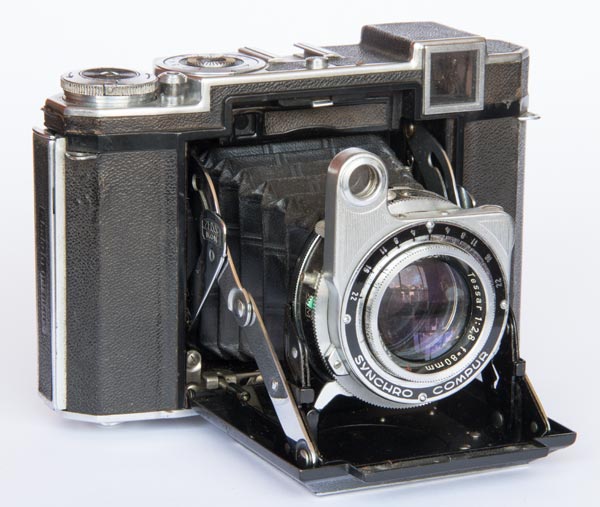
Real dynasty of folding cameras from 1929 to 1960. Zeiss Ikon’s Ikontas and Super Ikontas were very important in bringing quality to medium format photography leaving behind glass plates after nearly 100 years as a major photographic medium.
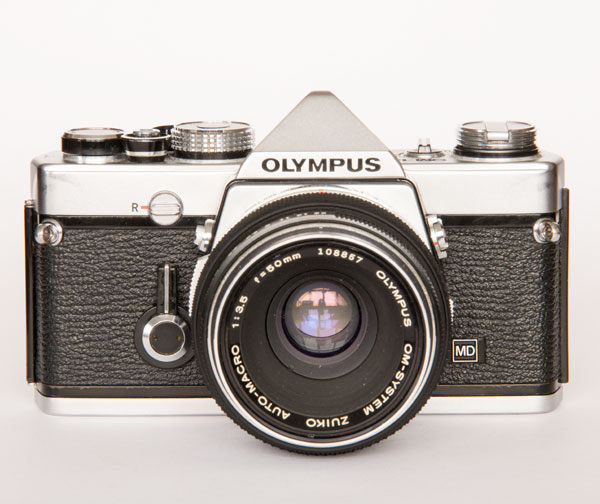
Not prized at the time of Nikon and Canon dominance, the Olympus OM series enjoys a good reputation in the analog photography community today. Its optics are excellent and its construction is robust, reliable and creative.
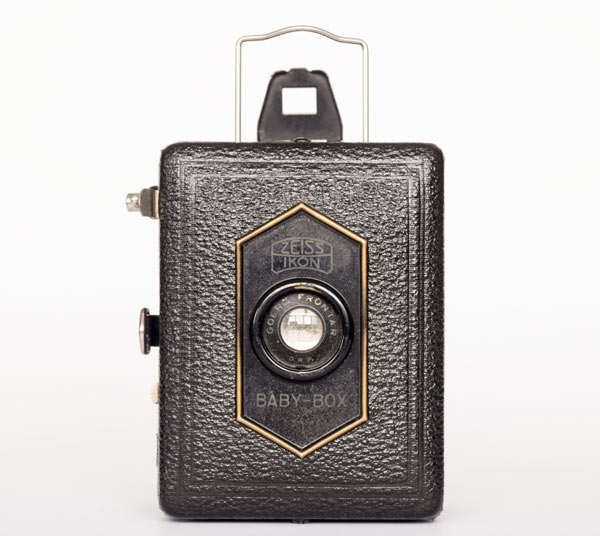
Small Zeiss Ikon camera from the 1930s. Uses 127 film and shoots in 3×4 cm format with Goerz’s Frontar lens. A little princess from the box cameras’ days.
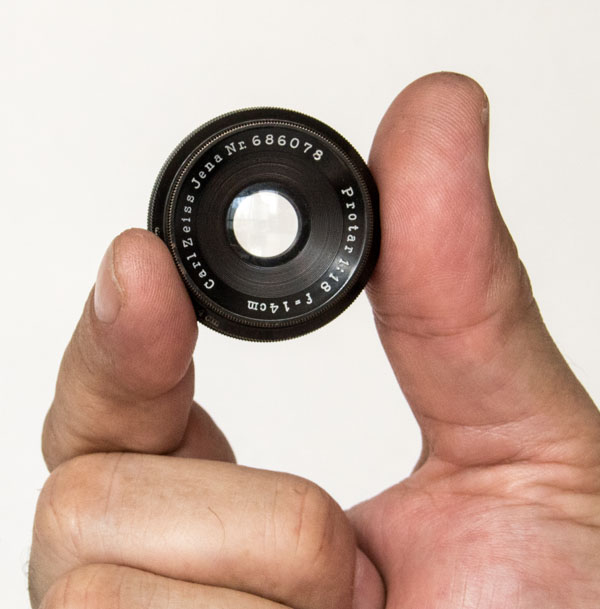
Lens from Carl Zeiss, designed in 1890/ These samples were produced in 1926/7. The Protar V is an super wide angle lens capable of excellent results although very small and light weight. A desirable optics for large format photography.
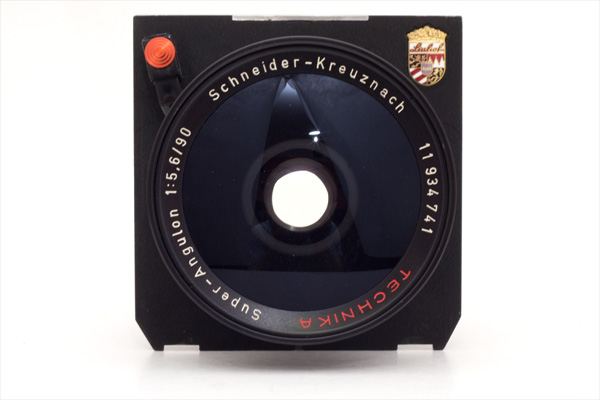
One of the best wide-angle lenses ever made, Schneider’s Super Angulon f / 5.6 has a slightly asymmetric optics and delivers perfect results with ease of use. Find here specs, photos of the lens and an urban picture taken with it.
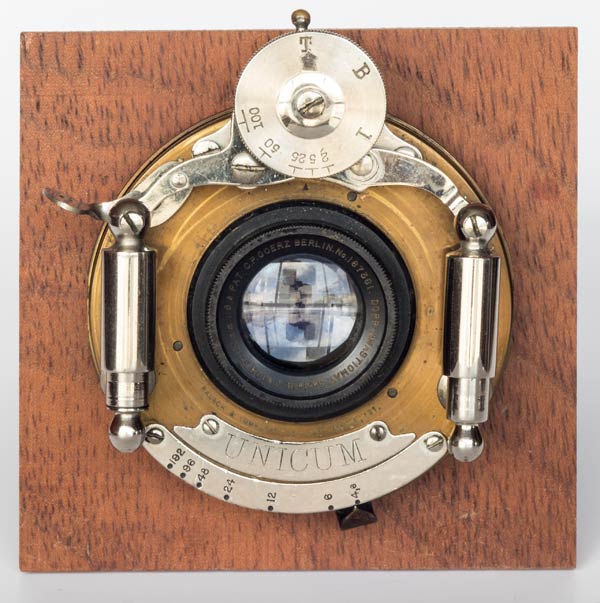
Three Dagor lenses, 75, 120 and 240 mm are shown, all from Series III having lens aperture of f/6.8. With lens design developed in 1892, the Dagor, remains a very usable lens. See recent pictures made with them. At the turn of the century, with other anastigmats, Dagor contributed greatly to the creation of a high end market for hand held cameras.
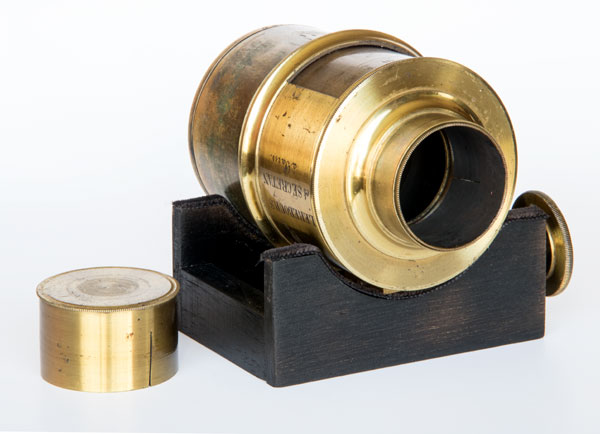
Article with brief history of the house Lerebours et Secrétan as exemplar of the transformations brought by the bourgeois and scientific revolution. Includes review of a landscape lens with a focal length of 255mm and an image made on a dry plate using the same lens.
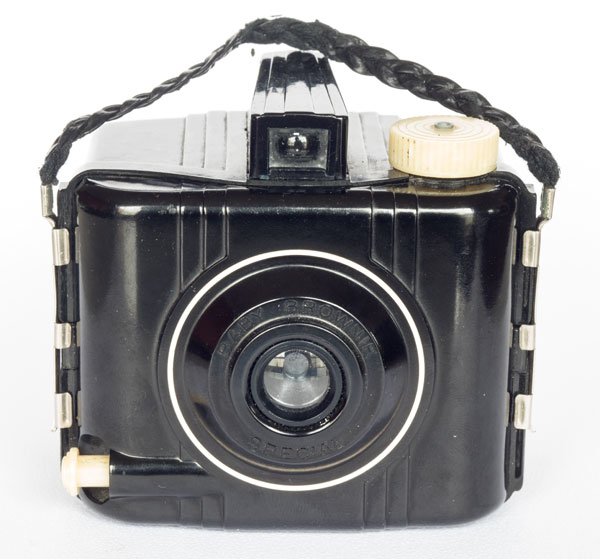
Popular camera marketed by Kodak between 1939 and 1954. It takes pictures 4.0 x 6.5 cm (1 5/8 X 2 1/2 “) using films 127. See camera review and photographs taken with it.