Horizont | KMZ
This article analyzes methods for producing panoramic photos and compares the use of the wide-angle lens with the rotating lens system, as is the case of Horizont of KMZ
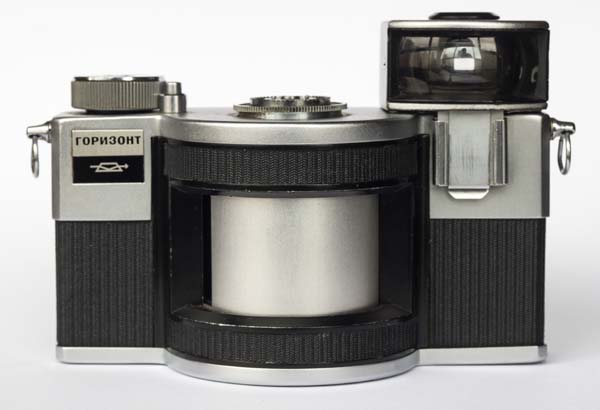
This article analyzes methods for producing panoramic photos and compares the use of the wide-angle lens with the rotating lens system, as is the case of Horizont of KMZ
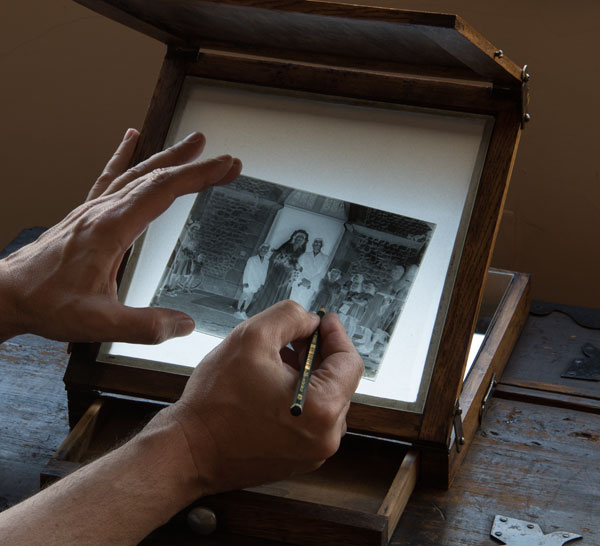
Article shows a retouching desk of the type used at the beginning of photography. The retouching was done basically with pencil applied directly on the photographic emulsion. Examples of antique glass plates in which people had their lines of expression smoothed by this method are shown an commented.
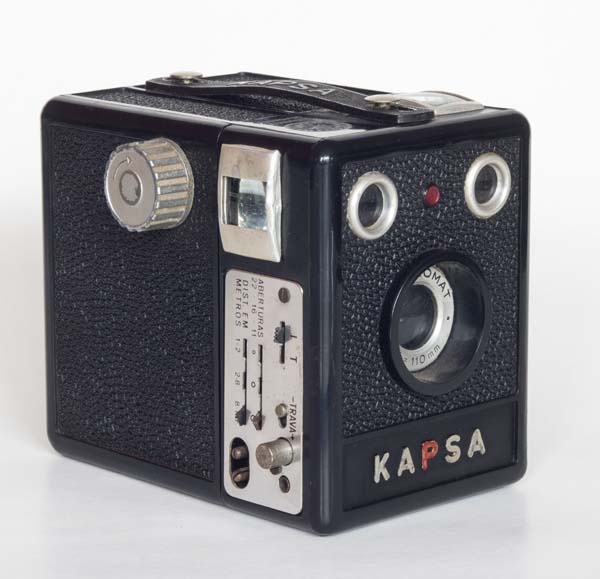
Brazilian photographic camera manufactured in the 1950s. Dedicated to amateur photography produces negatives with 6 x 9 cm or 4.5 x 6 cm in 120 films.
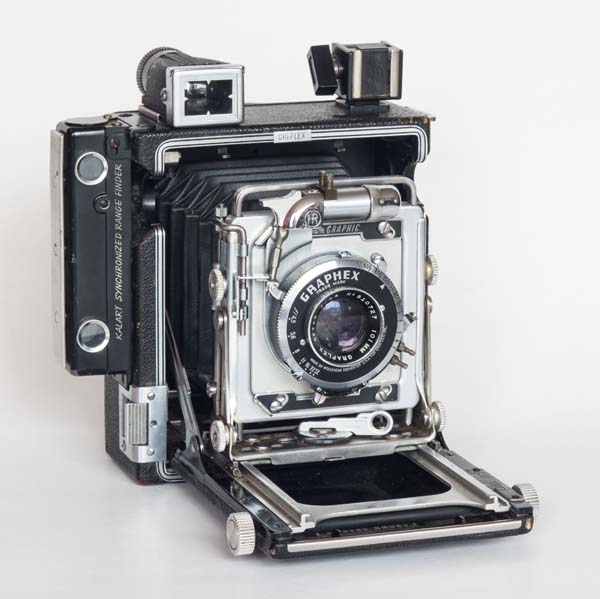
Review of Graflex Pacemaker Crown Graphic 23: concept, features, types of film holders, use of dry plates and comments about the use of flashbulbs. Also includes a gallery of pictures taken with this camera.
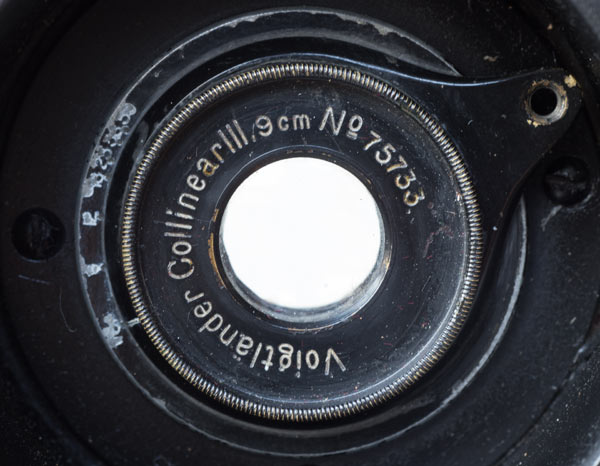
Small lens whose design is among the first anastigmatics. The Collinnear, sometimes referred as Kollinnear, created by the Voigtländer firm in 1893, using the newly developed glasses in Jena was, among others of the same type, a step change in photographic optics.
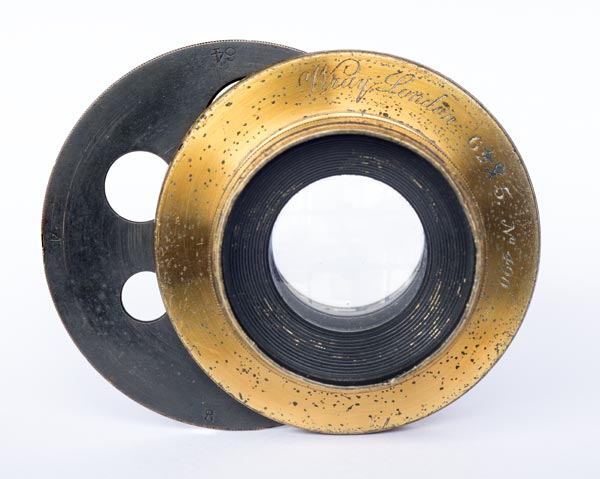
Review of a Rapid Rectilinear lens from the very beginning of Wray’s production, with comments on the firm’s entrance and contribution to the history of photography. William Wray was very important in the diffusion of iris diaphragm for photographic lenses and recognised as a high quality lens maker. Features also a portrait made with this lens.
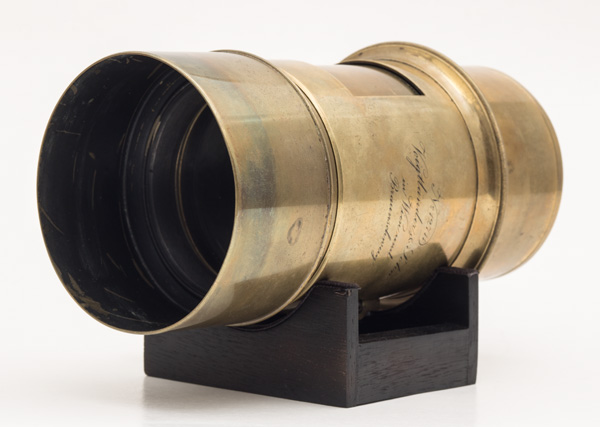
Quick review of a Petzval type lens for portraits. Manufactured by Voigtländer in 1862. Sample of portrait made with it and links to useful resources.
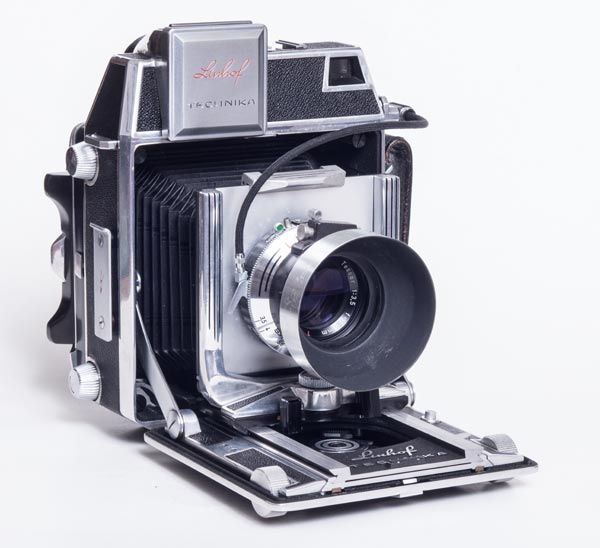
Designed to offer the advantages of large-format and miniature photography in one camera, with focus and composition via optical viewfinder or ground glass, the Linhof Super Technika is an icon in camera history. Review with photos, comments and images produced with the Linhof Super Technika.
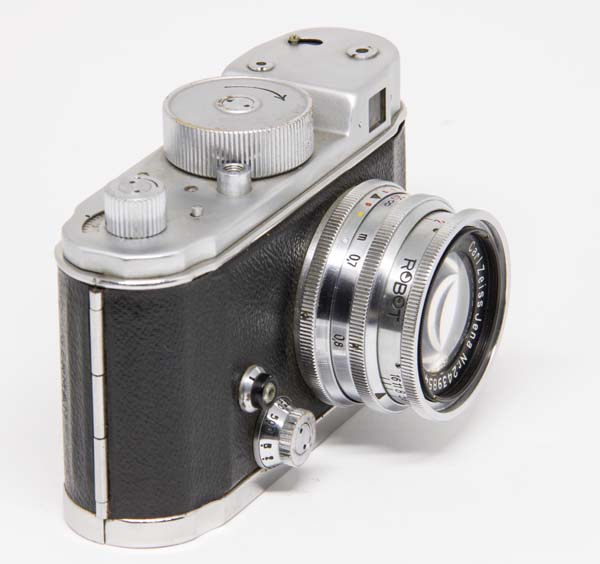
A camera created in 1930, which uses 35mm film, and besides being totally mechanical, has a spring system that allows one to make up to 5 photos per second just by pressing the shutter release button. The film is advanced and the shutter is armed automatically.
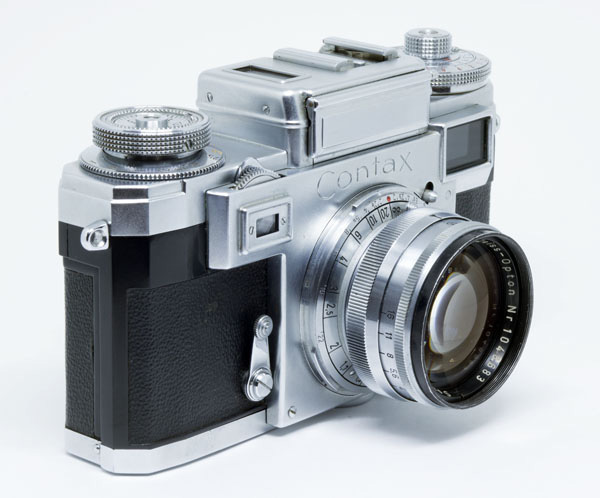
One of the most iconic cameras from Zeiss Ikon, the 35mm Contax offered a system with interchangeable lenses and a multitude of accessories. It was launched with the difficult task of competing with Ernst Leitz’s Leica. Although it has not outgrown its competitor in glamour, technically, It brought important innovations that marked the history of photography.
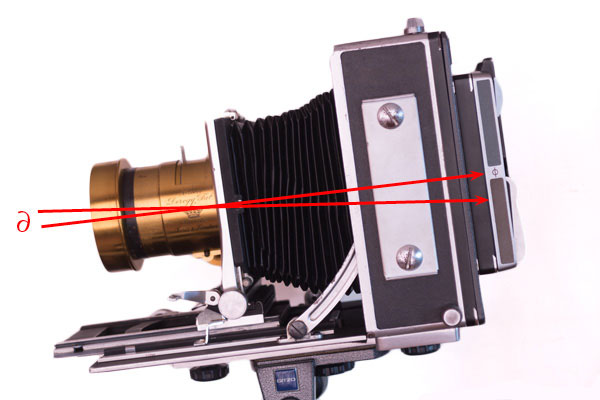
Using Petzval-type lenses for portraits when the subject’s face is out of the center of the image requires some care. The article discusses and gives an example of how to decentralize the lens to reposition its optical axis over more peripheral areas of the photographic frame.
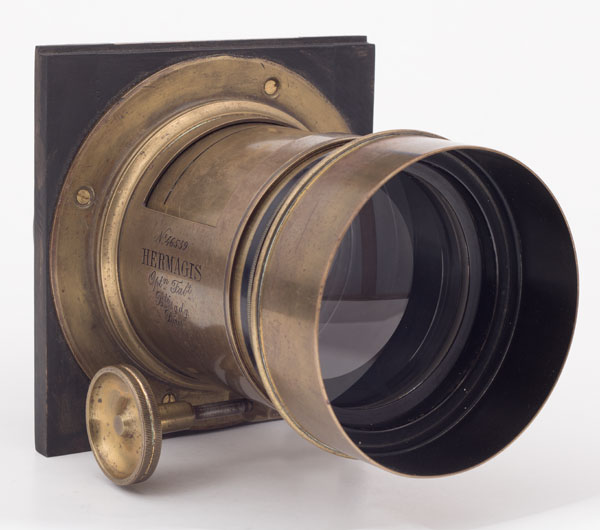
Lens description with photos, measurements and presence in a manufacturer’s catalog. Photographs of pencil inscriptions on the edge of optical elements and details of the standard carte-album format, popular in the late nineteenth and early twentieth centuries, to which this lens was intended.